

Choosing a motorhome battery comes down to how you travel, how much gear you run, and how often the rig sits between trips. A compact lithium pack suits weight-sensitive setups and solar charging, while AGM designs still make sense for drivers who want simpler compatibility and familiar charging behavior. The right call can keep lights, fans, fridges, and accessory loads steadier on weekends or long hauls.
This roundup focuses on the practical differences that matter in an RV bay, not just the label on the case. You get battery formats that suit house power, starter use, trolling motors, and off-grid storage, so you can match the battery to the way you actually camp.
The Shortlist At A Glance

dumfume 12V 100Ah LiFePO4 Battery Group 31

Weize BCI Group 31M Dual Purpose AGM Battery

Weize Dual Purpose AGM Battery BCI Group 24M

SUPER EMPOWER 12V 100Ah LiFePO4 Battery Group 24

VEMDIA 12V 100Ah LiFePO4 Lithium Battery Group 31
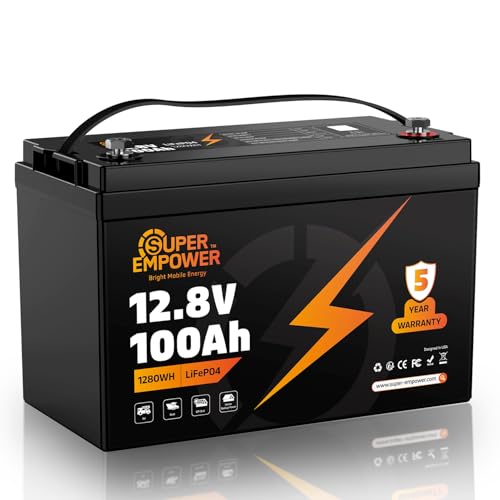
SUPER EMPOWER 12V 100Ah LiFePO4 Battery Group 24
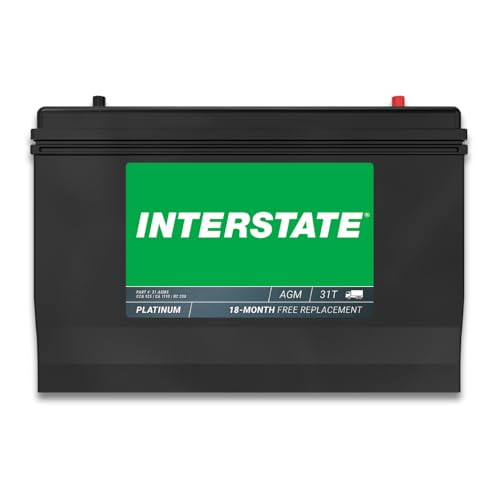
Interstate Batteries Marine/RV Battery 12V 100Ah Group 31 AGM
More Details On Our Top Picks
For motorhome owners watching weight, this Group 31 lithium pack has a clear appeal. The LiFePO4 chemistry, which stands for lithium iron phosphate, is the kind of format that fits house-power duty better than starter duty, and the 22.05-pound figure makes that easy to place in a cramped battery bay.
The 100A BMS, or battery management system, helps govern charging and discharge, while low-temperature protection adds a useful guardrail for cold-weather storage or shoulder-season travel. It sits closer to the SUPER EMPOWER lithium choices than to the heavier WEIZE AGM units, so you get a lighter install at the cost of needing a setup that actually suits lithium charging habits.
Strong Points
- Light weight helps keep nose-heavy RV setups in check.
- 1280Wh capacity gives solid room for overnight house loads.
- Low-temp protection suits early-spring and late-fall trips.
- IP65 sealing adds confidence in dusty storage spaces and damp compartments.
- Group 31 sizing works for many common RV battery trays.
Things To Consider
- Lithium works best in systems set up for it, so compatibility still matters.
- It is not a starter battery, which rules out some engine-cranking jobs.
- The trade-off for lower weight is usually higher upfront cost than AGM.
Feature Snapshot
Who It Suits Best
RV travelers who want a lighter house battery for routine trips and solar-supported camping will get the most from this one.
Where A Sibling Pick Shines
Interstate Batteries Marine/RV Battery 12V 100Ah Group 31 AGM suits you better if you want an AGM format with straightforward starter-style output.
This WEIZE Group 31M leans toward versatility, since it’s built to handle both starting duty and deep-cycle use. For a motorhome with mixed electrical needs, that matters more than flashy capacity numbers, especially when you want one battery to cover engine starts and accessories without splitting roles.
Its sealed AGM design, or absorbent glass mat design, keeps the electrolyte trapped in glass fiber separators, which usually makes ownership simpler than flooded lead-acid batteries. Compared with the dumfume lithium pick, this one is heavier and less cutting-edge, but it fits more traditional charging systems with less fuss.
What We Like
- Dual-purpose design covers starting and house-style use.
- 825CCA gives strong cranking support for marine or RV starting duty.
- Sealed AGM construction reduces routine maintenance chores.
- Group 31 form factor suits larger battery compartments.
- Low internal resistance helps support higher output under load.
Small Caveats
- AGM weight is harder to ignore in small rigs.
- It does not offer the same energy density as lithium.
- Terminal orientation matters during installation, so check your wiring layout first.
Core Details
Who Will Love This
Weekend RV owners who want one battery for starting and accessory duty will find this format easy to live with.
Another Choice May Suit
dumfume 12V 100Ah LiFePO4 Battery Group 31 suits weight-sensitive motorhome setups that lean hard on solar and house power.
Some rigs need a smaller battery case more than they need brute size, and that’s where this Group 24M WEIZE makes sense. It keeps the dual-purpose layout of the larger 31M sibling, but in a more compact footprint that fits tighter compartments and lighter-duty electrical setups.
The 550CCA rating is the clue here, since cold-cranking amps, or CCA, describe starting power in low temperatures. Compared with the Group 31M, you give up some cranking reserve and overall capacity, but you gain a tidier fit for RVs where space is the limiting factor.
Upsides
- Group 24 size suits narrower battery trays.
- Dual-purpose AGM construction covers starting and deep-cycle use.
- 150RC gives a useful reserve for accessory loads.
- Sealed format keeps routine upkeep modest.
Areas To Watch
- 550CCA is lower than larger Group 31 options.
- 90AH capacity may feel modest in rigs with heavier overnight draw.
- Terminal placement still needs a quick check during installation.
At A Glance
Best Suited To
RV owners working with tighter battery compartments and moderate power demand will appreciate the smaller form factor.
Where A Sibling Pick Shines
Weize BCI Group 31M Dual Purpose AGM Battery fits better for heavier rigs that want more cranking reserve and a larger house-power buffer.
This Group 24 lithium battery is built for owners who care more about system design than about a simple swap-in replacement. The 4P4S expansion support means you can configure multiple batteries in parallel or series, which gives you room to build a larger storage bank for extended camping or solar-backed use.
The 100A BMS and low-temperature cutoff make the battery feel more deliberate than a basic drop-in pack. Compared with the dumfume Group 31 lithium option, this SUPER EMPOWER model gives you the same 1280Wh class capacity in a smaller case, which can matter a lot in a cramped compartment.
Best Bits
- Group 24 sizing helps in tighter RV bays.
- 1280Wh capacity supports house loads for routine trips.
- 4P4S expansion opens the door to larger banks.
- Low-temp cutoff adds a useful charging safeguard in cold weather.
- 100A BMS helps manage battery behavior under load.
Points To Note
- Expansion-friendly setups take more planning than a basic battery swap.
- LiFePO4 works best in systems meant for lithium charging.
- The added flexibility can be more than some simple RV owners need.
Details At A Glance
Built With In Mind
Owners planning a larger lithium bank for RV, marine, or solar use will get the most from this model.
Skip It When
WEIZE BCI Group 24M Dual Purpose AGM Battery fits better for travelers who want a simpler sealed battery without expansion planning.
Long-cycle lithium is the point here. The 15000-plus deep-cycle figure makes this VEMDIA a strong fit for people who run battery banks hard, whether that’s through repeated boondocking weekends, solar charging, or a trolling motor that sees regular use.
It still keeps the familiar 12V 100Ah, 100A BMS, and 1280Wh structure, so the real distinction is durability across many charge and discharge passes. Compared with the dumfume battery, this one leans more toward endurance language and less toward compact, dust-resistant housing, which may matter more to long-term off-grid users than to casual campers.
Positives
- Very high cycle count suits frequent charging.
- Group 31 size keeps it compatible with common RV trays.
- Low-temp cutoff helps with cold-season charging discipline.
- 4P4S support gives you room to scale storage later.
- Lightweight lithium construction makes handling easier than AGM.
Trade Offs
- High-cycle value matters most to heavy users, not occasional campers.
- Lithium setup needs proper charging hardware and wiring discipline.
- The larger feature set can be more than a simple weekend rig requires.
Quick Facts
Who Should Grab It
Frequent RV travelers and off-grid setups that cycle batteries often are the best match for this model.
Where Another Pick Fits Better
WEIZE BCI Group 31M Dual Purpose AGM Battery suits you better if you want a simpler dual-purpose battery with stronger starting support.
This SUPER EMPOWER battery is the smaller sibling to the Group 24 lithium pick above, and the appeal is plain: a compact case with the same 1280Wh class energy and 100A BMS structure. That makes it sensible for narrow battery spaces, especially in motorhomes where every inch of storage gets spoken for quickly.
The low-temperature cutoff is worth noting for seasonal camping, because it avoids charging below freezing conditions. The trade-off is simple enough, the smaller chassis helps installation in tight spaces, but it still asks for the same lithium-aware charging setup as any other LiFePO4 pack.
Reasons To Buy
- Group 24 size is easier to place in tight compartments.
- 1280Wh capacity gives a solid house-power base.
- Low-temp cutoff helps protect winter charging routines.
- 100A BMS supports controlled battery operation.
Worth Noting
- Smaller size does not remove lithium setup requirements.
- Expansion support is useful, but only for larger planned systems.
- It makes the most sense in rigs that truly need the compact footprint.
Feature Card
The Right Fit
Motorhome owners with cramped battery bays and a need for lighter lithium power will find this one especially sensible.
A Better Fit Elsewhere
Interstate Batteries Marine/RV Battery 12V 100Ah Group 31 AGM makes more sense for drivers who want AGM cranking strength and a heavier-duty feel.
This Interstate option leans hard into traditional AGM strength, and the 925CCA plus 1110CA ratings make that clear. CCA, or cold-cranking amps, describes engine-starting force in low temperatures, while CA is a warmer-cranking measure, so the battery clearly targets people who want a serious starting battery with long-run accessory support.
It’s the heaviest-duty-feeling pick in the group, and that helps in a boat or motorhome that asks one battery to start the engine and run accessories afterward. Compared with the WEIZE Group 31M, this one brings even stronger cranking numbers, though the trade-off remains the usual AGM penalty in weight and bulk.
Highlights
- Strong cranking figures support demanding starts.
- Group 31 AGM format fits larger marine and RV trays.
- Designed to power accessories after startup.
- Thick-plate construction supports repeat discharge use.
Softer Spots
- AGM weight is a real consideration in weight-sensitive rigs.
- Large cranking ratings matter less in pure house-power builds.
- It is less flexible than lithium for solar-heavy setups.
Core Details
Whose Shelf It Belongs On
Boat and motorhome owners who want a heavy-duty AGM battery for starts plus accessory loads will get the most from this pick.
Look Elsewhere When
VEMDIA 12V 100Ah LiFePO4 Lithium Battery Group 31 suits you better if lower weight and frequent cycling matter more than cranking muscle.
How To Choose The Right Motorhome Battery
Match Chemistry To Your Wiring
AGM and LiFePO4 solve different problems. AGM, or absorbent glass mat, works well in traditional charging systems and suits shoppers who want a sealed, familiar battery with less upkeep, while LiFePO4 favors lighter weight, deeper cycling, and better fit for solar-heavy rigs.
That split matters in a motorhome bay, where charging gear, inverter settings, and alternator behavior shape how useful the battery really feels. A lithium pack can be a smart upgrade for long stays off-grid, but an AGM unit may be the cleaner path for a straightforward replacement.
Size And Weight Still Decide The Install
Group 24 and Group 31 cases are not just labels, they’re fit dimensions that decide whether the battery drops into place or forces you to rearrange the tray. Smaller cases help in compact compartments, while larger ones usually bring more reserve or cranking strength.
Weight also changes handling during replacement and can affect total vehicle load. A lighter lithium battery is easier to position, but a heavier AGM model may feel more reassuring in rigs that prioritize starting power and durable construction.
Look Past Amp Hours Alone
Ah, or amp hours, tells you capacity in a rough way, but the whole story is deeper than that. Reserve capacity, cranking ratings, BMS limits, and expansion support can matter just as much, depending on whether you run lights, a fridge, a trolling motor, or engine starts.
For weekend camping, a moderate battery can be enough. For long-haul travelers or off-grid setups, higher cycle life and expansion options are worth more than a spec sheet that only looks large on paper.
Think In Terms Of Daily Use
Shoppers who dry camp, boondock, or run solar panels should put charging behavior near the top of the list. Cold-weather cutoff, sealed construction, and battery management all become more important once the battery sees real travel use instead of occasional driveway duty.
Meanwhile, owners who mainly want a reliable starter with some accessory support can stay with AGM and keep the installation simple. That’s usually the cleanest choice when you want fewer moving parts and less system tuning.
What To Weigh Before You Commit
Wrong Turns To Avoid
Size mismatches cause more frustration than most specs on a product page suggest. A Group 31 case will not always suit a tray built for Group 24, and a lithium battery meant for house power is a poor substitute for an engine-starting unit.
Charging compatibility deserves equal attention. A battery can look great on paper and still feel awkward in practice if your converter, solar controller, or alternator setup doesn’t match the chemistry.
When The Upgrade Pays Off
Higher-tier lithium models earn their keep in rigs that run often and sit for long stretches between trips. Lower weight, higher cycle life, and expansion support make more sense when the battery is part of a larger off-grid system.
AGM upgrade pricing usually goes toward stronger cranking, sealed convenience, and thicker internal plates. That extra spend is easier to justify for travelers who want dependable start-up power and a battery that doesn’t ask for much attention.
Final Thoughts
The best motorhome battery for you depends on how your rig works day to day, not on a generic spec race. Lithium choices from dumfume, SUPER EMPOWER, and VEMDIA suit lighter installs and frequent cycling, while the WEIZE and Interstate AGM picks fit more traditional starting and mixed-load roles. Match the battery to your tray, your charger, and your travel style, and the right choice becomes obvious. For most motorhome setups, that practical fit matters more than any single headline number.
