

Marine power gets unforgiving fast, especially on boats that juggle starting loads, trolling motors, electronics, and long idle periods. The right battery keeps the day moving without constant charging drama or awkward weight on board. This roundup focuses on lithium and AGM choices that suit different rigs, from compact fishing setups to heavier boats and RV crossover use.
The Shortlist At A Glance
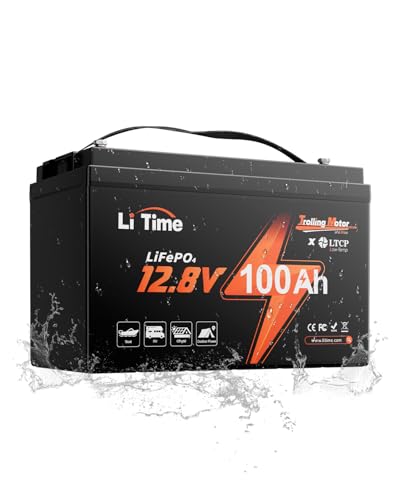
Litime 12V 100Ah Trolling Motor LiFePO4 Battery

OPTIMA 34M BLUETOP Sealed AGM Starting Battery

Newport 12V50Ah Deep Cycle Heavy-Duty Marine Battery

Weize Dual Purpose AGM Battery BCI Group 27M

Weize BCI Group 31M Dual Purpose AGM Battery

12V 100Ah LiFePO4 Battery, Group 24 Deep Cycle RV/Trolling Motor Battery
More Details On Our Top Picks
This Litime pick leans into modern trolling-motor use, where weight, steady output, and cold-weather safeguards matter more than old-school bulk. At 22.16 pounds in Group 31 sizing, it makes sense for boat owners who want less strain on the hull and easier handling at launch.
The 100A BMS, or battery management system, is the safety and control layer that helps govern charge and discharge behavior. That matters most on longer days with electronics running, and the low-temperature cutoff is a real advantage for shoulder-season fishing or early starts on chilly water.
Strong Points
- LiFePO4 chemistry usually suits frequent cycling better than basic flooded lead-acid setups.
- Group 31 sizing gives you a familiar footprint with much less weight than comparable lead-acid formats.
- Low-temperature protection adds useful margin for cold launches and storage planning.
- IP65 sealing supports dusty decks and wet marine conditions better than open-cell battery types.
- Its 4P4S expansion support gives you room to scale a larger power bank later.
Points To Note
- The lithium format asks for a charger and system setup that fit LiFePO4 use, not a generic one-size-fits-all approach.
- That lighter build is helpful, but it also means you may be comparing it against a higher upfront spend than entry AGM options.
Feature Snapshot
Who It Suits Best
Boat owners who fish often and want a lighter 12V lithium setup for trolling motors will get the most out of this pack.
A Better Fit Elsewhere
Newport 12V50Ah Deep Cycle Heavy-Duty Marine Battery suits smaller craft and simpler carry needs better than this larger-capacity lithium option.
The OPTIMA BLUETOP stands out as a starting battery first, so it fits boats and RVs that need dependable crank power more than long accessory runtime. Its sealed AGM design, where AGM means absorbed glass mat, also helps keep upkeep simple because you are not dealing with liquid electrolyte checks.
That spiral-cell construction is the part many owners notice in practical use, because it supports compact packaging and stable output in rougher conditions. Compared with the lighter-litium Litime above, this one is more about starting confidence than energy density, and that makes it a cleaner match for engines and service duty.
What We Like
- 800 CCA gives you a strong crank-oriented spec for many boat starting setups.
- Sealed AGM construction cuts down on routine upkeep.
- Dual terminals make installation flexibility easier in cramped battery compartments.
- Versatile mounting helps with tight marine layouts where orientation matters.
- Its dual-purpose profile gives you more flexibility than a pure starter-only battery.
Small Caveats
- AGM batteries are heavier than lithium, so handling takes more effort at install time.
- It suits starting loads well, but extended trolling or house-power use usually points you toward a true deep-cycle or lithium option.
Core Details
Who Should Grab It
Boaters who need a maintenance-light starter battery for engine ignition and occasional house use will find the fit strongest here.
Swap It Out When
Litime 12V 100Ah Trolling Motor LiFePO4 Battery is a better match for anglers who care more about runtime and weight than pure starting output.
This Newport battery is the small-boat answer in this group, and that’s exactly why it deserves attention. At 50Ah, it fits lighter marine jobs, kayak rigs, and simpler trolling setups where you want easier carrying without dragging around more battery than the boat needs.
The sealed AGM construction keeps the maintenance side straightforward, while the built-in handle is a practical touch that matters the moment you’re moving gear from truck bed to dock. Compared with the OPTIMA 34M, it gives up starting power headroom, but it also trims bulk and makes daily handling less of a chore.
Highlights
- 50Ah capacity suits compact marine systems and shorter outings.
- Sealed AGM format reduces day-to-day maintenance.
- Lightweight construction is easier to carry and position.
- The handle helps during transport and setup at the ramp.
Worth Noting
- Its smaller capacity will feel limited on boats with heavier electronics loads.
- Owners with bigger trolling motors may outgrow it faster than a 100Ah lithium or larger AGM pack.
- The simpler size is handy, but it also leaves less reserve for long days on the water.
Details At A Glance
Made For
Small-boat owners and anglers with modest electrical loads will appreciate the easier handling and compact footprint.
Another Choice May Suit
Weize BCI Group 31M Dual Purpose AGM Battery fits larger boats that need more reserve and stronger starting output.
Group 27M batteries usually occupy a sweet spot for boat owners who want more than a starter-only pack without jumping to a bulky setup. This Weize model fits that middle ground with 580 CCA and a 92Ah rating, so it can handle cranking and moderate house loads in one sealed AGM package.
Compared with the Newport 50Ah unit, the extra reserve changes how it behaves on longer days, especially when electronics are on and the engine sees repeated starts. The honest read is that it makes more sense for mixed-use boats than ultra-light rigs, because the added size buys you room to breathe.
Upsides
- Dual-purpose design suits both starting and deeper cycling needs.
- 92Ah capacity adds useful reserve for mixed marine use.
- AGM construction keeps maintenance low.
- 580 CCA gives you dependable crank support for many mid-size boats.
Areas To Watch
- It still weighs more than a lithium option with similar practical runtime.
- Boat owners with especially large accessory loads may want a bigger reserve or a lithium pack.
- Terminal orientation matters during installation, so check layout before mounting.
Technical Sheet
Whose Shelf It Belongs On
Boats that split time between starting duty and moderate accessory use are the strongest match for this model.
Where A Sibling Pick Shines
OPTIMA 34M BLUETOP Sealed AGM Starting Battery is the cleaner fit for setups that care more about crank power than deep-cycle flexibility.
This Group 31M Weize is the bigger, more relaxed-running sibling to the Group 27M model above. With 110Ah capacity and 825 CCA, it suits boats that need stronger reserve without giving up starter support, especially on trips where electronics and engine use overlap.
The trade-off is straightforward: more battery usually means more space and more weight to manage. That said, for cabin boats, larger fishing rigs, or RV owners who also want marine compatibility, the added reserve tends to feel worth the footprint.
Reasons To Buy
- 110Ah capacity gives you more cushion for longer outings.
- 825 CCA supports stronger starting demands than smaller dual-purpose packs.
- AGM construction keeps upkeep low.
- Group 31M format suits larger trays and heavier-duty layouts.
- Dual-purpose behavior works well for mixed starting and accessory use.
Trade Offs
- The larger format is less convenient for compact boats.
- AGM weight can make installation more awkward without a solid battery tray.
Feature Rundown
Best Suited To
Boats with more onboard gear and owners who want a single AGM battery for starting plus accessory support are the best fit here.
Look Elsewhere When
Newport 12V50Ah Deep Cycle Heavy-Duty Marine Battery makes more sense for smaller craft where easy carrying matters more than reserve capacity.
This SUPER EMPOWER battery sits in the more expandable end of the category, and it’s built for people planning a larger energy system rather than a single simple rig. The Group 24 size, 100Ah rating, and 1280Wh energy figure point toward serious house-power or trolling-motor use, with enough room to grow through 4P4S expansion.
That expansion support is the standout here, because it lets a compact starting point scale into a much larger bank later. Compared with the Litime lithium above, this model feels more oriented toward system-building than all-around portability, and that’s a meaningful distinction for RV owners and boaters who add gear over time.
Best Bits
- LiFePO4 chemistry suits repeated cycling and longer-term power storage use.
- 100Ah capacity gives a solid base for marine, RV, or solar setups.
- 4P4S expansion support opens the door to larger bank designs.
- Low-temperature cutoff helps protect charging behavior in cold conditions.
- Group 24 sizing can be easier to place than larger battery formats.
Honest Caveats
- Expansion-friendly setups call for more planning than a single sealed AGM battery.
- The larger-system focus may be more than a casual weekend boat needs.
Core Details
Built With In Mind
RV owners, serious anglers, and boaters planning a scalable lithium system are the best match for this battery.
Reach For A Different Pick When
OPTIMA 34M BLUETOP Sealed AGM Starting Battery is the simpler route for boaters who mainly need dependable engine starts.
How To Choose The Right Marine Boat Batteries
Start With The Job, Not The Label
Marine batteries split into starter, deep-cycle, and dual-purpose roles, and the right one depends on what your boat actually does on the water. Starter batteries focus on short bursts of high output for engine ignition, while deep-cycle models are built for slower discharge over time, which suits trolling motors and electronics.
Dual-purpose packs sit between those two camps. They can be useful on boats with modest electrical demand, but they rarely match a dedicated deep-cycle pack for long runtime or a dedicated starter for raw crank confidence.
Match Capacity To Real Use
Capacity, usually shown in amp-hours, tells you how much energy sits in the tank. A 50Ah battery can make sense for small craft or light duty, while 100Ah or more gives you more breathing room for long fishing sessions, fish finders, radios, and livewell-style loads.
Reserve capacity also matters on AGM models, because it hints at how long the battery can keep doing useful work before recharge. Bigger numbers help, but they also bring more weight and more space requirements, so you want a fit that matches the boat, not just the spec sheet.
Choose Chemistry For Your Routine
AGM, or absorbed glass mat, batteries are sealed lead-acid designs that keep upkeep lower and installation simpler. They usually make sense for owners who want a familiar setup and don’t mind extra weight.
LiFePO4, short for lithium iron phosphate, is lighter and usually better suited to frequent cycling. It tends to fit anglers, RV crossover owners, and anyone trying to trim weight from the boat, though it asks for a setup that matches lithium charging needs.
Check Fit, Mounting, And Cold-Weather Behavior
Group sizes such as 24, 27M, and 31M help you confirm tray fit before you buy. Terminal layout matters too, because awkward cable routing can turn a good battery into a frustrating install.
Cold-weather behavior deserves attention on lithium models, especially for early launches and shoulder-season trips. A low-temperature cutoff or similar protection is useful when you keep gear in unheated storage and still head out before dawn.
Things Worth Knowing First
Wrong Turns To Avoid
One common mistake is choosing a starter battery for a trolling motor that needs long runtime. Another is buying a high-capacity pack that won’t physically fit the battery box or leave room for cabling.
Terminal placement gets overlooked too, especially in tight compartments. A little planning here saves you from awkward reroutes and unnecessary hardware changes later.
Where The Extra Money Goes
Higher-tier marine batteries usually cost more because they use denser cells, sealed construction, stronger battery management, or higher cranking output. That extra spend often buys lighter handling, better cycle life, or more flexible system design.
That upgrade makes the most sense for frequent boat use, heavier loads, or cold-weather operation. Weekend-only boats with simple electrical needs often do fine with a more basic AGM build.
Final Thoughts
The right marine battery comes down to how you use the boat, not just how the listing reads. A light lithium pack like the Litime or SUPER EMPOWER suits frequent cycling and easier handling, while AGM choices from OPTIMA, Newport, and Weize make more sense for simpler installs and familiar maintenance habits. Match the chemistry, size, and output to your trip length and electrical load, and the battery becomes one less thing to think about. That’s the kind of quiet reliability worth aiming for.
