

Choosing a Lifepo4 Battery often comes down to how you actually use power, not just how much capacity sounds impressive on paper. Some of these picks fit a weekend camper or a small boat, while others make more sense for golf carts, RVs, or home backup setups. You’ll see clear differences in size, monitoring, protection features, and installation style, so you can match the battery to your space and load without sorting through a pile of jargon.
A Quick Look At The Strongest Options

Jackery Explorer 2000 v2 Portable Power Station 2042Wh 2200W AC Output

12V 150Ah Max LiFePO4 Battery IP65 Waterproof 100A BMS

ECO-WORTHY 12V 100AH LiFePO4 Lithium Battery with Bluetooth
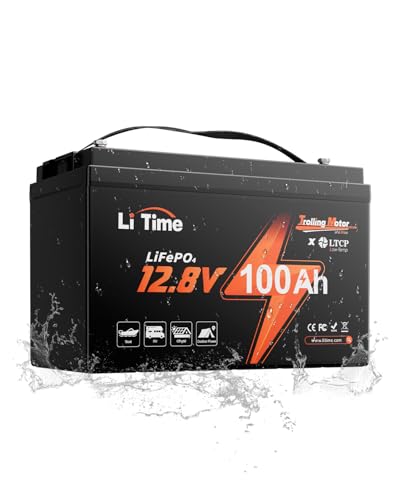
Litime 12V 100Ah Trolling Motor LiFePO4 Battery Group 31

ECO-WORTHY 12V 280Ah Metal Case LiFePO4 Lithium Battery

48V Lithium Golf Cart Battery Conversion Kit with Touch Monitor

LOSSIGY 48V Lithium Battery Golf Cart Conversion Kit with Charger and Monitor

SEFEPODER 12V 20Ah Lithium LiFePO4 Deep Cycle Battery 2 Pack

DC HOUSE Metal Case 48V 100Ah Lithium Golf Cart Battery Kit
More Details On Our Top Picks
For home outages, campsite charging, or a mobile work setup, this Jackery leans toward convenience first. The 2042Wh capacity gives you room for several devices, while the 2200W AC output makes it useful for gear that needs a sturdier outlet than a small inverter can offer.
The USB-C PD 100W port matters more than it sounds, since it cuts the need for extra bricks on many laptops and tablets. At 39.5 lb, it’s still a substantial unit, so it suits you better when you want a carryable backup, not something you’ll move around casually.
Strong Points
- Large 2042Wh capacity supports longer sessions between charges.
- 2200W AC output handles more demanding household gear.
- USB-C PD 100W is handy for modern laptops and phones.
- The weight stays lower than many bulky backup units in this class.
Things To Consider
- It still takes up real storage space, so closet placement matters.
- The unit makes more sense for backup or travel support than for quick, everyday carry.
- Solar panel support is optional, so a full solar setup takes extra planning.
Feature Snapshot
Who It Suits Best
You’re a strong match for this unit if you want one portable power station for outages, camping, and occasional mobile work.
Where A Sibling Pick Shines
ECO-WORTHY 12V 100AH LiFePO4 Lithium Battery with Bluetooth fits you better for a fixed install where app monitoring and a traditional battery format matter more than an all-in-one station.
This dumfume pack leans into long-run storage more than portability, and that’s exactly the appeal for RV bays, solar banks, and larger off-grid builds. The 150Ah rating gives you more breathing room than a standard 100Ah battery, so lights, pumps, and small appliances can stay in the mix for longer stretches.
The IP65 rating means dust resistance and water resistance in a sealed enclosure, which helps in damp compartments or outdoor installations. The trade-off is size and weight, so it’s a better fit for setups that stay put instead of being moved every day.
Highlights
- 150Ah capacity gives you a wider energy buffer than smaller 12V options.
- 100A BMS supports controlled output and charge management.
- IP65 sealing adds reassurance in dusty or damp mounting spots.
- The deep-cycle design suits repeated charge and discharge use.
- Low-temp protection helps it fit colder storage environments better than basic packs.
Worth Noting
- It’s built for installed use, so handling it like a grab-and-go battery would be awkward.
- Higher capacity often means more planning around mounting space and cabling.
- The listing points toward system use, so it’s more battery bank than quick swap solution.
Core Details
Made For
You’re looking at a good match for RV owners, solar installers, and off-grid setups that need bigger 12V reserve power.
Another Choice May Suit
Litime 12V 100Ah Trolling Motor LiFePO4 Battery for Marine, Boat, RV, Yacht fits better for a lighter marine battery where Group 31 sizing and boat use take priority.
This one stands out for the Bluetooth link, because you can check voltage, current, and remaining capacity from your phone instead of guessing at the battery’s status. That matters on a fishing boat or in a camper where the battery may sit out of sight, and you want a clearer sense of how much usable power remains.
It also fits the Group 24 footprint, which helps in tighter battery compartments that won’t accept a larger case. The trade-off is straightforward, you’re choosing better visibility and easier planning over the higher reserve you’d get from a 150Ah or 280Ah option.
What We Like
- Bluetooth monitoring gives you live battery status on a phone.
- Group 24 sizing helps it slot into many common compartments.
- Low-temperature protection adds peace of mind in colder conditions.
- Built-in 100A BMS supports managed charging and discharge behavior.
- The lightweight format makes handling easier than lead-acid alternatives of similar class.
Room For Improvement
- Capacity is more modest than the larger 150Ah and 280Ah choices in this roundup.
- App monitoring helps, but you still need to check installation space and terminal layout before swapping it in.
- For large off-grid systems, you may outgrow it sooner than a bigger bank.
Feature Card
Right Fit For
You’re a good match for this battery if you want a manageable 12V pack with phone-based status checks for marine or camper use.
Swap It Out When
ECO-WORTHY 12V 280Ah Metal Case LiFePO4 Lithium Battery suits larger off-grid systems that need much deeper reserve power than this compact pack.
The Litime model feels aimed at boat owners first, with Group 31 sizing and trolling motor focus doing most of the work. That layout matters because marine compartments often have their own shape and clearance needs, so a battery built around that fit saves you headaches during installation.
The low-temperature cutoff and IP65 rating make it a calmer choice for damp environments and cooler mornings on the water. The honest read is that its value comes from fit and protection more than flashy extras, which is exactly what many marine setups need.
Upsides
- Group 31 sizing works well in many marine and RV compartments.
- Low-temp cutoff helps protect the pack during cold charging or discharging.
- IP65 sealing adds confidence in wet-adjacent environments.
- 100A BMS supports controlled electrical behavior in daily use.
- Light weight improves handling during install and removal.
Small Caveats
- The setup is specialized, so casual tabletop use is beside the point.
- You’ll want to confirm Group 31 fit before planning the swap.
- Boat and motor use may benefit from extra cable planning during installation.
At A Glance
Whose Shelf It Belongs On
You’re the best match for this one if your main job is a trolling motor or another marine battery slot that wants a true Group 31 fit.
Reach For A Different Pick When
Jackery Explorer 2000 v2 Portable Power Station 2042Wh 2200W AC Output suits you better for portable backup power where wall outlets and USB-C charging matter more than marine mounting.
This 280Ah pack is the heavyweight in the list, and that extra reserve shows up in longer runtime for off-grid cabins, camper systems, and home backup banks. The metal case is the big practical difference, because it gives you a tougher enclosure than a plain plastic shell and can suit more demanding installation spaces.
The Bluetooth link adds visibility, while the 200A BMS gives the battery a stronger control layer for larger electrical loads. The trade-off is size and commitment, so this is the sort of battery you mount with a plan, not something you casually drop into a small compartment.
Positives
- 280Ah capacity offers a large reserve for longer use between charges.
- Metal enclosure is a reassuring choice for tougher installation spaces.
- Bluetooth monitoring helps you keep track of status without opening the case.
- 200A BMS supports larger current needs than smaller 100A models.
- Low-temp protection broadens where you can reasonably use it.
Softer Spots
- The size makes mounting and transport more involved than with 100Ah packs.
- A battery this large rewards careful cable planning and space checking.
- For light-use systems, the extra reserve may be more than you need.
Details At A Glance
Best Suited To
You’re looking at a strong match for larger off-grid builds, RV systems, and home backup plans that need substantial stored energy.
Look Elsewhere When
SEFEPODER 12V 20Ah Lithium LiFePO4 Deep Cycle Battery 2 Pack makes more sense for small electronics, lights, and compact gear that don’t need this much capacity.
Golf cart conversions get easier when the kit includes the monitor and charger alongside the battery, and that’s the main appeal here. The touch display gives you a direct view into the system, which is useful in a cart that gets used across different courses or properties and needs quick status checks.
The 1000A peak figure is built for short bursts, not constant output, so the battery makes the most sense in a cart setup where acceleration and load spikes happen in brief moments. Compared with the simpler 12V picks earlier in the list, this one is more of a project package than a stand-alone battery.
Best Bits
- All-in-one kit format reduces the number of separate parts you need to source.
- Touch monitor gives you an easy read on battery status.
- 200A BMS suits stronger cart power demands.
- Peak current support helps during brief high-load moments.
- Works well for a full lithium conversion plan.
Points To Note
- This is a conversion kit, so installation planning matters more than with a basic battery swap.
- The setup is built around golf carts first, which narrows the use case.
- Touch controls and charger inclusion add complexity that casual users may not want.
Quick Facts
Built With In Mind
You’re the right fit for this kit if you want a complete golf cart conversion with monitor and charger included in the package.
A Better Fit Elsewhere
DC HOUSE Metal Case 48V 100Ah Lithium Golf Cart Battery Kit w/ 18A Charger fits you better if you want Bluetooth app support and an LCD monitor in a similar cart-focused setup.
LOSSIGY pushes the tech angle harder than many of the cart kits here, with Bluetooth BMS support and a charger-monitor bundle that keeps the setup more connected. That makes it attractive for cart owners who like checking battery behavior from a phone instead of relying only on a mounted display.
The 100AH deep-cycle format gives you the usual lithium advantage of lighter handling and repeated use, while the peak-current note suggests it’s built for short bursts rather than steady maximum output. In practice, that’s a sensible fit for a golf cart or even a solar-backed RV system that needs visibility more than raw bulk.
Bright Spots
- Bluetooth BMS adds app-based monitoring to the package.
- Charger and monitor inclusion keeps the conversion kit more complete.
- 100AH deep-cycle design works well for repeated use.
- 48V setup fits common golf cart conversion needs.
- The bundle can simplify planning for a cart upgrade.
Areas To Watch
- The bundle is feature-heavy, so the setup may feel more involved than a bare battery swap.
- You’ll want to confirm all cart compatibility details before install day.
- Peak-current language helps with bursts, but it doesn’t replace a clear look at your cart’s actual draw.
Spec Overview
Perfect Match For
You’re a strong fit for this kit if you want a connected golf cart conversion with app visibility and a bundled charger.
Skip It When
Litime 12V 100Ah Trolling Motor LiFePO4 Battery Group 31 is the simpler route for marine use, where a single 12V battery matters more than a full cart conversion package.
Small devices are where this two-pack makes the most sense, because 20Ah batteries are often a neat fit for lights, scooters, toys, and fish finders. You’re getting a matched pair, so the setup works well for projects that need two compact batteries rather than one large power block.
The 40A BMS keeps the design appropriate for lighter loads, and that’s part of the appeal, since you avoid paying for capacity you won’t use. Compared with the bigger 12V and 48V picks above, this one is the tidy, practical route for modest power needs.
Reasons To Buy
- Two-battery pack format helps with small projects and paired installs.
- 20Ah size suits compact electronics and light-duty power needs.
- 40A BMS offers basic control for the battery pair.
- The lighter format makes handling simpler than larger batteries.
Minor Gripes
- It’s a small-capacity option, so it won’t replace a larger system.
- You may need to think through wiring and placement for a two-pack setup.
- For RV or golf cart duty, the capacity would be too limited.
Core Details
Who Should Grab It
You’re a good match for this two-pack if you need compact batteries for scooters, toys, portable lights, or small hobby projects.
Consider Something Else When
ECO-WORTHY 12V 100AH LiFePO4 Lithium Battery with Bluetooth fits you better for marine or camper use where a single higher-capacity battery is more practical.
DC HOUSE takes a practical route with the metal case, charger, Bluetooth mobile app, and LCD monitor bundled together, which helps the whole conversion feel less pieced together. For golf cart owners, that mix can make day-to-day checking easier, especially when you want both a screen on the cart and phone-based access.
The 48V 100Ah format keeps it squarely in cart territory, and the bundle format is useful for a clean upgrade path. Compared with the OGRPHY and LOSSIGY kits, this one lands in the middle on feature mix, which makes it a sensible choice for someone who wants a balanced package without chasing the most aggressive power figures.
What We Like
- Metal case adds a more rugged outer build for installed use.
- Charger, Bluetooth app, and LCD monitor create a complete-feeling kit.
- 48V 100Ah sizing fits many golf cart conversion projects.
- 200A BMS supports controlled battery behavior under cart loads.
- Bundled components reduce the number of separate parts to source.
Worth Noting
- A full conversion kit still asks for careful installation planning.
- Golf cart focus means the setup is less relevant outside that use case.
- Bluetooth and LCD features add convenience, but they also add more parts to learn.
Feature Rundown
The Right Fit
You’re best served by this kit if you want a golf cart upgrade with monitoring, charging, and a sturdier case in one package.
Where Shoppers Go Wrong
ECO-WORTHY 12V 280Ah Metal Case LiFePO4 Lithium Battery is the better route for large off-grid storage, where 48V cart hardware isn’t the main goal.
How To Choose The Right Lifepo4 Battery
Match The Voltage To The Job
Voltage is the starting point because it has to fit the system you already have. A 12V pack suits many RVs, boats, campers, and small off-grid setups, while 48V batteries belong in golf carts and higher-voltage conversion kits.
Mixing the wrong voltage with your equipment creates more trouble than value, so this is the first filter to apply. Think of it as the backbone of the setup, since capacity only matters after the voltage is right.
Look Past Capacity Numbers Alone
Ah, or amp-hours, tells you how much charge the battery can store, but the real question is how long your gear runs under load. A 20Ah battery works for small electronics and accessories, while 100Ah or 150Ah makes more sense for day-to-day mobile power.
For larger storage needs, 280Ah changes the picture completely, especially in off-grid cabins or backup banks. The trade-off is size, weight, and mounting effort, so bigger is only better when your system can actually use it.
Check The Protection And Monitoring Features
Battery management system, or BMS, is the control layer that helps handle charge and discharge limits. A 100A BMS is common in mid-range packs, while 200A versions suit stronger current demands and larger systems.
Low-temperature protection matters in colder climates because it can stop charging in unsafe temperature ranges, and Bluetooth monitoring helps you see status without opening a compartment. Those features don’t add drama, but they do make ownership less guessy.
Think About Installation And Daily Handling
Case shape, weight, and included accessories change the experience more than many shoppers expect. A Group 24 or Group 31 battery can slide into known spaces more easily, while a metal-cased golf cart kit often needs a more deliberate install.
Portable power stations make sense for people who want one self-contained unit, but fixed batteries are often better for long-term builds. Your best choice is the one that fits the space you already have and the amount of maintenance you’re willing to handle.
Things Worth Knowing First
Mistakes Worth Dodging
One common slip-up is chasing capacity before checking fit. A battery that looks strong on paper can still be awkward in a marine compartment, a cart tray, or a sealed cabinet.
Another is ignoring the BMS rating and temperature behavior. Those details don’t sound exciting, but they matter every time the battery charges, rests, or runs under load.
The Case For Spending Up
Higher-tier models usually cost more because of bigger capacity, stronger BMS support, monitoring tools, and tougher cases. You’re also paying for convenience, since a kit with charger and display can reduce the number of separate parts you need to sort out.
The upgrade is worth it for larger carts, off-grid storage, and marine setups that stay in service for long stretches. For smaller projects, that extra spend can be overkill, and a compact pack makes more sense.
Closing Thoughts
The right Lifepo4 Battery is the one that fits your voltage, space, and daily load without asking you to compromise on the basics. For portable backup, the Jackery stands apart, while the larger ECO-WORTHY and golf cart kits serve fixed systems with very different needs. Your smartest move is to match the battery to the job first, then let the extra features earn their place.
