

Home charging changes the routine fast. Instead of planning around public stations or crawling through a slow wall outlet, you get a steadier setup for overnight top-offs, daily commuters, and households that split garage space between cars, tools, and storage.
The six picks below focus on connector type, amp output, cable reach, and installation style, so you can match the charger to your vehicle and your electrical setup without guessing. That matters most in real homes, where a short cord or the wrong plug standard turns convenience into a nuisance.
Quick Look At The Shortlist

EMPORIA Level 2 EV Charger 48 Amp 25ft Cable

EVIQO Level 2 EV Charger NACS 40A NEMA 14-50

EVIQO Level 2 EV Charger NACS 48A

Autel 40A Level 2 EV Charger 25ft Cable

ChargePoint HomeFlex Level 2 EV Charger Hardwired NACS
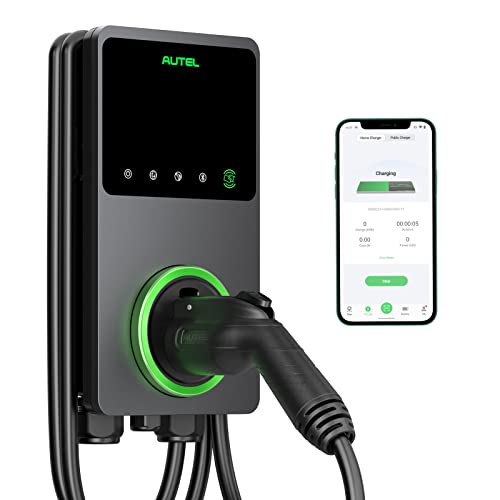
Autel 50A Level 2 EV Charger 25ft
More Details On Our Top Picks
Hardwired charging usually makes the most sense for drivers who want a clean, permanent garage setup, and this EMPORIA unit leans into that idea with a 48 amp output and a 25 foot cable. The J1772 connector keeps it broad on compatibility for many non-Tesla vehicles, while the WiFi feature gives you app-level control without adding clutter at the wall.
For a household with a long daily commute, the extra cable reach helps more than people expect, especially in a crowded garage where the car never parks in the same exact spot twice. The trade-off is installation complexity, since hardwiring tends to belong with a qualified electrician rather than a casual weekend project.
Strong Points
- 48 amp output supports brisk overnight top-offs.
- 25 foot cable gives you useful parking flexibility.
- J1772 fit works with many EVs sold in North America.
- WiFi control suits home energy monitoring routines.
Things To Consider
- Hardwired installation raises the setup bar.
- White housing can show scuffs in busier garages.
- The J1772 plug excludes Tesla-only convenience without an adapter.
Core Details
Who It Suits Best
Drivers who keep a J1772 EV at home and want a fixed garage charger with strong output will get the most from this pick.
A Better Fit Elsewhere
EVIQO Level 2 EV Charger NACS 40A NEMA 14-50 suits Tesla households that want a plug-in install instead of hardwiring.
This EVIQO model shifts the focus from hardwired permanence to plug-in convenience, and that matters in garages where you may want a simpler install with a NEMA 14-50 outlet. The NACS plug is the headline feature, since it aligns with Tesla-style charging ports and avoids adapter juggling for those vehicles.
For a Tesla household, that direct connection feels tidy and practical, especially in a garage shared with bikes, bins, or a second car. The catch is clear enough: non-NACS vehicles need an adapter, so mixed fleets have to think through compatibility before settling on this one.
What We Like
- Plug-in design keeps installation simpler.
- NACS connector fits Tesla-style charging ports directly.
- 40 amp output suits regular overnight charging needs.
- NEMA 14-50 format works with common outlet setups.
Points To Note
- Adapter needs come back for J1772 vehicles.
- 40 amp output sits below the higher-output hardwired picks here.
- Outlet placement matters more with a plug-in unit.
Who Should Grab It
Tesla drivers who want a straightforward plug-in home charger and already have a compatible outlet will find the fit natural.
Swap It Out When
ChargePoint HomeFlex Level 2 EV Charger Hardwired NACS makes more sense for households that want app-centric control and a permanent wall mount.
Compared with the 40 amp EVIQO, this hardwired version leans harder into speed and reach, which is exactly what you want from a more committed home setup. The 25 foot cable gives you room to park a little off-center, and the NACS plug keeps the direct Tesla-style connection in place.
For long-distance commuters, the extra output can shorten the window needed to recover range overnight, though the actual gain depends on the vehicle and charging limits. Hardwiring also means a more permanent install, so this is less about portability and more about a garage that’s built around one charging spot.
Highlights
- 48 amp output moves it above the 40 amp plug-in model.
- 25 foot cable helps in wider driveways or deeper garages.
- Hardwired format suits a clean fixed installation.
- NACS connection keeps Tesla charging direct and tidy.
- Works well for daily drivers with regular range recovery needs.
Minor Gripes
- Installation takes more planning than a plug-in unit.
- The long cable needs a neat storage habit to stay tidy.
- J1772 vehicles need an adapter for use here.
Built With In Mind
Tesla owners who want a fixed, higher-output garage charger with generous cable reach are the natural match.
Where A Sibling Pick Shines
EVIQO Level 2 EV Charger NACS 40A NEMA 14-50 suits shoppers who want easier plug-in installation over maximum output.
Where the first three picks split between NACS and J1772, this Autel lands in the middle with a J1772 connector, WiFi, and a NEMA 14-50 plug-in setup. That combination makes sense for mixed-vehicle garages that want app access without moving into a fully hardwired install.
The 25 foot cable adds breathing room, which helps in real driveways where the charging port may sit on the far side of the car. One thing worth considering is outlet placement, since plug-in units depend more on where the receptacle already lives.
Upsides
- J1772 connector fits many non-Tesla vehicles.
- WiFi support adds remote control convenience.
- 25 foot cable improves garage parking flexibility.
- Plug-in format avoids hardwired installation work.
Areas To Watch
- 40 amp output trails the stronger hardwired choices here.
- Outlet-based setup limits placement flexibility.
- Mixed-use garages may still need cable management habits.
Feature Snapshot
The Right Fit
Households with one or more J1772 vehicles and an existing NEMA 14-50 outlet will find the setup easy to place.
Look Elsewhere When
EMPORIA Level 2 EV Charger 48 Amp 25ft Cable makes more sense for drivers who want a hardwired wall station with stronger output.
ChargePoint’s name carries a lot of familiarity for home charging, and this HomeFlex version keeps the setup focused on a hardwired NACS connection. For Tesla households, that means a clean direct fit at the wall, with the app-based control layer doing more of the day-to-day work than the hardware itself.
That kind of setup suits garage owners who like a tidy wall station and want charging tied into routines, reminders, and connected home habits. The honest read is simple, though: you’re paying for polish and ecosystem depth, not just raw current on a spec sheet.
Bright Spots
- Hardwired format keeps the installation clean and fixed.
- NACS connector suits Tesla-style vehicles directly.
- App support helps with routine charging management.
- Brand familiarity can make long-term ownership feel steadier.
Softer Spots
- Hardwiring asks for a more committed install.
- Mixed-brand garages may need an adapter strategy.
- Its appeal leans more on ecosystem fit than raw simplicity.
Details At A Glance
Whose Shelf It Belongs On
Tesla owners who want a wall-mounted charger with connected controls and a polished ecosystem fit will get the most from it.
Another Choice May Suit
EVIQO Level 2 EV Charger NACS 40A NEMA 14-50 suits you better if you prefer a plug-in install over hardwiring.
This Autel sits at the high-output end of the list, and the 50 amp rating is the detail that matters most for owners who want more charging headroom. WiFi, Bluetooth, and a 25 foot cable round it out, so the package feels geared toward a fixed garage station rather than a bare-bones wall box.
For a J1772 vehicle that sees heavy daily use, that extra output can be a sensible upgrade, especially in homes where charging has to fit around school runs, errands, and one car leaving before the other. The trade-off is straightforward, because a higher-output charger only pays off when your electrical setup and vehicle support it.
Positives
- 50 amp output gives you the strongest spec in this group.
- Bluetooth joins WiFi for flexible control options.
- 25 foot cable helps in larger garages.
- J1772 connection keeps it broad for many non-Tesla EVs.
Small Caveats
- Higher output only helps when your vehicle can take it.
- Hardwired install adds electrical planning.
- Long cable storage deserves a tidy habit.
Feature Rundown
Made For
J1772 households with high daily driving demands and the electrical capacity for a stronger home station are the best match.
Reach For A Different Pick When
Autel 40A Level 2 EV Charger 25ft Cable makes more sense for mixed-vehicle homes that want a slightly simpler plug-in setup.
What Matters Most Before Choosing Level 2 Ev Chargers For Home
Power And Connector Fit
Start with the vehicle plug, then check output. NACS suits Tesla-style ports, while J1772 covers many other EVs, and that simple split keeps the rest of the decision much easier.
Installation Style
Plug-in chargers are easier to place around an existing outlet. Hardwired units feel cleaner and more permanent, though they usually belong with a proper electrical install.
Cable Length In Real Garages
A 25 foot cord sounds generous because it is. It helps when the charging port sits on the far side of the vehicle or the garage layout forces awkward parking.
A Quick Reality Check
Mistakes Worth Dodging
The most common miss is buying the wrong connector standard. Another is ignoring where the outlet or panel actually sits, which can make a good charger awkward in daily use.
What Separates Premium From Basic
Higher-tier models usually cost more because they bring stronger output, longer cables, app control, or a more permanent installation style. That upgrade makes sense for heavy commuters, while lighter drivers can stay comfortably in the middle.
Final Thoughts
Your best match comes down to plug type, install style, and how far the cable has to reach in your garage. The EMPORIA and Autel J1772 models suit broader non-Tesla ownership, while the EVIQO and ChargePoint NACS units make more sense for Tesla-style setups. Pick the charger that fits your car and your wall layout first, then let output and app features narrow the field.
