

A Group 65 Battery matters most when your vehicle asks for steady starts, clean fitment, and enough reserve for modern electronics. That’s especially true for daily commuters, weekend haulers, and drivers with start-stop systems or extra accessories. You want a battery that matches the tray, terminals, and power demand without turning replacement day into a guessing game. These eight picks lean toward that real-world fit, with a few stronger options for tougher use and a few simpler ones for narrower needs.
Quick Look at the Shortlist

MARXON Group 34 Car Battery AGM

Interstate Batteries Group 65 Pure Lead AGM
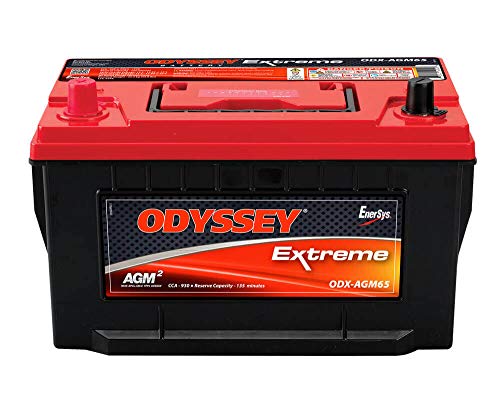
Odyssey ODX-AGM65 Extreme Series AGM Battery

Autocessking Group Size 65 AGM Car Battery

Daakmax Platinum AGM Group 65 Battery

OPTIMA 34/78 RedTop Sealed AGM Battery

AJC Compatible with Vision HP12-65W UPS Battery

Interstate Batteries Marine/RV Group 24 AGM
More Details On Our Top Picks
That smaller Group 34 footprint makes this MARXON a sensible fit for vehicles that need a tighter battery bay and maintenance-free AGM construction. The 55Ah capacity and 650 CCA give you a measured setup rather than an oversized one, which suits everyday commuting better than heavy accessory loads.
For a driver replacing a worn factory battery, the honest read is that this looks like a practical, straightforward choice. It should appeal most to shoppers who want standard starting power without moving up to a larger Group 65 case.
Strong Points
- AGM design suits sealed, low-maintenance ownership.
- Compact dimensions help with tighter battery trays.
- 650 CCA supports regular cold starts in ordinary use.
- Smaller case size can simplify replacement in compact vehicles.
Small Caveats
- Group 34 sizing makes it a poor match for drivers who need Group 65 fitment.
- The lower capacity is not the right lane for cars with lots of accessories.
- You’ll want to confirm terminal layout and tray clearance before ordering.
Feature Snapshot
Who It Suits Best
You’re the best match for this pick if your car uses Group 34 sizing and you want a simple AGM replacement for daily driving.
A Better Fit Elsewhere
Interstate Batteries Car Battery 12V 65Ah 770CCA Group 65 Pure Lead AGM fits better for drivers who need the larger Group 65 format and stronger reserve.
This Interstate model is the cleanest all-around Group 65 call in the list because it combines 12V, 65Ah, and 770 CCA in a familiar size. That mix helps in vehicles with accessories, short-trip driving, or stop-start use that asks more from the battery than a basic commuter setup.
Compared with the MARXON Group 34, this one gives you the larger case family and a stronger reserve for a fuller electrical load. It’s the kind of pick that feels easy to live with, though you still need to verify tray space and terminal orientation before you move ahead.
What We Like
- Group 65 sizing suits a broad set of vehicles that call for this format.
- 770 CCA gives you solid starting muscle for cold mornings.
- Pure lead AGM construction is a good match for modern accessory-heavy driving.
- 65Ah capacity supports regular use without feeling undersized.
- The familiar Interstate name may reassure drivers who want a mainstream replacement path.
Areas To Watch
- Pure lead AGM batteries often sit at a higher tier than basic replacements.
- You still need a close fit check, since Group 65 bays can vary.
- For simple low-demand cars, the extra output may be more than you need.
Details At A Glance
Who Will Love This
This suits daily drivers, commuters with added electronics, and anyone replacing a factory Group 65 battery with a stronger AGM option.
Another Choice May Suit
Odyssey Battery ODX-AGM65 Extreme Series AGM Battery is the better fit for tougher-duty use where a more performance-focused build matters.
Odyssey tends to stand apart for drivers who put a battery through harder service, not just weekend errands. The brand leans on pure virgin lead plates, which usually means more active surface area and a stronger power delivery profile than a typical alloy-plate build.
That makes sense for vehicles loaded with electronics or used in harsher conditions, where repeat starts matter more than light-duty convenience. It does ask you to pay for that stronger design, so it’s best for someone who will actually use the extra headroom rather than just admire it.
Highlights
- Pure virgin lead construction points to a more serious internal build.
- The design is aimed at heavier electrical demand and repeated starts.
- It suits drivers who want a battery that leans toward performance use.
- Useful for vehicles that spend time in tougher weather or rougher service.
Worth Noting
- It’s a stronger-matching option for demanding use, not basic commuting.
- The higher-tier build can be more battery than a simple replacement needs.
- You may prefer a mainstream Group 65 model for an everyday family sedan.
Core Details
Whose Shelf It Belongs On
This belongs with drivers of trucks, performance builds, or accessory-heavy vehicles that need a tougher battery than average.
Swap It Out When
Interstate Batteries Car Battery 12V 65Ah 770CCA Group 65 Pure Lead AGM is the calmer choice for standard daily use and a more familiar mainstream fit.
Autocessking gives you the sort of spec sheet that makes sense for start-stop vehicles, with 70Ah, 750 CCA, and 120 RC in the Group 65 format. RC, or reserve capacity, tells you how long the battery can keep a vehicle’s electrical needs going under load, so that extra figure matters in traffic-heavy routines.
Compared with the Interstate Group 65, this one pushes a little harder on paper and adds a stated 36-month warranty. It can be a smart fit for drivers who want a little more breathing room, though the larger dimensions mean you should check the tray carefully before assuming a swap is easy.
Bright Spots
- 70Ah capacity gives you a solid energy reserve.
- 750 CCA supports strong starting performance in cold weather.
- 120 RC helps in stop-and-go driving with more electrical demand.
- Designed for start-stop use, which fits many newer vehicles.
- The terminal layout is spelled out clearly for fit checking.
Points To Note
- The 12.05 x 7.56 x 7.56 inch size needs careful tray comparison.
- Left-positive, right-negative terminal placement must match your vehicle.
- Start-stop batteries can be the wrong choice for very simple older cars.
Quick Facts
Who Should Grab It
This is a strong match for newer vehicles with start-stop systems, especially where accessories and short trips are part of daily life.
Where A Sibling Pick Shines
MARXON Group 34 Car Battery AGM is the simpler route for smaller battery bays and lighter-duty replacements.
Daakmax aims at the same Group 65 crowd as the Autocessking pick, but it leans into the platinum AGM framing and the same 70Ah, 750 CCA, 120 RC profile. That puts it in a strong position for vehicles with start-stop operation and a bit more electrical demand than a bare-bones sedan.
The trade-off shows up in fitment diligence, since the dimensions and tapered terminals need to line up with your original battery setup. The honest read is that this is a sensible upgrade path for someone replacing a higher-demand battery, not a casual pick for a low-use spare car.
Reasons To Buy
- Group 65 format keeps it in a common replacement class.
- 70Ah capacity gives you solid reserve for day-to-day use.
- 750 CCA supports confident starts in cold or damp conditions.
- 120 RC is useful for vehicles that sit in traffic or idle with accessories on.
Softer Spots
- Fit depends on matching the 12.05 x 7.56 x 7.56 inch footprint.
- Tapered terminals mean you’ll want to match polarity carefully.
- It’s more battery than a simple low-draw commuter may need.
Technical Sheet
Best Suited To
You’ll like this most if your vehicle already calls for a Group 65 AGM battery with start-stop support and a more capable electrical reserve.
Look Elsewhere When
Interstate Batteries Marine/RV Battery 12V 70Ah 750CCA Group 24 AGM fits better for marine and RV owners who need dual-purpose use instead of a road-car replacement.
OPTIMA’s RedTop line is aimed squarely at starting power, and the 800 CCA rating makes that clear right away. Dual SAE and GM terminals are a nice practical touch, because they can help reduce the chance of a connector mismatch in vehicles that accept either style.
Compared with the more ordinary Group 65 picks, this one feels more at home in trucks, SUVs, and hot-rod-style builds where start strength matters a lot. It is maintenance-free, though the trade-off is that you should value its starting focus more than long reserve-style use.
Best Bits
- 800 CCA gives you strong starting muscle.
- Dual terminal layout broadens compatibility in many vehicles.
- Sealed AGM construction supports cleaner ownership.
- Useful for trucks, SUVs, and performance-minded setups.
Minor Gripes
- The focus is on starting power more than deep accessory support.
- Some drivers may not need this much output for routine commuting.
- Fit still needs checking because the 34/78 format is not the same as Group 65.
At A Glance
Right Fit For
This suits drivers of trucks, SUVs, and performance vehicles who care more about starting force than broad all-day reserve.
Another Choice May Suit
Interstate Batteries Car Battery 12V 65Ah 770CCA Group 65 Pure Lead AGM is the better match for a standard Group 65 swap with a more familiar fit class.
This AJC battery serves a very different role from the vehicle starters above, because it’s meant for a UPS, or uninterruptible power supply. In plain terms, that means backup power for equipment that needs a smooth handoff during outages, which is a very different job from cranking a car engine.
The 12V, 10Ah format and F2 terminals make it a focused replacement choice for compatible backup units. That narrow fit is the point, really, and it helps a home office or small equipment setup stay tidy rather than oversized.
Upsides
- Designed for UPS use rather than general vehicle replacement.
- Compact 10Ah capacity suits backup systems with limited space.
- F2 terminals are common in many smaller power backup devices.
- Good fit for desk-side or closet-based equipment layouts.
Room For Improvement
- It is not a car battery, so it does not belong in a vehicle starter role.
- You’ll want to match terminal style and battery dimensions closely.
- Best results depend on matching the original UPS model requirements.
Feature Card
Built With In Mind
You’re the right match for this one if your UPS uses a 12V 10Ah battery with F2 terminals and you want a direct replacement path.
Reach For A Different Pick When
Interstate Batteries Car Battery 12V 65Ah 770CCA Group 65 Pure Lead AGM is the relevant option for anyone replacing a vehicle starter battery instead of backup gear.
Interstate’s Group 24 AGM is built for dual-purpose marine and RV work, so it can handle starting the motor and keeping accessories going afterward. That makes it a strong choice for campers and boat owners who want one battery to carry more than one job.
Compared with the road-focused Group 65 options, this one belongs in a different lane entirely. The dual-purpose layout is useful, though you still need to match your boat or RV’s tray size and terminal setup before assuming it’s the right swap.
Positives
- Dual-purpose design supports both cranking and accessory power.
- 70Ah capacity gives you respectable reserve for marine and RV use.
- 750 CCA helps with starting duty.
- AGM construction suits owners who prefer a more contained battery style.
- Interstate branding may feel familiar for replacement planning.
Things To Consider
- Group 24 sizing is for marine and RV setups, not typical car swaps.
- Dual-purpose use can mean compromise versus a dedicated starter battery.
- You’ll want to check hold-down space and terminal orientation carefully.
Key Specs
The Right Fit
This is a smart match for marine and RV owners who want one AGM battery to handle both starting and accessory demands.
Where Another Pick Suits Better
Interstate Batteries Car Battery 12V 65Ah 770CCA Group 65 Pure Lead AGM suits drivers who need a road vehicle replacement rather than a marine or RV battery.
How To Choose The Right Group 65 Battery
Fit Comes First
Group 65 is a physical size class, so tray dimensions, hold-down style, and terminal placement matter before anything else. A battery with strong specs still fails the job if it doesn’t sit correctly in the bay or the posts land on the wrong side. That’s why you should compare your old battery’s measurements with the replacement listing, not just the amp figures. In a modern sedan with tight packaging, a clean fit saves more hassle than extra capacity you can’t use.
Match The Battery To Your Driving Pattern
City commuters who make short trips often benefit from AGM batteries because they hold up well to repeated starts and accessory use. AGM, or absorbed glass mat, means the electrolyte is held in a fibrous separator rather than sloshing around in a flooded design, which helps keep ownership simpler. Long highway drivers may not need the same reserve capacity as a vehicle stuck in traffic with the blower, screen, and lights running. The right call depends on your routine, not just the badge on the case.
Pay Attention To Cranking And Reserve
Cold cranking amps, or CCA, tell you how much starting force the battery can deliver in cold conditions. Reserve capacity, or RC, shows how long it can keep supporting the vehicle’s electrical system under load, which matters in start-stop driving and accessory-heavy setups. A battery with higher CCA and RC usually costs more, but that extra margin can feel worth it in winter or for vehicles with lots of electronics. For a simple weekend car, you may not need that much headroom.
AGM Quality Isn’t All The Same
Two AGM batteries can look similar on paper and still suit very different jobs. A pure lead design, like the Interstate Group 65, often points to a more premium internal build, while a smaller or lighter-duty AGM can fit everyday replacement needs just fine. The trade-off is usually price versus how much electrical stress the battery is built to handle over time. That’s the kind of detail worth matching to your actual vehicle use, not a wish list.
What To Weigh Before You Click
Common Shopping Slip Ups
One of the easiest mistakes is choosing by CCA alone and forgetting the physical fit. Another is buying a start-stop battery for a car that never needed one, which adds cost without much return. You also want to watch terminal style, since a left-positive layout won’t suit every vehicle. A quick look at your old battery’s label and tray shape avoids most of the frustration.
The Upgrade Payoff
Higher-tier Group 65 batteries usually cost more because of stronger internal materials, better reserve, and a build meant for repeated cycling. That matters in vehicles with lots of accessories, frequent short drives, or stop-start systems that ask more from the battery day after day. The upgrade can feel unnecessary in a lightly used sedan, though, so the extra spend only makes sense when the vehicle will actually lean on it. Think of it as paying for headroom, not just a nameplate.
Closing Thoughts
A good Group 65 Battery should feel like a fit, not a gamble. The strongest choices here split into two lanes, everyday replacements with solid AGM manners and tougher models for heavier electrical demand. For most drivers, the safest path is simple, check the tray, check the terminals, then match the battery to the way you actually drive. That keeps the replacement smooth and the second-guessing short.
