

Group 65 fitment can feel fussy until you line up the right reserve, cranking strength, and vehicle match. You’re probably here because a daily driver, truck, SUV, or accessory-heavy setup needs a battery that starts cleanly and holds up to real use. The picks below focus on familiar AGM options, a couple of value-minded lead-acid choices, and a few modern alternatives for specialized setups.
Quick Look At Our Shortlist

ACDelco Gold 65XAGM (88866068) AGM Group 65 Battery

ACDelco Gold 94RAGM (88864542) AGM Group 94R Battery
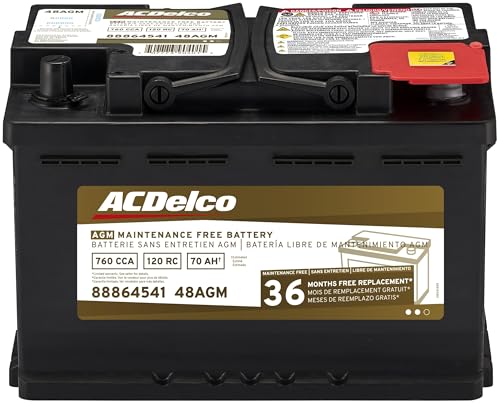
ACDelco Gold 48AGM (88864541) AGM Group 48 Battery

12V 100Ah LiFePO4 Battery, Group 24 Deep Cycle RV/Trolling Motor Battery

Interstate Batteries Group 65 Car Battery Replacement (MTP-65HD) 12V 850 CCA

Interstate Batteries Group 65 Car Battery Replacement (M-65) 12V 650 CCA

Odyssey Battery ODP-AGM65 Performance Series AGM Battery

48V 100Ah Lithium Golf Cart Battery 200A BMS Upgrade Kit

12V 50Ah Group Size 24F Sodium Ion Car Battery 850CCA
More Details On Our Top Picks
ACDelco’s 65XAGM sits in the familiar AGM lane, so it makes sense for a car that sees regular commuting, school runs, and stop-and-go traffic. AGM means absorbed glass mat, a design that keeps the electrolyte held in place instead of sloshing around, which suits vehicles that want steadier electrical support.
The longer warranty window adds peace of mind, and that matters more than it sounds in a daily driver that doesn’t sit idle very often. The trade-off is straightforward, this is a conventional replacement battery rather than a flashy upgrade, so you’re paying for fit confidence and a known format rather than extra tech.
Strong Points
- AGM construction fits modern daily driving well.
- Longer coverage period helps reduce replacement anxiety.
- Good match for drivers who want a familiar swap.
- Sealed construction suits routine under-hood use.
Worth Noting
- It’s still a standard replacement battery, not a specialty power pack.
- Fitment checking matters, since Group 65 size alone is not the whole story.
- Performance depends on your vehicle’s charging system, as with any AGM unit.
Feature Snapshot
Who It Suits Best
You’ll get the most from this pick in a mainstream car or SUV that already calls for Group 65 AGM power and sees steady road use.
Where A Sibling Pick Shines
Interstate Batteries Group 65 Car Battery Replacement (MTP-65HD) 12V 850 CCA is the stronger fit for heavier starts and owners who want a more forceful cranking profile.
Group 94R fitment usually points to vehicles with more exacting electrical needs, and this ACDelco AGM option leans into that use case. AGM, or absorbed glass mat, is the sealed style many start-stop vehicles depend on because it handles repeated charging and discharging better than a basic flooded battery.
The shorter warranty than the 65XAGM makes the value picture a little different, so this one feels more like a fit-first choice than a long-coverage buy. For owners dealing with a stop-start commute, that can still be the right trade, especially where the vehicle manual already calls for this size and battery type.
What We Like
- Built around AGM needs common in start-stop vehicles.
- Sealed design keeps routine ownership simple.
- Works well for cars that demand Group 94R sizing.
- Charge-receptive behavior suits frequent engine cycling.
Small Caveats
- Coverage is shorter than the 65XAGM’s window.
- Fitment is more specific, so confirming tray and terminal layout matters.
- It’s aimed at a narrower vehicle set than the Group 65 choices.
Core Details
Who Should Grab It
You’ll appreciate this most in a vehicle that explicitly calls for Group 94R AGM power and sees repeated short trips or stop-start traffic.
Swap It Out When
ACDelco Gold 65XAGM (88866068) AGM Group 65 Battery is the easier match for cars that use the more common Group 65 layout.
This Group 48 option lands a little smaller in the fitment world, which helps in vehicles where space is tighter but AGM support still matters. Like the 94RAGM, it uses the absorbent-glass-mat layout, so it’s aimed at stable electrical service rather than a basic economy replacement.
The mix of AGM design and a 36-month warranty makes it a sensible middle ground for compact-to-mid-size vehicles. The honest read is that fitment checking matters even more here, because a well-matched battery is helpful and a near-match is just annoying.
Highlights
- Compact Group 48 fit suits smaller battery trays.
- AGM design works well for modern vehicles with higher electrical demand.
- Warranty length gives decent ownership coverage.
- Good option for a tidy, no-drama replacement.
Areas To Watch
- Not every car that looks close will actually fit.
- Group 48 is less universal than Group 65.
- You’ll want to confirm the terminal side and dimensions before ordering.
At A Glance
Whose Shelf It Belongs On
You should look at this one for a car that needs Group 48 AGM sizing and doesn’t have room to spare under the hood.
Another Choice May Suit
ACDelco Gold 65XAGM (88866068) AGM Group 65 Battery is the easier route for vehicles already built around the larger Group 65 format.
This LiFePO4 pack is a different animal from the ACDelco and Interstate starting batteries, because it’s built for deep-cycle energy storage rather than quick engine starts. LiFePO4 means lithium iron phosphate, a chemistry commonly chosen for RV house systems, trolling motors, and solar storage because it’s designed around repeated discharge and recharge.
The 100Ah capacity and 1280Wh energy figure give you a clearer sense of runtime than a simple starting battery does, especially in a camper or marine setup. The trade-off is that you’re buying into a system battery, not a direct swap for a regular car starter, so it rewards a planned installation more than a casual replacement.
Reasons To Buy
- Deep-cycle design suits RV, marine, and off-grid use.
- 100Ah capacity gives room for longer accessory runtimes.
- 100A BMS adds orderly control for demanding setups.
- Expandable wiring support helps in larger power systems.
- Low-temperature cutoff is useful for colder storage spaces.
Points To Note
- It’s not a normal engine-start replacement for most cars.
- Installation planning matters more than with a standard automotive battery.
- System expansion is useful, but it also adds complexity.
Technical Sheet
Built With In Mind
You’ll get the most from this pick in an RV, trolling-motor rig, or cabin-style power setup that needs a deep-cycle battery rather than a starter battery.
Look Elsewhere When
Odyssey Battery ODP-AGM65 Performance Series AGM Battery makes more sense for vehicle systems that still need a conventional automotive battery with a Group 65 fit.
Interstate’s MTP-65HD is the kind of battery you notice most on cold mornings or in larger vehicles that ask for a firmer cranking hit. The 850 CCA figure, or cold cranking amps, matters because it points to how much starting punch the battery can deliver in low temperatures.
This one feels especially well suited to trucks, SUVs, and cargo vans that carry extra electrical load or see heavier use. The trade-off is that you should expect a more traditional flooded-battery ownership path, so venting, mounting, and fitment deserve the usual attention.
Bright Spots
- 850 CCA gives strong starting confidence in cold weather.
- Fits a broad set of larger vehicles that use Group 65.
- Matches well with trucks and work-focused driving.
- Reserve capacity is useful for stop-and-go conditions.
Worth Noting
- Flooded batteries need a bit more care than sealed AGM designs.
- Weight and physical size can matter during installation.
- You’ll still want to verify the vehicle’s exact fit requirements.
Details At A Glance
Made For
You should look at this Interstate battery for a truck, SUV, or work vehicle that needs dependable Group 65 starting power with a stronger cranking rating.
Where A Sibling Pick Shines
Interstate Batteries Group 65 Car Battery Replacement (M-65) 12V 650 CCA fits better for lighter duty use and shoppers who care more about price control than maximum starting force.
The M-65 trims things back in a way that makes sense for everyday commuting and basic family use. Compared with the MTP-65HD, it gives up some starting muscle, but that lower-output profile can be plenty for a vehicle that doesn’t see punishing weather or heavy accessory demand.
Interstate positions this as a value-minded Group 65 replacement, and that comes through in the simpler spec set. You may find it especially appealing in a standard sedan or crossover where dependable function matters more than a big reserve cushion.
Plus Points
- Simple replacement path for common Group 65 vehicles.
- 650 CCA suits milder climates and ordinary commuting.
- Good fit for shoppers who want a familiar brand name.
- Reserve capacity still gives useful backup for accessories.
Minor Gripes
- Lower cranking output makes it less suited to harsh winters.
- It’s a more basic choice than the MTP-65HD.
- For demanding electrical loads, a stronger battery may feel calmer.
Feature Rundown
Best Suited To
You’ll likely be happiest with this battery in a typical commuter car or SUV that wants a straightforward Group 65 replacement without extra complexity.
Reach For A Different Pick When
Interstate Batteries Group 65 Car Battery Replacement (MTP-65HD) 12V 850 CCA suits colder climates and heavier vehicles more comfortably.
Odyssey’s ODP-AGM65 leans toward rigs that ask a battery to do more than just crank an engine once in the morning. The AGM build gives it the sealed, absorbed-glass-mat structure that suits vehicles with extra onboard accessories, and that usually means steadier support for lights, electronics, and short cycling.
Compared with the ACDelco Group 65 AGM options, this one feels more performance-oriented than purely mainstream. The trade-off is that it may be more battery than a simple commuter car needs, so the value comes through best in demanding use rather than plain errands.
Best Bits
- AGM design handles accessory-heavy use well.
- Built for longer service life and repeated cycling.
- Good fit for drivers who keep many electrical loads running.
- Sealed format reduces everyday maintenance concerns.
Honest Caveats
- More battery than many basic commuters really need.
- Performance-focused design can be overkill in light-duty use.
- Fitment still needs confirmation, even with the right group size.
Key Specs
The Right Fit
You’ll get the most out of this battery in a vehicle with accessories, frequent starts, and a driver who wants stronger reserve behavior.
Where A Sibling Pick Shines
ACDelco Gold 65XAGM (88866068) AGM Group 65 Battery is the simpler everyday match for a more ordinary commuter setup.
This MEYULMOL kit moves far beyond the usual Group 65 conversation, because it’s aimed at golf carts and other 48V systems rather than standard cars. The included charger, Bluetooth app, and LCD display make ownership easier to monitor, which is useful when you want a complete upgrade path instead of piecing together parts later.
For cart owners who care about runtime and system visibility, the package is appealing, and the 200A BMS adds more control for higher-demand setups. The catch is that it belongs in the right electrical system, so it’s a niche pick rather than a universal battery option.
Standout Traits
- Complete kit simplifies a cart upgrade.
- Bluetooth and display support easier day-to-day monitoring.
- Large 48V format suits golf cart systems.
- 200A BMS helps manage stronger load demands.
Things To Consider
- It’s not meant for standard 12V car replacement use.
- The full kit makes sense only in a compatible cart setup.
- System planning matters more than it does with simple starter batteries.
Feature Card
Who Will Love This
You’ll appreciate this most as a golf cart owner planning a full-system switch to lithium power with monitoring built in.
Not Your Match When
Interstate Batteries Group 65 Car Battery Replacement (MTP-65HD) 12V 850 CCA is the better fit for a truck, SUV, or car that still needs a conventional starter battery.
Napow’s sodium-ion battery stands out because it brings a newer chemistry into a familiar 12V automotive shape. Sodium-ion refers to a different energy-storage chemistry from lead-acid or lithium, and that can matter for drivers who want something unusual for car, RV, or marine use.
The 850 CCA rating and IP65 protection give it a practical edge on paper for demanding starts and weather exposure, though the real fit still depends on your vehicle and charging setup. You may find it especially interesting as a specialty choice rather than a first-stop replacement for a standard daily driver.
Upsides
- 850 CCA gives it a strong starting figure.
- Group 24F sizing suits some cars and light-duty vehicles.
- IP65 rating supports use in harsher outdoor conditions.
- Sodium-ion chemistry offers a different path from lead-acid or lithium.
Room For Improvement
- It’s a niche format, so fitment checks matter a lot.
- Newer chemistry may feel less familiar than AGM.
- Most mainstream cars will still be better served by a conventional Group 65 match.
Quick Facts
Who Should Grab It
You should look at this for a car, RV, or marine setup where you want a newer battery chemistry and a compact 12V package.
A Better Fit Elsewhere
ACDelco Gold 65XAGM (88866068) AGM Group 65 Battery is the safer mainstream choice for a vehicle that simply needs a standard Group 65 replacement.
How To Choose The Right Group 65 Batteries
Match the battery to the vehicle first
Group size gets you in the ballpark, but the terminal layout, height, and hold-down style still decide whether the battery actually fits cleanly. That’s why a Group 65 battery for a truck is not automatically right for every SUV with a similar tray. Start with the owner manual or the current battery label, then compare the replacement’s physical format, chemistry, and starting rating.
AGM, or absorbed glass mat, is a sealed lead-acid design that usually suits modern vehicles with stop-start behavior or extra electronics. Flooded batteries remain common for straightforward starting jobs, while lithium and sodium-ion belong in more specialized setups. The chemistry matters because it tells you what kind of use the battery was built for, not just what box it fits in.
Think about starting demand and weather
Cold cranking amps, or CCA, measure how much starting power a battery can deliver in cold conditions. A higher CCA figure helps in winter, in larger engines, and in vehicles with heavy electrical loads at startup. That does not mean a high CCA battery is always better, because some daily commuters simply won’t use that extra headroom.
Reserve capacity is the other number worth watching, especially for vehicles that sit in traffic, power accessories at idle, or need a little backup during short charging windows. More reserve can feel like a cushion, while less reserve may be fine for lighter use. The right balance usually depends on how you drive, not just how the battery looks on paper.
Choose by use case, not by habit
A commuter car, a work truck, and a golf cart each ask for a different kind of battery behavior. Starting batteries focus on ignition, while deep-cycle batteries are built for repeated discharge and recharge, which is why the LiFePO4 and golf cart entries here live in a different lane. That distinction saves you from buying an impressive spec sheet that doesn’t suit the vehicle.
For routine road use, ACDelco’s AGM options and Interstate’s Group 65 batteries make the most sense. For RV storage, marine accessories, or cart conversions, the lithium and specialty picks become more relevant. You save time and hassle when you buy for the electrical job you actually have, not the one that sounds strongest.
A Quick Reality Check Before You Decide
Common Shopping Slip Ups
A common mistake is assuming every Group 65 battery is interchangeable. The group number helps, but it does not replace a full fit check for terminal position, tray clearance, and vehicle requirements. Another frequent miss is choosing by cranking power alone and ignoring reserve capacity or chemistry.
Another trap is picking a battery that suits the weather but not the driving pattern. A winter commuter may need the stronger Interstate MTP-65HD, while a mild-climate daily driver can be fine with a less aggressive spec. Match the battery to the life you live, and the choice gets much easier.
What The Higher Tier Buys
Higher-tier batteries often cost more because of AGM construction, stronger cycling capability, or more advanced chemistry like LiFePO4 and sodium-ion. That extra spend usually buys better tolerance for repeated starts, accessory load, or deeper discharge behavior. In plain terms, the battery is doing more work without feeling as strained.
The upgrade is worth it when your vehicle asks for it, especially in start-stop systems, marine setups, or RV power storage. For a basic commuter in fair weather, the premium can be more than you need. The smartest move is paying for the job in front of you, not the largest number on the page.
Final Thoughts
You’ve got a solid spread here, from familiar AGM replacements to deeper-cycle and specialty options that fit more unusual jobs. For most cars and trucks, the ACDelco and Interstate choices make the shortlist simple, while the lithium, golf cart, and sodium-ion picks serve narrower needs. Once you match group size, chemistry, and cranking demand to the vehicle, the rest gets much less stressful. A careful fit check now saves a lot of annoyance later, and that’s the part worth slowing down for.
