

A Group 48 Battery matters most when your vehicle needs a clean fit, steady starting power, and enough reserve for modern electronics. Daily commuters, start-stop drivers, and anyone replacing an aging battery in a tight engine bay will care about dimensions, terminal layout, and AGM versus lithium design. The wrong match turns a routine swap into a headache, while the right one feels almost invisible after installation.
Quick Look at the Shortlist
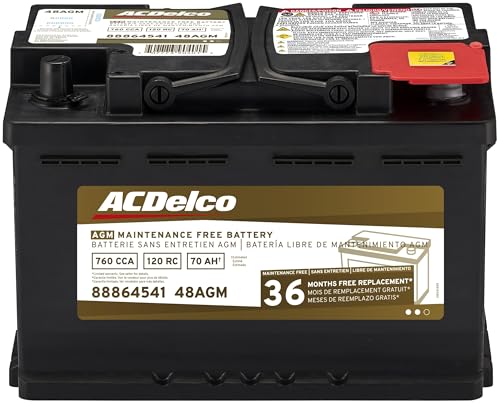
ACDelco Gold 48AGM 36 Month Warranty

MARXON Group 48 H6 L3 Car Battery

Goodyear 48-H6-AGM BCI Group Size 48

Autocessking Group Size 48 Start and Stop AGM

Lipower Group 24/ Group 24F Car Battery
Group48 LiFePO4 Lithium-ion Car Battery

Group 48 AGM Start-Stop Car Battery

XSPower D4800 12V AGM Battery

Weize Platinum AGM Battery BCI Group 48-12v 70ah
More Details On Our Top Picks
ACDelco’s AGM layout makes sense for drivers who want a familiar replacement path rather than a wild leap in chemistry or sizing. AGM, short for absorbed glass mat, means the electrolyte sits in the separator material instead of sloshing around, which helps with spill resistance and day-to-day stability. That’s a real comfort in stop-start traffic or a vehicle that sits for stretches between errands.
The trade-off is plain enough, you’re paying for a more specialized battery than a basic flooded unit, so it suits a vehicle that actually calls for this format. Compared with the more aggressive output focus of XSPower D4800 later in this list, ACDelco feels like the calmer choice for standard replacement duty. For a commuter or family car that values fit confidence and steady behavior, that’s usually the safer lane.
Strong Points
- AGM construction supports modern start-stop driving.
- Spill-resistant design suits tight engine bays.
- 36-month coverage gives the listing some staying power.
- Brand familiarity can make replacement decisions easier.
Points To Note
- AGM replacements usually cost more than basic flooded batteries.
- You’ll still want to confirm fit before ordering, because Group 48 sizing has to line up with your tray and terminals.
- It’s better suited to ordinary replacement use than heavy audio or accessory loads.
Feature Snapshot
Who It Suits Best
You’re a good fit for this one if your vehicle already specifies Group 48 and you want an AGM swap that behaves like a steady, familiar replacement rather than a specialty upgrade.
Where A Sibling Pick Shines
Goodyear 48-H6-AGM BCI Group Size 48 suits you better if you want a longer reserve-capacity emphasis for cars that keep accessories running while parked or idling.
MARXON keeps the formula direct, 12V, 70Ah, 760 CCA, and a Group 48 H6 L3 footprint that suits common start-stop replacements. CCA, or cold cranking amps, tells you how much starting force the battery can send out in low temperatures, so that number matters more than flashy claims. In a daily driver, that often translates to easier mornings and fewer second guesses at the key.
Compared with the ACDelco pick, this one leans more into spec transparency than brand familiarity. The honest read is that it’s a straightforward option for commuters who want the size and output numbers spelled out clearly, though you still need to verify the physical fit. That 10.95 x 6.89 x 7.48 inch footprint helps, because a snug battery tray leaves little room for guessing.
What We Like
- 70Ah capacity gives you a solid reserve for typical driving.
- 760 CCA is well suited to cold starts in many climates.
- Maintenance-free AGM design reduces upkeep concerns.
- Published dimensions make fit checks easier before ordering.
Softer Spots
- The listing leans on specs, so you’ll want to compare your original battery carefully.
- AGM batteries are rarely the lightest or least costly route.
- It’s a better match for ordinary commuting than for accessory-heavy builds.
Core Details
Made For
You’re in the sweet spot here if your vehicle calls for a Group 48 AGM battery and you want a clear, no-nonsense replacement with the essential numbers up front.
A Better Fit Elsewhere
Weize Platinum AGM Battery BCI Group 48-12v 70ah suits you better if you prefer a more clearly rounded replacement with a 120RC reserve figure on the listing.
Goodyear’s pitch makes reserve capacity the star, and that matters more than many shoppers expect. Reserve capacity, or RC, is the amount of time a battery can keep supporting a vehicle’s electrical needs before it’s drained under set conditions, so a 120RC listing hints at better endurance for accessory use. That’s useful in traffic, on short stopovers, or anywhere the vehicle keeps asking for more than just a quick crank.
Compared with MARXON’s more direct replacement angle, this one feels better suited to drivers who want a little more breathing room from the battery between starts. The multiple-mounting note also adds flexibility, though you still must avoid upside-down installation. For trucks, sedans with extra electronics, or anyone who dislikes a battery that feels thin on reserve, it’s a sensible step up.
Highlights
- 120RC gives the battery a stronger reserve story.
- 760 CCA keeps cold starts in the conversation.
- Multiple mounting positions add installation flexibility.
- AGM construction suits modern start-stop vehicles.
- The listing’s replacement coverage language is unusually clear.
Small Caveats
- You’ll still need to confirm your tray can handle the Group 48 footprint.
- Mounting flexibility does not mean every orientation works.
- It may be more battery than a plain commuter car strictly needs.
At A Glance
Right Fit For
You’re a strong match for this battery if your vehicle uses a Group 48 case and you want extra reserve capacity for longer idle periods or heavier electrical use.
Swap It Out When
Autocessking Group Size 48 Start and Stop AGM Automotive Battery is the cleaner fit for a straight-ahead replacement if you care more about a basic AGM swap than reserve capacity extras.
Autocessking keeps the message simple, a 70Ah AGM battery with 760 CCA and 120RC for vehicles built around Group 48. The AGM format helps keep acid absorbed inside the mat structure, which is why people shopping for a cleaner maintenance profile often gravitate to this style. In stop-start commuting, that kind of steady behavior matters more than flashy branding.
Compared with Goodyear’s more reserve-focused angle, this one reads like a straightforward daily-driver replacement with fewer moving parts in the decision. The honest read is that it’s useful for someone who wants the battery job to stay boring, and boring is good here. Just make sure the tray and terminals line up before you pull the trigger, because fit problems are the easiest way to turn a simple swap into a long afternoon.
Bright Spots
- 70Ah capacity fits many common replacement needs.
- 760 CCA supports everyday starting demands.
- 120RC adds a useful reserve measure for real-world driving.
- AGM construction suits vehicles that see regular stop-start use.
Things To Consider
- The battery still needs careful fit verification before ordering.
- AGM replacement usually makes more sense than flooded battery swaps for vehicles that already call for AGM.
- It looks geared more toward routine driving than heavy accessory loads.
Feature Rundown
The Right Fit
You’ll likely appreciate this one most in a daily commuter or family vehicle that already specifies a Group 48 AGM battery and does not need a specialty power setup.
Look Elsewhere When
XSPower D4800 12V AGM Battery suits you better if your vehicle also carries larger audio or accessory loads and you need a battery with a stronger power-output story.
Lipower stands apart because it leaves the familiar AGM lane and moves into a solid-state battery format. Solid-state batteries use a different internal architecture than liquid or absorbed-electrolyte designs, and that’s part of why this one comes with a very high 1200A cranking figure, a 140RC rating, and a 768Wh energy figure. For cold mornings or a vehicle that sees serious electrical demand, the spec sheet is hard to ignore.
The trade-off is that you’re no longer shopping for a plain like-for-like AGM replacement, so fit and application matter even more than usual. Compared with the more conventional picks earlier in the list, this is the one that feels most like a deliberate upgrade rather than a swap. You may find that extra capability worthwhile in harsher climates or in vehicles where cranking confidence matters every single day.
Reasons To Buy
- 1200A cranking output is far above the standard AGM crowd here.
- 140RC suggests strong reserve for real-world driving demands.
- Group 24 and 24F compatibility widens the fit range.
- Solid-state construction makes it the most modern-feeling option in this roundup.
Areas To Watch
- You must confirm that your vehicle actually uses Group 24 or 24F sizing.
- This is a more specialized choice than the conventional AGM batteries in the rest of the list.
- It may be more battery than many everyday commuters really need.
Details At A Glance
Whose Shelf It Belongs On
You’re the right fit for this battery if your vehicle uses Group 24 or 24F and you want a higher-output replacement with serious cold-start headroom.
Another Choice May Suit
MARXON Group 48 H6 L3 Car Battery is the simpler path if your vehicle actually takes Group 48 and you want a more standard AGM replacement instead of a format shift.
TPE’s LiFePO4 battery is the lightest-feeling idea in the whole lineup, and that matters more than it sounds. Lithium iron phosphate, often shortened to LiFePO4, usually brings a lighter case, no acid to top off, and a ready-to-install feel, while this listing also gives you 12.8V, 60Ah, and a strong cranking figure. For installs where weight or handling is a real concern, that changes the conversation fast.
The catch is fit and chemistry compatibility, because a lithium replacement is not the same kind of swap as an AGM drop-in. Compared with the AGMs in this list, it’s the most niche choice, but also the one with the clearest appeal for weight-conscious setups and custom-minded vehicles. In a daily driver that was built for conventional lead-acid sizing, the sensible move is to double-check everything twice.
Best Bits
- Very light at 16.09 lb, which makes handling easier.
- 12.8V and 60Ah fit the battery into a modern lithium profile.
- High starting output suits vehicles that need fast engagement.
- Ready-to-install design trims setup fuss.
Room For Improvement
- Lithium compatibility deserves careful checking before any order.
- It’s less of a universal replacement than the AGM batteries in this roundup.
- Group 24 and 24F shoppers may find the format choice more specialized than expected.
Technical Sheet
Built With In Mind
You’re the best match for this one if you want a lighter lithium battery and your vehicle setup already supports that chemistry and Group48 fit.
Where A Sibling Pick Shines
Weize Platinum AGM Battery BCI Group 48-12v 70ah suits you better if you want the familiar AGM route with more conventional replacement behavior.
This TPE AGM battery pushes a little harder than several of the other conventional replacements here, with 800 CCA and 120RC on the listing. That extra starting headroom can matter in colder garages, on rougher commutes, or for vehicles that want a stronger first turn in the morning. It stays maintenance-free, so you’re not signing up for extra upkeep just to get the added output.
Compared with the slightly softer ACDelco and WEIZE entries, this one feels better suited to a driver who wants more cranking margin without moving into lithium territory. The honest read is that it’s a strong middle path for start-stop vehicles, though you still need to verify terminal layout and case size. For everyday use, that balance lands well.
Upsides
- 800 CCA offers more starting headroom than many peers in this list.
- 120RC gives the battery a respectable reserve profile.
- Maintenance-free AGM construction keeps upkeep simple.
- 38-month coverage gives the listing a useful reference point.
Minor Gripes
- Group 48 fit still needs the usual tray and terminal check.
- It remains a conventional AGM pick, so it won’t suit shoppers looking for a chemistry shift.
- It may be more output than a lightly used car really needs.
Quick Facts
Perfect Match For
You’re well matched to this battery if your vehicle uses Group 48 and you want more starting muscle than the average replacement without leaving AGM behind.
Skip It When
XSPower D4800 12V AGM Battery suits you better if you’re building around bigger electrical loads and want a battery that leans harder into output support.
XSPower is the loudest power play in the group, and the numbers explain why. With 3000 max amps, 950 CA, and 72Ah, it aims past ordinary replacement territory and into systems that ask more from the battery than just engine starts. That makes it especially relevant for audio builds or vehicles with heavier accessory demand.
Compared with the more commuter-focused AGM batteries in this roundup, this one feels built for the person who notices voltage sag and wants more overhead. The trade-off is that the strength comes with a more specialized use case, so a simple daily driver may never touch its full potential. For power-hungry setups, though, it’s easy to understand the appeal.
Standout Traits
- 3000 max amps gives it serious output headroom.
- 950 CA adds strong starting confidence.
- 72Ah capacity supports deeper electrical demand.
- Useful for 2000W and 3000W system roles.
- Sealed AGM construction helps with leak resistance and vibration handling.
Points To Note
- This is a more specialized battery than the everyday AGM picks above.
- It makes the most sense in vehicles with larger loads or audio systems.
- You’ll want to confirm Group 48 fit before treating it as a direct swap.
Feature Card
Who Should Grab It
You’re the right fit if your vehicle carries substantial audio gear or other heavy electrical loads and you want a Group 48 AGM battery with more muscle than a standard replacement.
Reach For A Different Pick When
Goodyear 48-H6-AGM BCI Group Size 48 suits you better if your needs are simpler and you want a more balanced reserve-capacity story instead of all-out output.
Weize sits in the comfortable middle of the pack, and that can be exactly what a lot of Group 48 shoppers need. The listing gives you 70Ah, 760CCA, and 120RC, plus a size callout of 10.94 x 6.89 x 7.48 inches, so the basics are laid out plainly. For a standard replacement, that combination usually feels reassuring rather than flashy.
Compared with the ACDelco and MARXON entries, this one leans into a balanced spec sheet instead of a single headline feature. That makes it a sensible choice for drivers who want the battery to fit, start reliably, and stay out of the way. The honest downside is that it doesn’t chase the bigger output numbers of XSPower or the lithium novelty of TPE’s LiFePO4 option.
Best Bits
- 70Ah capacity fits common replacement needs well.
- 760CCA supports dependable everyday starts.
- 120RC gives the battery a useful reserve figure.
- Published dimensions help with fit checks before ordering.
Worth Noting
- It stays in the conventional AGM lane, so it won’t appeal to shoppers seeking a chemistry change.
- The battery still depends on careful fit matching, especially in tighter engine bays.
- It’s more balanced than specialized, which is a strength for some cars and a limitation for others.
Core Details
The Right Fit
You’re in the right place here if your vehicle needs a conventional Group 48 AGM replacement and you want a balanced mix of size, reserve, and starting power.
Where Another Pick Fits Better
Lipower Group 24/ Group 24F Car Battery suits you better if your vehicle uses that larger battery format and you want a more specialized cold-weather upgrade instead of a standard Group 48 swap.
How To Choose The Right Group 48 Battery
Match The Case Before You Chase The Specs
Group 48 is a physical size category first, so tray length, width, height, and terminal position need to line up before output numbers matter. A battery with strong CCA still disappoints when the hold-down doesn’t fit or the posts face the wrong way. That’s why the dimensions on MARXON and Weize matter just as much as their amp ratings.
AGM, Lithium, And Where Each One Fits
AGM, or absorbed glass mat, keeps electrolyte inside glass fiber mats, which helps with spill resistance and makes it a common choice for start-stop vehicles. Lithium options like TPE’s LiFePO4 battery usually trim weight and change the ownership feel, but they’re not the safest assumption for a plain replacement job. For most drivers, AGM remains the easier path unless the vehicle setup was built with lithium in mind.
Read CCA And RC As Different Clues
CCA tells you how well the battery can crank the engine, while RC points to how long it can support electrical needs before the charge runs down under set conditions. Cold mornings, short trips, and accessory-heavy driving all reward stronger numbers, but not every car needs the biggest figures in the group. Goodyear and XSPower stand out for reserve and output, while ACDelco and Weize stay closer to the everyday replacement lane.
Think About The Vehicle You Actually Drive
A city commuter with modest loads needs something different from a truck with accessories, a start-stop system, or a car that sits in the garage for days at a time. Maintenance-free AGM batteries keep the routine simple, while more specialized choices make sense only when your driving pattern justifies them. The right battery feels boring after install, and that’s usually a good sign.
A Few Things Worth Knowing Before You Order
Wrong Turns To Avoid
A common mistake is treating Group 48 as the only detail that matters. Terminal layout, tray clearance, and the vehicle’s original chemistry often decide whether the installation goes smoothly or turns into a return. Another easy miss is choosing a battery with impressive numbers that your vehicle never really uses.
The Case For Spending Up
Higher-tier batteries usually charge more because of stronger output, more specialized chemistry, clearer reserve-capacity claims, or better-suited build quality for demanding use. That upgrade often pays off for start-stop driving, cold climates, or systems with heavier accessory loads. For a plain commuter, though, a balanced AGM like Weize or ACDelco usually makes more sense than chasing extra muscle.
Closing Thoughts
A Group 48 Battery should feel like a fit, not a project. For most vehicles, the best choice comes down to matching the case, choosing the right chemistry, and being honest about how much starting power or reserve your driving actually demands. ACDelco, Weize, and MARXON cover the sensible replacement side, while Goodyear, Lipower, and XSPower push farther into specialized territory. Once you know which lane your vehicle lives in, the decision gets a lot easier.
