

A solid EV charging setup takes a lot of daily friction out of owning an electric car. You care less about public stations, less about plugging in late, and more about matching the charger to your commute, outlet type, and garage setup.
The seven picks below cover portable Level 1 units, flexible dual-voltage options, and hardwired Level 2 stations. You’ll also see the trade-offs clearly, because the right charger for a condo driveway is not the same as the one that belongs on a long-term home wall install.
The Shortlist At A Glance

EVDANCE Level 1&2 EV Charger 25FT Cable
EVDANCE Level 1&2 EV Charger 25FT Cable
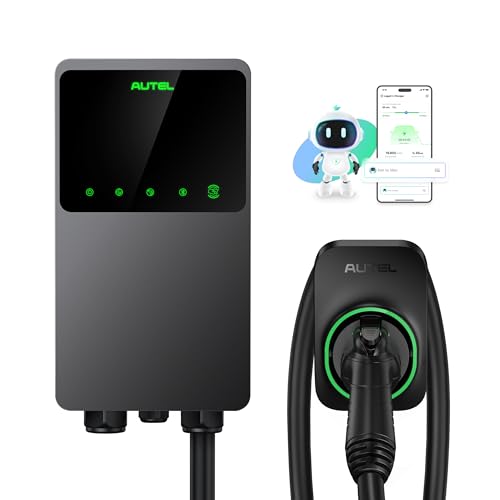
Autel Level 2 EV Charger up to 50Amp, 240V

Autel MaxiCharger Level 2 EV Charger up to 80 Amp

EVIQO Level 2 EV Charger NACS 40A NEMA 14-50

Lectron Level 1 EV Charger 16 ft Extension Cord

Autel 40A Level 2 EV Charger, 240V NEMA 14-50
More Details On Our Top Picks
Dual-voltage portability gives this EVDANCE unit its appeal. The long 25-foot cable helps in a driveway or garage where the outlet sits farther from the parking spot, and the included plug setup makes the jump between 120V and 240V more practical than many basic corded chargers.
You’ll also appreciate the J1772 fit, which covers a wide slice of non-Tesla EVs and plug-in hybrids. For daily topping off, that flexibility matters more than flashy extras, though the trade-off is simple, portable gear usually asks a little more patience than a hardwired wall box.
Strong Points
- Switching between 120V and 240V supports different parking setups.
- The 25-foot cable gives you more reach around a garage bay.
- J1772 compatibility suits many EVs and plug-in hybrids.
- Portable format is handy for travel or shared spaces.
Things To Consider
- Portable charging usually feels slower than a fixed Level 2 wall unit.
- The adapter-style setup adds another piece to keep track of.
- Cable storage takes a little more planning in a tight trunk or closet.
Feature Card
Who It Suits Best
Commuters who split time between standard outlets and a 240V setup will get the most from this charger.
A Better Fit Elsewhere
EVDANCE Level 1&2 EV Charger 25FT Cable, in white, suits the same use case better if you want the exact same flexibility in a lighter-looking finish.
This white EVDANCE version follows the same portable formula, but the app control changes the daily rhythm. For a home setup where you want to watch voltage, amperage, or energy delivered without walking back out to the car, that extra visibility is useful.
WiFi and Bluetooth support also make scheduled charging easier to live with, especially for off-peak charging habits. The honest read is that smart control matters more to organized home charging routines than to casual top-offs, so this one suits a slightly more hands-on owner than the first EVDANCE pick.
What We Like
- WiFi and Bluetooth add remote visibility to charging sessions.
- App scheduling helps you line up charging with your routine.
- Real-time power data gives you a clearer picture of use.
- Portable design still keeps the setup simple enough for mixed spaces.
Points To Note
- App features add setup steps that plain corded chargers skip.
- Portable charging still depends on the outlet and adapter you have at home.
Who Will Love This
Homeowners who like to track charging details and build a repeatable routine will get the most value here.
Another Choice May Suit
The EVDANCE Level 1&2 EV Charger 25FT Cable in black is the cleaner match for someone who wants the same flexibility with no app layer to manage.
Hardwired home charging tends to feel more settled than portable gear, and this Autel leans into that with a 50-amp ceiling, Wi-Fi, and Bluetooth. That combination makes sense in a busy garage where you want fewer cable moves and more control from your phone.
The separate holster is a small but welcome detail, because cable handling is where a lot of wall chargers start to feel messy. Compared with the EVDANCE portable picks, this one asks for a more permanent install, but it returns a cleaner day-to-day routine for high-use homes.
Upsides
- Hardwired installation suits a permanent garage setup.
- Wi-Fi and Bluetooth support easier session control.
- Up to 50 amps gives you strong charging headroom.
- The separate holster helps keep the cable organized.
Room For Improvement
- Hardwired setup is less flexible than a plug-in unit.
- It makes more sense for a dedicated parking spot than for shared locations.
- Installation planning matters more than it does with portable chargers.
At A Glance
Made For
Households with a dedicated garage space and a need for steady overnight charging will make the most of this station.
Swap It Out When
The Lectron Level 1 EV Charger fits better for apartment parking or anyone who needs a lighter, simpler plug-in option.
This Autel pushes into higher-capacity territory, and the cloud-based app control gives it a more managed feel than the simpler chargers earlier in the list. That matters for homes where the charger becomes part of a broader energy routine, not just a cord on the wall.
The AI-assisted scheduling language suggests a smarter approach to timing, especially for utility plans that shift by time of day. The catch is that this kind of setup makes the most sense when you truly want the extra control, because casual users may not need all that attention.
Best Bits
- Up to 80 amps offers substantial charging headroom.
- Cloud-connected control supports scheduling and remote session management.
- Useful for homes that think beyond basic plug-and-go charging.
- Indoor and outdoor positioning adds placement flexibility.
Softer Spots
- The advanced feature set may feel more involved than a basic wall charger.
- Higher-capacity gear makes the most sense in a serious home installation.
Whose Shelf It Belongs On
Homeowners who want a connected charger with more capacity and scheduling control will feel the appeal here.
Where A Sibling Pick Shines
The Autel 40A Level 2 EV Charger is the cleaner match for someone who wants Autel software without the bigger-capacity leap.
Plug-in simplicity is the headline here, especially for Tesla and other NACS-equipped vehicles. That NACS connector means you avoid the adapter shuffle for compatible cars, which makes nightly charging feel cleaner in a garage that already has enough clutter.
The 40-amp ceiling sits in a practical middle ground, and the NEMA 14-50 connection gives you a familiar 240V path for home use. Compared with the hardwired Autel stations, this EVIQO is easier to place, though it gives up some of that permanent, built-in feel.
Highlights
- NACS plug works directly with Tesla and other compatible cars.
- Plug-in installation keeps setup simpler than hardwired stations.
- 40-amp output is a comfortable fit for most home routines.
- The button on the plug is a handy touch for Tesla use.
Minor Gripes
- J1772 vehicles need an adapter, which adds another part to store.
- Plug-in units can feel less permanent than wall-mounted hardwired options.
Details At A Glance
Best Suited To
Households with a Tesla or other NACS vehicle and a ready 240V outlet will get the smoothest day-to-day use.
Look Elsewhere When
The Autel 40A Level 2 EV Charger makes more sense for J1772-only homes that want Wi-Fi without changing connector style.
The Lectron keeps things plain, which is a strength for anyone who just needs dependable Level 1 charging from a standard outlet. The 16-foot extension cord gives some reach in a garage or workplace spot, though it’s still a slower route than the Level 2 picks earlier in the list.
That makes it a sensible secondary charger for commuting patterns that allow overnight top-offs. Nothing flashy, just a straightforward corded setup that suits apartments, shared parking, or a desk-side outlet more naturally than a high-power wall station.
Bright Spots
- Standard 110V charging works in many everyday plug locations.
- 15 amps is enough for slow, steady overnight filling.
- The 16-foot cord helps in spaces where outlets sit far from the car.
- Portable format makes it easier to move between locations.
Areas To Watch
- Level 1 charging is slower than the Level 2 chargers in this list.
- The longer cord still needs neat storage to avoid tangles.
Perfect Match For
Apartment dwellers, office parkers, and anyone who relies on a standard outlet overnight will appreciate this one.
Reach For A Different Pick When
The EVDANCE Level 1&2 EV Charger 25FT Cable suits you better once a 240V outlet is part of the plan.
This Autel sits in a comfortable middle zone, with a plug-in 240V design that avoids hardwiring while still offering proper Level 2 speed. For a garage where you want a cleaner setup than a portable cord but less commitment than a permanent station, that balance is appealing.
Wi-Fi and the 25-foot cable round out the package in a way that feels genuinely useful at home. Compared with the more aggressive Autel 80-amp unit, this one is easier to live with for most households, especially when the charging spot and outlet do not line up neatly.
Standout Traits
- Plug-in 240V setup avoids hardwired installation.
- Wi-Fi support adds remote convenience.
- The 25-foot cable helps in wider garages.
- 40 amps is a sensible fit for regular home charging.
Worth Noting
- It still needs a suitable NEMA 14-50 outlet.
- Plug-in gear can feel a little less fixed than hardwired wall stations.
Who Should Grab It
Homeowners who want a balanced plug-in Level 2 charger with app-friendly convenience will feel at home here.
Skip It When
The EVIQO Level 2 EV Charger NACS 40A NEMA 14-50 is the better fit for Tesla and NACS drivers who want a direct connector match.
What Matters Most Before Choosing Evses
Connector And Outlet Fit
Match the charger to the vehicle port and the wall connection you already have. J1772 covers most non-Tesla EVs and plug-in hybrids, while NACS-ready gear suits Tesla and other NACS vehicles directly.
Portability Versus Permanence
Portable chargers work well for travel, shared parking, and mixed outlet access. Hardwired or plug-in wall stations feel cleaner in a garage and usually suit daily home charging better.
Speed And Daily Routine
Level 1 charging fits lighter mileage and overnight top-offs. Level 2 makes more sense for longer commutes, multiple drivers, or anyone who wants the car ready faster.
Cable Length And Placement
A longer cable helps in angled driveways, tight garages, and spots where the outlet sits off to one side. Shorter cables can still work, but only in cleaner parking layouts.
A Quick Reality Check
Common Shopping Slip Ups
The biggest miss is buying for the vehicle and forgetting the outlet. A charger can look right on paper, then feel awkward the moment cable reach or connector type does not fit your space.
The Upgrade Payoff
Higher-tier models usually cost more because they add stronger current capacity, smarter app control, or a cleaner permanent install. That extra spend makes sense for daily home charging, less so for a backup cord you use only now and then.
Frequently Asked Questions
What does EVSE mean?
EVSE stands for Electric Vehicle Supply Equipment, the gear that delivers power safely from the outlet to the car. In plain terms, it’s the charger setup you use at home or work.
Do all Evses work with every EV?
No, connector type matters. J1772 works with many non-Tesla vehicles, while NACS units match Tesla and other NACS-equipped cars directly.
Is Level 1 enough for daily driving?
Level 1 can be enough for short commutes and overnight charging. Longer drives usually feel easier with a Level 2 station.
Why choose a portable charger over a wall station?
Portable chargers move with you and work in more places. Wall stations feel tidier and are usually better for a fixed home parking spot.
Do smart charging apps matter?
They help most when you want scheduling, energy tracking, or remote control. For a simple overnight routine, a plain charger can still be enough.
Final Thoughts
The right Evses choice comes down to your car, your outlet, and how often you charge. Portable EVDANCE and Lectron picks suit mixed-use life, while the Autel and EVIQO stations make more sense for a permanent home setup. Choose the one that fits your parking space first, and the rest gets much easier.
