

Engines that idle rough, start slowly, or lose smoothness often need more than fresh fuel. Engine Cleaning Additives are built for those common maintenance moments, whether the job is a lawn mower in spring, a diesel workhorse, or a gasoline direct-injection commuter that sees stop-and-go traffic.
The seven picks below focus on different systems, from small-engine fuel cleanup to oil-system flushes and catalytic converter support. That range matters, because the right additive depends on the engine type, the deposit problem, and how much preventative care makes sense in regular use.
Quick Look At The Shortlist

STA-BIL Fast Fix Small Engine Treatment 8oz (22304)

LIQUI MOLY DIJectron Additive GDI Cleaner 22076
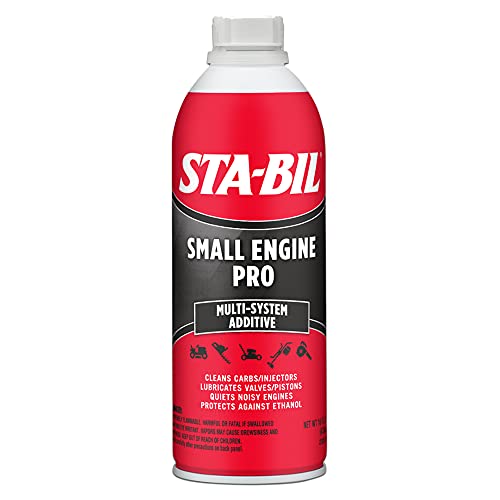
STA-BIL Small Engine Pro Multi-System Additive 16 oz

STA-BIL Small Engine Pro Multi-System Additive 16 oz 6-Pack

XADO Engine Oil System Cleaner ATOMEX Total Flush Revitalizant 250ml

Lucas Oil LUC10669

3Pcs Catalytic Converter Cleaner Kit Exhaust System Pipe Carbon Removal Cleaner
More Details On Our Top Picks
Small engines often show their age through rough idle, sputtering, and hard starts, especially after sitting through a season. STA-BIL Fast Fix is built around fuel-system cleanup, so it fits mowers, trimmers, and other compact equipment that depends on clean carburetor passages more than complex electronics.
The 8 oz bottle treats up to 20 gallons, which gives it a broad range for small tanks and shared garage storage. The trade-off is simple, it stays focused on gasoline-system cleanup rather than broader oil-system work, so the fit is strongest for fuel-related issues.
What We Like
- Targets gum and varnish that often build up during storage.
- Useful for equipment that needs smoother starting before yard work.
- The compact bottle stores easily beside lawn-care supplies.
- One treatment covers several tanks, which helps with seasonal upkeep.
Small Caveats
- Works in the fuel path, so it does not address every mechanical cause of rough running.
- Best suited to gasoline small engines, not broader vehicle maintenance.
Feature Card
Who It Suits Best
Homeowners with seasonal yard equipment and intermittent starting trouble get the clearest use from it.
Where A Sibling Pick Shines
STA-BIL Small Engine Pro Multi-System Additive 16 oz suits shoppers who want a broader gasoline and oil additive for routine upkeep.
Direct-injection gasoline engines are less forgiving of deposits, so a cleaner aimed at that system makes sense for commuters and newer cars with tighter tolerances. LIQUI MOLY DIJectron is the most specialized pick in the group, and that narrow focus is exactly what makes it stand apart from the small-engine options earlier in the list.
The listing emphasizes engine cleanliness and wear protection, while also noting suitability for vehicles with a diesel particulate filter, or DPF, which is the exhaust filter used on many diesel vehicles. That broad compatibility is useful, although the product still sits in a more specific lane than STA-BIL Fast Fix, so the best fit is a gasoline vehicle with direct injection or a mixed maintenance schedule.
Highlights
- Purpose-built for gasoline direct-injection systems.
- Helps maintain cleaner internal surfaces in engines that can be deposit-sensitive.
- Also fits some diesel-related maintenance planning thanks to the DPF note.
- Compact additive format keeps storage simple between services.
Points To Note
- Its specialization leaves less appeal for basic small-engine use.
- Vehicle compatibility matters here, so matching the engine type is worth checking carefully.
Feature Rundown
Who Will Love This
Drivers with direct-injection gasoline vehicles who want a focused additive for cleaner running get the strongest match.
A Better Fit Elsewhere
STA-BIL Small Engine Pro Multi-System Additive 16 oz suits owners of lawn tools and other small equipment far better.
This pick feels broader than STA-BIL Fast Fix, because it works as both a gasoline and oil additive. That flexibility suits owners who keep one can for seasonal engines, tune-up jobs, and general maintenance across different machines.
The formula is described as cleaning gum and varnish, supporting lubrication, and reducing noise, so it reaches beyond basic fuel cleanup. For garage use, that wider brief matters, though the trade-off is that a general-purpose formula will not feel as narrowly targeted as a specialist cleaner.
Upsides
- Gas and oil use makes it versatile for mixed equipment care.
- Cleaning support helps restore smoother operation after storage.
- Lubrication support is useful for internal parts that see regular wear.
- Noise reduction can make aging equipment feel less strained in use.
Room For Improvement
- Broad use cases can make it less focused than a dedicated GDI cleaner.
- Owners still need to match the additive to the engine and service goal.
At A Glance
Built With In Mind
Shoppers maintaining small engines at home, especially across different fuel and oil service needs, get the most value from it.
Look Elsewhere When
LIQUI MOLY DIJectron Additive GDI Cleaner 22076 is the more focused choice for direct-injection gasoline cars.
The 6-pack version makes the most sense for shared garages, rental properties, or anyone maintaining several pieces of outdoor power equipment. Compared with the single bottle of STA-BIL Small Engine Pro 16 oz, this version is about stocking the shelf rather than keeping one treatment on hand.
It carries the same gas-and-oil versatility, so the use case stays broad without adding extra complexity. The honest read is that storage and organization matter more here, because multi-bottle formats reward people who service equipment on a schedule.
Best Bits
- Six bottles support repeated maintenance across a season.
- Useful for families or properties with several small engines.
- Same multi-system approach as the single-bottle version.
- Helps reduce repeat shopping for routine upkeep.
Areas To Watch
- Takes more storage space than a single bottle.
- Less convenient for one-off users who only need an occasional treatment.
Who Should Grab It
Property managers, acreage owners, and households with multiple mowers or blowers get the clearest benefit here.
Swap It Out When
STA-BIL Fast Fix Small Engine Treatment 8oz (22304) is the better fit for a single, compact bottle aimed at one problem engine.
Oil-system cleaning is a different job from fuel treatment, and XADO sits squarely in that lane. The 250 ml bottle is aimed at drivers dealing with sludge, contamination, or older engines that have accumulated deposits over time, including turbocharged applications.
The revitalizant concept is the key distinction here, since the formula is meant to do more than strip residue during a flush. That said, oil-system cleaners are usually best reserved for planned service work, so the strongest fit comes from owners comfortable timing it around an oil change.
Reasons To Buy
- Designed for deeper oil-system cleanup than a fuel additive.
- Works across engine types, including turbo-supercharged setups.
- Useful for engines that have built up sludge over time.
- Small bottle format keeps one service treatment tidy.
Softer Spots
- Best aligned with scheduled maintenance rather than casual top-offs.
- Oil-system cleaning calls for careful attention to service timing.
Core Details
Perfect Match For
Owners of older engines or sludge-prone vehicles who want oil-system cleanup timed to maintenance work will find the best fit.
Reach For A Different Pick When
STA-BIL Fast Fix Small Engine Treatment 8oz (22304) is more appropriate for fuel-side trouble in lawn equipment.
Lucas Oil LUC10669 sits in the diesel-additive lane, so it speaks more to trucks, work vans, and other diesel-powered machines than to mowers or gasoline cars. That makes it a clean contrast with the lighter-duty options above, especially for owners keeping a diesel engine on a steady maintenance schedule.
The listing’s placement in diesel additives gives the main signal, even though the source data is light on extra detail. The trade-off is straightforward, the pick is specialized enough to matter for diesel upkeep, but sparse information means matching it to the correct use case matters more than shopping by features alone.
Strong Points
- Diesel category placement makes the intended use clear.
- Fits regular upkeep for engines that work hard.
- Simple product naming keeps identification easy on the shelf.
Worth Noting
- Source details are limited, so category fit matters most.
- Not a natural match for gasoline small engines.
Best Suited To
Diesel truck and fleet owners who want a maintenance-oriented additive are the most likely to get value from it.
Another Choice May Suit
STA-BIL Small Engine Pro Multi-System Additive 16 oz fits mixed gasoline-and-oil equipment care far better.
This kit aims at the exhaust side, with catalytic converter and carbon buildup mentioned directly in the listing. That scope makes it different from the fuel-system bottles earlier in the roundup, and it fits drivers who are trying to address rough running, hesitation, or lost mileage from deposit-heavy use.
The three-piece format suggests a treatment approach rather than a single bottle, which may appeal to shoppers who like a bundled maintenance plan. One thing worth considering is that exhaust-system cleaners can be more specific than general fuel treatments, so the strongest match comes from vehicles showing those symptom patterns.
Best Bits
- Addresses carbon buildup in the catalytic converter and related parts.
- Also speaks to injectors and cylinder heads in the source details.
- Useful for driveability complaints such as hesitation and rough idle.
- Kit format can suit a planned maintenance routine.
Honest Caveats
- More specialized than a general-purpose fuel treatment.
- Best fit depends on the vehicle’s symptom pattern and system needs.
Whose Shelf It Belongs On
Owners dealing with exhaust-side carbon concerns and a more targeted maintenance plan will get the best use from this kit.
Skip It When
Lucas Oil LUC10669 is the more sensible lane for diesel-powered equipment and work vehicles.
What Matters Before Choosing Engine Cleaning Additives
Common Shopping Slip Ups
Engine type comes first, because gasoline, diesel, small-engine, and oil-system cleaners serve different jobs. Matching the additive to the fuel path or oil path avoids the most common mismatch.
When Paying More Pays Off
Higher-priced formulas usually reflect narrower targeting, larger pack counts, or more elaborate additive chemistry. That extra cost makes sense for maintenance-heavy setups, not for a single mower that only needs one seasonal treatment.
Frequently Asked Questions
What do engine cleaning additives actually target?
Most products focus on gum, varnish, carbon, or sludge in either the fuel side or the oil side. The right pick depends on where the deposit problem lives.
Can a fuel additive replace a repair?
No, because a cleaner can support maintenance but cannot fix worn parts or broken components. Rough running from a mechanical fault still needs proper service.
Are small-engine additives different from car additives?
Yes, because lawn equipment and generators often use simpler fuel systems than modern cars. A small-engine formula is usually the safer match for that gear.
Why do some cleaners mention DPF or turbo use?
Those notes point to compatibility with more specific diesel setups or higher-stress engine designs. That detail helps narrow the match before a purchase.
How often should an additive be used?
The answer depends on the product label and the service routine of the engine. Seasonal equipment and regular commuter cars rarely need the same schedule.
