

Stretched commutes, folding-bike errands, and weekend trail miles all ask more from a battery than the marketing copy usually admits. You need the right voltage, the right capacity, and a shape that actually fits your frame or rack without awkward workarounds. This roundup focuses on practical matches for common e-bike setups, from compact replacements to higher-capacity packs for heavier motors.
You’ll see where each option fits best, what kind of riding it supports, and the trade-offs that come with more power, more size, or more specific compatibility. That makes it easier to choose something that suits your bike today and your riding habit tomorrow.
Quick Look At The Shortlist

SWQQWEI 36V 10Ah Ebike Battery

YS YOSE POWER 48V15Ah Silverfish Ebike Battery

ShunTongDa Replacement Folding Ebike 48V Battery 10.4Ah

Unit Pack Power 48V 20 Ah Ebike Battery
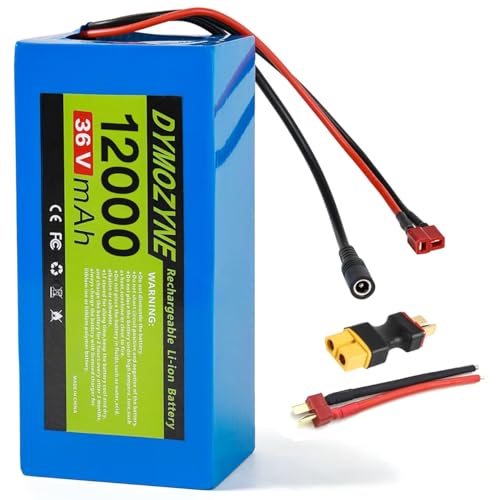
DYMOZYNE 36V 12Ah Ebike Battery

YS YOSE POWER 48V 13Ah Silverfish Ebike Battery
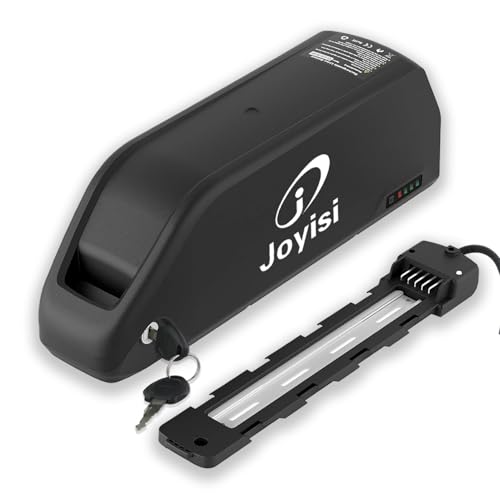
J JOYISI 52V 25AH Ebike Battery

VATOSO 48V Lithium Ebike Battery 13Ah/20Ah
More Details On Our Top Picks
That 36V, 10Ah format makes sense for everyday city riding, especially on bikes or scooters that already expect a compact pack. The included 20A BMS, or battery management system, matters because it helps control charging and discharge behavior, while the XT60 connector gives you a common, sturdy plug style for many DIY setups.
The trade-off is obvious: this is the smaller-capacity option in the group, so longer rides or heavier assistance levels will drain it faster than the 48V packs later in the list. For a short commute, spare battery duty, or a lead-acid replacement, the lighter build and 42V charger make ownership feel straightforward.
Strong Points
- 10Ah capacity suits shorter, regular trips without adding much bulk.
- 20A BMS adds a useful layer of charge and discharge control.
- XT60 connector works well for many common DIY electrical setups.
- 42V 2A charger keeps charging simple for routine indoor top-ups.
- Lightweight design is easier to carry inside for charging or storage.
Points To Note
- Smaller capacity means less range cushion than the 15Ah and 20Ah picks.
- Fit still depends on your frame space and connector match.
- PVC wrapping is practical, though it does not feel as protective as a hard shell.
Feature Snapshot
Who It Suits Best
You get the most from this one on a 36V commuter, a backup battery, or a compact scooter setup that values easy handling over long range.
A Better Fit Elsewhere
J JOYISI 52V 25AH Ebike Battery suits riders who need more range and stronger support for higher-voltage motors, especially on longer weekend routes.
Seat-tube and silverfish styles are common on city e-bikes, and this 48V 15Ah pack lands in a sweet spot between the smaller 10Ah option above and the bigger 20Ah class later in the roundup. A 30A BMS gives it a stronger current ceiling than the SWQQWEI pack, which matters more once your motor starts asking for sustained support on hills or in heavier traffic.
You’ll also notice the included charger, which makes the setup feel more complete for a daily rider who wants fewer loose parts to sort out. The honest read is that the shape matters as much as the cell count here, so fit confirmation stays important before you commit.
What We Like
- 15Ah capacity gives more breathing room than a basic commuter pack.
- 48V output suits many common mid-power e-bike setups.
- 30A BMS supports steadier power delivery under harder use.
- Included charger reduces the need to source matching accessories separately.
- Silverfish seat-tube format works well on many urban frames.
Areas To Watch
- Seat-tube shape narrows the fit window compared with universal hard-case packs.
- Still worth checking motor and controller compatibility before installing.
- Heavier capacity means more weight to move indoors for charging.
Details At A Glance
Made For
You’re in the right lane with this one if your ride uses a 48V silverfish-style battery and you want a middleweight pack for frequent city miles.
Swap It Out When
SWQQWEI 36V 10Ah Ebike Battery is the simpler choice for lighter 36V systems, especially where compact size matters more than added range.
Lectric XP owners usually care about fit first, and this pack is built around that narrow use case rather than broad compatibility. The 5-pin discharge setup and slide-in style point to a more direct replacement path, which is exactly what matters on a folding e-bike where space and alignment can be tight.
Compared with the more general YOSE POWER and UPP packs, this one makes more sense as a purpose-built spare than a universal do-everything option. For daily folding-bike use, that specificity can be a relief, though it also means your bike model matters a lot here.
Bright Spots
- Designed around Lectric XP 1.0 and 2.0 compatibility.
- Slide-in installation suits riders who want a direct replacement path.
- 10.4Ah capacity keeps the pack relatively manageable on a folding frame.
- 5-pin discharge design helps the battery align with the right bike interface.
Softer Spots
- Compatibility is narrower than the broader 48V packs in this roundup.
- Folding-bike owners still need to confirm frame and connector details carefully.
- Less capacity than the 15Ah and 20Ah choices means shorter range potential.
Core Details
Whose Shelf It Belongs On
You’ll get the most from this one as a dedicated replacement for a Lectric XP folding bike, especially where a close factory-style fit matters more than extra range.
A Better Fit Elsewhere
VATOSO 48V Lithium Ebike Battery 13Ah/20Ah works better for mixed e-vehicle setups that need broader voltage and capacity choices.
This is the pack for riders who need a larger 48V reserve and a stronger discharge ceiling. The 20Ah capacity and 40A max constant discharge make more sense on higher-demand builds, especially BBSHD or BBS02-style mid-drive systems where power delivery tends to be less forgiving.
Compared with the 15Ah YOSE POWER option, this UPP battery leans into bigger endurance and heavier output support, but that usually means a larger physical footprint and more weight to manage. The key is matching it to a frame that can actually accept the 365 x 90 x 110 mm size without awkward mounting compromises.
Positives
- 20Ah capacity suits long stretches between charging stops.
- 40A constant discharge gives more headroom for higher-demand motors.
- XT60 male and female side discharge helps with common connector matching.
- Battery base and key lock improve frame mounting convenience.
- LED power display helps you keep an eye on charge status during use.
Worth Noting
- The larger body needs enough frame space to fit cleanly.
- Heavier packs are less pleasant to carry indoors for charging.
- Mid-drive use often rewards careful cable routing and secure mounting.
Technical Sheet
Right Fit For
You’re in the right zone here if your bike uses a BBSHD or BBS02-style motor and you want a battery that leans toward range and stronger output support.
Look Elsewhere When
YS YOSE POWER 48V15Ah Silverfish Ebike Battery fits better for riders who need a slimmer seat-tube style instead of a larger mid-drive pack.
Hard-shell batteries usually appeal to people who want a little more physical protection around a daily-use pack, and this one leans into that idea without getting overly complicated. The 36V 12Ah size sits nicely between the smaller 10Ah SWQQWEI option and the bigger 15Ah and 20Ah packs, so it can feel like a sensible middle ground for DIY builds.
The XT60 and T-plug connector pairing broadens compatibility, especially for scooters, electric bikes, and low-voltage projects that may not share the same harness. One thing worth considering is the physical size, because a hard case helps with durability but can make tight frame spaces less forgiving.
Highlights
- 12Ah capacity gives more cushion than the smallest 36V option.
- Hard shell construction suits outdoor storage and regular handling.
- XT60 and T-plug connectors widen the fit possibilities for DIY projects.
- 20A BMS supports controlled charging and discharge behavior.
- Included charger simplifies the first setup and routine top-offs.
Small Caveats
- Hard-shell shape can feel bulky in cramped battery compartments.
- Careful size checking matters before you order a replacement pack.
- The broader compatibility story still depends on voltage matching.
Core Details
The Right Fit
You’ll appreciate this most in a DIY scooter or 36V bicycle build where a harder outer shell and broad connector compatibility make day-to-day use simpler.
Another Choice May Suit
SWQQWEI 36V 10Ah Ebike Battery is a better fit for smaller, lighter builds where compact handling matters more than the extra capacity.
The USB port is the small but useful detail here, especially for riders who like a battery that can do more than feed the motor. That makes this 48V 13Ah silverfish pack feel handy for daily commuting or mixed-use bikes, and it sits neatly between the smaller 10Ah SWQQWEI option and the more powerful 15Ah YOSE POWER pack.
Compatibility matters too, because this style is listed for specific FAT and folding-bike families rather than every 48V frame on the market. In a routine urban setup, that narrow fit can be a strength, since it usually points you toward a cleaner installation and fewer mid-ride surprises.
Reasons To Buy
- 13Ah capacity gives a useful step up from compact commuter batteries.
- USB port adds practical charging flexibility for small devices.
- Silverfish form works well on many urban bike frames.
- 48V output supports a broad set of daily-riding setups.
- Brand-specific fit notes help narrow the compatibility search.
Trade Offs
- Fit is specific, so frame matching deserves careful attention.
- USB convenience is useful, though it does not change core range.
- Seat-tube style batteries can be less universal than hard-case packs.
Feature Rundown
Built With In Mind
This suits daily riders who want a 48V silverfish battery with an added USB port and a little more range than compact 10Ah setups.
Reach For A Different Pick When
J JOYISI 52V 25AH Ebike Battery fits better for high-output builds that need a bigger reserve and stronger power headroom.
This is the biggest power play in the lineup, and the 52V format tells you a lot about the kind of ride it’s meant to support. With 25Ah capacity, LG cells, a 50A max discharge, and a 58.8V 3A charger, it suits riders who want more reserve for longer or harder sessions on stronger electric-bike kits.
Compared with the 48V packs before it, the extra voltage gives the system more headroom, though that also means your motor and controller need to be a proper match. In most garages, this is the pack you’d choose after you’ve already decided that your current setup deserves an upgrade rather than a simple swap.
Upsides
- 25Ah capacity gives a large energy reserve for long rides.
- 52V output suits stronger e-bike and kit-style builds.
- 50A max discharge supports demanding motor setups.
- LG cells add credibility to the internal cell choice.
- UL 2271 listing gives extra confidence in the product page details.
Things To Consider
- Higher voltage narrows compatibility, so matching matters a lot.
- Large-capacity packs usually take more space and weigh more.
- Charging with the 58.8V 3A unit may take patience on busy schedules.
At A Glance
Best Suited To
You’ll appreciate this most on a higher-voltage bike kit or long-route build where strong current support and a large battery reserve matter.
Where Another Pick Suits Better
YS YOSE POWER 48V15Ah Silverfish Ebike Battery makes more sense for riders who need a more common 48V fit and a slimmer form factor.
Some packs stay simple, while this one leans into the details that make ownership easier. The 30A smart BMS, XT60 connector, base, and lock system all point toward a more secure installation, and the IP65-rated case adds a useful layer of dust and water resistance for outdoor riding.
Capacity options are the other draw, since 13Ah and 20Ah give you room to choose between a lighter commuter setup and a longer-range build. For riders who want one battery family for an e-bike, scooter, or even a motorcycle-style project, this flexibility feels especially practical.
Best Bits
- Capacity choices let you match range needs more closely.
- 30A smart BMS adds stronger charge and discharge management.
- Base and safe lock support more secure frame mounting.
- XT60 connector works with many familiar electric-vehicle setups.
- IP65 case is useful for outdoor storage and wet-road conditions.
Minor Gripes
- Multiple options mean you need to choose the right capacity carefully.
- Broader compatibility still depends on your voltage and connector match.
- Security hardware adds convenience, though it can also add installation steps.
Quick Facts
Who Should Grab It
You’ll like this most if you want a security-minded 48V pack with capacity options and a tidy mounting setup for a mixed-use e-vehicle build.
Skip It When
DYMOZYNE 36V 12Ah Ebike Battery fits better for 36V DIY projects that need a hard shell and broader connector flexibility.
How To Choose The Right Ebike Batteries
Match Voltage Before Chasing Capacity
Voltage is the first number to check because it has to line up with your bike or kit. A 36V battery belongs on 36V systems, while 48V and 52V packs suit different controller and motor setups, and crossing those lines can create a mismatch that no amount of extra Ah will fix. That’s why a compact option like the SWQQWEI 36V 10Ah can be the right answer for a smaller commuter, while the J JOYISI 52V 25AH pack only makes sense for a stronger build.
Think About Capacity In Real Miles, Not Just Ah
Ah means amp-hours, which is the battery’s storage size, and more of it usually means more riding between charges. A 10Ah pack is easier to carry and often suits short urban trips, while 15Ah to 20Ah starts to feel more comfortable for longer commutes or heavier assistance levels. The trade-off is weight and bulk, so a big battery can feel like carrying a full backpack instead of a slim folder.
Connector Style And Frame Shape Matter More Than You’d Expect
XT60, T-plug, 2-pin discharge, silverfish, and seat-tube shapes all affect whether the battery will fit cleanly and connect without improvisation. A folding bike like the Lectric XP needs a tighter compatibility check than a generic hard-shell pack, and a mid-drive setup may prefer a different base or lock style from a commuter frame. The cleanest purchase is the one that fits your mount points and wiring without forcing adapters everywhere.
Battery Management Adds Everyday Peace Of Mind
A BMS, or battery management system, helps govern charging and discharge behavior, and higher current ratings matter more as motor demand rises. Packs with 20A, 30A, or 50A BMS ratings can suit different riding styles, but bigger numbers only help when the rest of the system matches. For daily use, that kind of control is often more valuable than chasing the largest capacity on the page.
Things Worth Knowing First
Mistakes Worth Dodging
Many shoppers focus on voltage or Ah and forget the physical fit, which is where a battery can look right on paper and still miss the frame. Another common slip is buying around motor wattage alone, without checking connector type, discharge port shape, or charger voltage. The smoother path is simple, compare the battery’s mount style and electrical specs with the bike before anything else.
Storage also gets overlooked. A battery that lives indoors and charges in a dry room will usually be easier to keep tidy than one that gets shoved into a cramped garage corner after every ride.
When Paying More Pays Off
Higher-tier packs usually cost more because they bring larger capacity, stronger current handling, more specific fit hardware, or added security features like locks and bases. You also start paying for cell quality references, included chargers, and more precise compatibility notes, all of which matter on daily-use bikes. That extra spend makes more sense for commuters, cargo riders, and people using stronger kits, where reliability and fit are worth more than shaving a little upfront cost.
For lighter, short-hop riding, a simpler battery often does the job with less weight to manage. For longer routes or more demanding motors, the upgrade can feel sensible rather than flashy.
Closing Thoughts
The right Ebike Batteries choice comes down to fit first, then voltage, then the amount of range you actually need. A lighter 36V pack suits short urban rides, a 48V silverfish battery fits many daily setups, and higher-capacity 52V or 48V packs serve stronger builds with more appetite. Focus on the shape that matches your frame, the connector that matches your wiring, and the capacity that matches your riding routine. That keeps the decision practical, which is exactly what this category rewards.
