

Battery care gets a lot easier once you stop treating every pack the same. You need a charger that matches your voltage, chemistry, and how often the machine sits idle, whether that’s a motorcycle in the garage, a golf cart on the property, or a truck that only sees weekend use. The nine picks below focus on chargers with desulfation, maintenance, and smart charging features that matter in real ownership, not just on a spec sheet.
Some options are built for simple overnight maintenance, while others lean toward faster recovery or broader voltage support. That spread helps you narrow the field without overbuying, especially once you know whether you need a compact maintainer, a heavy-duty shop unit, or an all-in-one charger and jump starter.
Quick Look At The Shortlist

Beleeb C20 Adjustable Battery Charger 12V 24V 36V 48V

PCHH 12V 24V Car Battery Charger Heavy Duty

NOCO GENIUSPRO50 50A 6/12/24V Battery Charger & Maintainer

PZ.P 15-Amp 12V/24V Smart Battery Charger, Maintainer

VEVOR Smart Battery Charger, 20-Amp, LCD Display
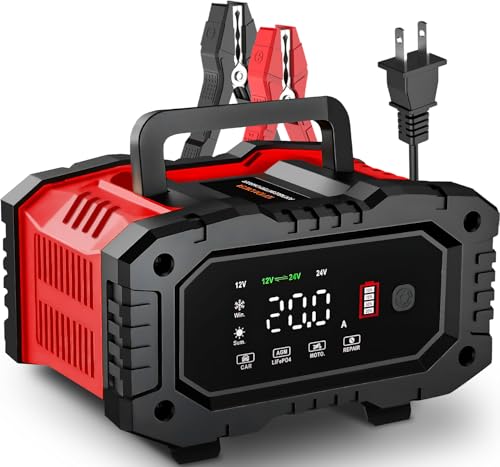
Huiaipaic 20-Amp Car Battery Charger, 12V/20A and 24V/10A

VEVOR Smart Battery Charger, 35-Amp, LCD Display
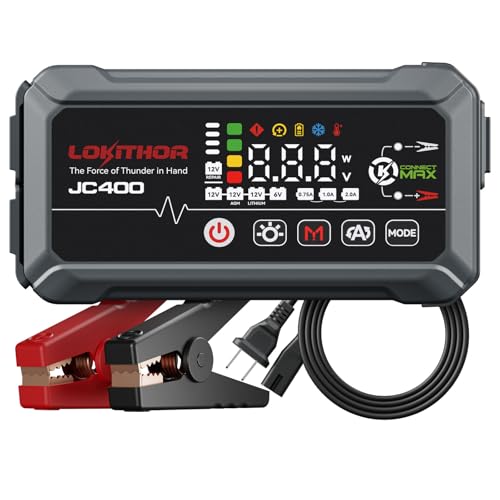
LOKITHOR JC400 2A Car Battery Charger and 2500A Jump Starter
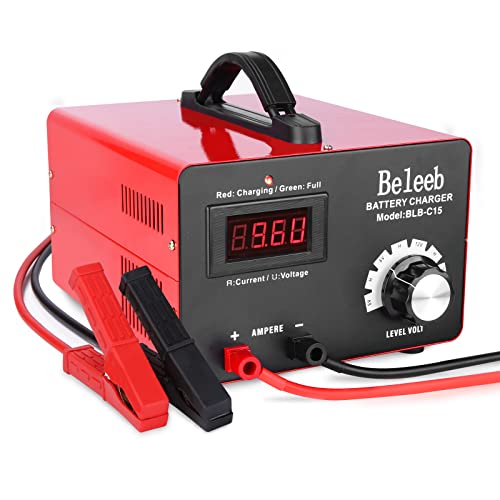
Beleeb C15 Multiple Voltage Battery Charger 6V 8V 12V 24V
More Details On Our Top Picks
Broad voltage coverage makes this Beleeb unit stand out right away, because it spans 12V, 24V, 36V, and 48V use cases without forcing you into separate chargers. For someone juggling a golf cart, a mower, and a truck battery, that kind of range can keep the garage from turning into a jumble of bricks and cords.
The pulse-based repair mode adds a second layer of usefulness for lead-acid, LiFePO4, and lithium batteries, though the trade-off is that you still need to set the charging rate with care. Compared with the simpler PCHH and PZ.P models below, this one feels more flexible than minimal, so it suits a mixed fleet better than a single-vehicle setup.
Strong Points
- Covers several common voltages in one unit
- Works across lead-acid, lithium, and LiFePO4 types
- Pulse mode adds recovery-minded charging support
- Helpful for garages with multiple small vehicles
- Reduces the need to store separate chargers
Things To Consider
- The adjustable setup asks for more attention than a basic maintainer
- Its broader feature set can feel more involved for casual use
- You may want a simpler unit for one-battery routines
Feature Snapshot
Who It Suits Best
You benefit most here if your garage holds several vehicle types and you want one charger that can step across them without much fuss.
A Better Fit Elsewhere
Beleeb C15 Multiple Voltage Battery Charger 6V 8V 12V 24V suits golf cart owners who need 8V support more than the C20’s broader voltage spread.
Heavier construction gives this PCHH charger a more grounded feel than the lighter, more multi-voltage Beleeb C20. The mix of copper coil, metal, and ABS casing points toward a charger meant to stay in the garage and handle regular use rather than travel from place to place.
The automatic 12V and 24V detection is the useful part for day-to-day ownership, especially for cars, trucks, motorcycles, and lawn equipment. In a cold shed or a busy workshop, the trickle and repair modes give you a practical way to maintain batteries without watching the unit every minute.
What We Like
- Heavy construction suits regular garage storage
- Automatic voltage detection reduces setup steps
- Works with many lead-acid battery types
- Trickle mode helps with steady maintenance
- Repair and winter modes widen seasonal usefulness
Small Caveats
- At 12.2 pounds, it is not a grab-and-go pick
- Bulkier housing may take more shelf space
- It makes more sense for stationary storage than travel
Core Details
Who It Suits Best
You get the most from this charger in a garage or workshop where a heavier unit can stay put and handle routine maintenance.
Look Elsewhere When
NOCO GENIUSPRO50 fits better for shop-style users who want much higher output and a more advanced feature set than the PCHH unit offers.
This NOCO unit sits in a different tier from the first two picks, and the 50A output makes that clear immediately. That kind of current is useful in professional garages or serious home shops where you care more about turnaround than compact size.
Temperature compensation, power supply mode, and Force Mode give it a wide operating envelope, while the desulfator and overcharge protection add peace of mind for lead-acid and LiFePO4 batteries. For many households, that’s more charger than strictly necessary, but for frequent use on larger vehicles it feels purpose-built rather than excessive.
Upsides
- Very high output for faster charging sessions
- Supports 6V, 12V, and 24V batteries
- Works with lead-acid and lithium packs
- Power supply mode adds workshop flexibility
- Force Mode helps when a battery needs manual attention
Worth Noting
- Its capability level can be more than casual owners need
- The advanced feature list may feel dense at first
- Better suited to serious charging setups than simple storage use
Details At A Glance
Who Should Grab It
You fit this charger best if you manage larger batteries, higher usage, or a garage where speed and control matter more than compact size.
Reach For A Different Pick When
PZ.P 15-Amp 12V/24V Smart Battery Charger suits the person who wants a simpler automatic maintainer without NOCO’s higher-output complexity.
PZ.P lands in a very usable middle ground, with 12V 15A and 24V 8A output that feels friendly for routine charging. Compared with the more aggressive NOCO GENIUSPRO50, it keeps the feature set simpler and easier to live with around the garage.
The 9-stage charging process is the detail that gives it polish, because multi-stage charging usually means the unit can move through recovery, bulk, and maintenance steps more deliberately. That makes it a solid match for motorcycles, lawn mowers, boats, and family vehicles that spend time parked between uses.
Highlights
- Simple automatic charging suits everyday use
- 9-stage process adds more controlled charging behavior
- Works with LiFePO4 and lead-acid batteries
- Good fit for smaller vehicles and seasonal equipment
- Temperature compensation helps it adapt to changing conditions
Areas To Watch
- It is less aggressive than some higher-output options
- Suited more to maintenance than heavy recovery work
- Best kept in a dry storage spot like most chargers
Quick Facts
Best Suited To
You fit this charger well if you want a straightforward maintainer for vehicles and seasonal gear without moving up to the more complex NOCO tier.
Swap It Out When
VEVOR Smart Battery Charger, 20-Amp, LCD Display makes more sense for someone who wants a display-led workflow and a bit more charging headroom.
The LCD display gives this VEVOR charger a more readable, less guessy feel than the plainer units above it. For anyone who likes seeing status at a glance, that detail can matter just as much as raw amperage.
It supports lead-acid, lithium, and LiFePO4 batteries, and it also covers maintain and desulfate functions for tired lead-acid packs. That combination makes it a flexible garage tool, though the real payoff comes when you want one charger to move between a boat battery, a motorcycle, and a mower without changing your routine.
Positives
- LCD screen makes status easier to follow
- Versatile chemistry support broadens its use
- Desulfation helps it handle older lead-acid batteries
- 20A output gives it useful charging pace
- Good fit for mixed small-engine ownership
Minor Gripes
- The screen and controls may add a little learning time
- It is still a bench-style charger, not a portable power pack
- Best stored where the display stays protected from bumps
Technical Sheet
The Right Fit
You suit this pick best if you want a readable charger that handles several common battery chemistries without feeling overly specialized.
Another Choice May Suit
Huiaipaic 20-Amp Car Battery Charger fits better for shoppers who want a simpler high-current unit without the display-led presentation.
The Huiaipaic charger pushes a little harder than the 15A PZ.P, which makes it a sensible step up for people who want quicker turnaround without going all the way to a shop-grade unit. Its 12V and 24V output split keeps it relevant for common garage batteries and utility equipment.
It is built around automatic trickle charging, maintenance, and desulfation, so it suits vehicles that sit through long stretches between use. You may find it especially helpful for a truck, a motorcycle, or a lawn mower that gets seasonal attention rather than daily miles.
Bright Spots
- 20A output gives it solid charging pace
- Supports both 12V and 24V batteries
- Automatic maintainer behavior suits storage use
- Works across LiFePO4 and lead-acid families
- Good middle ground between simple and heavy-duty
Points To Note
- It is still a charger first, not a roadside starter
- More output can mean more attention to battery matching
- Best kept with cords neatly stored to avoid clutter
Feature Rundown
Whose Shelf It Belongs On
You fit this charger best if you want a dependable garage unit for vehicles and equipment that sit unused for stretches.
Where A Sibling Pick Shines
VEVOR Smart Battery Charger, 35-Amp, LCD Display suits you better when faster charging and a little more control are worth the jump.
Stepping up from the 20A VEVOR model, this 35A version is built for people who want more current and less waiting around. That extra output matters in busy garages, small fleets, or homes where several batteries can pile up at once.
The LCD display keeps the bigger power figure from feeling blunt, because you still get status visibility while charging lead-acid, LiFePO4, and lithium batteries. The trade-off is that this level of capability can feel like too much for a casual garage, but it makes sense once your charging workload starts to resemble a routine.
Reasons To Buy
- 35A output supports faster turnaround
- LCD display helps with status checks
- Handles several common battery chemistries
- Useful for higher-volume garage work
- Good match for users who value speed
Softer Spots
- More charger than a light-duty owner may need
- Bulk and capability make it less casual-friendly
- Best stored with care to keep the display protected
Core Details
Made For
You suit this charger best if you handle frequent charging jobs and want a quicker, more capable bench tool than the 20A models.
Skip It When
PZ.P 15-Amp 12V/24V Smart Battery Charger is the calmer choice for someone who wants simpler maintenance over higher-output speed.
LOKITHOR takes a different path from the dedicated chargers above, because it folds a jump starter into the same compact shell. For roadside kits, that combination can feel a bit like carrying two tools without doubling the clutter.
The 750mA, 1A, and 2A charging levels give you control over slower maintenance tasks, while the 2500A jump-start figure is there for emergency situations on 12V vehicles. It makes the most sense for drivers who want a backup tool in the car, not a wall-mounted shop charger.
Standout Traits
- Combines charging and jump-starting in one unit
- Very compact for glove box or cargo storage
- Multiple low-current settings support maintenance work
- Useful emergency backup for 12V vehicles
- Good travel companion for roadside readiness
Areas To Watch
- Less suited to bench charging than the larger dedicated units
- Low-current charging will feel slower than 20A or 35A options
- Best kept charged and organized inside a carry kit
Spec Overview
Perfect Match For
You fit this unit best if you want a compact roadside tool that can also keep a 12V battery topped up.
Consider Something Else When
NOCO GENIUSPRO50 suits a shop user better because it leans far harder into dedicated charging performance than the JC400.
The C15 earns its place because 8V support is still unusually handy for golf cart ownership, and this Beleeb model handles it directly. That makes it feel better thought through than many chargers that only move between 6V, 12V, and 24V.
Its 15A output and desulfator repair mode suit people who want a charger that can serve both maintenance and recovery work on compatible batteries. For golf carts, RV gear, ATVs, and lawn equipment, that mix of range and purpose can simplify a cluttered storage shelf.
Best Bits
- Includes 8V support for golf cart setups
- Covers 6V, 12V, and 24V batteries too
- Desulfator mode adds repair-minded functionality
- Works across LiFePO4, lithium, and lead-acid
- Useful for owners with mixed battery banks
Room For Improvement
- Its broader voltage spread may be unnecessary for simple car use
- Repair mode makes it a little more involved than a basic maintainer
- Best stored with the right leads grouped together
Feature Card
Built With In Mind
You fit this charger best if you own a golf cart or a mixed equipment setup that benefits from 8V as well as 6V, 12V, and 24V support.
A Better Fit Elsewhere
Huiaipaic 20-Amp Car Battery Charger suits someone who wants more output and less voltage variety than the C15’s broader spread.
How To Choose The Right Desulfator Battery Chargers
Match Voltage Before Anything Else
Voltage is the first filter, because a charger that only speaks 12V won’t help much with a 24V truck battery or a golf cart pack. The Beleeb C20 and NOCO GENIUSPRO50 cover more voltage territory, while the PZ.P and Huiaipaic models stay closer to everyday automotive needs. That difference matters more than flashy current numbers.
Mixed garages benefit from broader voltage support, but a single-car setup usually does better with a simpler unit that’s easy to keep on a shelf. The right choice depends on how many machines sit in your space and how often they need attention.
Think About Battery Chemistry
Lead-acid, AGM, GEL, LiFePO4, and lithium batteries do not always want the same charging behavior. Several picks here handle both lead-acid and lithium families, but some are better aligned with one side of that split than the other. A charger that matches the chemistry usually feels more predictable in long-term ownership.
For a boat, golf cart, or seasonal mower, that flexibility can reduce the need to own separate tools. For a daily driver, simpler chemistry support may be enough.
Choose Current For Your Pace
Amperage is the charging speed lane. Lower output, like the LOKITHOR JC400’s 2A maintenance levels, works well for gentle upkeep, while 20A and 35A units move faster and suit busier garages. The NOCO GENIUSPRO50 goes further still, which makes sense for heavier use and larger batteries.
Faster is not always better, though. A modest maintainer often fits people who leave batteries connected for storage, while higher-output chargers make more sense when you want shorter turnaround and more frequent use.
Look For Real Ownership Comfort
Smart displays, auto shutoff, trickle modes, and repair or desulfation functions shape how easy the charger feels after the first setup. An LCD screen can be a quiet help, especially on the VEVOR models, because it shows status without guesswork. Heavy housings, like the PCHH, can feel reassuring in a garage, but they also take up more room.
Storage, cord management, and how often you move the charger matter just as much as the printed output. The most useful pick is usually the one you can keep organized and reach for without hesitation.
Things Worth Knowing First
Common Shopping Slip Ups
A lot of frustration starts with voltage mismatch, not with the charger itself. Another common miss is buying a recovery-minded charger for a simple maintenance job, then wondering why the setup feels more involved than expected.
You also want to think about where the unit will live. Bench chargers with heavier housings suit a garage shelf, while compact units make more sense for travel kits and roadside storage.
The Case For Spending Up
Higher-tier chargers usually buy you more current, broader voltage support, and more control over how the charge behaves. That is why the NOCO GENIUSPRO50 and VEVOR 35-Amp models sit above simpler maintainers in both capability and price tier.
The upgrade makes sense for frequent use, mixed battery types, or larger equipment that cannot wait around all afternoon. For casual storage charging, a simpler midrange unit often feels easier to own.
Final Thoughts
The right desulfator charger comes down to your mix of batteries, your charging pace, and how much complexity you want to manage. If your garage holds several machines, the Beleeb C20 and C15 offer broad coverage, while the PCHH, PZ.P, and Huiaipaic models stay more grounded for everyday use. For faster, more capable charging, the NOCO and higher-output VEVOR units make a stronger case. Match the tool to your real routine, and the whole job gets a lot less annoying.
