

You want a battery that fits the vehicle, delivers the right starting strength, and doesn’t turn a simple replacement into a weekend project. That matters just as much for a daily commuter as it does for a motorcycle, an ATV, or a vehicle loaded with electronics and accessories.
This roundup narrows the field to AGM and sealed options with different sizes, cranking ratings, and use cases. You’ll see where a Group 24 car battery makes sense, where a compact powersport battery belongs, and where a dual-purpose option earns its keep.
The Shortlist At A Glance

ACDelco Gold 94RAGM BCI Group 94R Battery

Odyssey PC925LMJ

OPTIMA D34 YELLOWTOP Sealed AGM Battery

Mighty Max Battery YTZ12S 12V 11Ah
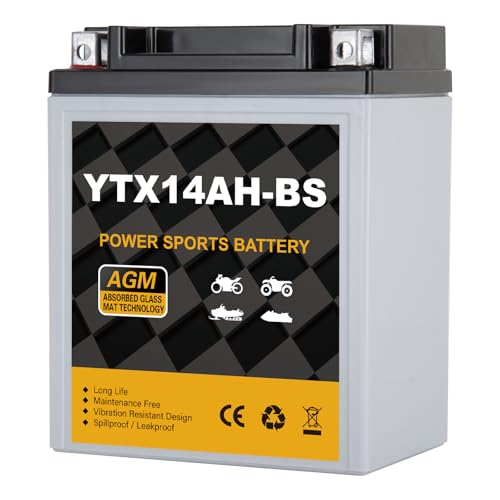
Daakmax YTX14AH-BS 12V 12Ah Motorcycle Battery

Energizer TX24HL AGM Motorcycle and ATV 12V Battery

Goodyear AUX14-AGM BCI Group Size 400

Interstate Batteries Group 24 Car Battery Replacement M-24
More Details On Our Top Picks
AGM batteries use absorbent glass mat separators, which keeps the electrolyte held in place instead of sloshing around. That matters for start-stop cars and daily drivers that ask a lot from the charging system, and it’s part of why this ACDelco feels so neatly aimed at modern commutes.
You get a Group 94 fit, so size matching matters more than wishful thinking, but the payoff is a battery that suits vehicles built around that footprint. Compared with the smaller powersport options later in this list, this one is for a full-size car or crossover that needs calm, dependable starting rather than clever packaging.
Strong Points
- AGM construction suits vehicles that cycle power often.
- Group 94 sizing helps you match the right tray.
- Good fit for stop-start driving and accessory use.
- Maintenance-free design keeps routine upkeep simple.
Things To Consider
- You need to confirm Group 94 compatibility before ordering.
- It makes more sense for cars than powersport machines.
- Battery replacements like this can be heavier than smaller sealed units.
Feature Snapshot
Who It Suits Best
Drivers with a Group 94 vehicle and stop-start use will get the most from this pick.
A Better Fit Elsewhere
Interstate Batteries Group 24 Car Battery Replacement M-24 suits a broader set of standard car and light-truck replacements, especially when your vehicle calls for Group 24 instead of 94R.
Odyssey’s PC925LMJ is the kind of battery that makes sense for a vehicle with more electrical appetite than the average commute asks for. The brand’s own positioning points to fast recovery and strong starting output, which is useful in hobby vehicles, specialty builds, or any setup that sees repeated accessory use.
Compared with the ACDelco above, this one reads more like a performance-minded component than a general replacement. The trade-off is simple, you want to be sure its size and terminal layout suit your equipment, because a battery this focused is most useful when the fit is exact.
Highlights
- Built for strong starting and quick recovery.
- Fits vehicles with heavier electrical demands.
- Well suited to specialty or enthusiast builds.
- Sealed AGM design keeps routine care simple.
Worth Noting
- Its fit needs careful checking before purchase.
- More capable than needed for basic commuting cars.
- The design makes the most sense in demanding setups.
Core Details
Built With In Mind
Enthusiasts running extra electrical gear, or machines that need faster recovery between starts, are the best match.
Where A Sibling Pick Shines
ACDelco Gold 94RAGM BCI Group 94R Battery is the safer call for a mainstream vehicle that needs a known Group 94 replacement path.
The D34 YELLOWTOP sits in a useful middle ground, because it’s built for both starting and repeated cycling. That dual-purpose character matters in trucks, SUVs, and other vehicles that carry accessories, where you want more than a plain starter battery but don’t want to overcomplicate the swap.
Compared with Odyssey’s more specialized feel, the OPTIMA is easier to place in a broad truck-or-SUV conversation. The 750 CCA rating gives you a clear sense of its starting muscle, while the sealed AGM format keeps maintenance simple, though the larger footprint means fit checking still comes first.
Upsides
- Dual-purpose design supports starting and cycling.
- 750 CCA gives you strong cranking capacity.
- Sealed AGM construction keeps upkeep low.
- Useful for accessory-heavy trucks and SUVs.
- Versatile mounting helps with installation options.
Small Caveats
- Its size needs a careful match to the tray.
- It makes more sense for larger vehicles than small commuters.
- The performance focus may be more than basic drivers need.
Quick Facts
Right Fit For
Truck and SUV owners with added electrical gear tend to get the most from this dual-purpose layout.
Swap It Out When
Goodyear AUX14-AGM BCI Group Size 400 is the better fit for an auxiliary-battery role rather than a main engine-starting job.
Motorcycle batteries live or die by fit, and this Mighty Max model keeps the focus narrow. Its 6.00 x 3.44 x 4.38 inch body and left-positive, right-negative layout are the kind of details that matter when you’re replacing a battery under a fairing or in a tight side compartment.
Unlike the larger car batteries in this roundup, this one is made for a smaller chassis where space is part of the story. The spill-proof SLA AGM build and the ability to mount in different positions help in rougher powersport use, though you still need to supply the screws and confirm the terminal orientation against your old unit.
Positives
- Compact dimensions suit many motorcycle trays.
- 210 CCA gives modest starting support.
- Sealed AGM construction keeps maintenance simple.
- Can be mounted in multiple positions.
Areas To Watch
- It ships as the battery and screws only.
- Terminal orientation needs a careful match.
- Best suited to smaller powersport applications, not cars.
Technical Sheet
Whose Shelf It Belongs On
Riders replacing a compact motorcycle battery and checking fit by dimensions first will feel at home with this one.
Look Elsewhere When
Daakmax YTX14AH-BS 12V 12Ah Motorcycle Battery suits riders who need a little more capacity for mid-size powersport machines.
Daakmax aims this battery at the middle of the powersport market, where size, terminal layout, and cranking strength all matter at once. With 5.27 x 3.50 x 6.54 inch dimensions and a standard positive-left, negative-right layout, it’s easier to place in many ATVs, scooters, and motorcycles than a more awkward replacement would be.
The 220 CCA rating is a useful step up from the smaller Mighty Max option, so you get a little more starting confidence without moving into larger-battery territory. The honest read is that you still need to compare measurements carefully, but for a mid-size ride that wants a maintenance-free AGM battery, this is a sensible fit.
Best Bits
- Good fit for many mid-size powersport setups.
- 220 CCA offers solid starting support.
- Sealed AGM design reduces routine upkeep.
- Standard terminal layout can simplify installation.
Points To Note
- You still need to verify size against the old battery.
- It is tailored to powersport use, not full-size cars.
- Included accessories are limited to the battery-related basics.
Feature Rundown
Made For
Riders who want a mid-size replacement for an ATV, scooter, or motorcycle will find the shape and output easy to work with.
Another Choice May Suit
Energizer TX24HL AGM Motorcycle and ATV 12V Battery is a better route for larger machines that ask for more starting output.
Some motorcycles and ATVs need a battery with a little more reserve, and this Energizer model answers that call with 350 CCA and 21Ah. That combination makes sense for larger machines or accessory-rich setups, where the starting demand is higher and the battery has to keep up without feeling strained.
Compared with Daakmax’s mid-size YTX14AH-BS, this one steps up in output and capacity, so it suits bigger equipment better. It comes fully charged, which is handy for a garage install, though you still want the replacement code and fit to line up before you commit.
What We Like
- 350 CCA brings stronger starting output.
- 21Ah gives more stored capacity than smaller units.
- Comes ready for installation.
- AGM build suits vibration-heavy powersport use.
Minor Gripes
- It belongs in larger powersport applications.
- Fit verification still matters before installation.
- The higher-output setup is more than many small bikes need.
Details At A Glance
The Right Fit
Larger motorcycles and ATVs with more electrical demand are the best match for this higher-output battery.
Where A Sibling Pick Shines
Mighty Max Battery YTZ12S 12V 11Ah fits smaller bikes better, especially where compact dimensions matter more than extra capacity.
The AUX14 is aimed at a different job than the main starter batteries above, and that distinction matters. With 12V, 14Ah, 200 CCA, and a 22-minute reserve capacity, it’s the sort of battery that fits auxiliary use cases where steady support matters more than headline starting power.
Versatile mounting helps in tight installations, as long as you don’t plan to place it upside down. Compared with the OPTIMA D34, this Goodyear reads as a support battery first, so it suits vehicles or systems where a secondary power source has a defined role.
Reasons To Buy
- Built for auxiliary battery roles.
- 22-minute reserve capacity adds useful runtime context.
- Flexible mounting can help in cramped spaces.
- Maintenance-free AGM design keeps upkeep simple.
Softer Spots
- Not meant to replace a full-size main starter in every case.
- Upside-down mounting is off the table.
- It makes the most sense in vehicles with a true auxiliary slot.
Core Details
Perfect Match For
Drivers looking for an auxiliary AGM battery in a defined Group 400 fit will get the cleanest match here.
Skip It When
OPTIMA D34 YELLOWTOP Sealed AGM Battery is the better call for a main starting battery in a truck or SUV.
Interstate’s M-24 lands in a very practical place for ordinary car and light-truck ownership, because Group 24 is a common replacement target. With 550 CCA, it brings solid starting strength without forcing you into the more specialized world of AGM-only performance batteries.
That makes it a cleaner fit than the powersport batteries in this roundup for anyone replacing a standard auto battery, especially in a vehicle that needs straightforward compatibility. The trade-off is that you need the right tray and terminal match, but that’s normal for any replacement battery worth considering.
Highlights
- Group 24 sizing fits many common vehicle setups.
- 550 CCA gives reliable starting support.
- Good choice for standard cars and light trucks.
- Practical replacement path for everyday ownership.
Room For Improvement
- It still needs a confirmed Group 24 fit.
- Less specialized than the AGM-focused premium picks above.
- Not aimed at motorcycles or ATV applications.
Feature Card
Who Should Grab It
Drivers replacing a Group 24 car or light-truck battery will find the fit and output easy to understand.
A Better Fit Elsewhere
ACDelco Gold 94RAGM BCI Group 94R Battery is the better route for vehicles that specifically call for Group 94R and an AGM layout.
How To Choose The Right Cold Cranking Amp Battery
Match The Vehicle Before The Number
Cold cranking amps, often shortened to CCA, describe how much starting current a battery can supply in cold conditions. That number matters, but the group size, terminal layout, and physical shape matter just as much because a battery that fits badly becomes a hassle fast.
For a daily car, you want the exact tray match first and the cranking number second. For a motorcycle or ATV, compact dimensions and terminal position usually matter more than a larger headline figure that doesn’t fit the compartment.
AGM Versus Conventional Lead-Acid
AGM means absorbed glass mat, a sealed design that keeps the electrolyte held in fiberglass separators. That construction helps with vibration resistance, spill control, and maintenance-free ownership, which is why so many of the picks here lean that way.
The trade-off is cost and sometimes weight. You’re paying for a battery style that handles repeated cycling and rougher use better, so it makes the most sense in start-stop cars, accessory-heavy trucks, and powersport machines that live a harder life.
Think In Terms Of Use Case, Not Just Specs
A standard commuter car, a truck with extra electronics, and a small motorcycle all ask for different things from a battery. A 550 CCA car battery can be a practical everyday replacement, while a 750 CCA dual-purpose option or a 350 CCA powersport battery solves a different problem.
That’s why it helps to start with your driving pattern and equipment load. Long highway commutes, short stop-and-go trips, garage storage, and cold-weather starts all push the choice in slightly different directions.
Check Access And Ownership Details
Maintenance-free batteries are easier to live with, but installation access still affects the experience. Tight battery bays, awkward cable routing, and hidden hold-down brackets can turn a simple swap into a frustrating afternoon.
Also look at what’s included in the box. Some batteries come ready for the task, while others expect you to reuse hardware or supply the mounting pieces yourself, which matters more than it sounds on a dirty driveway.
Things Worth Knowing First
Mistakes Worth Dodging
One common slip is chasing cranking power while ignoring group size. A battery with the right CCA but the wrong case shape won’t save you much trouble.
Another miss is buying a powersport battery for a full-size car, or the reverse. The fit may look close on paper, yet the terminal position, height, and connection style can tell a different story once you open the compartment.
What The Higher Tier Buys
More expensive batteries usually bring thicker construction, stronger cycling ability, or a better fit for demanding loads. In practical terms, that can mean steadier starts after repeated short drives, better tolerance for accessories, or a sealed design that’s easier to live with.
You usually feel the upgrade most in vehicles that work hard every day. For a weekend toy or a simple commuter, a mid-tier battery may be enough, but a truck with accessories or an AGM-specific car often justifies the extra spend.
Closing Thoughts
The right cold cranking amp battery is the one that fits your vehicle first and supports your use pattern second. ACDelco and Interstate make sense for standard automotive replacements, OPTIMA leans toward accessory-heavy trucks and SUVs, and the powersport picks cover a range of motorcycles and ATVs without forcing you into a generic solution. Start with the compartment, the terminal layout, and the way you drive, and the choice gets much simpler. That’s the cleanest path to fewer surprises in the driveway.
