

Diesel soot control gets messy fast, especially in daily driving with short trips, stop-start traffic, or a van that works for a living. The six picks below cover fuel-system cleaners, injector cleaners, and DPF purge formulas, so you can match the product to the problem instead of guessing. Some focus on preventive upkeep, while others are built for more direct filter cleaning. The difference matters, because the right bottle can save you from chasing the same warning light over and over.
Quick Look At The Shortlist

Cataclean Fuel & Exhaust System Cleaner 16 oz 2 Pack

Lucas Oil Deep Clean Fuel System Cleaner Pack of 2

Lucas Oil 10873 Diesel Deep Clean 64 Ounce

MotorPower Care DPF Foam Cleaner Spray
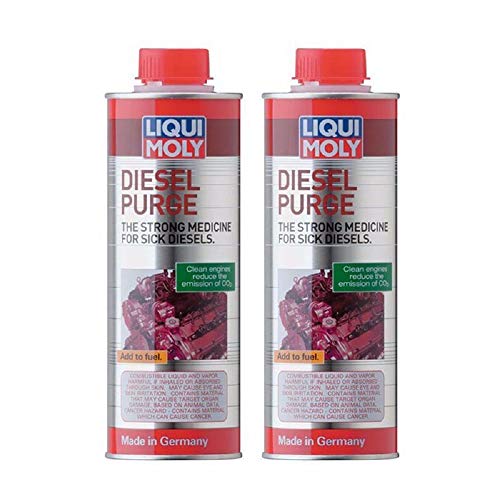
Liqui-Moly Diesel Purge Injection Cleaner 500 ml Set of 2

LIQUI MOLY Pro-Line Diesel Particulate Filter Purge 500 ml
More Details On The Shortlist
Cataclean sits in the gas-engine lane, not the diesel-only lane, and that makes it a practical match for mixed households with one petrol car that sees short trips. Its focus on the fuel and exhaust path means it fits routine maintenance better than emergency repair thinking, which is the honest read for most daily drivers.
The 16-ounce bottles in this two-pack suit owners who want a repeatable treatment schedule without overcommitting to a large container. Compared with the more DPF-specific picks below, this one is about broader system cleaning, so the benefit is reach, while the trade-off is narrower engine compatibility.
Strong Points
- Targets fuel and exhaust components in one treatment path.
- Useful for gas vehicles that do lots of short driving.
- Two-bottle format supports ongoing maintenance over time.
- Cleaner combustion support can help the car feel less choked up.
Things To Consider
- It’s aimed at gasoline engines, so diesel owners should look elsewhere.
- It’s more of a upkeep product than a deep DPF service tool.
Who It Suits Best
Gasoline drivers who want a maintenance cleaner for routine use will get the most from it.
Where A Sibling Pick Shines
Lucas Oil 10873 Diesel Deep Clean is the better fit for diesel trucks and work vehicles that need a larger-format treatment.
This Lucas Oil pair is the compact choice in the group, sized for routine diesel upkeep rather than heavy-duty intervention. The package dimensions keep storage simple, which matters in a glovebox, tool chest, or the corner of a workshop shelf.
Its vehicle-specific fit points toward owners who follow a more exact maintenance routine, and the small bottle size makes it easy to dose without dealing with a large jug. Compared with Cataclean, this one speaks more directly to diesel fuel-system care, while the larger Lucas Oil 10873 bottle is the better fit for bigger engines and more frequent use.
What We Like
- Two-pack format supports repeat service intervals.
- Small bottles are easy to store and carry.
- Vehicle-specific fit helps narrow the match to diesel use.
- Simple size profile suits owners who dislike bulky containers.
Points To Note
- The small bottle size means less fluid per container than larger diesel treatments.
- Owners who handle fleet vehicles may prefer a bigger format.
Made For
Diesel drivers who want a compact cleaner for regular upkeep will find the format easy to manage.
Another Choice May Suit
Liqui Moly Diesel Purge Injection Cleaner fits better for diesel owners who want a more injection-focused treatment package.
The 64-ounce bottle gives this Lucas Oil option a very different job from the two-pack above. It’s built for owners who want a larger reserve for diesel upkeep, especially in trucks, vans, or work vehicles that rack up miles quickly.
That extra volume matters because repeated fill-ups and steady preventive care become easier to keep on schedule. The trade-off is obvious, though, it takes more shelf space and makes less sense for someone who only wants an occasional treatment.
Highlights
- Large bottle size suits repeated diesel maintenance.
- Better fit for high-mileage vehicles and work use.
- Less need to restock compared with smaller bottles.
- Handy for owners who prefer one larger container.
Room For Improvement
- Bulkier packaging needs more storage space.
- It can feel oversized for light-duty personal use.
- Single-container format gives you less grab-and-go convenience.
Best Suited To
Fleet-style use, diesel trucks, and busy garages benefit most from the larger format.
A Better Fit Elsewhere
Lucas Oil Deep Clean Fuel System Cleaner Pack of 2 works better for smaller diesel owners who want a compact bottle pair instead of one large jug.
Feature Card
This one is for the owner who wants a direct DPF tool instead of a general fuel additive. The foam format matters, because it’s meant to reach soot and carbon inside the filter path through the sensor port, which can suit a workshop day better than a casual driveway top-up.
The no-removal approach is the main draw, and the included long nozzle gives it a more surgical feel than the bottle-style cleaners above. The trade-off is that the process asks for more hands-on work, so it fits confident DIY maintenance or a shop setting more naturally.
Reasons To Buy
- Foam format targets the DPF and catalyst path directly.
- No filter removal keeps the job simpler than full disassembly.
- Long nozzle helps reach through the sensor opening.
- Good match for owners who want a more focused clean.
- 13.52 fl oz bottle size is easy to store between uses.
Small Caveats
- The process is more involved than pouring in a fuel additive.
- Sensor-port access can be awkward in tight engine bays.
Right Fit For
Diesel owners comfortable with hands-on maintenance and access-port cleaning will get the most from it.
Skip It When
Liqui Moly Diesel Purge Injection Cleaner is the simpler route for owners who want injector-focused upkeep rather than a DPF access job.
Core Details
Liqui-Moly’s two-pack leans into injector care, so it belongs on the list for diesel owners dealing with deposits that affect drivability and idle quality. The 500 ml size is practical, and the set-of-two format makes it easier to keep one bottle in reserve for the next service window.
Gloves are not included, which is a small but real ownership note for anyone who likes to keep a tidy garage setup. Compared with the Lucas Oil bottles, this one feels a bit more specialist, while the LIQUI MOLY purge below is the more filter-specific sibling in the same family.
Upsides
- Injector-focused approach suits diesel fuel-system upkeep.
- Two bottles give you a built-in follow-up supply.
- 500 ml size is manageable for shelf storage.
- Useful for owners who want a maintenance rhythm, not a one-off pour.
Softer Spots
- Gloves are not included, so you’ll want your own pair on hand.
- It’s aimed at injector care, not direct DPF cleaning.
Who Will Love This
Diesel owners focused on injector maintenance and repeat service intervals will appreciate the format.
Look Elsewhere When
MotorPower Care DPF Foam Cleaner is the better choice for someone who wants direct filter-side cleaning through the sensor port.
Feature Snapshot
This LIQUI MOLY purge is the most direct DPF-focused option in the group, and that clarity helps a lot. It’s built for closed diesel particulate filters, including use in passenger and commercial diesel vehicles, so it suits owners who want a purpose-built cleaner rather than a general additive.
The product-page claims a return toward normal driving feel and lower fuel use, which points to a maintenance-first job, not a magic fix. Compared with MotorPower Care, the appeal here is the cleaner purge style and brand consistency, while the smaller 500 ml size keeps storage simple.
Best Bits
- Directly aimed at diesel particulate filters.
- Fits closed filter systems in passenger and commercial use.
- 500 ml bottle is easy to keep with service supplies.
- Good match for owners who want a more exact filter treatment.
Areas To Watch
- It’s specialized, so general fuel-system users may not need this level of focus.
- Diesel owners still need to match the procedure to their vehicle setup.
The Right Fit
Diesel van, Sprinter, and commercial-vehicle owners who want a DPF-specific purge will get the clearest fit here.
Swap It Out When
Lucas Oil 10873 Diesel Deep Clean suits owners who need a larger diesel maintenance bottle and do regular high-mileage service.
What Matters Most Before You Choose Cleaners For Dpf
Mistakes Worth Dodging
The biggest mistake is treating every cleaner as the same thing. Fuel-system bottles, injector purges, and sensor-port foams solve different problems, so the label has to match the job.
Vehicle type matters too. Diesel particulate filters, gasoline exhaust systems, and injector deposits don’t respond to the same formula.
Where The Extra Money Goes
Higher-tier products usually pay for more targeted chemistry, larger volumes, or application methods that fit a specific service path. That matters most for trucks, vans, and work vehicles that need a cleaner built around the right system.
Paying more makes sense when you want a specialized DPF purge or a larger bottle for repeated maintenance. For light personal use, a simpler bottle often makes better sense.
Closing Thoughts
The cleanest match comes from the problem in front of you, not the label on the front of the bottle. Gasoline drivers, diesel commuters, and van owners each need a different kind of support, and this list keeps those jobs separated. Pick the formula that fits your engine layout, then keep the maintenance routine steady.
