

Choosing a home charger comes down to how you actually park, plug in, and live with the cable day after day. A portable Level 1 and Level 2 option suits mixed driving routines, while a hardwired unit makes more sense for a fixed garage spot and faster top-offs.
This roundup focuses on practical fit, plug type, cable reach, and installation style. You’ll also see where each station makes ownership easier, and where the trade-offs show up once it’s mounted on the wall or packed in the trunk.
Quick Shortlist For Home Charging

EVDANCE Level 1&2 EV Charger 25FT Cable

EMPORIA Level 2 EV Charger 48 Amp
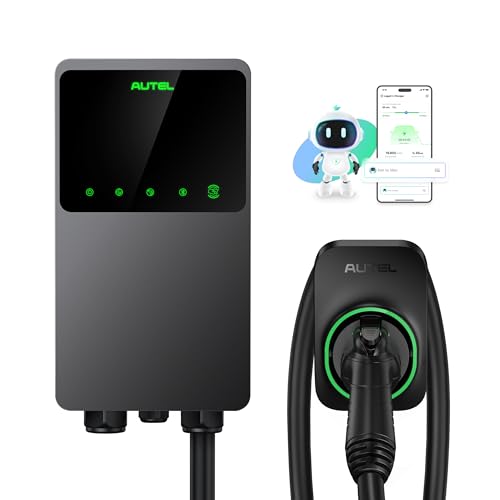
Autel Level 2 EV Charger 50Amp

Autel MaxiCharger Level 2 EV Charger 80 Amp

EVIQO Level 2 EV Charger NACS 40A NEMA 14-50

EVIQO Level 2 EV Charger NACS 48A

LEFANEV 32A 7.68KW EV Charger Level 2 Station
More Details On Our Top Picks
This portable charger fits the messy reality of apartment parking, weekend trips, and homes that still lean on a standard outlet. The 25-foot cable gives you a lot more reach than the usual short cord, and the dual-voltage setup makes it easier to keep one charger in the car instead of juggling two.
The trade-off is speed, since Level 1 charging is slow by nature and Level 2 still depends on the right outlet and circuit. For J1772 vehicles and plug-in hybrids, though, that flexibility is the whole point, and the included bag makes storage less annoying than a loose cable in the trunk.
Highlights
- Long cable reach helps in tight parking spots and awkward driveway angles.
- Works as both a travel backup and a home-use portable charger.
- J1772 support suits many non-Tesla EVs and plug-in hybrids.
- The carry-friendly format keeps it easy to stow between uses.
Small Caveats
- Charging speed will feel modest on 120V power.
- You may need the right outlet setup to use the faster 240V mode.
- Portable units need a bit more care with cable coiling and storage.
Core Details
Who It Suits Best
You’ll get the most from this charger if your parking setup changes often, or you want one portable unit for home and travel use.
A Better Fit Elsewhere
EMPORIA Level 2 EV Charger 48 Amp suits drivers who have a fixed garage space and want a wall-mounted unit with more charging muscle.
Compared with the portable EVDANCE option, this one is built for a permanent spot on the wall. The hardwired layout keeps the install tidy, and the Wi-Fi connection matters more than it sounds like at first, since scheduling and remote control help make a garage charger feel less like a static box.
That 48 amp ceiling puts it in a strong daily-charging lane for households that come home, plug in, and want the car ready again by morning. You may find the separate whip helpful for a cleaner mounting arrangement, although professional installation is the part that keeps this pick in the more serious camp.
What We Like
- Wi-Fi support adds scheduling and remote session control.
- Hardwired installation keeps the setup neat and stable.
- 48 amp output suits busy households with steady charging needs.
- Twenty-five feet of cable helps with parking flexibility.
Worth Noting
- Hardwiring is less convenient than a plug-in unit.
- Professional installation is the sensible route for most garages.
- The feature set is useful, but it asks more planning than a portable charger.
At A Glance
Who Will Love This
Commuters with a fixed garage setup and a daily charging routine will get the most out of this charger.
Where Another Pick Shines
EVDANCE Level 1&2 EV Charger 25FT Cable fits better for drivers who need portability or want one unit for travel and home use.
This Autel model sits in the sweet spot between the simpler EMPORIA unit and the bigger 80 amp version below. The indoor-outdoor build gives you placement freedom, and the separate holster is a small detail that matters once you start wrapping and unwrapping the cord every day.
Wi-Fi and Bluetooth are both useful here, especially for households that want local control without living inside an app all the time. For a garage, a side wall, or a driveway post, it reads as a steady all-rounder, though hardwired installation still makes it more of a fixed decision than the EVDANCE portable option.
Upsides
- Wi-Fi and Bluetooth cover both remote and nearby control.
- Indoor and outdoor use broadens placement options.
- The separate holster helps keep cable storage tidy.
- 50 amp capacity suits many home charging routines.
Points To Note
- Hardwired mounting makes relocation less convenient.
- The feature set may be more than a casual top-off setup needs.
Feature Snapshot
Built With In Mind
Homeowners who want app control and flexible placement around a garage or driveway will appreciate this one most.
Skip It When
EMPORIA Level 2 EV Charger 48 Amp is the cleaner match for a simpler fixed-wall setup without Bluetooth as a main selling point.
For households that treat the garage charger like core infrastructure, this is the most ambitious Autel in the group. The cloud and AI features let you plan around utility schedules, track energy data, and adjust charging more actively than you can with a plain wall unit, which is useful in homes with more than one EV.
The 80 amp ceiling pushes it into serious hardware territory, and that usually means the install plan matters as much as the charger itself. Compared with the 50 amp Autel above, this one is for the person who wants more headroom and more data, not just a basic overnight refill.
Strong Points
- AI-assisted app controls help with timed charging routines.
- Real-time energy tracking supports more informed charging habits.
- 80 amp capacity suits heavy-use homes with higher demand.
- Remote start and stop controls add day-to-day convenience.
Areas To Watch
- The advanced feature set may feel excessive for simple plug-in routines.
- Hardwired installation makes setup more involved than a plug-in model.
- Careful planning around your home electrical service is important here.
Technical Sheet
The Right Fit
You’ll like this most if you manage one or more EVs and want a charger that does more than simply deliver power.
Swap It Out When
Autel Level 2 EV Charger 50Amp fits better for households that want smart features without stepping all the way up to 80 amp hardware.
This one makes the most sense for Tesla households that want a plug-in wall charger instead of a hardwired setup. The built-in NACS connector keeps things simple, and the button on the plug that opens the charge port is a small convenience you’ll notice every time you come home with your hands full.
At 40 amp, it’s a calmer choice than the 48 amp EVIQO below, which means you give up some charging headroom in exchange for easier installation. That trade-off feels fair for garages where you want a clean wall station without committing to a full wiring job.
Reasons To Buy
- NACS connector works directly with Tesla-style charge ports.
- Plug-in installation keeps setup simpler than hardwiring.
- The port-release button adds a nice daily-use touch.
- 40 amp output fits many home charging routines.
Room For Improvement
- Non-NACS vehicles need an adapter for use.
- Plug-in mounting is convenient, but it offers less permanence than a hardwired unit.
Details At A Glance
Who Should Grab It
Tesla owners who want a straightforward wall charger with simple installation will appreciate this one most.
Another Choice May Suit
EVIQO Level 2 EV Charger NACS 48A fits better for drivers who want the same NACS convenience with a hardwired, higher-output setup.
Compared with the plug-in EVIQO above, this hardwired model is the cleaner long-term setup for a Tesla-centric garage. The 48 amp output adds more charging headroom, and the 25-foot cable helps when the car doesn’t sit perfectly centered under the wall mount.
The harder part is installation, because a hardwired station asks for more planning and usually a more permanent decision. Still, for drivers who charge at home every night and want the NACS convenience without an adapter, this is the stronger fit.
Positives
- NACS support connects directly to Tesla-style ports.
- 48 amp output offers a stronger home charging setup.
- The 25-foot cable improves reach in real garages.
- Hardwired mounting suits a permanent installation.
Softer Spots
- Hardwiring makes the install less flexible than a plug-in charger.
- Non-NACS vehicles still need an adapter.
- The more permanent setup makes sense best in a dedicated parking space.
Core Details
Right Fit For
You’ll appreciate this most if your EV parks in the same place every day and you want a wall-mounted NACS station.
Where A Sibling Pick Shines
EVIQO Level 2 EV Charger NACS 40A NEMA 14-50 suits shoppers who want the same connector with easier plug-in installation.
This LEFANEV station keeps the formula simple: plug it into a NEMA 14-50 outlet, hang it on the wall, and use the 20-foot cable for daily charging. That straightforward setup makes sense for garages where you want Level 2 convenience without a more elaborate smart-home layer.
It sits lower in the feature stack than the Autel and EMPORIA units, but that’s not a bad thing for people who want less complexity. For hybrid drivers or EV owners with a dependable overnight routine, the honest read is that it covers the basics cleanly and stays out of the way.
Best Bits
- Simple NEMA 14-50 plug-in setup.
- 20-foot cable reaches most standard garage parking spots.
- 32 amp output suits regular home charging.
- Good fit for electric and hybrid vehicles with J1772 support.
Minor Gripes
- Shorter cable reach than the 25-foot options above.
- It lacks the app-driven control found on smarter chargers.
- Less flexible for households that need advanced scheduling.
Feature Rundown
Whose Shelf It Belongs On
Budget-minded EV and hybrid households with a standard garage outlet will get the most out of this charger.
Look Elsewhere When
EMPORIA Level 2 EV Charger 48 Amp is a better match for shoppers who want Wi-Fi tools and more charging headroom.
What Matters Most Before Choosing Charging Stations For Ev
Connector And Vehicle Match
Start with the plug, because that decides whether the charger fits your car without extra gear. J1772 works across many non-Tesla EVs, while NACS is the direct route for Tesla-style charging.
Installation Style And Daily Routine
Portable units make sense for mixed parking and travel, while hardwired stations suit a fixed garage spot. Plug-in wall units sit in the middle, with simpler installation but less permanence than hardwired models.
Output And Cable Reach
Higher amp ratings usually help more in busy households that charge often. Cable length matters just as much, because a charger that reaches the car comfortably is easier to live with than a stronger unit that sits awkwardly short.
Things Worth Knowing First
Common Shopping Slip Ups
Shortlisting only by amperage is a common miss. You also need the right connector, the right outlet or hardwire plan, and enough cable length for your parking layout.
The Upgrade Payoff
Higher-tier models usually cost more because they add smarter app controls, more output, and sturdier installation options. That extra spend makes the most sense for households that charge nightly, manage more than one EV, or want better control over energy use.
Frequently Asked Questions
What connector type matters most for my EV?
The connector has to match your car or a compatible adapter setup. J1772 fits many non-Tesla EVs, while NACS is the direct match for Tesla-style ports.
Is a hardwired charger better than a plug-in unit?
Hardwired stations feel more permanent and can suit higher-output installs. Plug-in chargers are simpler to set up and move, which helps in garages that may change later.
How much cable length is enough?
Twenty feet works for many garages, but 25 feet gives you more breathing room. That extra slack matters when the car does not line up neatly with the wall mount.
Do smart features matter in daily use?
They help more than people expect, especially for scheduling and energy tracking. For a basic overnight charge, though, a simpler charger still handles the job well.
Which option suits a first home charger?
A plug-in model usually feels easier for a first setup. A portable unit also helps if your parking spot or travel routine changes often.
Closing Thoughts
The right charging station depends on your plug type, your parking setup, and how much control you want over charging. Portable flexibility, plug-in convenience, and hardwired power each solve a different kind of day-to-day problem. Choose the one that fits your garage, not just the one with the biggest numbers.
