

Aluminum boats ask for careful paint choices, because the wrong coating can fight adhesion, wear unevenly, or add maintenance you did not want. You need options that make sense for hull bottoms, bare metal, topsides, and prep work, whether you trailer often, store in the water, or keep the boat on a lift. The eight picks below cover antifouling paint, primers, protectants, and coatings that solve different parts of the same job.
That spread matters. Some products are for underwater growth control, some seal metal, and some restore or protect exposed surfaces, so you can match the coating to the condition of your boat instead of forcing one product to do everything.
Quick Look At The Shortlist

Poli Glow Deluxe Boat & RV Restoration Kit

TotalBoat JD Select Water-Based Boat Antifouling Bottom Paint

Sharkhide Metal & Aluminum Protectant
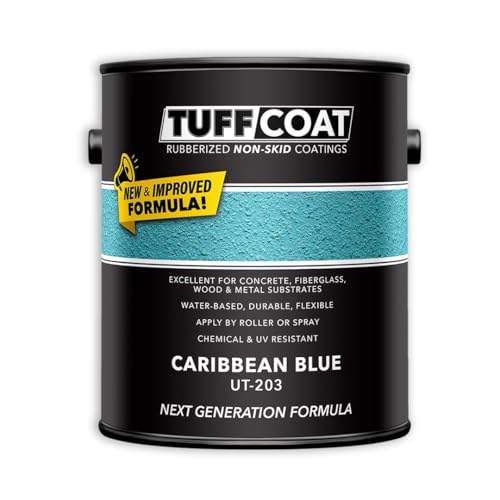
Tuff Coat Medium Texture Rubberized Non-Skid Deck Coating

Rust-Oleum Marine Topside Semi-Gloss Bright Red Boat Paint

TotalBoat TotalProtect Marine Barrier Coat Epoxy Primer

TotalBoat Underdog Antifouling Bottom Paint

Rust-Oleum 8781502 Stops Rust Flat Aluminum Primer
More Details On Our Top Picks
Poli Glow takes a restoration-first path, so it makes sense for tired gelcoat that needs more than a quick rinse. The liquid Poli Ox option should feel easier to manage around seams and corners, while the classic powder version keeps the original system in play for you.
The trade-off is scope, because this is about renewing and sealing visible surfaces rather than handling bottom-fouling problems. For owners bringing back a boat stored outside, or an RV with chalky exterior panels, that focus can be exactly what matters.
Strong Points
- Targets oxidation and surface dullness in one system.
- Sealing step adds a longer-wearing finish layer.
- Liquid formula should simplify cleanup around trim.
- Useful for fiberglass and gelcoat refresh work.
Points To Note
- It is not a bottom paint, so underwater growth control sits outside its job.
- Surface prep still matters, especially on chalky or uneven areas.
- Owners who want a fast cosmetic touch-up may find the full system more involved than a single coat product.
Feature Snapshot
Who It Suits Best
Owners dealing with faded fiberglass or gelcoat on a boat or RV will get the clearest payoff here.
Where A Sibling Pick Shines
Rust-Oleum Marine Topside Semi-Gloss Bright Red Boat Paint suits you better for a color change on above-water panels.
JD Select fits the practical seasonal hull job, especially for a boat that sees a mix of saltwater or freshwater use. Its water-based formula matters because cleanup is simpler than with harsher solvent-heavy coatings, which helps in a busy driveway or marina setting.
The honest read is that this is built around routine antifouling rather than show-level finish work. Compared with Poli Glow, it solves a different problem entirely, and compared with TotalBoat Underdog, it leans toward economical seasonal protection with a more straightforward paint profile.
What We Like
- Designed for both saltwater and freshwater use.
- Water-based cleanup is easier after application.
- Brush, roller, or spray compatibility helps on different hull sizes.
- Works on fiberglass, wood, and steel surfaces.
Small Caveats
- Bottom paint prep still needs care for proper adhesion.
- It is more about seasonal protection than cosmetic refinement.
- Application method choice can affect how smoothly a larger hull goes.
At A Glance
Built With In Mind
Boats that need an economical seasonal bottom coating benefit most, especially where cleanup speed matters.
Swap It Out When
TotalBoat TotalProtect Marine Barrier Coat Epoxy Primer makes more sense for hull prep before your finish coat goes on.
Sharkhide speaks directly to raw aluminum owners who want a clear coating instead of a painted look. That matters on pontoons, rails, or exposed metal details, because you keep the original finish visible while adding a protective layer.
Compared with the paint-heavy picks above, this one is about preservation, not color change. In a marina or on a trailer, that clear-wipe approach can save time, though it asks for thorough surface cleaning before you start.
Highlights
- Clear coating keeps the metal appearance visible.
- Made for aluminum and other bare metals.
- Useful against oxidation and salt-spray wear.
- Wipe-on application suits detailed metal surfaces.
Areas To Watch
- Surface prep is doing a lot of the work here.
- It protects metal, but it does not replace bottom paint on submerged hull sections.
- Clear coatings can make missed spots easier to notice during application.
Core Details
Whose Shelf It Belongs On
Aluminum-boat owners who want visible metal protection without changing the finish will get the strongest fit.
A Better Fit Elsewhere
Rust-Oleum 8781502 Stops Rust Flat Aluminum Primer suits you better when you need a primer layer before topcoating.
Tuff Coat shifts the conversation from corrosion to footing, which is a real issue on wet decks, docks, and boat ramps. The medium texture and rubberized build give it a more tactile feel than smooth coatings, so it suits areas where you need traction more than gloss.
Compared with Rust-Oleum Marine Topside paint, this is the rougher, more functional choice. For a working boat, a marina dock, or any high-traffic surface that sees splashes, the flexible water-based format can make the finish feel purpose-built rather than decorative.
Best Bits
- Textured surface adds dependable grip in wet areas.
- Rubberized build helps the coating feel more durable under traffic.
- Useful on decks, ramps, patios, and similar surfaces.
- Medium texture balances traction with a more finished look than very coarse coatings.
Honest Caveats
- Texture can hold onto dirt more than a smooth paint film.
- Surface prep and even application matter for consistent grip.
- It is aimed at traction, so color and visual polish are secondary.
Details At A Glance
Who Should Grab It
Dock owners and boaters who value traction in wet, busy spaces will find the fit strongest here.
Look Elsewhere When
TotalBoat Underdog Antifouling Bottom Paint is the better match for hulls that spend time below the waterline.
Rust-Oleum Marine Topside paint belongs above the waterline, where a flexible finish and decent color retention matter more than antifouling chemistry. That makes it a sensible choice for hull sides, transoms, and other visible areas that take sun and weather but not constant immersion.
The semi-gloss red finish gives you a clear style change, while the oil-based formula is built for level application and abrasion resistance. Compared with the aluminum primer and barrier coat options in this list, this is the visible finish coat, not the prep layer.
Positives
- Flexible paint film suits above-water marine surfaces.
- Designed for fiberglass, wood, and metal.
- Good choice for a visible refresh on worn topsides.
- Dries fairly quickly for a marine finish coat.
- Useful gloss retention helps the boat look cared for longer.
Worth Noting
- It is not intended for underwater bottom protection.
- Oil-based coatings usually ask for more careful cleanup than water-based paint.
- Color change is the goal here, so it is less about structural prep than the primer and barrier-coat picks.
Quick Facts
The Right Fit
Boats that need a fresh above-water finish, especially on visible panels, are the clearest match.
Where A Sibling Pick Shines
Sharkhide Metal & Aluminum Protectant suits raw aluminum owners who want to keep the metal look instead of covering it.
TotalProtect sits at the prep stage, and that matters because a good finish often depends on what lives under it. This 2-part epoxy primer is built as a barrier coat for use above and below the waterline, so it fits hull work where water absorption and metal protection are both on the list.
Compared with Rust-Oleum Stops Rust primer, this is the more marine-specific, higher-commitment layer. For a boat owner planning bottom paint, topside paint, or fairing compound over a properly prepared surface, it reads like a serious foundation rather than a casual primer.
Reasons To Buy
- Barrier coat role helps separate water from the hull surface.
- Works above and below the waterline.
- Suitable for underwater metal priming.
- 2-part epoxy format gives you a dedicated prep layer for marine projects.
Minor Gripes
- Mixing a two-part system takes more attention than a ready-to-use primer.
- The job is prep-heavy, so rushed surface work can undermine the finish above it.
- Not the pick for quick cosmetic touch-ups.
Feature Rundown
Perfect Match For
Boat owners building a coating stack from the hull up, especially on fiberglass or metal, are the strongest fit.
Reach For A Different Pick When
Rust-Oleum 8781502 Stops Rust Flat Aluminum Primer suits simpler aluminum priming jobs with a more basic finish need.
Underdog is the most direct bottom-paint option in this lineup, and it aims squarely at boats that spend real time in the water. The ablative coating, meaning it wears away gradually as the boat moves, keeps exposing fresh biocide, which is useful for frequent-use hulls and seasonal maintenance plans.
That wear pattern also means less buildup than a harder coating, so next season’s prep can be less punishing. Compared with JD Select, this version gives you a more explicit antifouling brief and a durable finish that is better suited to trailering and beaching.
Bright Spots
- Built for single-season antifouling protection.
- Works on fiberglass, wood, steel, and iron bottoms.
- Coverage supports larger hull projects.
- Application options suit brush, roller, or spray setups.
- Wears away during use, which helps limit heavy buildup next season.
Room For Improvement
- Only appropriate below the waterline, so it is not a general boat paint.
- Thinning and application method need attention to keep the coat even.
- Frequent-use hulls benefit most, while boats stored out of the water may not need this much antifouling focus.
Technical Sheet
Who Will Love This
Frequent-use boat owners who need a straightforward seasonal bottom coating will get the clearest value here.
Another Choice May Suit
TotalBoat JD Select Water-Based Boat Antifouling Bottom Paint suits a shopper who wants a water-based formulation with a different cleanup profile.
This Rust-Oleum primer is the simple aluminum-prep piece in the group, which makes it useful before topcoat work on suitable metal. The flat gray finish gives you a practical base layer, and the water-based acrylic formula matters for projects where you want a more manageable primer stage.
It sits below the more marine-specific TotalBoat TotalProtect in complexity, and that can be a good thing for straightforward aluminum jobs. For a trailer, panel, or boat surface that needs stronger adhesion before the next coat, this feels like a sensible starting point.
Upsides
- Formulated for aluminum and galvanized metal.
- Helps create a better bonding surface for follow-up coats.
- Flat finish is easy to cover with paint.
- Water-based acrylic makeup keeps the primer stage straightforward.
Things To Consider
- It is a primer, so you still need a finish coat afterward.
- Not the right choice for underwater antifouling work.
- Aluminum prep still needs a clean surface for the best result.
Spec Overview
Who Should Grab It
Aluminum boat owners setting up a paint system from the primer stage will get the clearest fit here.
Skip It When
Sharkhide Metal & Aluminum Protectant is the better path when you want a clear finish that preserves visible bare metal.
How To Choose The Right Bottom Paints For Aluminum Boats
Start With Where The Coating Will Live
Bottom paint belongs below the waterline, while primers and protectants handle prep or exposed metal. That split sounds obvious, but it is where a lot of aluminum boat projects go sideways, because the wrong coating on the wrong surface creates extra work later.
For boats kept in the water, antifouling matters more than shine. For trailered boats or lift-kept hulls, a primer or protectant may make more sense than a true bottom coating.
Match The Formula To Your Maintenance Style
Water-based coatings usually suit owners who want easier cleanup and a less aggressive job site. Two-part epoxy systems ask for more mixing discipline, but they give you a more specialized foundation for multi-layer marine work.
That trade-off shows up fast on weekends. A simple bottom paint is friendlier for routine upkeep, while a barrier coat or metal primer fits a more deliberate refit plan.
Pay Attention To Surface Compatibility
Aluminum, fiberglass, steel, wood, and galvanized metal each behave differently under coatings. A product that works on one surface can be the wrong call on another, even when the package language sounds broadly marine.
You want the label to match the actual substrate, especially on bare aluminum. Clear protectants preserve the metal look, primers help later coats grip, and antifouling paint handles submerged bottoms.
Think In Terms Of Season, Not Just Appearance
Ablative antifouling paint wears away during use, which helps keep fresh protection at the surface through the season. That is useful on boats that stay active, since fouling pressure and maintenance timing matter more than a perfect finish.
For aluminum boats that live a mixed life, the smartest choice is usually the one that fits storage, water time, and next-season prep. That practical match is worth more than a prettier can.
A Quick Reality Check
Mistakes Worth Dodging
One common mistake is treating primer, topside paint, and antifouling bottom paint as interchangeable. They do very different jobs, and the wrong layer in the wrong spot can waste both time and material.
Another slip-up is skipping surface prep on aluminum. Clean metal gives coatings a fair shot, while dirty or oxidized surfaces make adhesion harder than it needs to be.
What The Higher Tier Buys
More expensive marine coatings usually buy you better chemistry, more specialized use cases, or a more durable system approach. That can mean two-part epoxy construction, a clearer protective finish, or a coating built for wet, high-wear environments.
For a weekend boat with light use, that may be more than you need. For a boat that sees frequent launch cycles, salt exposure, or repeated recoating, the extra spend can make the maintenance schedule easier to live with.
Closing Thoughts
For bottom paints on aluminum boats, your best result comes from matching the coating to the job instead of chasing a single all-purpose can. If your hull needs antifouling, choose a true bottom paint. If the project starts with bare aluminum or a damaged finish, begin with the right primer or protectant. The short list above gives you workable paths for each stage, and the right one depends on how your boat actually lives.
