

Aluminum boats ask a lot from paint, primer, and bottom coating. You need adhesion on slick metal, resistance to corrosion, and the right finish for the water your hull actually sees. That means the wrong product can flake, wear unevenly, or create extra prep work later.
These eight picks cover bare aluminum, topcoat prep, and antifouling needs for pontoons, jon boats, and mixed-material hulls. You’ll also see where copper-free formulas make more sense, and where a simple primer is the smarter move. The goal is a cleaner starting point, less wasted effort, and a finish that fits the hull instead of fighting it.
Quick Look At The Shortlist

Rust-Oleum Marine Boat Bottom Flat Blue Antifouling Paint

TotalBoat TotalProtect Marine Barrier Coat Epoxy Primer Gray Gallon

Rust-Oleum Professional Aluminum Primer Spray Paint 15 Oz

Rust-Oleum 8781502 Stops Rust Flat Aluminum Primer Quart
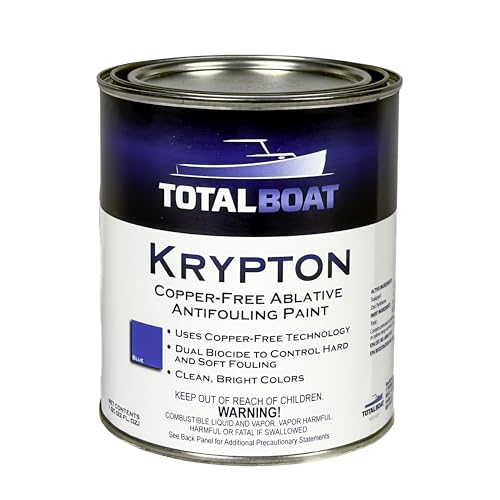
TotalBoat Krypton Copper-Free Antifouling Boat Bottom Paint Blue Quart

Fasco Epoxies Super Slick 2000 Epoxy Bottom Coating Quart Kit

Rust-Oleum Marine Metal Primer Quart

TotalBoat AlumiPaint AF Aluminum Boat Antifouling Bottom Paint Blue Gal
More Details On Our Top Picks
This is the pick for a hull that spends real time in the water, not just at the dock. The flat finish and antifouling focus make sense for owners who want a straightforward bottom coating without chasing a glossy look.
It’s built for fiberglass, wood, or steel, so the surface range is broader than the aluminum-specific primers in this list. The trade-off is clear, though, because this is a bottom paint rather than a prep coat, so it belongs on the underwater side of the job.
Strong Points
- Antifouling use suits underwater hulls.
- Flat sheen hides older coating wear.
- Works across several hull materials.
- Quick recoat timing helps planning.
Things To Consider
- It is not an aluminum primer.
- Bottom-only use narrows the job scope.
- Marine coatings still need careful prep.
Key Specs
Who It Suits Best
Boat owners with fiberglass or steel hulls who need a bottom coating for seasonal maintenance will get the cleanest fit here.
A Better Fit Elsewhere
TotalBoat AlumiPaint AF Aluminum Boat Antifouling Bottom Paint suits aluminum pontoons better, especially where metal compatibility sits ahead of general hull coverage.
Barrier coats earn their keep on boats that need more than simple color. This epoxy primer is built as a two-part system, meaning you mix the resin and hardener before application, and that extra step usually pays back in a tougher base layer.
For hull work above or below the waterline, it gives you a primer that pairs with topside paint, bottom paint, or fairing compound. That flexibility makes it a smart middle layer for refits, though the mixing step and induction period ask for more patience than a spray can primer.
What We Like
- Two-part epoxy builds a strong barrier layer.
- Works above and below the waterline.
- Pairs with several follow-on coatings.
- Useful for blister-prone fiberglass hulls.
- Also suits underwater metal prep.
Worth Noting
- Mixing adds an extra step to the job.
- Planning matters because of the induction period.
- It is a primer, not the finish coat.
Feature Rundown
Who Should Grab It
DIY boat owners doing a full refinishing cycle on fiberglass or metal hull sections will get the most from this primer.
Where A Sibling Pick Shines
Rust-Oleum Marine Metal Primer is the simpler route for above-waterline metal work, especially when you want a faster, narrower prep step.
For bare aluminum that needs a fast start, this spray primer keeps the process simple. The oil-based formula is meant to help paint stick to aluminum while adding a corrosion-resistant base, so it fits small repairs, railings, and other tight jobs.
Its high-output spray tip matters more than it sounds, because spraying at different angles makes awkward parts easier to cover. The trade-off is obvious, though, since a 15 oz can is better for targeted work than for large hull panels.
Highlights
- Built for bare aluminum surfaces.
- Sprays at almost any angle.
- Fast dry-to-touch time supports quicker topcoats.
- Good fit for spot priming and repairs.
- Indoor or outdoor use adds flexibility.
Areas To Watch
- Covers a small area compared with quart products.
- Spray format can be messy in windy spaces.
- Best suited to primer work, not finishing.
At A Glance
Built With In Mind
Aluminum boat owners handling rails, fittings, and small bare-metal areas will find the cleanest match here.
Swap It Out When
Rust-Oleum 8781502 Stops Rust Flat Aluminum Primer is a better fit for larger primer jobs that benefit from a quart format instead of a spray can.
This quart-size primer fills the middle ground nicely. It’s meant for aluminum and galvanized metal, so the fit is broader than a pure aluminum spray primer, and the water-based acrylic base makes cleanup easier than many solvent-heavy coatings.
Owners who maintain boats in regular use will likely appreciate the flat gray finish because it gives topcoats a steady base. The honest read is that it suits prep work more than showy finishing, but that’s exactly where a primer should earn its keep.
Upsides
- Works on aluminum and galvanized metal.
- Water-based acrylic cleanup is simpler.
- Flat finish helps later paint coverage.
- Good choice for interior or exterior prep.
Room For Improvement
- Quart format may still be small for larger hulls.
- It is a primer, so a topcoat is still needed.
- Prep quality still shapes the final bond.
Details At A Glance
Right Fit For
Boat owners who want a general-purpose primer for aluminum trim, fittings, or medium-size prep jobs will get solid value from this quart.
Look Elsewhere When
Rust-Oleum Professional Aluminum Primer Spray Paint suits tighter spaces better, especially when you need a quick aerosol application on small parts.
Copper-free bottom paint matters most on boats that live around sensitive aluminum hardware or mixed-water conditions. This one is aimed at single-season antifouling, so it fits owners who want protection from barnacles, slime, weeds, and algae without relying on copper chemistry.
The blue finish is a practical touch for people who like a cleaner-looking bottom coat than the usual dark marine options. Compared with Rust-Oleum Marine Boat Bottom Flat Blue Antifouling Paint, this TotalBoat option is the more aluminum-aware path, though it still asks for proper hull prep before coating.
Positives
- Copper-free formula suits aluminum hull concerns.
- Designed for fresh, salt, and brackish water.
- Single-season protection keeps maintenance planning simple.
- Blue color can look cleaner on display trailers.
Softer Spots
- Seasonal use means recurring repaint planning.
- Bottom paint still needs disciplined prep and masking.
- Blue color may show scuffs sooner than darker finishes.
Core Details
Who It Belongs On
Aluminum pontoon and hull owners who want antifouling protection without copper contact get the clearest match here.
A Better Fit Elsewhere
Rust-Oleum Marine Boat Bottom Flat Blue Antifouling Paint is the better match for fiberglass or steel hulls that do not need the same aluminum-safe focus.
Some hulls spend time on grass, mud, sand, or rough launch areas, and that’s where this epoxy coating starts to make sense. PTFE, a low-friction fluoropolymer, is the type of additive that helps a coated surface feel slicker under load, which matters most for airboats, jet skis, and similar craft.
The reinforced epoxy build points toward abrasion resistance rather than simple cosmetic coverage. The trade-off is that this is a more specialized product than the Rust-Oleum primers above, so it fits niche use cases better than general refinishing.
Best Bits
- Slick finish helps reduce drag.
- Built for rough launch surfaces.
- Works on aluminum and fiberglass hulls.
- Good match for airboats and PWCs.
- Epoxy base supports tougher wear resistance.
Minor Gripes
- Specialized use narrows the fit.
- Two-part epoxy means more planning.
- Overkill for basic paint touch-ups.
Feature Snapshot
Best Suited To
Owners of airboats, jet skis, and other craft that skim rough terrain will benefit most from the slick, abrasion-minded build.
Where Another Pick Suits Better
TotalBoat TotalProtect Marine Barrier Coat Epoxy Primer is the better starting layer for broad hull prep before you add a finish coat.
Above-waterline metal work needs a primer that keeps the finish coat anchored, and that’s the role this Rust-Oleum option fills. It works on bare, painted, or lightly rusted metal, so it’s useful on railings, fittings, and other exposed parts that still need a cleaner repaint path.
The coverage and dry-to-touch window make it a sensible maintenance product for boats that get regular attention. It sits closer to Rust-Oleum 8781502 than to the antifouling picks, but the bigger difference is its marine-metal focus above the waterline rather than general aluminum prep.
Bright Spots
- Improves adhesion for topcoats.
- Works on bare, painted, or lightly rusted metal.
- Useful for above-waterline marine parts.
- Sands easily for follow-up finishing.
Small Caveats
- It is limited to above-waterline metal prep.
- Primer use means a finish coat still follows.
- Not aimed at antifouling protection.
Technical Sheet
The Right Fit
Boat owners refreshing railings, brackets, and other above-waterline metal parts will find this primer especially useful.
Another Choice May Suit
Rust-Oleum Professional Aluminum Primer Spray Paint is the more convenient match for small aluminum pieces that benefit from an aerosol application.
This is the most direct match for aluminum hulls in the list. A copper-free antifouling paint avoids the common compatibility problem that comes with copper-based bottom coatings on aluminum, so it fits pontoons and aluminum boats that see salt or brackish water.
Compared with TotalBoat Krypton, this one is aimed even more squarely at aluminum and pontoon use. The blue color adds a cleaner look, while the single-season protection means you should think of it as part of regular upkeep rather than a one-and-done coating.
Best Bits
- Made specifically for aluminum and pontoons.
- Copper-free formula suits aluminum hulls.
- Designed for single-season maintenance cycles.
- Useful in salt and brackish water.
- Blue finish looks cleaner than plain dark coatings.
Points To Note
- Seasonal protection means ongoing upkeep.
- Bottom coating still depends on solid prep.
- Blue may show scuffs more quickly.
Feature Card
Whose Shelf It Belongs On
Owners of aluminum pontoons and hulls that live in salt or brackish water will get the clearest benefit from this paint.
Reach For A Different Pick When
TotalBoat Krypton Copper-Free Antifouling Boat Bottom Paint suits mixed-water ownership better if you want a copper-free bottom paint with broader water-type coverage.
How To Choose The Right Boat Paints For Aluminum Boats
Match The Product To The Hull Surface
Aluminum hulls need more than general marine paint. Bare aluminum usually calls for an adhesion primer first, because smooth metal gives topcoats less to grip, while antifouling paint belongs on the underwater side after the prep layer is handled.
That split matters in real use. A pontoon stored in a wet slip needs a different stack than a jon boat that gets trailered after every outing. Start by deciding whether the job is prep, barrier protection, or bottom coating, then choose from there.
Think About Water Exposure And Maintenance Rhythm
Freshwater, saltwater, and brackish water all change the kind of bottom protection you need. Copper-free formulas make more sense on aluminum hulls, while seasonal antifouling is a sensible fit for boats that get repainted once a year or so.
That’s where the listed TotalBoat options separate themselves. One is a broader antifouling choice, the other is aluminum-specific, and both are more specialized than a simple primer like Rust-Oleum Professional Aluminum Primer Spray Paint.
Choose Between Spray, Quart, And Two-Part Systems
Spray primers work well on small parts, fittings, and awkward angles because they cover quickly and get into tight spaces. Quart products suit broader prep jobs and offer more control, while two-part epoxy systems are the heavier-duty route for owners who want a stronger base layer.
The trade-off is time and effort. Sprays are convenient, quarts are more flexible, and epoxy systems ask for mixing and patience, but each format makes sense in the right repair path.
Keep Compatibility Ahead Of Color
Color matters, but compatibility matters more. A blue antifouling paint can look cleaner on a trailer, yet the real question is whether the coating works with aluminum, sits above or below the waterline, and supports the finish you plan to apply next.
That’s why primers and bottom paints belong in the same buying conversation. The right stack protects your work and saves you from stripping and redoing it later, which is exactly the kind of headache most aluminum boat owners want to avoid.
Things Worth Knowing First
Wrong Turns To Avoid
The most common mistake is buying a bottom paint when the hull only needs primer, or vice versa. Another easy miss is choosing a copper-based formula for aluminum, which makes compatibility the first thing to check before anything else.
Surface prep gets ignored too often. Bare metal, light rust, existing coatings, and the waterline all change the job, so the shorter the product path, the more carefully you need to match it to the boat.
What The Higher Tier Buys
Higher-tier marine coatings usually cost more because they add chemistry, not just color. Two-part epoxy systems, aluminum-safe antifouling blends, and specialized slip coatings use more demanding formulations that are built for harder conditions and longer service intervals.
That upgrade is worth it for pontoons in brackish water, hulls that see repeated launch abuse, or repaint jobs where adhesion really matters. For a simple touch-up on a rail or fitting, a basic primer is enough and the extra complexity would be wasted.
Final Thoughts
The cleanest choice depends on where your aluminum boat spends its time and what layer you actually need. For straight aluminum hull protection, TotalBoat AlumiPaint AF stands out as the most focused bottom-paint option, while the Rust-Oleum primers handle prep work with less fuss. If your hull needs a barrier coat before paint, TotalBoat TotalProtect is the more serious foundation. Match the product to the task, and the finish has a much better chance of holding up the way you want.
