

Running a trolling motor, powering a small skiff, or keeping a battery box organized on long days all comes down to steady power and the right fit. The wrong setup can leave you hauling extra weight, wrestling with awkward wiring, or spending more time managing gear than enjoying the water.
This roundup keeps the focus on size, chemistry, mounting style, and practical use on boats, kayaks, RV setups, and shore-side charging plans. You’ll see where sealed lead acid still makes sense, where lithium earns its keep, and where a smart battery box solves a different problem altogether.
Quick Look At The Shortlist
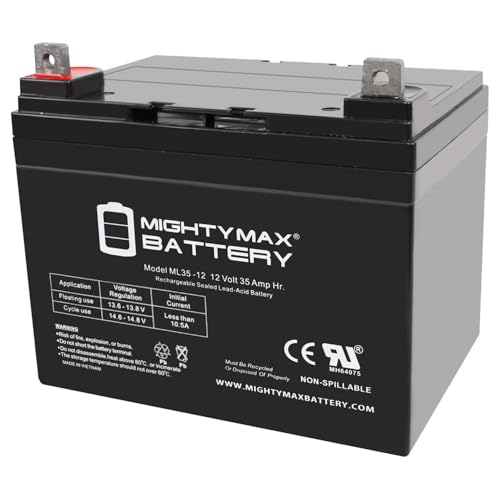
Mighty Max Battery 12V 35Ah Light Trolling Motor Battery

12V 150Ah Max LiFePO4 Battery, IP65 Waterproof 100A BMS

Litime 12V 100Ah Trolling Motor LiFePO4 Battery, Bluetooth, Group 31
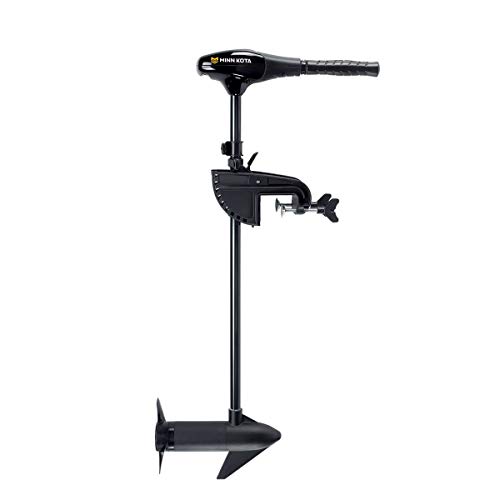
Minn Kota Endura C2 Transom-Mount Trolling Motor 30 Lb. Thrust
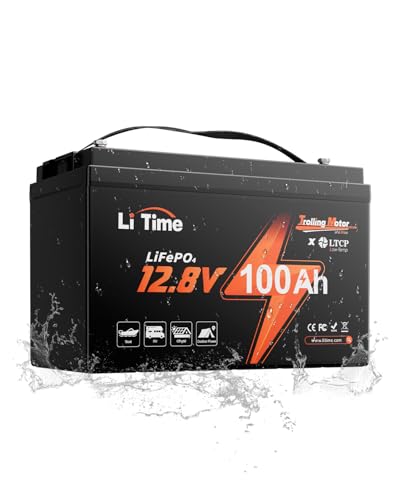
Litime 12V 100Ah Trolling Motor LiFePO4 Battery, Group 31, 100A BMS

Newport 12V50Ah Deep Cycle Heavy-Duty Marine Battery

SUNAPEX Trolling Motor Smart Battery Box 12V/24V Marine Power Center
Mighty Max Battery 12V 35AH Wilderness Tarpon 100 Kayak Trolling Motor Battery

SUNAPEX Smart Battery Box 12V/24V Power Center, Multi Ports
More Details On Our Top Picks
For small trolling motors and other lighter-duty uses, this 35Ah sealed lead acid battery keeps the setup straightforward. The AGM style, meaning absorbent glass mat, matters because it’s designed to stay sealed and maintenance-light, which suits boats, garages, and storage spaces where you don’t want mess or fuss.
You’ll notice the trade-off in weight and runtime compared with the lithium picks below, especially the Litime models. That said, for short outings, backup use, or a compact boat setup, it’s a sensible, familiar format that stays easy to manage.
Strong Points
- Sealed lead acid construction keeps routine care simple.
- AGM design suits enclosed storage areas better than spill-prone styles.
- 35Ah capacity fits modest trolling motors and short sessions.
- Works for more than boating, which helps in mixed-use setups.
Things To Consider
- Heavier than the lithium options in this roundup.
- Shorter usable runtime than higher-capacity batteries.
- Most useful where portability is less important than familiarity.
Feature Snapshot
Who It Suits Best
You’ll get the most from this one in a small boat, kayak support rig, or backup power role where simplicity matters more than long runtime.
A Better Fit Elsewhere
Litime 12V 100Ah Trolling Motor LiFePO4 Battery, Bluetooth, Group 31 suits you better for longer days on the water and a lighter carry.
This is the heavyweight reserve in the group, built around a 150Ah lithium iron phosphate pack and a 100A battery management system, or BMS, which manages charge and discharge limits. That setup suits long trips, multi-device power use, or anyone who’d rather carry one larger battery than juggle smaller spares.
The higher capacity helps most on camping, RV, or off-grid systems, while the IP65 rating gives you a sealed enclosure that handles splashes and dust better than open-style gear. The trade-off is cost and size, so it makes more sense for longer power demands than for a quick afternoon spin.
What We Like
- Large 150Ah capacity supports extended use between charges.
- Lithium chemistry keeps weight down versus lead-acid packs of similar output.
- 100A BMS helps manage the pack under real load.
- IP65 sealing is useful around damp docks and rough storage conditions.
- Strong fit for RV or off-grid power planning beyond boating.
Worth Noting
- Its size makes it less convenient for small craft.
- It’s more battery than many weekend-only boat setups need.
- Expect more planning around charger compatibility and mounting space.
Core Details
Who Will Love This
You’re the best match for this battery if your boat days run long and your power list includes electronics, lights, or backup camping gear.
Another Choice May Suit
Newport 12V50Ah Deep Cycle Heavy-Duty Marine Battery fits better for lighter marine loads and a simpler sealed AGM setup.
Bluetooth control sets this Litime apart from the simpler batteries above, because you can check status from a phone instead of opening compartments and guessing. That’s useful on a boat with tight storage, especially when the battery sits low in a hatch and you just want a quick status check before heading out.
It also includes low-temperature protection, which matters in cooler climates where charging and discharging conditions can get awkward. Compared with the larger 150Ah option, this one is easier to size into a standard marine setup while still offering modern monitoring and a Group 31 footprint.
Highlights
- Bluetooth monitoring gives you a quick status check from your phone.
- Group 31 sizing fits many common marine battery trays.
- Low-temperature safeguards help in shoulder-season boating.
- LiFePO4 chemistry keeps weight far below lead-acid equivalents.
- Good middle ground for boaters who want data without oversizing.
Points To Note
- Bluetooth features add value mostly for people who like visible battery data.
- Its 100Ah class is solid, though not as large as the 150Ah pick.
- Space planning still matters, especially in smaller compartments.
Details At A Glance
Built With In Mind
You’ll appreciate this most on a fishing boat, yacht, or RV-style power setup where monitoring matters as much as runtime.
Swap It Out When
12V 150Ah Max LiFePO4 Battery, IP65 Waterproof 100A BMS makes more sense for longer off-grid stretches and bigger total energy demand.
Not every setup needs a bigger battery story, and this transom-mount motor is proof that the control side matters too. The 6-inch telescoping tiller gives you a little extra reach, while the push-to-test meter helps you check battery status without guessing through the day.
The 10-position bracket and five forward plus three reverse speeds make it easy to dial in pace on freshwater outings. Compared with a battery-only pick like the Newport or Mighty Max options, this is the part that turns stored power into actual boat movement, so it’s the anchor piece in a simple fishing rig.
Best Bits
- Telescoping tiller improves comfort during long sessions.
- Push-to-test meter gives quick battery awareness on the water.
- Speed range helps with both slow trolling and repositioning.
- Composite bracket is built for marine wear and daily handling.
- Power prop suits heavier vegetation better than a basic prop setup.
Small Caveats
- Freshwater focus makes it a more specific fit.
- Thirty inches of shaft suits certain hull heights better than others.
- Motor care and storage matter, especially after wet outings.
Quick Facts
Right Fit For
You’re the best match here if you fish freshwater from a small boat and want simple, dependable control instead of app-based extras.
Look Elsewhere When
SUNAPEX Smart Battery Box 12V/24V Power Center fits better for power management and accessory charging rather than propulsion.
This Litime keeps the same 100Ah class as the Bluetooth version, but the appeal here is simpler packaging around the same marine-friendly lithium format. The Group 31 size is useful because it fits common trays, and the 100A BMS helps manage current in day-to-day use without extra clutter.
Compared with the larger 150Ah battery, it’s easier to place and usually easier to live with in a boat compartment. For mixed-use owners who split time between marine, RV, and solar charging, that balance can feel more practical than chasing the biggest number on the page.
Upsides
- Light weight helps with carry-in and installation.
- Group 31 sizing works with many common marine trays.
- 100A BMS supports regular trolling motor use.
- LiFePO4 chemistry usually suits long-term ownership well.
Softer Spots
- No Bluetooth monitoring on this version.
- 100Ah capacity is sensible, though not oversized.
- Still a better fit for organized storage than cramped compartments.
Feature Rundown
The Right Fit
You’ll likely appreciate this most if you want a straightforward lithium upgrade for a boat, camper, or solar setup without app-based extras.
Where A Sibling Pick Shines
Litime 12V 100Ah Trolling Motor LiFePO4 Battery, Bluetooth, Group 31 is the smarter match for anyone who likes phone-based battery checks.
This Newport leans into the middle ground, with a 50Ah sealed AGM build that suits many modest marine setups. AGM, or absorbent glass mat, means the electrolyte is held in glass mat separators, which helps keep the battery sealed and easier to manage in a boat.
That shape makes sense for anglers who want a familiar battery format without stepping into larger lithium territory. Compared with the Mighty Max 35Ah pick, you get more reserve, though you still stay well below the capacity of the big lithium options.
Positives
- Sealed AGM construction keeps ownership straightforward.
- 50Ah capacity gives more breathing room than the smaller 35Ah batteries.
- Suitable for trolling motor use in moderate setups.
- Handle and overall form make moving it around easier.
Areas To Watch
- Heavier than lithium batteries with similar real-world usefulness.
- Not the right pick for very long outings.
- AGM is familiar, though not as light as newer lithium options.
Core Details
Best Suited To
You’re a good match here if you want a dependable marine battery for steady use and don’t need the weight savings of lithium.
Skip It When
12V 150Ah Max LiFePO4 Battery, IP65 Waterproof 100A BMS fits better for long stretches away from shore power.
This battery box solves a different problem from the batteries in the first half of the list, because it’s about organization, ports, and protection around the battery you already own. The digital voltmeter, lighting, USB ports, and cigarette lighter socket turn it into a compact control point for a small boat or mobile power rig.
The fit range for Group 24, 27, and 31 batteries makes it more flexible than a one-size tray, though you still need to match the box to the battery you plan to use. For night setups or shuttling gear between dock and truck, the built-in light is a useful little touch rather than a gimmick.
Reasons To Buy
- Turns a battery into a more organized power station.
- USB ports and lighter socket handle smaller accessories.
- Voltmeter helps you keep an eye on charge status.
- Built-in light helps in dim docks and evening launches.
Minor Gripes
- It’s a housing, not a battery itself.
- You’ll need to confirm your battery size before setup.
- The accessory-focused layout is less useful if you want pure simplicity.
Technical Sheet
Made For
You’ll get the most value from this if your boat setup already has a battery and you want cleaner cable management with a few useful ports.
Reach For A Different Pick When
Minn Kota Endura C2 Transom-Mount Trolling Motor 30 Lb. Thrust is the better choice when propulsion matters more than power distribution.
Kayak anglers need small, manageable power more than they need bulk, and this 35Ah Mighty Max fits that pattern well. The sealed construction keeps things tidy, while the modest size makes it easier to tuck into a tight layout beside tackle and safety gear.
Compared with the larger marine batteries in this roundup, the honest read is that this one makes the most sense for short outings and a lighter electrical load. It stays close to the ground in both size and complexity, which is exactly why kayak owners tend to look at it first.
Bright Spots
- Small footprint suits kayak layouts better than full-size marine packs.
- Sealed battery construction helps with neat storage.
- 35Ah rating is enough for modest motor demands.
- Also works for other compact-use cases beyond kayaking.
What To Watch
- Not the right match for long sessions or heavier boats.
- Runtime stays limited compared with larger lithium options.
- Storage planning matters because kayak space gets tight fast.
At A Glance
Whose Shelf It Belongs On
This one suits kayak owners and other compact craft users who want a simple battery size that doesn’t crowd the boat.
Another Choice May Suit
Litime 12V 100Ah Trolling Motor LiFePO4 Battery, Bluetooth, Group 31 is a better step up for boaters who need longer runtime and lighter carry.
This SUNAPEX box leans further into full power management, with dual 30A Anderson ports, QC3.0, USB-C PD, a 16A overload switch, and a digital voltmeter. That kind of layout suits gear-heavy setups where you want more than a basic battery tray and a couple of sockets.
The battery-not-included part matters, because this is for people building a power center around an existing battery instead of starting from zero. Compared with the simpler SUNAPEX box above, this version makes more sense for higher-output accessories and a more demanding load plan.
What We Like
- Two Anderson ports support more demanding accessory setups.
- USB-C PD and QC3.0 give you modern charging options.
- Digital voltmeter keeps power checks easy.
- Built-in light helps in low-light dock use.
- Works well as a central hub for marine, RV, or solar gear.
Trade Offs
- Battery is sold separately, so setup takes more planning.
- Most useful once you already know your power needs.
- The extra ports matter less for very simple boat rigs.
Core Details
Built With In Mind
You’re the right match here if you want a powered control box for a boat, RV, or solar setup and already have a battery selected.
Where Shoppers Go Wrong
Newport 12V50Ah Deep Cycle Heavy-Duty Marine Battery is the simpler choice when you want a plain battery instead of a more involved power center.
How To Choose The Right Boat Motor Battery
Start With Power Needs, Not Just Voltage
Voltage tells you the electrical system match, but amp-hours tell you how long the battery can keep going. A 35Ah lead acid battery works for light, short use, while a 100Ah or 150Ah lithium pack suits longer outings and heavier accessory loads.
For kayak fishing or small boats, modest capacity is often enough and easier to carry. For longer runs, live electronics, or all-day trolling, you need more stored energy than a quick label can suggest.
Match Chemistry To Real Use
Sealed lead acid and AGM batteries are familiar, steady, and usually simpler to understand. Lithium iron phosphate, often shortened to LiFePO4, is lighter and usually better for long-term portable use, though it asks for more attention to charger fit and system planning.
The honest trade-off is weight versus upfront complexity. AGM feels straightforward for occasional use, while lithium makes daily hauling and repeated cycles easier on your back and often on your routine too.
Think About Size, Weight, And Storage
Group 31 batteries fit many common marine trays, which helps when you want fewer surprises during installation. Smaller batteries, such as the 35Ah options here, are easier to move but won’t give you the same runtime reserve.
Battery boxes add another layer, especially for boats that need ports, lighting, or a voltmeter in one place. That matters most on crowded decks and compact craft, where cable clutter becomes a real annoyance.
Choose Features That Solve A Real Problem
Bluetooth monitoring helps you check status without digging into compartments, and low-temperature protection matters in colder conditions where charging can get tricky. A 100A BMS also adds structure to lithium use by managing current more deliberately.
Look for the feature that saves you the most friction, not the one that sounds most impressive. For many boaters, that’s simple fit and runtime; for others, it’s a smart box that keeps the whole setup orderly.
What To Weigh Before You Commit
Traps First Timers Fall Into
Many shoppers focus on thrust or capacity alone and miss the shape of the whole setup. A battery that fits the numbers can still be awkward if it doesn’t match your tray, hatch, or carry plan.
Another common miss is pairing a lithium battery with gear that expects a different charging profile. That’s where a little prep saves a lot of hassle later.
What The Higher Tier Buys
Higher-end options usually cost more because you’re paying for lighter weight, longer cycle life, smarter control electronics, or better enclosure protection. Bluetooth, low-temperature safeguards, and stronger current management all add parts and design work.
That upgrade makes sense when your boat runs often, your rig carries multiple devices, or you hate hauling heavy batteries. For occasional use close to shore, a simpler sealed battery can still be the smarter spend.
Final Thoughts
Your best choice depends on how you boat, how far you run, and how much weight you want to lift every time you load the car or trailer. The lithium picks suit longer days and more demanding setups, while the AGM and sealed lead acid options still make sense for simpler rigs. A smart battery box fills a different role, and it can be the right answer when your real problem is organization instead of raw capacity. Match the battery to your actual routine, and the rest gets easier.
