

Boat surfaces take a beating from sun, spray, soot, and constant washing, so the right coating has to do more than look glossy on day one. You need something that matches how you maintain your vessel, whether that means quick spray-and-rinse upkeep or a longer-form coating for a hauled-out weekend project. The picks below separate fast maintenance products from more durable options, so you can match effort, finish, and use case without guessing.
The Shortlist At A Glance

Presta Hydro Protek Ceramic Coating 1 Gal.

303 Spray & Rinse Ceramic Sealant 16 oz

Adam’s Advanced Graphene Ceramic Spray Coating Kit
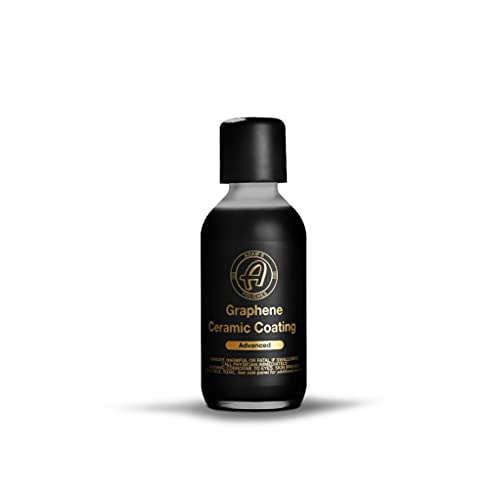
Adam’s Polishes Advanced Graphene Ceramic Coating

Adam’s Polishes UV Graphene Ceramic Coating

Adam’s Advanced Graphene Ceramic Coating Standard Kit

CERAKOTE Aircraft Ceramic Coating 60 ml Kit

Marine Shine & Shield 42% Ceramic Spray
More Details On Our Top Picks
A one-gallon marine coating makes sense for hulls, transoms, and dock-side maintenance where smaller bottles turn into frequent reorders. Presta’s format also fits owners who want a coating-style product with corrosion and rust inhibitors built into the use case, which matters around saltwater storage and damp trailer time.
Compared with the spray-first picks later in this list, this one leans toward coverage and repeat use rather than quick touch-ups. The honest trade-off is obvious, it asks more from storage space and application planning, but that same size is useful for larger boats or shared detailing jobs.
Strong Points
- One-gallon volume suits larger hulls and repeated maintenance sessions.
- Corrosion and rust inhibitor positioning fits damp marine environments.
- Made in the USA may matter to some service shops and home owners.
- Better aligned with full-boat coverage than small spray bottles.
Things To Consider
- The larger container takes more shelf space than compact spray sealants.
- Application planning matters more than with rinse-on maintenance products.
- Storage discipline matters, since a large liquid container is less casual to keep on a small boat.
Feature Rundown
Who It Suits Best
You get the most from this pick on larger boats, fleet maintenance, or regular dockside upkeep where coverage matters more than compact packaging.
A Better Fit Elsewhere
303 Spray & Rinse Ceramic Sealant suits smaller boat owners who want a lighter upkeep routine and less storage commitment.
This is the easiest maintenance-minded choice in the group, especially for owners who wash often and want a shorter post-wash routine. A spray-and-rinse format means you’re not building a whole detailing day around the coating, which is a real advantage on trailered boats that come home dirty but not neglected.
Unlike Presta’s gallon format, this one favors convenience over bulk coverage. The trade-off is simple, you get speed and simplicity, but not the same large-project feel that a full marine jug offers for heavy rotation use.
What We Like
- Spray-and-rinse use keeps the routine straightforward.
- The 16 oz size is easier to store on board or in a wash bay.
- Works well for regular upkeep after routine washing.
- Better fit for owners who prefer fast finishing steps.
Worth Noting
- The smaller bottle asks for more mindful coverage on larger hulls.
- Best results depend on a clean surface, so prep still matters.
- It is more of a maintenance sealant than a heavy-duty, all-season reset.
Quick Facts
Who Will Love This
You’ll appreciate this most for routine wash days, especially on smaller runabouts or boats that get cleaned often.
Another Choice May Suit
Glidecoat Marine Shine & Shield is the stronger match for owners who want a richer spray sealant with a more marine-focused finish.
Adam’s takes a more modern route here, pairing a spray format with graphene oxide language and a kit-style presentation. That mix matters for owners who want an easier application path than a traditional coating bottle, especially on boats, RVs, and motorcycles that all share a similar need for glossy, wipe-friendly protection.
The included UV-tracing concept is the standout detail, because it helps you visually track coverage during application with the right light. The catch is that the extra feature only helps if you already want a careful, detail-oriented process, so this feels better for cautious applicators than for casual weekend wiping.
Highlights
- Sprayable format lowers the barrier for multi-surface maintenance.
- Graphene oxide positioning gives it a more advanced product profile.
- UV tracing support helps with coverage awareness during application.
- Useful across boats, RVs, and motorcycles, not just one vehicle type.
- Kit format fits owners who like a more complete box.
Areas To Watch
- The advanced wording signals a more involved process than a simple rinse-on sealant.
- Best value shows up when you actually use the UV-tracing feature.
- Spray coatings can still demand careful prep on older or uneven finishes.
Details At A Glance
Whose Shelf It Belongs On
You get the most from this kit if you maintain more than one vehicle and want a spray coating with a more technical feel.
Where A Sibling Pick Shines
303 Spray & Rinse Ceramic Sealant is simpler for casual upkeep and easier for quick post-wash use.
This is the most commitment-heavy pick in the lineup, and that’s exactly why it fits detail-minded owners. The 10H hardness claim signals a harder cured surface than a spray sealant, while the long protection window points toward a more permanent-feeling result for a car that also sees marine exposure on transport or at the dock.
Compared with Adam’s spray kit, this one is built for a more deliberate application and a longer ownership cycle. The trade-off is that it asks for time, prep, and patience, so it suits a weekend project better than a quick wash-bay finish.
Upsides
- 10H hardness positioning points to a more serious coating approach.
- Long protection window suits owners who want less frequent reapplication.
- UV technology helps during application, especially on larger panels.
- Good fit for meticulous detailing on high-value paintwork.
- Stronger long-term orientation than spray-only marine sealants.
Minor Gripes
- Application takes more attention than a spray-and-rinse product.
- Best suited to prepared surfaces, so prep work remains part of the job.
- The process is less casual for owners who want fast maintenance.
Core Details
Perfect Match For
You’ll get the most from this if you want a long-horizon coating for a carefully maintained vehicle or boat-adjacent finish.
Look Elsewhere When
Adam’s Polishes UV Graphene Ceramic Coating suits you better when you want the same brand’s UV assist but with a slightly more accessible kit structure.
UV glow technology changes the application story here, because it gives you a visible cue instead of asking you to trust your eye alone. That matters on large side panels, dark finishes, and any surface where uneven coverage is easy to miss after a long wash session.
Relative to the standard kit above, this version reads as the more application-friendly option for careful do-it-yourself work. The honest downside is that the UV assist is only as useful as your willingness to work slowly and prep the surface properly, so it rewards patience more than speed.
Bright Spots
- UV glow support helps with coverage visibility.
- 10H coating positioning suits owners who want a firmer finish.
- 7+ year protection claim makes it a long-view choice.
- Useful on cars, boats, RVs, and motorcycles, which broadens fit.
- Good for careful applications on darker paint where missed spots stand out.
Softer Spots
- Application still depends on solid prep work.
- The UV feature helps most when you already have a deliberate process.
- Less appealing for owners who want a fast spray and walk away routine.
Feature Snapshot
The Right Fit
This suits meticulous owners who want visual confirmation during application and do not mind a more careful coating process.
Swap It Out When
303 Spray & Rinse Ceramic Sealant is the easier path for frequent wash-day upkeep and shorter application sessions.
The standard kit sits between the simpler spray format and the more advanced graphenic kit, which makes it a practical middle lane for careful home detail work. You still get the long-horizon coating orientation and 10H language, but the package feels less intimidating than the most feature-packed versions.
That balance matters for garage users who want strong results without moving into a specialty-tool mindset. The trade-off is that it still asks for proper prep and patience, so this is not a shortcut product, just a more straightforward path than the higher-feature options around it.
Reasons To Buy
- Middle-ground kit structure feels approachable for serious home use.
- 10H coating positioning points to a tougher cured finish.
- Long protection claim suits less frequent reapplication cycles.
- Good fit for owners who want serious coating behavior without extra complexity.
Points To Note
- Still demands prep, so it’s not a fast maintenance spray.
- Best suited to owners comfortable with a more deliberate routine.
- The package is more compact in concept than the spray kit, but the process remains coating-oriented.
At A Glance
Built With In Mind
You’ll like this most if you want a serious coating kit for a garage project without stepping into the most technical package.
Reach For A Different Pick When
Adam’s Advanced Graphene Ceramic Spray Coating Kit is easier to handle for owners who want spray convenience across more than one vehicle type.
This one is tuned for aircraft paint and brightwork, so it belongs in a more specialized conversation than the boat-first sprays around it. The Boeing BSS7432 testing reference gives it a clear compatibility story for aviation surfaces, and that matters in a setting where gloss, soot management, and exposure to harsh conditions all stack up quickly.
For aircraft owners or detailers working around polished aluminum, the appeal is straightforward, a cleaner wipe-down and a more durable-looking finish between washes. The trade-off is equally clear, the 60 ml format is specialized and compact, so it is not the casual all-purpose bottle most boat owners will reach for.
Best Bits
- Aircraft-specific focus gives it a clear niche.
- Boeing BSS7432 testing reference adds compatibility context.
- Works on painted surfaces and brightwork.
- Designed to help keep soot and grime from clinging as strongly.
- Hydrophobic behavior supports easier wash-downs between flights.
Small Caveats
- The specialized format is more niche than the boat-friendly sprays.
- 60 ml volume is compact, so large-scale coverage is not the point.
- Best fit is clear only when aircraft use is the goal.
Technical Sheet
Made For
You get the best match here if you maintain aircraft finishes and want a product aimed at aviation surfaces rather than general boat care.
Not Your Match When
Glidecoat Marine Shine & Shield makes more sense for boat owners who want a marine-focused spray with broader everyday upkeep value.
Glidecoat’s spray sealant leans hard into marine maintenance, which makes it easy to place for owners who want visible shine without stepping into a full coating project. The 42 percent ceramic spray positioning and hydrophobic language point toward a slick finish that fits regular wash routines on boats, trailers, and even other outdoor gear.
Compared with 303’s simpler spray-and-rinse format, this one reads as the more finish-forward choice. You may find it especially useful on boats that sit in the sun often, because the UV protection angle and marine sealant profile make more sense when the deck spends long hours exposed.
Standout Traits
- Marine-focused spray format suits regular boat maintenance.
- 42 percent ceramic spray positioning suggests a more concentrated approach.
- Hydrophobic behavior helps water bead and run off more readily.
- UV protection angle fits boats stored or used in strong sun.
- Good choice for owners who want visible gloss without a full coating project.
Room For Improvement
- The stronger finish focus still depends on good prep.
- Spray sealants need more frequent renewal than long-term coatings.
- Large boats may still call for more product than a single bottle suggests.
Core Details
Who Should Grab It
This suits boat owners who want a marine sealant feel with stronger visual payoff than a basic rinse aid.
Where Shoppers Go Wrong
Presta Hydro Protek is the better lane for larger coverage needs, especially when you want one container to serve repeated larger jobs.
How To Choose The Right Boat Ceramic Coatings
Start With Your Maintenance Rhythm
Your routine matters more than the marketing language on the label. A spray-and-rinse product fits boats that get washed often, while a long-form coating makes more sense for a vessel that gets detailed less often but receives a deeper session each time.
Think about storage, too. A gallon like Presta Hydro Protek is useful for larger boats and repeat jobs, but a 16 oz bottle is easier to keep in a wash tote or storage bin.
Match The Product To The Surface And Job
Boat surfaces vary more than many people expect, from gelcoat and paint to polished metal and brightwork. Aircraft-focused CERAKOTE belongs in a very different lane from Glidecoat’s marine sealant, even though both aim to improve slickness and water shedding.
That’s why coating type matters. Spray sealants are friendlier for upkeep, while harder, longer-horizon coatings such as Adam’s Advanced Graphene Ceramic Coating fit owners who want a more deliberate finish with less frequent reapplication.
Look For Application Aids That Fit Your Habits
UV tracing and glow technology sound technical, but the practical value is simple, they help you see where product has landed. That can reduce missed spots on dark paint, large decks, or awkward angles around rails and trim.
The trade-off is time. Products with coverage aids usually reward patience, surface prep, and slower application, so they suit detail-minded owners more than someone chasing the fastest possible wash-day finish.
Balance Finish, Durability, And Effort
The right choice usually sits where those three lines meet. A durable coating can be worth the extra work for a high-value boat or a vehicle that lives outdoors, while a simpler spray sealant often wins for weekly upkeep and fast turnover.
That balance is the real decision. You’re not just buying shine, you’re choosing how much time you want to spend applying, maintaining, and storing the product over the season.
A Quick Reality Check
Common Shopping Slip Ups
Many shoppers reach straight for the biggest claims and ignore how the product fits the actual maintenance schedule. A long-term coating can feel impressive, yet it may be overkill for a boat that gets quick rinses after every outing.
Another common miss is forgetting about container size and storage. A gallon is handy for frequent large jobs, but it can be awkward on a small trailer boat or in a cramped garage.
What The Higher Tier Buys
More expensive options in this category usually pay for longer durability, better application aids, and more specialized chemistry. That can mean harder cured surfaces, clearer coverage visibility, or a finish built for harsher exposure.
The upgrade makes sense for owners who maintain high-value paint, polished metal, or aircraft surfaces, and for anyone who would rather apply once with more care than keep refreshing a simpler spray all season.
Final Thoughts
Boat ceramic coatings make the most sense when you match the product to how you actually care for the surface. For quick upkeep, the spray sealants are easier to live with, while the longer-horizon coatings suit owners who want a more committed finish and fewer repeat sessions. CERAKOTE stands apart for aircraft use, and Glidecoat brings a marine-first spray profile that feels practical on the water. Pick the lane that fits your routine, and the rest gets simpler.
