

Battery Vrla Agms matter most when you need steady power without a lot of fuss, whether that means a UPS on a desk, a mower in the shed, or a trolling motor on the water. The right pick comes down to voltage, amp-hour capacity, terminal style, and how much physical space you have for the battery. You’ll see small 7Ah units for compact equipment, midrange 10Ah to 18Ah choices for common household backup gear, and larger 30Ah to 35Ah options for longer run time. The list below keeps those use cases separate so you can match the battery to the job instead of guessing.
Quick Look At The Shortlist
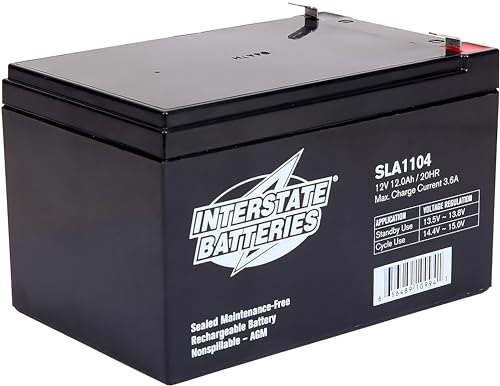
Interstate Batteries SLA Battery 12V 12Ah AGM VRLA (F2 Terminal) SLA1104

Interstate Batteries SLA Battery 12V 18Ah AGM VRLA (Nut&Bolt Term.) SLA1116

Interstate Batteries SLA Battery 12V 35Ah AGM VRLA (Flag Terminal) SLA1155

Interstate Batteries High Rate Battery 12V 9Ah SLA AGM VRLA HSL1079

Interstate Batteries SLA Battery 12V 18Ah AGM VRLA (2-Pack) SLA1116
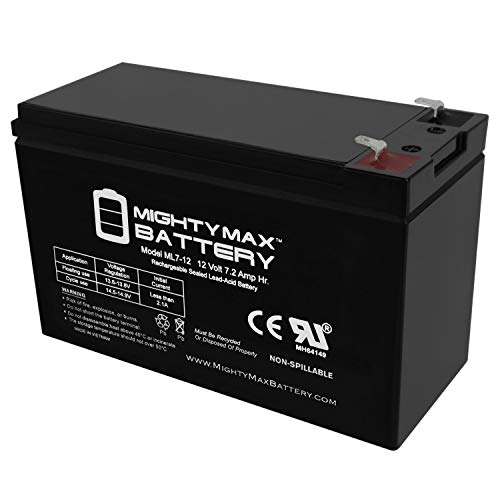
Mighty Max Battery 12V 7Ah Agm Sla Rechargable Vrla Battery

VMAX V30-800 12 Volt 30Ah AGM Deep Cycle SLA VRLA Battery

ExpertPower 12V 10AH VRLA Rechargeable AGM Sealed Lead Acid Battery

Interstate Batteries SLA Battery 12V 10Ah AGM VRLA (F2 Terminal) SLA1097
More Details On Our Top Picks
The 12Ah capacity keeps this Interstate battery aimed at compact backup jobs, and the F2 faston tab style makes it fit neatly into plenty of small devices. In a home office UPS, an alarm panel, or similar equipment, that size is often the sweet spot between runtime and footprint.
AGM means absorbent glass mat, so the electrolyte stays held in place inside the battery rather than sloshing around. The trade-off is straightforward, since you need the exact terminal style and dimensions, but you gain a sealed, maintenance-free setup that suits set-and-forget gear.
Strong Points
- 12Ah capacity fits many small backup devices without taking much space.
- AGM construction supports sealed use in enclosed equipment bays.
- Maintenance-free design suits installations you do not want to babysit.
- F2 terminals make wiring tidy in compatible gear.
Areas To Watch
- F2 tabs only work with matching connectors, so compatibility matters.
- The compact size limits runtime compared with larger 18Ah or 35Ah choices.
- It fits better in small equipment than in bigger systems that need longer backup time.
Feature Snapshot
Who It Suits Best
Home backup setups, alarm systems, and compact devices that need a small sealed battery fit this model well.
A Better Fit Elsewhere
Interstate Batteries SLA Battery 12V 18Ah AGM VRLA (Nut&Bolt Term.) SLA1116 suits you better when the device has a fixed mounting point and needs longer runtime.
This 18Ah Interstate battery steps up capacity without jumping into bulky territory, so it makes sense for devices that stay installed and need a little more stamina. The nut-and-bolt terminal style is the clue here, because it favors secure connections in gear that does not move around much.
Compared with the 12Ah SLA1104 above, this one is the better fit for setups that ask for longer service between charges. You may find the terminal style less convenient for quick swaps, but that same setup often feels sturdier in fixed equipment.
What We Like
- 18Ah capacity offers more breathing room than smaller 12Ah options.
- Nut-and-bolt terminals can help create a firmer connection in permanent installs.
- AGM and VRLA construction keep maintenance low for steady-use equipment.
- The size still stays manageable for many indoor backup or mobility uses.
- It suits devices that need dependable runtime without moving to a large case.
Points To Note
- The terminal style is less convenient for fast plug-and-play swaps.
- It takes more room than the 12Ah Interstate option, so measure carefully.
- The extra capacity helps, but it still is not the right match for very long runtime needs.
Core Details
Who Will Love This
You benefit most here in fixed devices that stay connected for long stretches, such as backup systems and enclosed equipment.
Where A Sibling Pick Shines
Interstate Batteries SLA Battery 12V 35Ah AGM VRLA (Flag Terminal) SLA1155 suits you better when runtime matters more than compact size.
Once you move up to 35Ah, you’re looking at a battery that makes more sense for longer backup periods or equipment that draws power over time. The flag terminal style helps with certain devices that expect a flat connection point, and the larger case signals that this is not meant for tiny enclosures.
It sits in a different lane from the 18Ah Interstate model, because runtime and footprint now matter more than easy portability. The honest read is that it’s a strong fit for UPS backups, emergency lighting, mobility gear, and similar use cases where a bigger battery can earn its keep.
Highlights
- 35Ah capacity gives you more runtime than the smaller batteries in this list.
- Flag terminals can work well in equipment built around that connection style.
- AGM and VRLA construction keep the battery sealed and lower maintenance.
- The format suits backup and mobility gear that needs a stronger reserve.
- It lines up well with heavier duty use cases instead of light-duty tabletop devices.
Worth Noting
- The larger size can be awkward in compact battery trays.
- It asks for more space than the 12Ah and 18Ah options.
- For small devices, the added capacity can be more battery than you need.
Details At A Glance
Made For
Backup systems, mobility equipment, and equipment that benefits from longer run time suit this battery best.
Another Choice May Suit
Interstate Batteries High Rate Battery 12V 9Ah SLA AGM VRLA HSL1079 is the smarter match for UPS-style systems that need quick response rather than long endurance.
The “high rate” label tells you what this battery is built to do, support equipment that needs a quick burst of dependable power rather than long, slow discharge. In a UPS room or server rack environment, that focus matters more than raw capacity alone, because the battery has to respond cleanly during interruption.
Compared with the 35Ah model, this one is less about endurance and more about fast standby performance. For most home office backup setups, that trade-off makes sense, though you’ll want to keep the 9Ah capacity in mind if runtime is your main priority.
Best Bits
- High-rate design suits standby systems that need quick output.
- 9Ah size keeps it relatively compact for backup installations.
- AGM and VRLA construction support sealed, low-maintenance use.
- It fits the kind of equipment where response matters more than long runtime.
Small Caveats
- It is not the pick for long discharge periods.
- Capacity is lower than the 12Ah, 18Ah, and 35Ah options here.
- It makes the most sense in equipment designed around high-rate needs.
Quick Facts
Who Should Grab It
You get the most from this battery in UPS setups and similar standby systems that need responsive power delivery.
Skip It When
Interstate Batteries SLA Battery 12V 35Ah AGM VRLA (Flag Terminal) SLA1155 is the better match when your setup needs far more runtime than quick standby response.
The 2-pack format changes the appeal here, because you’re not just choosing capacity, you’re also getting a spare on hand for matching equipment or future replacement needs. That matters in households or small workshops where the same battery size shows up more than once.
It shares the same 18Ah profile as the single Interstate battery above, so the practical difference is how you manage replacement planning. You may not need two right away, but having a second unit ready can save you from hunting for a matching battery later.
Upsides
- Two batteries in the package suit setups that need a spare on hand.
- 18Ah capacity offers more runtime than smaller compact models.
- Nut-and-bolt terminals support a secure fixed installation style.
- AGM and VRLA construction keep upkeep simple.
- Good fit for households or equipment fleets that use the same battery size.
Things To Consider
- You need enough storage room for two units, not just one.
- It only makes sense when you can use both batteries or want a backup pair.
- The terminal style still favors stationary installs over quick swaps.
Feature Card
The Right Fit
This suits you best when you want a matched pair for similar devices or a spare battery ready for later.
Reach For A Different Pick When
Interstate Batteries SLA Battery 12V 18Ah AGM VRLA (Nut&Bolt Term.) SLA1116 is enough on its own if you only need a single replacement and do not want extra storage.
Small equipment is where this Mighty Max battery makes the most sense, because its 7Ah capacity and narrow body suit tight spaces better than the larger Interstate options. It also ships as battery-only, which is worth keeping in mind for gear that needs a separate harness or mounting hardware.
Compared with the Interstate 9Ah and 10Ah choices, this one trims size further, so you trade runtime for a smaller footprint. In wall alarms, portable electronics, or compact backup gear, that trade-off can feel very practical.
Bright Spots
- 7Ah size works well in compact equipment bays.
- AGM and SLA construction support sealed installation.
- Maintenance-free design keeps routine upkeep simple.
- Can be mounted in any position, which helps in cramped layouts.
- Shock and vibration resistance suit portable or frequently handled gear.
Honest Caveats
- Battery-only packaging means you handle your own wiring and mounting pieces.
- Runtime is shorter than the 9Ah, 10Ah, 12Ah, and 18Ah picks.
- It fits best in smaller devices rather than longer-duration backup systems.
At A Glance
Whose Shelf It Belongs On
You’ll get the most from this in small alarms, portable equipment, and narrow battery compartments.
Look Elsewhere When
ExpertPower 12V 10AH VRLA Rechargeable AGM Sealed Lead Acid Battery is a better fit for you when you want a little more capacity without moving to a much larger case.
This VMAX battery sits in the deep-cycle lane, which means it’s built around longer, steadier discharge rather than brief standby bursts. For boats, RVs, solar storage, and trolling motor setups, that profile matters because the battery has to keep going over time instead of just reacting to a quick outage.
The 30Ah rating puts it in a different class from the smaller 7Ah and 9Ah units in this roundup, and that gap shows up in real use. The trade-off is size and weight, which are the usual price of getting more usable runtime for marine and off-grid work.
Reasons To Buy
- 30Ah capacity supports longer sessions than the compact picks here.
- Deep-cycle design suits slow, steady discharge patterns.
- AGM construction keeps the battery sealed and maintenance-light.
- Works well for marine, RV, solar, and trolling motor use.
- Useful for gear that needs endurance more than quick standby response.
Softer Spots
- The larger format is not the easiest choice for small equipment bays.
- It can be more battery than a simple backup gadget requires.
- The deep-cycle design favors endurance, so it is not meant for every standby role.
Feature Rundown
Built With In Mind
You’re looking at a strong match for boats, RVs, solar setups, and trolling motors that need steady power over time.
Swap It Out When
Interstate Batteries High Rate Battery 12V 9Ah SLA AGM VRLA HSL1079 makes more sense for you in standby systems that care more about quick response than longer discharge.
ExpertPower keeps this one straightforward, 10Ah capacity, F2 terminals, AGM construction, and a wide temperature range. That combination makes it a sensible middle-ground choice for alarm systems, UPS units, scooters, and general electronics that need a compact sealed battery with a bit more room than a 7Ah model.
Compared with the Interstate 10Ah SLA1097 below, this one emphasizes broad compatibility and a plain, practical format. The honest read is that it’s a very usable all-round battery, but you still need to match the terminal style and enclosure dimensions carefully.
Positives
- 10Ah capacity gives you more margin than a 7Ah battery.
- F2 terminals work with many common sealed-battery devices.
- AGM construction keeps the battery sealed and low-maintenance.
- Wide temperature range helps in less controlled spaces.
- Good fit for alarms, UPS units, scooters, and general electronics.
Minor Gripes
- The format still requires a compatible F2 connection.
- It is not the right move for long-run deep-cycle applications.
- Space constraints still matter in smaller enclosures.
Core Details
Perfect Match For
You suit this battery well in alarms, UPS backup, mobility gear, and other compact systems that need a steady 10Ah class option.
A Better Fit Elsewhere
Interstate Batteries SLA Battery 12V 12Ah AGM VRLA (F2 Terminal) SLA1104 is the better fit for you when the same device can accept a little more capacity.
This 10Ah Interstate battery lands in a very practical middle ground, because it gives you more headroom than a 7Ah model without pushing into the bulk of larger batteries. F2 terminals keep it aimed at compatible devices that want a flat, quick-connect style.
For small backup systems, alarm panels, and similar gear, that balance is often enough. You may find the 10Ah format easier to manage than the 12Ah or 18Ah options when the enclosure is tight and every inch counts.
Best Bits
- 10Ah capacity gives a useful step up from the 7Ah class.
- F2 terminals keep the fit straightforward in compatible devices.
- AGM and VRLA construction support sealed use and low upkeep.
- The size stays friendly for compact backup systems.
Room For Improvement
- F2 terminals limit it to matching hardware.
- It is still a compact battery, so long runtime is not the goal.
- The 12Ah Interstate option offers a little more room if your device can take it.
Technical Sheet
Right Fit For
You’ll appreciate this most in compact backup systems that need a dependable middle-sized sealed battery.
Where Shoppers Go Wrong
Mighty Max Battery 12V 7Ah Agm Sla Rechargable Vrla Battery is the better choice when your device only has room for a smaller battery case.
How To Choose The Right Battery Vrla Agms
Match Capacity To Real Runtime Needs
Ah, short for amp-hours, tells you how much charge the battery can hold in practical terms. A 7Ah battery fits smaller alarms and portable gear, while 10Ah to 12Ah units make more sense for home backup devices that stay in service longer. Bigger steps such as 18Ah, 30Ah, and 35Ah matter most when you want fewer recharge cycles or longer downtime coverage.
The trap is oversizing by habit. A larger battery usually takes more space and may be harder to mount, so the right answer is the smallest capacity that still covers your normal use.
Check Terminal Style Before Anything Else
Terminal style is the connection point where the cable attaches, and it has to match your equipment. F2 tabs, nut-and-bolt posts, and flag terminals are not interchangeable in a casual way, even when the voltage is the same.
That detail decides whether the battery installs cleanly or becomes a return headache. Compact devices often favor F2, while fixed systems sometimes work better with nut-and-bolt or flag layouts.
Use The Battery Type To Narrow The Field
AGM stands for absorbent glass mat, a sealed design that holds electrolyte in a glass-fiber mat instead of a liquid pool. VRLA means valve regulated lead acid, which helps keep the battery sealed and maintenance-light. Those terms matter because they tell you the battery is built for low-fuss ownership in enclosed or stationary equipment.
Deep-cycle models, like the VMAX V30-800, are built for steadier discharge over time, while high-rate models, like the Interstate HSL1079, are aimed at quick standby response. That difference is more useful than brand hype, especially in UPS rooms, marine setups, and mobility gear.
Think About Space, Mounting, And Service Habits
Dimensions can matter as much as capacity. A battery that is a little too tall or wide may never fit the tray, and a battery with the wrong terminal layout can turn a simple swap into extra work.
Maintenance-free construction helps, but ownership still includes checking fit, charging habits, and storage space. For most setups, that’s the quiet part of the decision that saves time later.
Things Worth Knowing First
Mistakes Worth Dodging
One common misstep is choosing a battery by voltage alone. A 12V unit can still be the wrong shape, wrong terminal, or wrong capacity for your device, so the label has to line up with the equipment tray and connection points.
Another easy miss is confusing standby batteries with deep-cycle batteries. A UPS battery and a trolling motor battery may both be sealed lead acid, yet their jobs are different enough that the wrong type can feel awkward in real use.
Where The Extra Money Goes
Higher-tier batteries usually ask more because they use more material, larger cases, or specialized layouts such as deep-cycle or high-rate designs. That extra build often shows up in longer runtime, sturdier terminals, or better fit for demanding equipment.
The upgrade makes sense when the gear sees regular use or hard-to-reach installation. For a seldom-used emergency gadget, a simpler battery often makes more sense than paying for reserve you won’t use.
Final Thoughts
You have a clear spread here, from compact 7Ah and 9Ah batteries to larger 30Ah and 35Ah options, so the smartest choice starts with the device, not the brand name. The Interstate models cover a lot of everyday backup needs, while the VMAX deep-cycle option stands out for marine and off-grid work, and the Mighty Max and ExpertPower picks handle tighter spaces well. Match the terminal, check the tray, and pick the capacity that fits your normal routine, and the rest gets a lot simpler.
