

Choosing a truck battery usually comes down to fit, cold-start confidence, and how much electrical load your vehicle carries day to day. That matters for work trucks, family haulers, and weekend rigs alike, because the wrong size or type can turn a routine start into a headache. This roundup keeps the focus on AGM options, a portable jump starter, and the practical differences that matter in garages, parking lots, and winter mornings.
The Shortlist At A Glance

ACDelco Gold 94RAGM (88864542) AGM Group 94R Battery
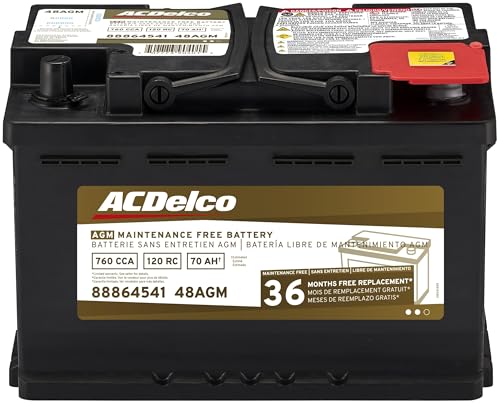
ACDelco Gold 48AGM (88864541) AGM Group 48 Battery

GS300 3000A Car Jump Starter for Up to 10.0L Gas & 8.0L Diesel Engines

Interstate Batteries Car Battery 12V 68Ah 750CCA Group 65 AGM
OPTIMA YELLOWTOP DH7 Sealed AGM Battery, 880 CCA

HQST 12V 60Ah AGM Car Battery, Group 47 H5, 680CCA, 100RC

Mighty Max Battery MM-H6 Start and Stop Car Group 48 AGM Battery

OPTIMA Batteries High Performance 34/78 RedTop Sealed AGM Starting Battery, 800 CCA

Weize Platinum AGM Battery Group 48 H6 Automotive Battery, 760CCA
More Details On Our Top Picks
Group 94R sizing makes this ACDelco a straightforward replacement path for trucks that already call for that footprint. The AGM, or absorbed glass mat, format matters because it keeps the electrolyte absorbed inside the separators rather than sloshing around, which suits stop-start driving and other frequent-cycling use.
For a truck that sees daily commuting, short errands, and long periods parked outside, that kind of layout usually feels calmer than a basic flooded battery. The trade-off is simple, you need the correct group size and terminal layout, so fitment should be checked before you assume it drops in.
Strong Points
- AGM construction fits vehicles that cycle power often.
- Group 94R sizing helps with direct replacement planning.
- Good match for trucks with start-stop systems.
- Maintenance-friendly design suits busy owners who want less fuss.
Points To Note
- Group fit still needs a careful size check.
- It is built for replacement use, not flexible placement.
- AGM choices usually make sense most in vehicles with higher electrical demands.
Feature Snapshot
Who It Suits Best
Truck owners replacing a Group 94R battery in a daily-use vehicle will get the most from this one.
A Better Fit Elsewhere
Interstate Batteries Car Battery 12V 68Ah 750CCA Group 65 AGM makes more sense for drivers whose vehicle calls for Group 65 instead of 94R.
This one follows the same AGM path as the Group 94R ACDelco, but in a Group 48 footprint that suits a different set of engine bays. In a smaller truck or crossover-style rig, that can make the replacement process feel less cramped, which matters more than people expect.
The source notes on protection are about the separate plan, not the battery itself, so the useful part here is really the battery format and group size. One thing worth considering is that the smaller case does not mean smaller importance, since fit and terminal placement still drive whether this is the right match.
What We Like
- Group 48 sizing fits many tighter battery trays.
- AGM design suits frequent starting and accessory loads.
- Good replacement path for vehicles that specify this footprint.
- Useful for drivers who want a tidy, predictable install.
Trade Offs
- Fit still depends on the exact vehicle spec sheet.
- It is not a universal swap for every truck battery bay.
- Battery health still depends on proper charging habits over time.
Details At A Glance
Made For
Drivers replacing a Group 48 battery in a vehicle that sees regular city driving will find this fit practical and tidy.
Another Choice May Suit
ACDelco Gold 94RAGM (88864542) AGM Group 94R Battery suits truck owners who need a larger 94R case instead of Group 48.
This GS300 sits in a different lane from the batteries above, but truck owners still benefit from having it in the cab or tool kit. For roadside dead-start situations, a portable jump starter can save you from waiting on someone else, and the LED screen makes the state of charge easier to read at a glance.
The usable ceiling, up to 10.0L gas and 8.0L diesel engines, gives it broad coverage for many trucks and SUVs. The catch is that a jump starter is backup power, not a replacement battery, so it works best as insurance alongside a healthy main battery.
Positives
- Portable format keeps emergency help close at hand.
- LED screen helps you check status quickly.
- Wide engine coverage suits many truck setups.
- Useful for winter mornings and long parking periods.
- Good fit for drivers who travel far from help.
Minor Gripes
- It does not replace a worn main battery.
- Portable units need periodic recharging.
- Storage space in the cab or bed box matters.
Core Details
Who Should Grab It
Truck drivers who spend time on remote roads or in winter weather will get the most practical use from this portable backup.
Look Elsewhere When
Mighty Max Battery MM-H6 Start and Stop Car BCI Group Size 48 12V 70 AH, 120RC, 760 CCA Rechargeable AGM Car Battery is the better fit for a full battery replacement.
Group 65 batteries tend to show up in trucks that need a little more electrical breathing room, and this Interstate model fits that job neatly. The 68Ah capacity, meaning amp-hours or the amount of energy stored over time, and the 750CCA starting figure give you a practical mix for daily use without making the setup feel oversized.
Compared with the smaller Group 48 ACDelco, this one is the more natural choice for vehicles built around Group 65. The honest read is that fitment matters more than brand name here, because a strong battery still needs to match the tray and cable layout.
Highlights
- Group 65 size suits many truck applications.
- 750CCA gives solid cold-start support.
- 68Ah capacity helps with daily accessory use.
- AGM format works well in start-stop vehicles.
- Good choice for straightforward replacement jobs.
Worth Noting
- Exact fit depends on tray dimensions and terminals.
- AGM batteries usually reward consistent charging habits.
- It can be more battery than light-duty commuters need.
Technical Sheet
Best Suited To
Truck owners replacing a Group 65 battery in a vehicle with a steady accessory load will benefit most from this pick.
Where A Sibling Pick Shines
Weize Platinum AGM Battery Group 48 H6 Automotive Battery, 760CCA makes more sense for drivers whose truck calls for a Group 48 case instead.
The YELLOWTOP line makes more sense than a standard starting battery for trucks that run winches, upgraded audio, lighting, or other power-hungry gear. Dual-purpose design means it’s built to handle both starting and cycling, so it fills a wider job than a more basic crank-focused unit like the RedTop further down the list.
That flexibility comes with a real trade-off, though, since a dual-purpose battery can feel like overkill for a plain commuter truck. For owners who actually use accessories hard, the higher-output design earns its keep in a way the simpler replacements do not.
Reasons To Buy
- Dual-purpose design covers starting and accessory cycling.
- 880CCA gives strong cranking support.
- Sealed AGM build suits harsh use and rough roads.
- Useful for trucks with winches or heavy electronics.
- Versatile mounting helps in more installations.
Areas To Watch
- May be more battery than a simple work truck needs.
- Group fit still needs checking before ordering.
- Higher capability usually comes with a more specialized use case.
Feature Rundown
Whose Shelf It Belongs On
Truck owners with accessory-heavy setups or demanding weekend use will appreciate the extra headroom here.
Swap It Out When
OPTIMA Batteries High Performance 34/78 RedTop Sealed AGM Starting Battery, 800 CCA is the simpler choice for drivers who only need strong starting power.
HQST keeps the shape compact enough for many Group 47 and H5 applications, which helps in tighter engine bays. The 680CCA starting figure gives you a sensible cold-weather floor, while the 100RC reserve capacity, meaning how long the battery can sustain a load, gives it a little more staying power than a bare-minimum starter.
For sedans, SUVs, and some smaller trucks with start-stop systems, that mix is easy to live with. The trade-off is that this is a fit-first replacement battery, so the dimensions and terminal layout deserve a close look before you commit.
Bright Spots
- Group 47 H5 size suits many compact applications.
- 680CCA supports dependable cold starts.
- 100RC adds useful reserve for accessory draw.
- Start-stop support fits modern driving patterns.
- Smaller footprint can ease installation in tight bays.
Small Caveats
- Exact tray dimensions still need checking.
- It is aimed at specific fitment, not broad swapping.
- Owners in very cold climates may want to compare stronger starting ratings.
Feature Card
Built With In Mind
Drivers replacing a Group 47 or H5 battery in a start-stop vehicle will get the cleanest fit from this pick.
Reach For A Different Pick When
Weize Platinum AGM Battery Group 48 H6 Automotive Battery, 760CCA suits truck owners who need a Group 48 footprint and more capacity.
Compared with the HQST above, this Mighty Max leans a little more toward reserve and steady output for mixed driving. The 120RC reserve capacity and 760CCA starting rating make sense for trucks that bounce between short trips, parking-lot idling, and longer drives with accessory use.
The AGM build, meaning absorbed glass mat, helps keep the battery sealed and spill-resistant, which is useful in a truck bed, garage corner, or daily-driver setup. One thing worth considering is that sealed batteries still reward sensible charging habits, especially in vehicles that sit for long stretches.
Upsides
- 120RC adds useful staying power.
- 760CCA gives confident starting support.
- AGM design suits stop-and-go use.
- Works well for mixed commuting patterns.
- Sealed construction keeps maintenance simple.
Room For Improvement
- Group 48 fit still needs to be confirmed.
- Reserve capacity does not replace proper charging.
- Heavy accessory users may want a more specialized dual-purpose option.
Spec Overview
The Right Fit
Truck and SUV owners who want a calm, everyday replacement for a Group 48 slot will feel at home with this one.
Where A Sibling Pick Shines
OPTIMA YELLOWTOP DH7 Sealed AGM Battery, 880 CCA fits better for accessory-heavy builds that need more cycling strength.
The RedTop keeps its focus on starting power, which is exactly what many truck owners want from a no-drama replacement battery. Dual SAE and GM terminals widen compatibility, so it can suit more layouts than a battery with a more narrow terminal setup.
Compared with the YELLOWTOP above, this one is the simpler tool for the job, and that simplicity has value. The honest read is that it makes the most sense for drivers who want dependable cranking, not a long list of accessory-cycling extras.
Best Bits
- 800CCA gives strong starting support.
- Dual terminal layout can help fit more vehicles.
- Sealed AGM format keeps maintenance simple.
- Good for trucks that mainly need starting power.
Softer Spots
- It is more starter-focused than dual-purpose.
- Fit still depends on the vehicle’s tray and terminals.
- Accessory-heavy rigs may want the YELLOWTOP instead.
At A Glance
Perfect Match For
Truck owners who want a straightforward starting battery with flexible terminals will get the clearest benefit here.
Skip It When
OPTIMA YELLOWTOP DH7 Sealed AGM Battery, 880 CCA is the better fit for trucks running heavier electrical accessories.
The Weize sits in the same Group 48 space as the HQST and the ACDelco 48AGM, but it adds a stronger sense of long-haul usefulness with 70Ah capacity and 120RC reserve capacity. That mix works well for trucks that see accessories, short stops, and long idle periods, because the battery has a bit more stored energy to draw on.
The dimensions matter too, since 10.94 inches long, 6.89 inches wide, and 7.48 inches high gives you a concrete fit check before ordering. For owners replacing a worn Group 48 unit, that clarity is helpful, though the terminal orientation still deserves a careful look.
What We Like
- 70Ah capacity supports daily electrical demands.
- 120RC adds useful reserve for accessory use.
- 760CCA gives solid starting support.
- Dimensions are clearly stated for fit checks.
- AGM construction suits modern vehicle use.
Honest Caveats
- Group 48 fit still has to match your vehicle.
- Terminal position should be checked carefully.
- The battery rewards regular use and proper charging.
Quick Facts
Made For
Truck owners who want a Group 48 replacement with clear sizing and strong reserve capacity will appreciate this one.
A Better Fit Elsewhere
Interstate Batteries Car Battery 12V 68Ah 750CCA Group 65 AGM suits trucks that are built around a Group 65 case instead.
How To Choose The Right Battery For Trucks
Fit Comes First
Truck batteries live or die by physical fit. Group size, terminal orientation, case height, and tray length need to match the vehicle, because a strong battery that does not seat properly becomes a hassle fast. Group 48, Group 65, Group 94R, and Group 47 are not interchangeable labels, they point to different footprints and layouts.
That’s why you should begin with the owner’s manual or the battery already in the truck. A good replacement should line up with the original tray and cables, leaving enough room for the hood and hold-down hardware. For most daily drivers, that simple check prevents the most frustrating kind of return.
Starting Power And Reserve Matter Together
CCA, or cold cranking amps, tells you how much starting muscle the battery can deliver in cold weather. Reserve capacity shows how long it can keep the truck powered under load, which matters for accessory-heavy rigs, short-trip commuting, and stop-start traffic. A truck that only needs clean starting can live with a simpler number set, but a work truck with lights, audio gear, or winches benefits from more reserve.
Think of it as two parts of the same job. Starting power gets the engine turning, while reserve helps the truck stay calm when electrical demand stacks up. In winter, that balance can matter even more, especially for trucks parked outside overnight.
AGM Suits Harder Use
AGM batteries use absorbed glass mat separators to hold the electrolyte in place, which helps the battery stay sealed and maintenance-friendly. That design works well in trucks that see vibration, rough roads, and frequent starts, and it usually makes sense for start-stop systems too. It’s not magic, but it is a solid fit for vehicles that ask more from their electrical system.
For a basic weekend hauler, a simpler battery can be enough. For a truck that works, commutes, tows, or spends time in cold weather, AGM often earns its place by feeling more composed under load.
Choose For The Way You Drive
Your own use pattern should steer the final choice. A commuting truck with no heavy accessories can lean toward a straightforward starting battery, while a rig with added lights, audio, or recovery gear does better with dual-purpose capacity. Portable jump starters also deserve a spot in the toolbox for drivers who spend time far from help.
The best match is usually the one that fits the truck’s physical requirements and the way you actually drive it. That keeps the purchase practical instead of oversized, undersized, or simply inconvenient.
Things Worth Knowing First
Wrong Turns To Avoid
One common mistake is shopping by CCA alone and ignoring group size. Another is treating every AGM battery as a universal swap, which can lead to tray or terminal mismatches that complicate installation. Check the vehicle’s original fit first, then compare power numbers.
It also helps to avoid oversizing for the sake of it. A battery with more output than your truck can use may cost more without making daily driving any easier.
What The Higher Tier Buys
Higher-tier batteries usually cost more because they give you stronger materials, more reserve capacity, and designs aimed at tougher electrical loads. In this roundup, that shows up in dual-purpose models like the OPTIMA YELLOWTOP, which can support starting and cycling better than a plain starter battery. The extra spend makes sense for trucks with winches, upgraded audio, or lots of parked accessory use.
For a simple work truck or commuter, the upgrade may not pay off in a way you can feel every day. But for a vehicle that gets used hard, the added headroom can make the electrical system feel less strained and a lot more predictable.
Closing Thoughts
Truck batteries reward careful matching more than flashy marketing. Once you know the group size, terminal layout, and how much starting and reserve power your truck really needs, the shortlist becomes much easier to read. ACDelco and Interstate cover the straightforward replacement side, OPTIMA handles the harder-use end, and the jump starter adds smart backup for rough days. Choose the one that fits your truck’s actual job, and you’ll have fewer surprises in the driveway.
