

Forklift power is not a place for guesswork. You need the right voltage, the right footprint, and enough reserve to keep a shift moving without awkward swaps or fit issues. That matters just as much in a busy warehouse as it does for pallet jacks, floor scrubbers, or mixed fleets. The eight picks below cover reconditioned lead-acid options, AGM choices, and lithium packs for different duty cycles and machine types.
Quick Look At The Shortlist

Repower Reconditioned 18-85-21 Electric Forklift Battery 36V
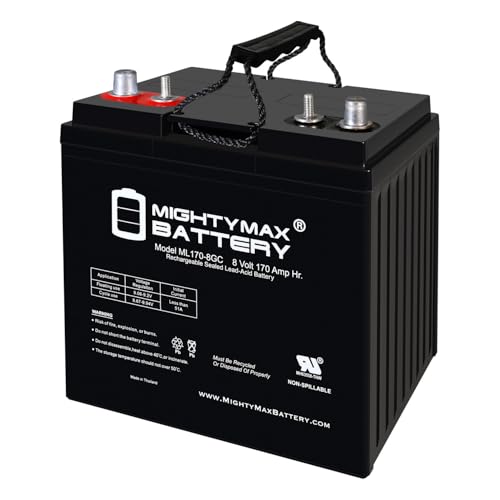
Mighty Max Battery 8V 170Ah AGM Dual Terminal
Weize Platinum AGM Battery BCI Group 47 12V 60Ah H5

Electric Pallet Jack Battery 48V 10Ah Forklift Lithium Battery
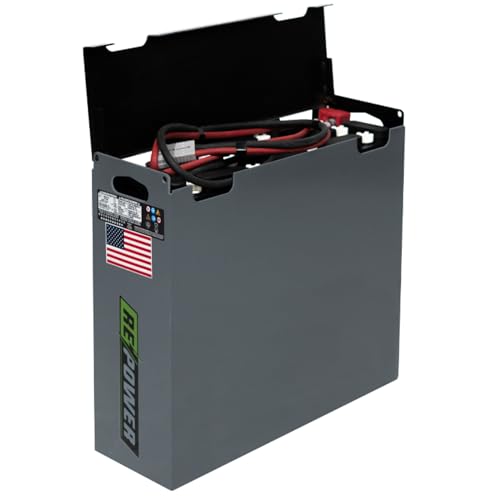
Repower 24V Forklift Battery Reconditioned Lead Acid 12-85-7-25.5×8.5

24V 20AH Forklift Lithium Battery 24 Volt Electric Forklift Battery
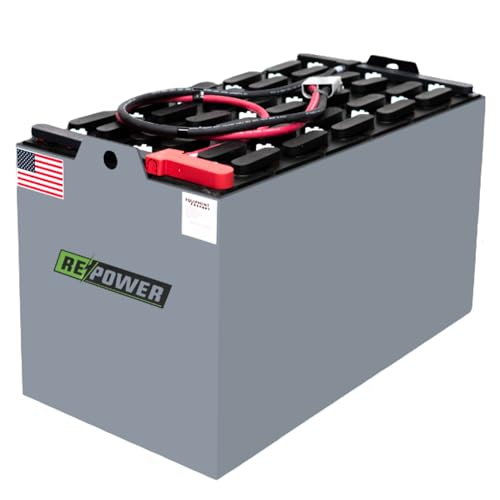
Repower 36V Forklift Battery Reconditioned Lead Acid 18-85-17

UPLUS BCI Group 48 Car Battery AGM-L70-M 12V 70Ah
More Details On Our Top Picks
Repower leans hard into industrial runtime here, and that makes sense for 36V fleets that need a serious reserve. The 850Ah rating, measured at the 6-hour rate, points to a battery built for long shifts rather than quick turnarounds.
The reconditioned format also gives you a more budget-conscious route than a brand-new industrial pack, though it means condition depends on refurbishment quality and fit checks matter. For warehouses that already run 36V forklifts and can accommodate the 38 1/8 x 24 5/8 x 22 5/8 inch footprint, it looks like a sturdy match.
Strong Points
- 850Ah capacity supports long duty cycles in demanding warehouse use.
- 36V format fits established forklift fleets without changing the system voltage.
- Reconditioned pricing logic can suit operations watching replacement spend.
- Year-long coverage adds a useful layer of reassurance for daily material handling.
Things To Consider
- Reconditioned batteries can vary more than brand-new packs, so inspection matters.
- The no-cover setup may require you to confirm your compartment setup carefully.
- The large footprint can rule it out for tighter battery bays.
Feature Snapshot
Who It Suits Best
Warehouse teams running 36V forklifts and looking for a high-capacity reconditioned pack will get the most from this one.
Where Another Pick Suits Better
Repower 36V Forklift Battery Reconditioned Lead Acid 18-85-17 is the cleaner fit for crews that want a renewed 36V battery with a more defined refurbishing process and included components.
AGM stands for absorbent glass mat, a sealed lead-acid design that keeps the electrolyte locked in place. That matters in equipment that sees vibration, uneven floors, or repeated movement through a shop.
With 8V output and 170Ah capacity, this Mighty Max pack fits the sort of setup where multiple batteries are used together, such as some golf carts and compact industrial machines. The trade-off is simple: you get easier maintenance and spill-resistant construction, but you still need to match terminal layout, size, and cable setup carefully.
What We Like
- Sealed AGM construction reduces routine upkeep compared with wet batteries.
- Dual terminals make wiring more flexible for compatible equipment.
- 170Ah capacity suits steady use across longer work periods.
- Shocks and vibration are less of a concern than with open-cell designs.
Worth Noting
- It ships as the battery and screws only, so accessories need separate planning.
- Compatibility depends on exact 8V system requirements, not just battery size.
- The taller profile may matter in tighter battery trays.
At A Glance
Who Should Grab It
Equipment owners who want a sealed 8V battery for golf carts, scissor lifts, or scrubber sweepers will find the layout easy to work with.
Swap It Out When
WEIZE Platinum AGM Battery BCI Group 47 12V 60Ah H5 is the better fit for someone replacing a single 12V automotive battery rather than a stacked 8V setup.
This one sits outside the classic forklift world, but it belongs in the roundup because some shops also need dependable 12V support gear. AGM construction again keeps maintenance low, and the 760CCA figure, which stands for cold cranking amps, matters for starting power in cooler conditions.
The group 48, H6, L3 sizing means fit is the first thing to check, and the left-negative, right-positive terminal layout matters just as much. For work trucks, service vehicles, or backup equipment that sees daily starts, it offers a tidy middle ground without extra fuss.
Highlights
- 760CCA gives strong starting support for 12V equipment.
- AGM construction keeps upkeep simpler than flooded battery types.
- Group 48 sizing helps narrow down compatibility faster.
- 36-month coverage adds a practical planning window for replacement cycles.
- 60Ah capacity suits routine daily use in smaller vehicles.
Minor Gripes
- It is not a forklift traction battery, so the fit story is different from the heavier industrial picks.
- Terminal layout has to match exactly, or cable routing gets awkward.
- Fit checks still matter more than the label on the box.
Details At A Glance
Best Suited To
Drivers and facility teams needing a 12V AGM battery for a compatible vehicle or support machine will get the most from it.
Look Elsewhere When
Repower Reconditioned 18-85-21 Electric Forklift Battery 36V is the more fitting pick for full-size forklift fleets that need true traction-battery power.
For pallet truck crews, the quick-swap lithium format is the headline here. A handheld, lighter build is easier to carry to charge, and that matters in shops where batteries get moved around often.
The compatibility list is useful, especially for HYSTER, EPT, CBD15-WS, and ZOOMLION equipment, but the trade-off is that you need to confirm the plug style and model carefully. The built-in protections and long cycle claim make it appealing for repetitive work, though lithium still rewards disciplined charging habits.
Upsides
- Quick battery swaps fit fast-moving warehouse routines.
- Lithium construction keeps weight down for carrying and charging.
- Overheat, overvoltage, overcurrent, short-circuit, and overcharge protection are built in.
- Long cycle count supports high-use material handling operations.
- Compatibility notes help narrow the right equipment match.
Small Caveats
- Model and plug confirmation matter before ordering.
- Battery-only packaging means you still need the rest of the setup in place.
- Lithium charging routines deserve attention even though upkeep is lighter.
Core Details
Built With In Mind
Warehouse teams using compatible electric pallet jacks and wanting a lighter lithium pack will find the best fit here.
Another Choice May Suit
WSDAV 24V 20AH Forklift Lithium Battery is better for smaller 24V pallet jack setups that need a different voltage class and more compact footprint.
This is the sort of battery you look at for heavy warehouse work, especially where 24V systems run long shifts. The 600Ah rating gives it serious staying power, and the included cover is a practical touch because industrial bays collect dust and stray debris.
Compared with the smaller lithium packs in this roundup, this one is all about old-school mass and endurance. The trade-off is size and weight, so it fits best where the compartment is already built for a large lead-acid unit.
Reasons To Buy
- 600Ah capacity supports extended material-handling use.
- 24V format suits a wide range of industrial equipment.
- Included cover helps protect the battery assembly in a warehouse setting.
- Reconditioned pricing logic can work well for replacement planning.
Areas To Watch
- The size needs a careful compartment check before purchase.
- Lead-acid batteries usually ask for more handling and maintenance than sealed lithium packs.
- Reconditioned status means refurbishment quality deserves a closer look.
Quick Facts
The Right Fit
Industrial operations with a 24V compartment built for a large lead-acid pack are the best match for this one.
Reach For A Different Pick When
Electric Pallet Jack Battery 48V 10Ah Forklift Lithium Battery makes more sense for lighter pallet-truck jobs that benefit from reduced weight and faster handling.
The smaller lithium pack here is aimed at compact pallet-jack equipment, and the handle makes it easier to move around shop floors and charging areas. At about 4.5 kg, it keeps the carry burden low, which is useful in setups where batteries are swapped by hand.
Built-in BMS protection, meaning battery management system protection, helps supervise charge and discharge behavior. The honest read is that this sort of battery makes the most sense for owners who want light weight and simple handling more than raw endurance.
Bright Spots
- Lightweight construction makes removal less awkward.
- Portable handle improves day-to-day handling.
- Built-in protection supports safer charging behavior.
- LiFePO4 chemistry, or lithium iron phosphate, is known for stable pack design in stationary and mobile equipment.
- 24V output suits compact electric pallet jack models.
Point To Note
- It is designed for a narrower equipment list, so matching matters.
- 20Ah capacity is better for lighter duty than long-haul industrial shifts.
- The pack needs a full charge on arrival to reach normal operation.
Feature Rundown
Who Will Love This
Shops with compact 24V electric pallet jack trucks that need a light battery to move by hand will appreciate this one.
Where A Sibling Pick Shines
SWKOCNOI Electric Pallet Jack Battery 48V 10Ah is the better fit for a 48V pallet truck that needs more voltage than this compact 24V unit.
This Repower unit follows the same 36V lane as Item 1, but it feels a bit more process-driven on the refurb side. You get desulphation, inspection, capacity testing, fresh cables, new connectors, and a repainted finish, which should appeal to warehouse teams that want a more complete refresh.
It also ships fully charged and ready to go, so the setup side looks friendlier than many heavy lead-acid replacements. The trade-off is the same one you see with most reconditioned industrial batteries, you still need to confirm compartment dimensions and make peace with the care that large lead-acid packs demand.
Positives
- Refurbishment includes multiple service steps, not just a surface cleanup.
- Fresh cables and connectors improve the practical install experience.
- 36V output suits established forklift and warehouse fleets.
- Ships charged, which can reduce downtime during replacement.
Room For Improvement
- Lead-acid upkeep still matters more than it does with lithium options.
- Fit has to be checked against the 38 x 20 inch footprint.
- Reconditioned batteries can be a better value, but they ask for closer scrutiny.
Spec Overview
Whose Shelf It Belongs On
Warehouse and logistics operations that need a refreshed 36V traction battery with installation-ready extras will fit this one well.
Skip It When
SWKOCNOI Electric Pallet Jack Battery 48V 10Ah is the better route for lighter pallet-jack work that prefers lithium handling and a smaller pack.
This one belongs in the roundup because some forklift-adjacent setups also rely on 12V start-stop power, not just traction batteries. The 70Ah capacity, 760CCA rating, and AGM design make it a sensible all-around fit for vehicles that need regular starts and stable day-to-day use.
Size matters here just as much as output, especially with the group 48, H6, L3 footprint and left-negative, right-positive terminal layout. You may find it especially useful in service vehicles or utility equipment that already uses this exact battery class.
Best Bits
- AGM construction keeps maintenance straightforward.
- 760CCA gives useful starting support for 12V systems.
- 70Ah capacity fits regular vehicle use without extra bulk.
- Group 48 sizing and terminal layout make compatibility checks clear.
Softer Spots
- It is not a traction battery for a full forklift application.
- Exact dimensions and terminal orientation still have to match your old battery.
- The fit story is more important than the general battery class.
Feature Card
Made For
Drivers and maintenance teams looking for a maintenance-free 12V AGM battery in the Group 48 format will find this the clearest match.
Another Choice May Suit
Repower Reconditioned 18-85-21 Electric Forklift Battery 36V is the better fit for full-size forklift operations that need true industrial traction power instead of a vehicle battery.
How To Choose The Right Battery For Forklift
Voltage And System Match First
The first check is simple: the battery voltage has to match the machine. A 24V forklift battery, a 36V pack, and a 48V pallet-jack battery are not interchangeable, even if the physical size looks close.
Think of voltage as the system’s language. When the numbers line up, the equipment can draw power the way it was built to.
Capacity, Runtime, And Shift Length
Capacity, often shown in amp hours or Ah, tells you how much energy the battery stores. Higher Ah usually means longer runtime between charges, which matters in warehouses that run extended shifts or multiple operator changes.
Heavy lead-acid packs with large Ah numbers suit full-duty forklifts, while smaller lithium packs are better for lighter pallet jacks and shorter cycles. The trade-off is size and weight, since higher capacity usually brings a larger, heavier battery.
Construction Type And Maintenance Load
Lead-acid, AGM, and lithium each behave differently. Flooded or reconditioned lead-acid options tend to demand more care, AGM reduces day-to-day maintenance, and lithium often brings the lightest handling plus longer cycle life.
That difference matters in real use. A shop with battery carts, charging stations, and trained staff may be comfortable with lead-acid, while a fast-moving pallet-truck operation often prefers the easier carry and simpler upkeep of lithium.
Fit, Terminals, And Daily Handling
Dimensions and terminal layout deserve the same attention as voltage. A battery that is too tall, too wide, or wired with the wrong terminal position can turn a routine replacement into a messy mismatch.
In practical terms, you want the battery to slide into the tray, connect cleanly, and stay secure during daily work. That is especially important in fleets where equipment gets used hard and downtime is costly in normal business terms, not dramatic ones.
What To Weigh Before You Order
Mistakes Worth Dodging
One common slip is focusing on brand before fit. Voltage, size, terminal placement, and battery type come first, because the wrong physical match creates problems even if the label sounds close.
Another easy miss is overlooking whether the pack is reconditioned, sealed AGM, or lithium. Those categories affect maintenance, handling, and long-term ownership more than a casual glance suggests.
When The Upgrade Pays Off
Higher-tier batteries usually cost more because of capacity, chemistry, build quality, and the extra controls inside the pack. Lithium units often bring lighter weight and more charge cycles, while better AGM and industrial lead-acid packs can add stronger starting or longer runtime.
The upgrade makes sense in fleets that run every day, where easier handling and fewer interruptions matter more than a basic replacement. For lighter use or backup equipment, a simpler battery can still be the sensible choice.
Closing Thoughts
The right Battery For Forklift depends on the machine, the shift length, and how much handling you want to manage day to day. Repower and the lithium pallet-jack picks stand out for industrial use, while the AGM options make more sense for smaller systems and support vehicles. Measure first, match voltage second, and let the work pattern guide the rest. That keeps the choice practical, which is exactly what you want here.
