

Golf cart power gets frustrating fast when range drops, charging takes longer, or a swap turns into a heavier project than expected. You’re likely here because you want a setup that matches your cart, your terrain, and how often you drive, whether that’s neighborhood errands, course loops, or weekend property work.
This shortlist leans on the details that matter most in real use, such as voltage match, battery chemistry, battery management, and included accessories like chargers or monitors. The goal is simple, help you narrow the field before your cart starts feeling like a wheeled anchor.
Quick Look At The Shortlist

Samorillo Battery Renew Solution 64 oz Desulfator Refill
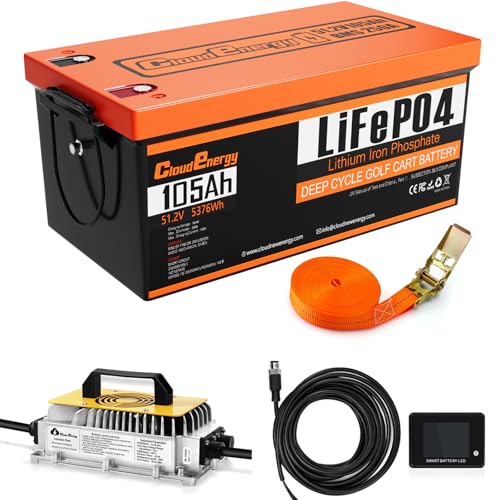
Cloudenergy 48V 105Ah LiFePO4 Battery with BMS

LOSSIGY 48V Lithium Battery Conversion Kit 100Ah

OGRPHY 36V Lithium Battery 100Ah with Charger

DC HOUSE Metal Case 48V 100Ah Lithium Battery Kit

TEMGO 48V 100Ah LiFePO4 Battery with Smart BMS

48V 105Ah LiFePO4 Battery with App and Monitor

Cloudenergy 48V 105Ah LiFePO4 Battery, 3C Output

CHINS 36V Lithium Golf Cart Battery 100Ah
More Details On Our Top Picks
That bottle makes sense for carts still running flooded lead-acid packs, especially when capacity has faded but a full replacement feels premature. The trade-off is patience, because this sort of conditioner works through repeated charging rather than instant change.
Compared with the lithium kits later in this list, Samorillo is about recovery, not conversion. For owners who keep a maintenance routine and want to stretch existing batteries a little longer, that’s a useful lane.
Strong Points
- Targets sulfation, the crusty lead-sulfate buildup that can choke charging performance in older flooded batteries.
- The 64 oz refill size gives you room for multiple service cycles, which suits a garage that keeps more than one cart or utility battery in rotation.
- Works across 6V, 8V, and 12V lead-acid batteries, so it fits a wider mix of older carts and related equipment.
- Made in the USA, which some shoppers prefer for traceability and product familiarity.
Minor Gripes
- You need regular charging time and a little patience before results become meaningful.
- It only fits the lead-acid side of the category, so lithium cart owners should skip it.
- Battery condition still matters, since badly worn packs may not respond enough to justify the effort.
Feature Snapshot
Who It Suits Best
Owners of older carts with flooded lead-acid batteries, especially those trying to delay a full replacement, get the most out of this type of refill.
Where A Sibling Pick Shines
Cloudenergy 48V 105Ah LiFePO4 Battery with BMS suits drivers ready to move away from upkeep-heavy lead-acid batteries and into a full lithium swap.
A lithium swap like this changes the ownership feel right away, because you’re moving from upkeep-heavy lead-acid habits to a more monitor-driven system. The included charger, LCD touch screen, mobile app, and retention strap make it feel like a complete kit rather than a bare battery.
The built-in 250A BMS, meaning battery management system, is the part that oversees charge and discharge behavior, which matters in carts that pull hard on hills or carry extra weight. Owners who drive often, especially on longer course days or property routes, will appreciate the sense of control the app and screen bring.
What We Like
- The 105Ah capacity gives you a strong reserve for longer cart sessions and fewer recharge interruptions.
- The Bluetooth app and touch monitor give you easier day-to-day status checks without guessing.
- The included charger reduces the hassle of sourcing matching accessories separately.
- LiFePO4 chemistry is lighter and easier to live with than a traditional lead-acid setup, especially during installation.
Points To Note
- You’ll want enough room and lift help for installation, since a lithium conversion still needs careful handling.
- The richer feature set can feel unnecessary for carts used only once in a while.
- App-based monitoring depends on your comfort with setup and phone pairing.
Core Details
Who Should Grab It
You’ll get the most from this kit if your cart gets frequent use and you want battery monitoring built into the upgrade from the start.
Look Elsewhere When
DC HOUSE Metal Case 48V 100Ah Lithium Battery Kit suits shoppers who want a sturdier shell and a more industrial feel around the battery itself.
This one leans into the all-in-one conversion idea, which is appealing for carts that need a clean swap without piecing together extras. The charger and monitor in the bundle help keep the setup straightforward, especially for a garage project that benefits from fewer moving parts.
Compared with the Cloudenergy pick above, LOSSIGY feels a little more centered on the battery package itself than the app experience. For owners who want a conversion kit for golf-cart use and may also value the broader LiFePO4 format in RV or solar scenarios, that flexibility stands out.
Upsides
- The 100Ah LiFePO4 pack keeps the size respectable while still giving a meaningful energy reserve.
- Built-in Bluetooth BMS support helps you keep an eye on battery behavior without opening anything up.
- The included charger and monitor reduce accessory hunting, which makes planning the install simpler.
- Grade-A cells are specified, which points to the battery core being built for dependable use.
Small Caveats
- The listing uses a lot of performance language, so the real value comes from the core specs, not the marketing gloss.
- Cart owners who want a metal housing may prefer a more enclosed option like DC HOUSE.
- It’s a conversion kit, so the install still rewards careful measuring and wiring confidence.
At A Glance
Made For
You’ll appreciate this kit most if you’re converting a cart and want the battery, charger, and monitor to arrive as one matched bundle.
A Better Fit Elsewhere
TEMGO 48V 100Ah LiFePO4 Battery with Smart BMS suits drivers who want a more power-forward battery package with a stated high-output ceiling.
OGRPHY is the left-turn option in this lineup, because it targets 36V carts rather than the 48V crowd dominating the list. That makes it useful for older carts, smaller setups, or owners who already know their system isn’t built around a 48V pack.
The included charger and the stated 3.84kWh capacity help it feel self-contained, which is handy for a straightforward garage upgrade. In most carts, that kind of package saves you from juggling mismatched parts and guessing at charger compatibility.
Bright Spots
- The 36V format keeps it relevant for carts that don’t use a 48V system.
- The 100Ah capacity gives you a practical amount of stored energy for routine cart use.
- The charger in the box makes the setup easier to plan from day one.
- Bluetooth and monitor support give you a clearer read on charge state and use.
Worth Noting
- You need a true 36V cart, so this one is not a match for 48V systems.
- The package is simpler than some of the richer 48V kits in this roundup.
- Owners who want a metal enclosure may prefer DC HOUSE instead.
Feature Card
The Right Fit
This suits you best if your cart is a 36V model and you want a lithium package that keeps the upgrade path uncomplicated.
Another Choice May Suit
CHINS 36V Lithium Golf Cart Battery 100Ah fits anyone who wants a similar 36V route with a different bundled setup and monitor approach.
The metal case is the big story here, because it gives this battery kit a more rugged feel than the plastic-bodied options in the list. That matters in carts that live in a garage with tool traffic, bumpy property paths, or just a little less gentle handling.
Because the kit includes the charger, Bluetooth app support, and LCD monitor, you’re not piecing together a system from scratch. For homeowners who want a cleaner conversion without chasing extras, that convenience is hard to ignore.
Reasons To Buy
- The metal enclosure should feel reassuring in carts that see regular handling or storage bumps.
- The 48V 100Ah format fits a wide range of modern cart upgrades.
- The included 18A charger simplifies the setup and keeps the battery and charger aligned.
- The app and LCD monitor make everyday charge checks more direct.
Areas To Watch
- Metal builds can feel heavier or less easygoing to move than lighter housings.
- An 18A charger is practical, though not the fastest charging option in this roundup.
- The tougher shell helps with handling, but it doesn’t remove the need for careful installation.
Technical Sheet
Best Suited To
You’ll get the most from this one if your cart is used often and you want a tougher shell around the battery package.
Swap It Out When
TEMGO 48V 100Ah LiFePO4 Battery with Smart BMS suits shoppers who want a stronger power-focused setup with more emphasis on output.
TEMGO reads like the pick for carts that want a little more punch from the electrical side, because the listing puts real weight on output and BMS strength. The charger, LCD screen, and Bluetooth app make it easier to keep tabs on the battery without treating it like a black box.
The stated max output of 10.24kW gives this one a more muscular personality than the simpler kits in the roundup. That kind of headroom matters most in hilly neighborhoods, heavier carts, or setups that run accessories along with the drive system.
Highlights
- The 200A smart BMS is aimed at higher-demand cart use.
- The 10.24kW output figure gives you a clear sense of its stronger power focus.
- The included charger and LCD screen help you stay on top of charging and status.
- Bluetooth monitoring adds another layer of convenience for routine checks.
Softer Spots
- The power-forward spec set may be more than casual drivers need.
- Shoppers who want the thickest physical shell may still prefer DC HOUSE.
- The smarter the battery package, the more time setup can take at the start.
Quick Facts
Built With In Mind
You’ll appreciate this battery most if your cart sees regular use, heavier loads, or route changes that put more pressure on output.
Reach For A Different Pick When
Cloudenergy 48V 105Ah LiFePO4 Battery with BMS suits you better if a larger capacity reserve matters more than chasing output figures.
This bundle looks aimed at the person who wants the upgrade to feel complete right away, not half-finished. You get the charger, monitor, port plug, retention strap, and app support in one package, which keeps the install story tidy.
Compared with TEMGO, this pick feels less like a power headline and more like a balanced kit with practical extras attached. That’s useful for regular cart owners who want a straightforward swap and clearer charge visibility without overthinking the details.
Best Bits
- The full bundle approach reduces accessory shopping.
- The 105Ah size gives the pack a useful runtime cushion.
- The 250A BMS supports current-heavy cart use.
- The monitor and app make charge checks easier during routine ownership.
Room For Improvement
- Plastic housing may feel less rugged than a metal case setup.
- The broader bundle can still take some planning to install neatly.
- Owners who want more raw output may lean toward TEMGO instead.
Details At A Glance
Who Will Love This
You’re a good fit for this one if you want a tidy, complete 48V upgrade with useful accessories already included.
Where Another Pick Fits Better
DC HOUSE Metal Case 48V 100Ah Lithium Battery Kit suits you better if a tougher enclosure matters more than the broader accessory bundle.
This Cloudenergy version keeps the same roomy 105Ah class but adds a 3C discharge rating, which signals a stronger ability to deliver current on demand. That matters most in carts that pull harder, climb more often, or carry more load than a gentle neighborhood cruiser.
The catch is that the listing also carries a non-returnable shipping note tied to transport rules, so you’ll want to be comfortable with the product choice before ordering. For that reason, it suits confident upgraders more than casual browsers.
Positives
- The 3C discharge rating gives this battery a more performance-oriented profile.
- 105Ah capacity keeps runtime in the useful range for cart use.
- The included charger, monitor, and app support make the package easier to live with.
- The 250A BMS helps round out the electrical side of the system.
Points To Note
- The transport-related return limitation asks for extra confidence before ordering.
- Owners who want the most rugged shell may still lean toward DC HOUSE.
- The feature mix is strong, but not every cart needs this much headroom.
Core Details
Built With In Mind
This suits you best if you want a 105Ah battery with a stronger discharge profile and you’re comfortable choosing carefully once.
Skip It When
CHINS 36V Lithium Golf Cart Battery 100Ah is the simpler route for someone replacing a 36V system rather than stepping into a high-output 48V setup.
CHINS keeps the 36V lane simple, and that’s a strength for carts that don’t need a sprawling feature set. The charger and monitor are included, so you get a more complete conversion path without building the package piece by piece.
Compared with OGRPHY, this one feels a bit more streamlined and less power-spec heavy, which can be easier to live with for casual use. For drivers who want a 36V lithium battery with familiar bundled extras and a clear cycle-life claim, that balance is appealing.
Highlights
- The 100Ah size works well for everyday cart use.
- The included charger and monitor simplify the move to lithium.
- 5000+ cycle positioning suggests a long service horizon under normal ownership.
- The 36V format keeps it relevant for carts that aren’t built around 48V systems.
Honest Caveats
- It’s not the cart for shoppers chasing higher-output 48V performance.
- Owners who want a tougher housing may lean toward DC HOUSE.
- The simpler package is appealing, though it gives up some of the richer monitoring extras seen elsewhere here.
Core Details
Whose Shelf It Belongs On
This fits you well if your cart uses 36V and you want a no-fuss lithium package with the basics already covered.
Not Your Match When
Cloudenergy 48V 105Ah LiFePO4 Battery with BMS is the better lane for a 48V cart owner who wants more capacity and a fuller app-driven setup.
How To Choose The Right Batteries For Golf Carts
Match Voltage Before Chasing Extras
Voltage is the first thing to lock in, because a 36V cart and a 48V cart live in different electrical neighborhoods. A mismatch can turn an exciting upgrade into a return headache, so start with the cart’s current system before looking at app screens or case materials.
Lead-acid and lithium also ask for different thinking. Lead-acid packs still need watering and more maintenance, while LiFePO4 lithium batteries, a stable lithium iron phosphate chemistry, cut a lot of that routine and usually feel lighter during installation.
Think In Terms Of Use Pattern, Not Just Size
Ah, short for amp-hours, tells you how much charge the pack can hold, but it only helps once you connect it to your real route. A 100Ah battery is plenty for many casual cart owners, while 105Ah gives a little more cushion for long loops, hills, or repeated use across a day.
The higher the current draw from hills, accessories, or heavier loads, the more you should care about the BMS rating and peak output. Those numbers matter because they shape how calmly the battery handles demand, not just how long it sits on paper.
Look At The Ownership Details Too
A charger in the box saves time, and a monitor or app saves guesswork. That combination helps most when the cart lives in a garage with more than one person using it, because nobody has to decode battery status by memory.
Case material, strap quality, and install style matter more than they sound like they should. A metal case can suit rougher handling, while a lighter plastic shell may be enough for a cleaner garage setup, so the right answer usually depends on how the cart is stored and moved.
Choose Recovery Or Replacement On Purpose
Older lead-acid batteries sometimes respond to a conditioner or desulfator refill, which can be worthwhile when the pack is tired but not yet beyond help. That path is about stretching value out of what you already own, not transforming worn-out batteries into something new.
Lithium conversion kits, by contrast, suit people who want to stop thinking about watering cells and recurring upkeep. If your cart sees steady use, a full lithium move often makes more sense than trying to nurse an aging lead-acid setup for one more season.
What To Weigh Before You Order
Mistakes Worth Dodging
One common slip-up is focusing on capacity alone and ignoring voltage. A high Ah number does nothing good if the pack doesn’t match your cart’s electrical system, so start with fit, then move to runtime and features.
Another mistake is forgetting the charging setup. A lithium battery without a matching charger can create extra expense and confusion, while a bundled kit keeps the transition cleaner.
The Upgrade Payoff
Higher-tier packs usually cost more because they bundle smarter monitoring, stronger BMS hardware, matched chargers, and better housings. Those pieces don’t just sound fancy, they save time, reduce guesswork, and make the battery easier to live with week after week.
The upgrade makes the most sense for carts that run often, travel farther, or carry more load. For occasional neighborhood use, a simpler setup can be enough, but regular drivers tend to feel the difference quickly.
Closing Thoughts
The right cart battery depends on what you’re trying to fix, a fading lead-acid pack, an underpowered 36V setup, or a 48V cart that needs more range and better monitoring. The strong lithium kits here make sense for frequent use, while the Samorillo conditioner belongs to a very different kind of ownership problem. Match the voltage, look hard at the included charger and monitor, then choose the build that fits how you actually drive.
