

Brake dust builds fast, and once it bakes onto spokes or tight lug areas, the job gets stubborn. You need the right chemistry for your finish, your routine, and how much scrubbing you want to do. This roundup focuses on wheel cleaners that fit common garage, driveway, and detailing-bay use without leaning on hype. You’ll see acid and non-acid options, spray formats, and larger refill sizes that suit everything from quick upkeep to heavier contamination.
Quick Look At The Shortlist

SONAX Wheel Cleaner Full Effect (230200) 500 ml

Adam's Polishes Wheel & Tire Cleaner 16oz, Pack of 2

Nanoskin SPEEDY BRITE Wheel & Tire Acid Cleaner 1 Gallon

Nanoskin NON ACID Wheel & Tire Cleaner 1 Gallon

MAD Acid Heavy Duty Wheel Cleaner & Rim Cleaner
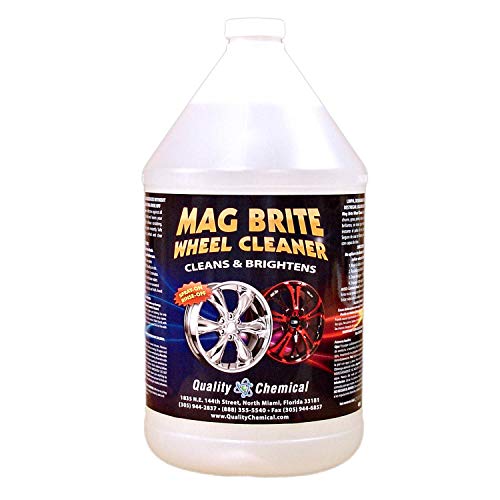
Quality Chemical Mag Brite/Acid Wheel and Rim Cleaner 128 oz

Jay Leno's Garage Wheel Cleaner Spray

Ethos Wheel Cleaner Spray – Iron Remover
More Details On Our Top Picks
SONAX takes the cleaner-first, finish-conscious route, which makes sense for factory wheels that see daily brake dust but still need a gentle touch. The color-shifting formula gives you a clear visual cue as it works, so you can see coverage on busy spokes and tight barrel edges without guessing.
The 500 ml bottle suits regular driveway upkeep better than deep-stock detailing shelves, and the non-acid formula is the main reason many owners reach for it on chrome, clear-coated, painted, or plastic-covered wheels. The trade-off is simple, it’s built for controlled cleaning, not the harsher style of corrosion cutting that acid products bring.
Strong Points
- Non-acid chemistry is a safer fit for many common wheel finishes.
- The color change helps you track where the cleaner is active.
- Works well as a routine maintenance bottle for commuters and daily drivers.
- Compact size is easier to store than gallon jugs.
Things To Consider
- Smaller volume means you’ll refill more often than with bulk options.
- It’s not the most aggressive choice for neglected wheels with heavy buildup.
- Coverage habits matter, since thin application can leave you re-spraying spots.
Feature Snapshot
Who It Suits Best
You’ll get the most from this pick if you maintain a daily driver and want a cleaner that keeps wheel care straightforward without jumping straight to harsher chemistry.
Where A Sibling Pick Shines
Nanoskin NON ACID Wheel & Tire Cleaner is a better fit for shoppers who want a larger one-gallon supply while staying on the gentler side of the chemistry spectrum.
Adam’s Polishes leans into convenience, since you’re getting two 16 oz bottles rather than a single oversized jug. That setup suits weekly washes, especially in a garage where you want one bottle for wheels and another ready as a backup on the shelf.
The appeal sits in the broad fit for many rim finishes, plus the all-in-one wheel and tire angle that simplifies a wash routine. Compared with SONAX, this feels more practical for bottle rotation and storage, though you trade away the single-pass visual drama of a color-changing formula.
Upsides
- Two-bottle pack gives you an easy backup without taking up gallon-space.
- Wheel-and-tire format helps streamline a regular wash routine.
- Compatible with many common rim finishes, which helps reduce guesswork.
- Compact bottles are easier to grip and pour in a busy wash bay.
Small Caveats
- Smaller bottles mean more frequent reorders than a gallon-size product.
- You won’t get the same high-visibility reaction cue seen on some rivals.
- The pack format can feel a little redundant for light-usage households.
At A Glance
Who Will Love This
This suits home detailers who want straightforward wheel care in a manageable bottle size and don’t need bulk volume sitting around the garage.
A Better Fit Elsewhere
Quality Chemical Mag Brite/Acid Wheel and Rim Cleaner makes more sense for high-volume users who want a gallon jug and a more aggressive cleaner profile.
SPEEDY BRITE is aimed at the heavier end of wheel care, where acid chemistry earns its keep on stubborn brake dust and road film. The gallon format also tells you the story, this is the sort of cleaner that makes more sense in a detailing bay or a serious home setup than on a small shelf.
Compared with the non-acid picks above, it has more bite and less forgiveness, so wheel finish awareness matters more here. Detailers who clean often may like the dilution flexibility, but the trade-off is that you need to be more deliberate with surface compatibility and rinse habits.
Reasons To Buy
- Gallon size supports repeated use in high-traffic cleaning setups.
- Acid formula gives you stronger cleaning power for stubborn buildup.
- Useful for detailers who need a bulk bottle instead of small retail packs.
- Can be diluted, which helps stretch the bottle for routine jobs.
- Works well for heavy brake dust that routine sprays may not fully handle.
Areas To Watch
- Acid chemistry calls for more care around sensitive finishes.
- The gallon jug is bulky to store and pour compared with smaller bottles.
- It makes less sense for casual upkeep on lightly soiled wheels.
Core Details
Built With In Mind
You’ll appreciate this most in a detailing-focused setup where strong wheel contamination is common and a large container makes practical sense.
Swap It Out When
SONAX Wheel Cleaner Full Effect fits better for owners who want a gentler non-acid option and a clearer visual indicator during routine maintenance.
This Nanoskin bottle takes the safer-leaning route in a one-gallon format, which makes it a natural step up in volume from SONAX without stepping into acid territory. The broad use case is straightforward, especially for households or wash setups that want a larger supply for repeated wheel care.
The non-acid profile is the real draw, because it usually suits factory-painted, clear-coated, and chrome-style finishes more comfortably than harsher chemistry. The honest trade-off is that you’re choosing a softer approach, so very neglected wheels may need more patience or a second pass.
Bright Spots
- One-gallon size reduces how often you need to restock.
- Non-acid chemistry is a sensible match for many common finishes.
- Good fit for owners who wash several vehicles or one vehicle often.
- Larger format makes sense for garage storage and shared use.
Room For Improvement
- Bulk packaging takes more shelf space than spray bottles.
- It may need more dwell time on stubborn contamination.
- The softer formula is not the sharpest tool for neglected wheels.
Details At A Glance
Whose Shelf It Belongs On
This belongs with home detailers who want a larger, milder cleaner for regular wheel maintenance and prefer to avoid acid-based formulas.
Reach For A Different Pick When
Nanoskin SPEEDY BRITE is the better match for detailers facing heavier brake dust and wanting stronger bite from an acid-based formula.
MAD Acid is built for the neglected-wheel crowd, the kind of job where rust film, brake dust, and baked-on grime all show up together. The short dwell time mentioned in the source details fits a fast wash rhythm, though you still need to keep a close eye on the surface because acid cleaners ask for more discipline.
Compared with Nanoskin’s gentler non-acid option, this one aims harder at stubborn contamination and is more at home on chrome and heavily soiled finishes. The mix of finish compatibility and strong cleaning intent makes it useful, but it’s not the relaxed, everyday bottle you’d hand to someone doing a casual wash.
Highlights
- Designed to tackle brake dust, rust, and grime in one pass.
- Works across several common wheel and trim materials.
- Short dwell window can fit a quicker wash routine.
- Large 128 oz size suits repeated use in a garage or shop.
Points To Note
- Acid chemistry needs more care than a mild wheel cleaner.
- The stronger profile is overkill for lightly dirty daily-driver wheels.
- Brush use and rinse habits matter more with this kind of formula.
Key Specs
Who Should Grab It
You’ll get the most from this if your wheels see rough conditions and you want an acid cleaner that’s aimed at heavy contamination instead of light touch-ups.
Another Choice May Suit
Adam's Polishes Wheel & Tire Cleaner is the calmer pick for home use where convenience and a two-bottle setup matter more than maximum bite.
Mag Brite is a gallon-format cleaner that aims at regular, high-volume wheel maintenance without turning the routine into a chore. The pitch is straightforward, strong enough for brake dust and road film, but still broad enough to fit aluminum, chrome, painted steel, and clear-coated surfaces.
That wide compatibility helps this one feel like a workhorse, especially in a garage that handles different vehicles with different finishes. The trade-off is size, since a 128 oz container is handy for supply but not especially nimble around a small wash shelf.
Best Bits
- Large gallon format works well for repeated wheel cleaning.
- Compatible with several common wheel finish types.
- Useful for owners who want one cleaner across multiple vehicles.
- Simple spray and rinse routine keeps the process approachable.
Honest Caveats
- The jug is bulky, so storage and pouring take a little more room.
- Powerful chemistry still calls for steady rinse habits.
- It’s less convenient than a small bottle for quick touch-ups.
Core Details
The Right Fit
This fits best in a household or shop that cleans wheels often and wants a large, versatile bottle rather than a compact consumer spray.
Look Elsewhere When
Ethos Wheel Cleaner Spray is the better fit for detail-focused owners who want a color-change cue and a more presentation-friendly spray.
This spray targets enthusiasts who want wheel cleaning to feel precise rather than brute-force. The source details point to iron-reactive cleaning and compatibility across chrome, aluminum, alloy, painted, powder-coated, and clear-coated surfaces, so the appeal is wide without feeling generic.
It sits closer to the presentation end of the category than the bulk-gallon cleaners above, which makes sense for owners who care about finish quality around brake pads, rotors, and rims. One thing worth considering, though, is that broad compatibility still depends on you checking the surface before use, especially on more delicate finishes.
Positives
- Color-reactive cleaning gives you a clear visual sign during use.
- Wide finish compatibility supports many common wheel types.
- Good fit for car enthusiasts who want a more exacting cleaning routine.
- Spray format stays easy to handle in a home garage or driveway.
Worth Noting
- You still need to confirm finish compatibility before using any wheel cleaner.
- It’s not as volume-efficient as the larger gallon jugs in this list.
- Enthusiast-level chemistry can be more than casual upkeep really needs.
Feature Rundown
Perfect Match For
You’ll like this most if you keep a clean garage routine and want a wheel spray that feels more precise than bulk-focused cleaners.
Where Shoppers Go Wrong
Nanoskin SPEEDY BRITE suits people who need stronger acid cleaning and are comfortable handling a gallon-size product for heavier contamination.
Ethos leans into the kind of finish presentation that detailers notice right away, especially with its color-shift behavior as it works through iron-heavy contamination. The spray format keeps it approachable, yet the professional-strength positioning tells you it’s aimed at owners who care about a more involved wheel-care routine.
Compared with Jay Leno’s Garage, the feel here is a little more visual and a bit more specialized, which suits careful owners who like to see progress on the surface. The trade-off is that this style of cleaner makes the most sense for people comfortable spending a little more attention on wheel prep and rinse timing.
Standout Traits
- Color change helps show where the cleaner is reacting on the wheel.
- Iron-removal focus suits brake-dust-heavy driving conditions.
- Spray application keeps the process simple around spokes and barrels.
- Professional-strength positioning fits more committed detailing routines.
Minor Gripes
- Color-reactive formulas can feel more specialized than a plain wash spray.
- It’s best used by someone who already pays close attention to wheel care.
- May be more product than a casual once-a-month cleaning habit needs.
Technical Sheet
Made For
This is a strong match for detail-minded owners who like visual feedback and don’t mind a more attentive cleaning routine.
Skip It When
Adam's Polishes Wheel & Tire Cleaner is the simpler choice for shoppers who want a two-bottle home setup with less focus on iron-reactive behavior.
How To Choose The Right Automotive Wheel Cleaners
Chemistry Comes First
Acid-based wheel cleaners usually bring stronger bite against baked-on brake dust, road film, and mineral buildup. Non-acid formulas are the more forgiving path for routine washing, especially on clear-coated, chrome, painted, or mixed-finish wheels. The right choice comes down to how dirty your wheels get and how cautious you need to be with the finish.
That matters more than branding or bottle shape. A daily commuter in wet weather may get enough from a gentler spray, while a car that sees track dust, long brake cycles, or neglected storage can justify a stronger formula.
Volume Should Match Your Routine
A 16 oz bottle makes sense for occasional use, tight storage, and a single vehicle. Gallon containers fit garages that clean multiple vehicles or want to stretch a routine over time. The trade-off is obvious, smaller bottles are easier to handle, while larger ones are more economical in practice and less convenient to move around.
Think about how often you wash, not just what looks impressive on a listing. A detailing hobbyist may prefer bulk, but a weekend washer usually gets more value from a manageable spray bottle that doesn’t sit half-used for months.
Watch Finish Compatibility
Wheel cleaners live or die on surface match. Chrome, aluminum, alloy, painted steel, clear coat, powder coat, and plastic covers each react a little differently, so the label matters more than a generic “works on most wheels” promise. You want the product whose supported finishes line up with your actual setup.
That’s the difference between easy upkeep and extra cleanup work. If your vehicle has mixed wheel materials or aftermarket finishes, a broader compatibility list is worth real attention.
Think About Feedback And Workflow
Some cleaners give you a color change, which helps you see coverage and reaction without guessing. Others rely on plain spray-and-rinse use, which keeps the process simple and familiar. Both approaches can work well, but the visual cue is useful for owners who like to track where the product has already been applied.
You’ll also want to consider dwell time, spray reach, and whether the bottle format suits your garage routine. A cleaner that fits your pace usually gets used more often, and that’s what keeps wheels looking presentable between deep cleans.
What To Weigh Before You Move Forward
Common Shopping Slip Ups
One common mistake is choosing chemistry by strength alone. Acid can be useful, but it’s not the right answer for every wheel finish, and a gentler formula may fit better for daily upkeep.
Another easy miss is buying more volume than your routine can realistically use. A gallon sounds efficient, yet a smaller spray bottle can be the smarter call for a single car and limited shelf space.
The Upgrade Payoff
Higher-tier cleaners usually cost more because the formula is more specialized, the packaging is larger, or the product is built for more demanding contamination. In this category, that often means better handling of brake dust, more finish coverage, or a visual reaction that helps guide the job.
The upgrade makes sense for detail-oriented owners, multi-vehicle garages, and anyone dealing with stubborn wheel buildup on a regular basis. Casual washers usually get enough from a simpler, milder bottle, while heavier-use setups benefit from the added headroom.
Closing Thoughts
The right wheel cleaner comes down to matching chemistry, bottle size, and finish compatibility to the way you actually maintain your vehicle. SONAX and Ethos give you more visual feedback, Nanoskin and Quality Chemical lean into bulk use, and Adam’s keeps the routine compact and tidy. For heavier contamination, the acid-based options have a clear place, but gentler formulas make more sense for everyday care. Choose the bottle that fits your wheel finish first, and the rest tends to fall into place.
