

Faded trim makes a well-kept vehicle look tired fast, especially around mirrors, bumper edges, grilles, and textured plastics. The right restorer brings back dark color without turning every surface greasy or streaky, which matters on a daily driver, a family SUV, or a work truck that lives outside. The picks below focus on fit, finish, and application style, so you can match the product to your routine instead of chasing the shiniest label.
The Shortlist At A Glance
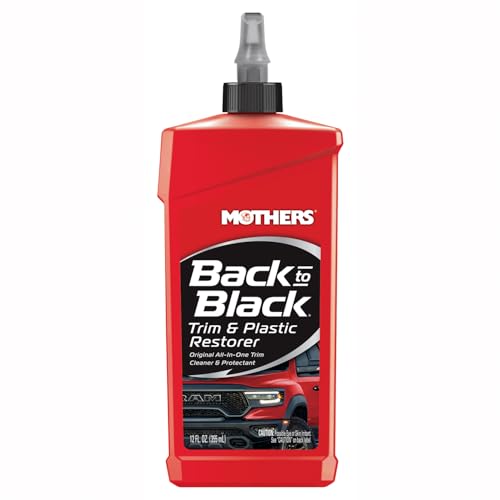
Mothers Back-to-Black Trim & Plastic Restorer 12 oz (06112)
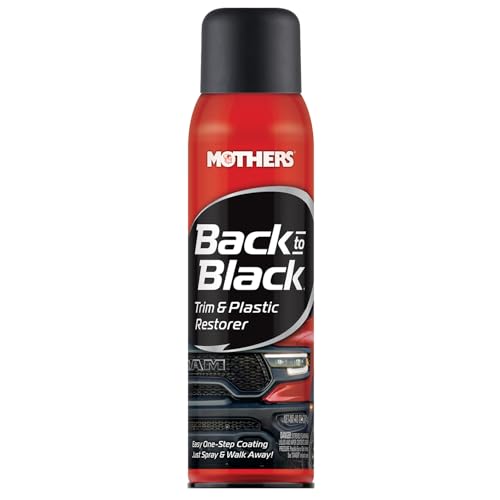
Mothers Back-to-Black Trim & Plastic Restorer 10 oz Aerosol (06110)
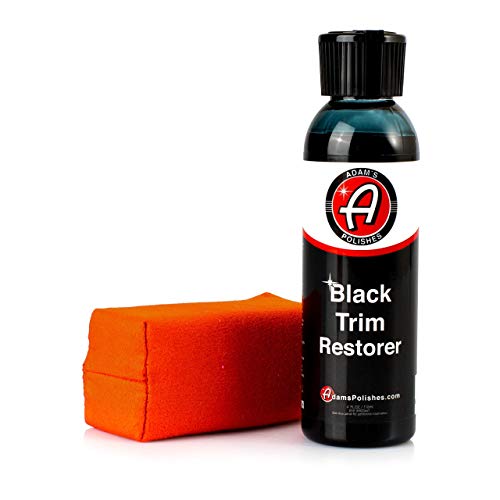
Adam’s Polishes Black Trim Restorer 4 oz with Applicator

CERAKOTE® Rapid Ceramic Plastic Restorer and Protectant Spray 14 oz

CERAKOTE® Rapid Ceramic Plastic Restorer and Protectant Spray 14 oz

NADAMOO Plastic Restorer for Cars Back to Black Ceramic Trim Restorer

Chemical Guys HydroShield Vinyl Rubber & Plastic Ceramic Coating 16 oz

GX-3 Plastic Restorer Black Plastic Restorer for Cars & Automotive Trim Restorer 2PK
More Details On Our Top Picks
This bottle suits routine exterior upkeep, especially around textured trim that has gone gray from sun and road film. The liquid format is useful on bumpers, mirrors, and plastic cladding, though it asks you to handle application with a little more care than a spray can. For most daily drivers, that trade-off is acceptable because you get focused coverage instead of overspray.
Compared with the aerosol version from the same line, this one gives you more control on larger panels and less mist drifting onto paint. The honest read is that it rewards patient application more than speed, so it fits driveway detailing better than a rushed pass in a parking lot.
Strong Points
- Works well for faded black plastic and vinyl on the outside of the vehicle.
- Liquid application lets you target specific panels and textured surfaces.
- Useful on common wear areas like bumper trim, mirror housings, and cladding.
- Helps reduce the chalky, washed-out look that makes trim stand out badly.
Things To Consider
- Application is more hands-on than a spray bottle or aerosol.
- Open surfaces may take a bit more attention to avoid uneven coverage.
- Stored in the bottle, it’s straightforward, but the extra step of using an applicator slows the job.
Key Specs
Who It Suits Best
You’ll like this most if you maintain one car at home and prefer careful hand application over speed.
A Better Fit Elsewhere
Mothers Back-to-Black Trim & Plastic Restorer 10 oz Aerosol fits you better when you want quicker coverage on grilles, fender wells, and other tight spots.
The aerosol format is the point here, because it makes awkward trim feel much easier to cover. Think grilles, engine bay plastics, wheel-well edges, and other recessed pieces where a cloth applicator can be clumsy. That spray-on approach also helps in a busy garage, since you can move quickly without spreading product by hand.
Compared with Mothers’ 12 oz liquid bottle, this version is the faster option for irregular shapes and tight corners. The trade-off is less precision on open panels, so you’ll want to control overspray and keep the pass light. It’s the cleaner fit for short maintenance jobs, not the most deliberate finish work.
What We Like
- Spray format speeds up coverage on detailed and hard-to-reach trim.
- No rubbing step keeps the process simpler for routine maintenance.
- Useful on grilles, fender wells, engine hoses, and recessed plastic.
- Helps refresh sun-faded vinyl and plastic that looks dry or dusty.
Worth Noting
- Aerosol control matters, since nearby paint and glass need a careful hand.
- Open, broad panels may not feel as precise as a liquid bottle.
- Stored on a shelf, the can is convenient, though a little more space-efficient than a squeeze bottle only in taller storage bins.
Feature Snapshot
Who Will Love This
You’ll get the most value here if you want fast coverage on complex trim without spending much time on hand application.
Skip It When
Mothers Back-to-Black Trim & Plastic Restorer 12 oz works better for you when you want slower, more deliberate control over larger panels.
This one leans toward detail work, because the included applicator gives you more control than a spray can or broad liquid pour. That matters on narrow trim strips, small textured pieces, and older plastic that needs careful placement rather than a fast pass. In a driveway session, the slower routine can actually feel cleaner and less messy.
Compared with the Mothers options, the 4 oz size is better suited to targeted refreshes than full-vehicle coverage. The honest trade-off is clear, you give up volume for precision, so it fits owners who touch up specific faded areas instead of redoing every trim piece on the vehicle.
Highlights
- Applicator helps you work product into small trim pieces with control.
- Hand-applied format keeps overspray out of nearby paint and glass.
- Compact size makes it easy to store in a detailing drawer or trunk kit.
- Suited to spot treatments where a little product goes a long way.
Small Caveats
- Small bottle size is less convenient for larger SUVs or repeated full-vehicle jobs.
- Application takes more time than a spray-and-move setup.
- The applicator adds one more piece to keep clean after use.
- For broad bumpers, the bottle may feel more measured than fast.
Details At A Glance
Built With In Mind
You’ll appreciate this most if you prefer careful hand detailing and only need to refresh a few faded sections at a time.
Where A Sibling Pick Shines
Chemical Guys HydroShield Vinyl, Rubber & Plastic Ceramic Coating 16 oz makes more sense for mixed interior and exterior trim where you want broader surface coverage.
This spray is the most clearly performance-leaning choice in the list, especially for owners who want a deeper-looking finish on black trim and bumper plastics. The 14 oz size gives you breathing room for a larger vehicle or several refresh cycles, and the non-greasy finish helps keep the result from looking oily. For a truck, SUV, or daily driver that sits outside, that cleaner finish is the point.
Compared with the Mothers picks, this leans more toward a ceramic-style protective layer than a plain dressing feel. The trade-off is that it makes the most sense for exterior surfaces where a longer-wearing look matters, not for every quick interior touch-up. It sits in the sweet spot for shoppers who want more staying power without moving into a complex coating routine.
Upsides
- Spray format covers larger trim areas quickly.
- Non-greasy finish suits vehicles where a clean look matters.
- 14 oz size is practical for SUVs and trucks with more exterior plastic.
- Made for faded black trim and bumper sections that need visual recovery.
- Fits well for regular outside parking, where sun exposure is part of the story.
Areas To Watch
- Spray coverage can go wider than you intend on tight panels.
- Exterior-focused use makes it less of a universal interior solution.
- Results depend on careful prep, especially on older, chalky plastic.
Core Details
Best Suited To
You’ll like this most if your vehicle spends time outdoors and you want trim that looks dark without a slick residue.
Another Choice May Suit
Adam’s Polishes Black Trim Restorer 4 oz with Applicator fits better for small, exact touch-ups where hand placement matters more than coverage speed.
This listing lands in a similar lane to the other CERAKOTE spray, which makes it useful if you want the same trim-restoration format but are comparing storefront versions or package details. The broad appeal is the same, faded black plastic gets a darker finish without a greasy look, and the 14 oz bottle gives you enough material for real vehicle use. In a garage that sees more than one car, that kind of versatility is easy to appreciate.
The distinction from the Mothers items is about finish style, not just application method. Compared with those more traditional dressings, this reads as a more coating-like option for people who want the exterior to hold its appearance longer between touch-ups. The catch is that it’s best used with a bit of care, because spray control still matters on narrow body lines.
Bright Spots
- Good fit for faded black trim that needs a cleaner, darker appearance.
- Spray format makes coverage efficient on medium and large surfaces.
- 14 oz size is practical for ongoing upkeep across multiple vehicles.
- Non-greasy result keeps trim from looking wet or oily.
Points To Note
- Shared naming with the other CERAKOTE spray can make listing comparison a little tedious.
- Best results still depend on surface prep and even spray control.
- Like most spray formats, it takes a steady hand near paint and glass.
Feature Rundown
The Right Fit
You’ll get along with this best if you want a spray-on restorer that can handle regular exterior trim maintenance across several vehicles.
Look Elsewhere When
Mothers Back-to-Black Trim & Plastic Restorer 10 oz Aerosol suits you better when the priority is simpler access to narrow grille areas and other recesses.
NADAMOO takes a smaller-kit approach, which is useful for motorists who only need to restore a few trim zones at a time. The 30 ml bottle is compact, and the included applicator makes it feel more like a focused detailing tool than a bulk refill. For a weekend garage setup, that can be easier to live with than a larger spray bottle.
Compared with the Mothers and CERAKOTE options, this product leans into concentrated use rather than broad coverage. The trade-off is straightforward, you get a modest amount of material in exchange for a format that suits careful spot work and short maintenance sessions. The 6-month claim on the listing points to a longer gap between applications, though actual results depend on how often the vehicle sits in the sun and rain.
Reasons To Buy
- Small bottle is easy to store in a glove box, drawer, or detailing bag.
- Applicator helps keep product placement controlled on trim edges.
- Works on plastic, vinyl, bumpers, and similar black exterior pieces.
- Compact format suits occasional use rather than large-scale restoration.
- Good option for shoppers who want a simple kit instead of a larger bottle.
Room For Improvement
- 30 ml is a small quantity for bigger vehicles or repeated full-body refreshes.
- Detail work takes more time than a spray application.
- Storage is easy, but the small size also means you may reach for it more often on larger jobs.
Feature Card
Whose Shelf It Belongs On
You’ll like this most if you detail one car at a time and want a small, tidy kit for spot restoration.
Swap It Out When
GX-3 Plastic Restorer is the stronger match for larger trim jobs and multi-surface use inside and out.
This is the broadest-use pick in the group, because it’s meant for vinyl, rubber, and plastic across both the cabin and the body. That makes it useful for interior dashboards, exterior trim, and even tires, which is a lot of surface range for one bottle. For a mixed-use garage, that flexibility saves you from keeping separate dressings on the shelf.
Compared with the more trim-specific Mothers and CERAKOTE options, HydroShield reads as a coating-style finish for people who want one product that reaches across several materials. The trade-off is that a wide-use formula can feel less specialized on a single job, so you may prefer it most when you maintain several surfaces during the same detailing session. It fits the owner who likes one bottle doing the work of several.
Best Bits
- Works across vinyl, rubber, and plastic inside and outside the vehicle.
- Useful on trim, tires, dashboards, and similar surfaces.
- Good choice for a single-product detailing routine.
- Helps revive dull surfaces that need a cleaner look and added gloss.
Softer Spots
- Wide use is helpful, but not as focused as a trim-only restorer.
- May feel broader than needed for owners who only want exterior plastic care.
- Large bottle storage takes more room than a small detailing kit.
At A Glance
Made For
You’ll appreciate this most if you maintain both the interior and exterior of the same vehicle and want one coating-style bottle for multiple materials.
Where A Sibling Pick Shines
Adam’s Polishes Black Trim Restorer 4 oz with Applicator is the neater choice for tiny touch-ups and precise placement on a few specific pieces.
GX-3 is the broadest utility play in the list, because it reaches across faded plastic, vinyl, and rubber on both the inside and outside of the vehicle. The inclusion of aloe vera gives it a more conditioning angle than harsher solvent-style dressings, which can matter on seals, hoses, and other flexible pieces. For someone maintaining multiple vehicles, that kind of range can feel like one bottle working across half the garage.
Compared with the smaller NADAMOO kit, this 2-pack is better suited to larger jobs and repeated maintenance. The trade-off is size and commitment, since the larger supply makes most sense when you regularly care for trucks, cars, or motorcycles and want one restorer for several materials. It’s the practical pick when your garage sees constant trim wear.
Positives
- Works on interior and exterior surfaces, which broadens its utility.
- Useful on bumpers, cladding, dashboards, consoles, seals, and hoses.
- Aloe vera content gives the formula a conditioning angle for flexible materials.
- 2-pack format suits larger households or more than one vehicle.
- Designed to handle repeated wash exposure and regular use.
Minor Gripes
- 2-pack supply is more than many casual trim jobs require.
- Broad use range can feel excessive for someone only restoring one faded exterior strip.
- Larger storage footprint matters in small detailing cabinets.
Core Details
Perfect Match For
You’ll get the most from this if you maintain several vehicles or want one trim restorer for both cabin surfaces and exterior plastic.
Reach For A Different Pick When
Mothers Back-to-Black Trim & Plastic Restorer 10 oz Aerosol makes more sense for faster, more targeted coverage in tight trim areas.
How To Choose The Right Automotive Trim Restorers
Match The Format To The Job
Spray cans suit grilles, fender wells, and quick exterior refreshes because they cover irregular shapes fast. Liquid bottles give you more placement control on open panels, which helps when you want a cleaner edge near paint. Small applicator kits fit fine-detail work, especially on narrow trim strips or older textured plastic that needs slower handling.
The format matters because it changes how much cleanup you’ll need afterward. Aerosols can wander onto nearby surfaces, while hand-applied bottles take more time but usually reward patience with tighter control. For a busy driveway session, a spray can is efficient, but a more careful weekend job often feels better with a liquid or applicator setup.
Think About Surface Type And Placement
Black textured trim, bumper corners, mirror caps, and recessed plastic each behave a little differently. A product that looks ideal on broad cladding may be awkward on a narrow grille slat, and a small bottle can feel perfect on a few faded pieces but underpowered on a full SUV. The right call starts with where the plastic sits, not just how faded it looks.
Interior pieces bring another wrinkle, because dashboards and consoles need a cleaner finish than outside cladding. Broad-use formulas help when you keep one maintenance routine for the cabin and body, while exterior-only products stay more focused on exposed trim. That’s why mixed-material products suit multi-car garages, but dedicated exterior restorers make more sense for people who only care about sun-faded black plastic.
Look Past Color Claims And Check The Finish
“Back to black” is only half the story. A trim restorer can darken faded plastic and still leave a greasy film, a heavy gloss, or a finish that feels wrong on a daily driver. Non-greasy and factory-style finishes usually look better on work trucks, family SUVs, and newer vehicles that need a subtle result.
Longer-wearing formulas also matter, especially for vehicles parked outside. Ceramic-style products tend to appeal to owners who want less frequent touch-up work, though they often ask for steadier application and a little more prep. If you prefer quick cosmetic refreshes, a traditional dressing can be easier to live with than a coating-leaning formula.
Balance Volume, Storage, And Maintenance
Big bottles help when you have several vehicles or a lot of exterior plastic to refresh, while smaller kits work better for occasional touch-ups. Storage matters more than people expect, because aerosol cans, applicator pads, and larger bottles all occupy different kinds of space in a garage or trunk kit. The easiest product to store is not always the one that fits your routine best.
Maintenance is part of the decision too. Some restorers are built for faster repeat use, while others are better for longer gaps between applications. A product that lasts longer can save time later, but only when the initial finish suits the surfaces you actually maintain.
What To Weigh Before You Click
Mistakes Worth Dodging
The most common mistake is choosing a formula for the label language instead of the surfaces in front of you. A broad coating can be excessive for one faded mirror cap, while a small applicator kit can feel slow on a full-size truck. Match the bottle to your actual trim count, not to the most dramatic claim on the page.
Another easy miss is ignoring finish style. Some products aim for a dark, subtle result, while others lean toward stronger gloss or a coating-like look, and that difference shows up quickly in daylight. The cleaner read usually matters more on newer vehicles and daily drivers.
What The Higher Tier Buys
Higher-tier trim restorers usually spend more on formula refinement, finish consistency, and durability-focused ingredients. That often means a cleaner final look, broader surface compatibility, or longer gaps between maintenance passes. For vehicles that live outdoors, that extra spending tends to make more sense than on a garage-kept weekend car.
You also pay for application quality. Spray control, included applicators, and formulas that resist looking oily all add comfort during use, especially on large vehicles with lots of exposed plastic. The upgrade is worth it when you want a more polished finish and less routine rework, not just darker color for a day.
Final Thoughts
Your best choice depends on how you maintain your vehicle, not just how faded the trim looks today. Mothers Back-to-Black suits straightforward upkeep, the CERAKOTE sprays lean toward longer-wearing exterior work, and GX-3 covers the broadest range of materials. Pick the format that matches your trim layout and the time you actually want to spend on it.
