

Automotive trim work lives or dies on fit, surface prep, and the right adhesive chemistry. You need a product that matches the material in front of you, whether that’s a sagging headliner, vinyl upholstery, a door molding, or a trim edge that wants to peel back in daily heat and vibration.
This roundup keeps the focus on practical use, not glossy claims. You’ll see spray adhesives, contact cement, double-sided mounting tape, sealant, and edge trim, because trim jobs in the garage rarely ask for one single solution.
Quick Look At The Shortlist

3M Headliner & Fabric Adhesive 18.1 oz. (38808)
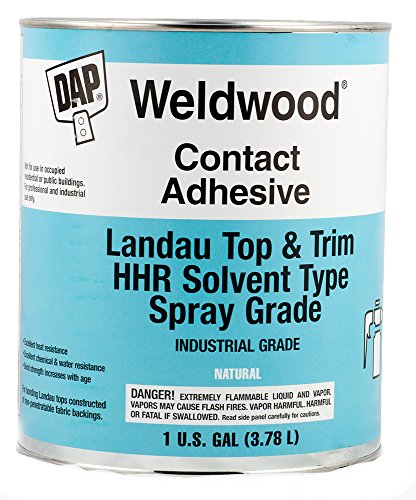
DAP Weldwood Landau Top & Trim HHR Contact Adhesive 1 Gal

3M Hi-Strength Spray Adhesive 94ET, Low VOC <20%, Clear

3M Double Sided Tape 1/4" x 15.4 Ft, 4905 Mounting Tape

3M Hi-Strength Spray Adhesive Glue 90 CA, Clear, 19.0 oz

Black Silicone Sealant & Caulk Tube with Finishing Tool

Double Sided Tape Heavy Duty, Waterproof Mounting Foam Tape 36.5ft
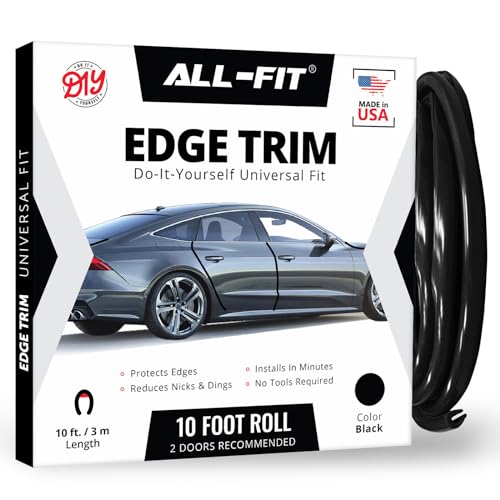
All-Fit Automotive Car Door Edge Protector 10 Ft, Black
More Details On Our Top Picks
Headliner repairs ask for fast grab and a clean finish, and this 3M can is built around that job. The adjustable nozzle helps you aim the spray instead of flooding the panel, which matters in a car roof where overspray becomes a nuisance quickly.
It dries clear and reaches handling strength in roughly 30 to 60 minutes, so trim work can move without a long pause. For older vehicles with sagging fabric or foam-backed liners, that balance of speed and control is the main reason this pick stands out.
Strong Points
- Clear-drying finish helps avoid visible glue marks on fabric edges.
- Fast set time keeps a headliner job moving.
- Adjustable nozzle gives you better spray direction in tight cabin spaces.
- Useful for heavyweight fabrics that need firmer grip on metal surfaces.
Things To Consider
- Spray adhesives need careful masking, especially around dash trim and glass.
- The fast dry window leaves less room for slow positioning.
- Can format favors clean, ventilated work areas over casual spot fixes.
Feature Snapshot
Who It Suits Best
DIY trim work in sedans, trucks, and older restorations fits this can well, especially when the job is a sagging roof liner or fabric panel.
A Better Fit Elsewhere
DAP Weldwood Landau Top & Trim HHR Contact Adhesive 1 Gal suits larger upholstery and foam projects where a spray-grade contact cement and bulk container make more sense.
This DAP can is the bulk-minded option in the set, and that matters in a garage doing full interior work rather than a single patch. Contact cement bonds after both surfaces are prepared, so it suits upholstery, foam, and vinyl where you want broad, even coverage.
Its heat resistance is a real advantage inside cabins that sit in direct sun, while the water-resistant formula adds another layer of practical security. The trade-off is simple, it asks for careful handling and better prep than a casual aerosol patch.
Upsides
- Large 1-gallon size fits repeated restoration jobs.
- Heat-resistant behavior suits dashboards, tops, and cabin trim that see summer load.
- Water resistance adds peace of mind in damp storage or humid climates.
- Works well on upholstery, foam, and vinyl, which covers a lot of interior trim work.
Soft Spots
- Bulk format takes more storage space than the aerosol picks above.
- Contact cement calls for careful alignment before full set.
- Cleanup and application are less casual than tape-based options.
Core Details
Who Will Love This
Restoration work on headliners, upholstery, foam panels, and vinyl interiors suits this can best, especially in a workshop that tackles bigger jobs.
Another Choice May Suit
3M Headliner & Fabric Adhesive 18.1 oz. (38808) fits smaller roof-liner repairs better because the adjustable spray format is easier to manage in a cramped cabin.
Compared with the headliner-focused 3M can, this version leans harder into flexibility during placement. The 60-minute bonding range gives you breathing room on larger panels, so you can align parts without rushing the first pass.
The adjustable-width web spray is useful on projects that need a cleaner fan pattern than a blunt blast. In a busy shop or garage, that extra control makes the difference between tidy coverage and sticky overspray around the edges.
Best Bits
- Longer bonding window supports alignment on larger builds.
- Fast initial grab helps materials stay put once positioned.
- Aerosol spray pattern can be adjusted for narrower or wider coverage.
- Bonds wood, laminates, metals, select rubbers, carpet, and flooring.
Areas To Watch
- Spray control still depends on prep and masking discipline.
- Mixed-material adhesion is broad, but surface compatibility still matters.
- Large coverage can go through a can faster on big panels.
Details At A Glance
Built With In Mind
Shops handling mixed-material interior work, carpet trim, and shaped panels will get the most from this spray adhesive.
Swap It Out When
3M Double Sided Tape 1/4" x 15.4 Ft, 4905 Mounting Tape fits better for badge and molding installs where you want a tape solution instead of a spray.
This tape changes the job from wet adhesive to clean mounting, which is useful for trim, molding, emblems, and weatherstripping. A 1/4-inch width gives you a narrow footprint, so it works best where a thin bond line looks cleaner than a spray pattern.
Compared with the spray adhesives above, this option is far less messy and more straightforward for small exterior parts. The trade-off is that you’re relying on surface prep and contact area, so it suits smooth, well-fitted pieces more than rough or uneven ones.
Positives
- Narrow tape profile helps on trim that needs a tidy edge.
- Clear appearance keeps the bond less visible on many parts.
- Works well for emblems, molding, and badge mounting.
- Weather-resistant foam construction suits exterior trim exposure.
Minor Gripes
- Surface prep matters a lot for long-term hold.
- Thin tape is best for flat, consistent contact zones.
- Small width may not suit wide cladding pieces.
Feature Rundown
Whose Shelf It Belongs On
Detail-oriented owners who install badges, weatherstripping, and light molding will get strong use from this tape.
Look Elsewhere When
Couzeely Double Sided Tape Heavy Duty 36.5ft suits longer runs and broader coverage more comfortably because the roll is built for extended mounting jobs.
This is the broadest adhesive in the lineup, and that makes it useful when the project drifts beyond one trim material. It bonds laminate, wood, concrete, metal, plastic, fabric, and several other surfaces, so a garage with mixed repair work can keep one can on hand.
The clear finish keeps it visually discreet, which matters on parts where squeeze-out is obvious. It behaves more like a general-purpose contact spray than the headliner-specific 3M can, so it suits flexible workflows rather than one narrow task.
Bright Spots
- Wide material range makes it useful for mixed repair tasks.
- High tack helps parts grab early during placement.
- Clear color keeps the adhesive less noticeable on exposed edges.
- Works across small craft-style fixes and larger interior jobs.
Points To Note
- Broad versatility can tempt you to use it where a specialty adhesive fits better.
- Spray coverage still calls for careful masking.
- General-purpose use is convenient, but not as tailored as the headliner-focused option above.
Quick Facts
The Right Fit
DIYers who jump between trim, panel, and interior patch work will appreciate the broad material compatibility.
Where A Sibling Pick Shines
3M Headliner & Fabric Adhesive 18.1 oz. (38808) is the more focused choice for roof liners and fabric-heavy automotive work.
Not every trim problem is about mounting, and this silicone sealant handles the seams and joints that adhesives often leave behind. The finishing tool is a small but useful inclusion, because neat bead work matters around windows, roofs, and vehicle edges.
Its flexible bond makes sense in areas that move, vibrate, or see moisture, especially on mixed surfaces like metal, plastic, and glass. Compared with the tape and spray picks above, this one is about sealing first and holding second, which is a different job but a useful one.
Standout Traits
- Flexible seal suits moving joints and vibration-prone spots.
- Black finish blends into many automotive and exterior surfaces.
- Useful for roof, window, and door edge sealing.
- Finishing tool helps shape a cleaner bead.
Small Caveats
- Sealant is not a substitute for every trim bond.
- Tube work needs some cleanup discipline.
- Storage and reuse depend on keeping the nozzle in good condition.
At A Glance
Made For
Owners sealing roof seams, window edges, or exterior trim gaps will find the best match here.
A Better Fit Elsewhere
All-Fit Automotive Car Door Edge Protector 10 Ft, Black suits pure edge-protection jobs better because it focuses on guarding painted door edges from chips and scuffs.
Length is the headline here, and that makes sense for longer trim runs or repeated mounting jobs. The foam structure is built from acrylic foam, which gives the tape stretch and grip without turning the job into a drill-and-screw project.
At 36.5 feet long and 0.4 inch wide, this roll is suited to LED strips, light car trim, office accents, and other narrow applications where coverage matters more than a tiny strip of tape. Compared with the 3M mounting tape above, this one is more about quantity and flexibility than a compact branded footprint.
Highlights
- Long roll length supports multiple installs.
- Acrylic foam construction adds stretch and conformability.
- Waterproof behavior suits exposed or humid locations.
- Useful for cars, LED strips, and office decor.
Honest Caveats
- Narrow width means it suits certain jobs better than broad panels.
- Strong adhesion still depends on smooth, clean surfaces.
- Bulk length is handy, but the roll takes more drawer or toolbox space.
Spec Overview
Perfect Match For
People mounting long strips, light trim, or decor across several surfaces will get the most from this roll.
Skip It When
3M Double Sided Tape 1/4" x 15.4 Ft, 4905 Mounting Tape is the neater choice for smaller badge and molding work where a shorter roll is enough.
This pick is less about adhesive chemistry and more about finishing the edge cleanly. A flexible, self-adhesive trim strip makes sense on door edges that scrape against walls, parking spaces, or loaded garage openings.
It comes as a 10-foot black strip, so it fits the kind of smaller protection job that doesn’t need a tube or spray can at all. Compared with the tape and adhesives above, this one is the most direct answer for guarding painted edges without drilling or extra hardware.
Reasons To Buy
- Flexible trim follows door-edge curves more naturally.
- Self-adhesive format keeps installation simple.
- Good fit for cars, trucks, and SUVs.
- Black color is easy to blend with darker body lines.
Room For Improvement
- Trim length is limited to smaller coverage jobs.
- Edge placement needs careful alignment on the first pass.
- Works best as protection, not as a general mounting adhesive.
Key Specs
Who Should Grab It
Drivers who want simple door-edge protection without a body-shop style install will get the most from this strip.
Reach For A Different Pick
3M Double Sided Tape 1/4" x 15.4 Ft, 4905 Mounting Tape suits badge, molding, and small exterior trim jobs better because it gives you a more general mounting format.
How To Choose The Right Automotive Trim Adhesives
Surface Match Comes First
The right adhesive starts with the material in front of you. Foam-backed headliners, vinyl, plastic trim, painted metal, and rubber all behave differently, so the bond type matters as much as the brand on the can.
Spray adhesive works well for broad, even coverage on fabric or panel jobs. Double-sided tape makes more sense for badges, moldings, and clean edge mounting, while sealant belongs around gaps and seams where flexibility matters more than a flat bond.
Heat, Moisture, And Movement
Car interiors and exterior trim see more stress than a typical household project. Sun exposure raises cabin temperature, door edges flex, and moisture can work into seams, so a product should match the environment, not just the material.
A heat-resistant contact cement is useful for larger upholstery and landau-top style work. Foam tape with weather resistance can be a smart fit for trim exposed to rain or wash cycles, while silicone sealant is the better answer for joints that move.
Application Style Changes The Outcome
The cleanest adhesive in the wrong format can still create a messy job. Aerosol spray gives speed and coverage, but it needs masking and control, while a tube or can of contact cement asks for careful surface prep and alignment before the bond locks in.
Tapes are less chaotic, though they depend on straight placement and a good contact surface. For a driveway repair or a garage project after work, the easier format often gets used more consistently, and that usually matters as much as raw strength.
Pick For The Job, Not The Label
Headliner sag calls for a different tool than a trim strip or a roof seam. A product that looks general-purpose can still be the wrong fit if it lacks the dry time, flexibility, or form factor your job needs.
For most home garages, the safest path is to match the adhesive to the smallest set of tasks you plan to tackle. That keeps you from overbuying a bulk contact cement when a short roll of tape or a focused spray can would be easier to live with.
Things Worth Knowing First
Common Shopping Slip Ups
A common mistake is choosing by bond strength alone and ignoring the surfaces involved. A tape made for smooth trim can underperform on rough plastic, and a spray made for fabric can be awkward on a narrow badge.
Another misstep is overlooking the install space. Tight cabins, exterior body lines, and awkward roof panels all favor different formats, so the product shape matters as much as its adhesive chemistry.
The Case For Spending Up
Higher-tier options usually cost more because they control the bond better, cover more surface types, or hold up better under heat and moisture. That extra spend often buys cleaner application, broader compatibility, or a larger container for repeated work.
That’s especially useful in restoration shops, fleet maintenance, or a home garage that sees frequent projects. A more capable adhesive can reduce rework, which is where the real value tends to show up.
Final Thoughts
Automotive trim work gets easier once you stop treating every bond like the same job. A headliner can, a large contact cement, a clean mounting tape, and a door-edge protector each solve a different problem, and the right match saves time as well as frustration. For small repairs, keep it simple. For larger interior projects, choose the format that fits the surface, the heat, and the amount of cleanup you’re willing to manage.
