

Automotive seams fail in ordinary places first, along body joints, roof edges, window lines, and the small gaps that catch water, dust, and road spray. The right sealant saves you from repeated patchwork and gives you a cleaner finish in a garage, driveway, or body shop setting. This roundup focuses on black formulas, fast cure options, and products that make sense for vehicles, RV panels, glass, and mixed repair work. You get a sharper way to match the sealant to the job instead of guessing from the tube.
Quick Look At Our Top Automotive Sealants

ADVANCEDSIL Black Silicone Sealant & Caulk Tube
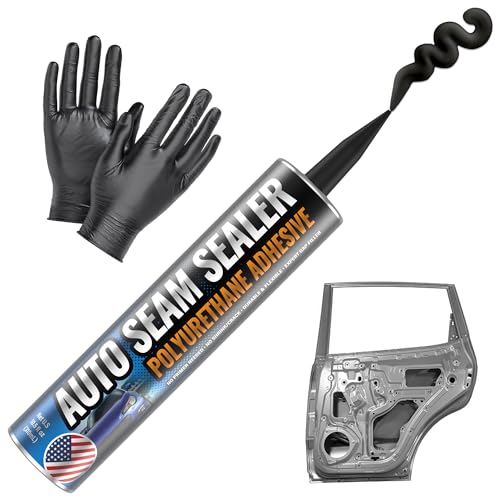
FORTIVO Black Professional Automotive Seam Sealer

FORTIVO Black 2 Pack Professional Automotive Seam Sealer

Berkland Polyurethane Seam Sealer 2-Pack

Berkland Polyurethane Seam Sealer

Tylove Black Seam Sealer Automotive
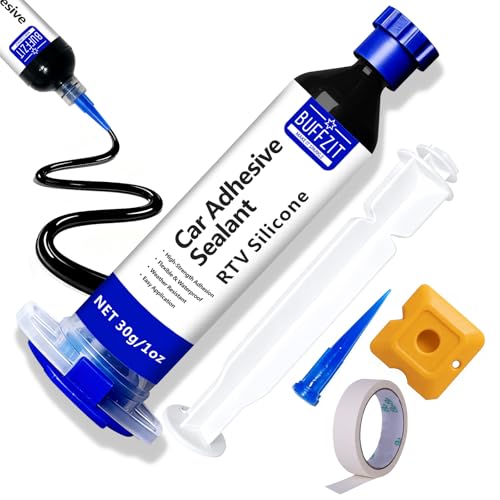
BUFFZIT RTV Silicone Adhesive Sealant
More Details On Our Top Picks
Black silicone earns its place where you want a flexible seal that follows movement instead of fighting it. Around trim, roof edges, windows, and vehicle touchpoints, that matters because vibration and temperature swings are part of real ownership, not edge cases.
The finishing tool is a useful touch for cleaner bead shaping, especially in a garage repair where appearance matters as much as coverage. Compared with the polyurethane seam sealers later in this list, this one reads more like a general-purpose sealant for mixed surfaces, though the trade-off is that it’s less tailored to body-panel seams.
Strong Points
- Silicone base stays flexible, which helps on parts that move or expand.
- Works across bathroom, roof, window, and automotive jobs, so one tube covers more ground.
- Black finish suits dark trim and visible seams better than a bright white product.
- The finishing tool supports neater application, useful for visible repair lines.
Minor Caveats
- It’s a broad-use sealant, so dedicated body-shop users may want a more specialized seam sealer.
- Tube-style products need careful storage once opened to keep the nozzle clean.
Feature Snapshot
Who It Suits Best
DIYers who want one sealant for household repairs and casual vehicle work will get the most from it.
A Better Fit Elsewhere
FORTIVO Black Professional Automotive Seam Sealer suits body-panel work better, especially for vehicle projects that revolve around metal seams and paint-ready timing.
Body seams ask for a different kind of sealant than the silicone tube above, and this FORTIVO formula is built around that job. The quick-set polyurethane approach fits car panels, truck metal, and RV roof work where you want a fast turn from application to paint.
Paint readiness in about 30 minutes is the headline feature, though the real value is workflow. That speed can help in a busy garage or weekend repair session, while the included gloves and tip make it a more complete package for first-time seam work.
What We Like
- Paintable quickly, which shortens the wait before finishing work.
- Bonds to primed, painted, or bare metal, so prep options stay flexible.
- Useful for cars, trucks, and RV roofs, which gives it broader body-shop utility.
- Includes gloves and a tip, reducing the need for separate small accessories.
Areas To Watch
- Fast set time leaves less room for slow adjustments during application.
- Metal-focused use makes it less versatile than the silicone-based ADVANCEDSIL tube.
- Cartridge cleanup matters, since uncured polyurethane can be messy around the nozzle.
Core Details
Who Will Love This
You get the most from this choice if your projects focus on vehicle seams, painted body panels, or RV roof lines.
Where A Sibling Pick Shines
BUFFZIT RTV Silicone Adhesive Sealant fits smaller gasket or trim jobs better, especially where a compact tube matters more than a seam-filling cartridge.
This two-pack follows the same quick-set polyurethane idea as the single FORTIVO cartridge, but it gives you more material for larger jobs or repeat repairs. That matters for trunk seams, multiple panels, or a garage owner who doesn’t want to stop midway through a project.
The trade-off is simple: more supply usually means more responsibility for storage and cleanup. For a shop shelf or a home garage, that’s fine, though occasional users may not need the extra volume unless they’re tackling several vehicles or a full seam pass.
Upsides
- Two-pack format is useful for bigger jobs and follow-up repairs.
- Paintable polyurethane supports a clean finish after application.
- Fits the same metal-surface use case as the single FORTIVO sealer.
- Includes gloves and a tip, so the package feels ready for immediate work.
Points To Note
- Extra supply can be more than casual users need for one-off touchups.
- Like most cartridge sealers, it needs tidy storage after opening.
Technical Sheet
Best Suited To
Garage tinkerers and small-shop workbenches benefit most from the extra tube count and body-seam focus.
Another Choice May Suit
ADVANCEDSIL Black Silicone Sealant & Caulk Tube fits people who want one sealant for cars plus household edges and windows.
Berkland leans into body-panel sealing rather than general household versatility, and that narrower focus can be exactly what a vehicle repair calls for. The black polyurethane formula is useful where seams, weld joints, and gaps sit in plain view and you want the finish to stay discreet.
Compared with the FORTIVO two-pack, this one is a little more about the seal itself than the accessory bundle around it. That’s a fair trade for someone who values a straightforward, paintable seam compound and wants the black color to sit quietly against darker underbody surfaces.
Highlights
- Two-pack format gives you enough material for several seam jobs.
- Polyurethane construction suits flexible joints and body seams.
- Black color blends better with undercarriage areas and wheel wells.
- Paintable surface helps the repair disappear into the surrounding finish.
Softer Spots
- Its body-seal focus makes it less broad than the silicone option earlier in the list.
- Cartridge care still matters, especially for storage between repair sessions.
Details At A Glance
Whose Shelf It Belongs On
It belongs with home mechanics and repair-focused hobbyists who work mostly on body seams, rocker panels, or weld lines.
Look Elsewhere When
BUFFZIT RTV Silicone Adhesive Sealant is the better fit for small, precise gasket work or mixed home-and-vehicle sealing.
This Berkland cartridge keeps the same seam-sealing logic as the two-pack, but in a simpler single-unit form that suits smaller jobs. The black finish matters here because underbody repairs and wheel-well seams can look cleaner when the product doesn’t stand out.
Paintability in about 30 minutes is the practical hook, since it helps you move from sealing to finishing on the same day. The honest read is that you get a focused body compound, not a broad-use household sealant, so it makes the most sense for vehicle-centric projects.
Best Bits
- Single cartridge is easier to manage for smaller jobs.
- Black color works well in low-visibility body areas.
- Paintable timing supports quicker repair turnaround.
- Polyurethane formula fits seam filling and flexible joints.
Room For Improvement
- One cartridge may feel light for bigger panel runs.
- It’s less versatile than the silicone-based ADVANCEDSIL option for mixed surfaces.
Feature Rundown
Built With In Mind
Vehicle owners doing smaller seam repairs or touchups will get the most out of this cartridge format.
Swap It Out When
FORTIVO Black 2 Pack Professional Automotive Seam Sealer makes more sense for repeated jobs or larger repair areas.
Tylove stands out because it stretches beyond metal alone and adds plastic to the mix, which broadens its job list without pushing you into a separate tube. For auto body repair, that flexibility matters when trim, tabs, or mixed-material areas sit next to the seam you’re closing.
The 10.5-ounce tube format keeps it manageable, though the trade-off is that a single tube may not cover a long series of seams. In most garage setups, that still feels like a sensible middle ground for repair work that needs strength and a paintable finish.
Bright Spots
- Works on metal and plastic, which helps in mixed-material repair spots.
- Waterproof positioning suits exposed vehicle areas and leak-prone seams.
- Quick paintable sealant profile supports finishing without a long delay.
- Black tube format fits darker repair zones better than a bright filler.
Honest Caveats
- One tube can go quickly on larger seam runs.
- Tube cleanup is easier when you keep the nozzle capped and stored neatly.
- It is more repair-focused than the broader ADVANCEDSIL silicone option.
Feature Card
The Right Fit
You benefit most from this tube if your repairs involve a mix of body metal, trim pieces, and small leak-prone zones.
Consider Something Else When
Berkland Polyurethane Seam Sealer 2-Pack makes more sense for longer seam jobs where extra material is the priority.
This small RTV silicone tube is built for precision jobs rather than broad seam filling. Gaskets, headlights, sunroof edges, and window spots all fit that kind of use, where a controlled bead matters more than a large-volume cartridge.
The 30 g size is the clearest clue, and it suits owners who need a compact sealant for occasional repairs or tight access points. Compared with the larger automotive seam sealers in this roundup, it’s the tidier option, though it won’t replace a full-size cartridge for bigger body work.
Reasons To Buy
- Small tube format is easy to store and use for minor repairs.
- Silicone construction suits gasket-style sealing and elastic joints.
- Works on automotive spots like sunroofs, headlights, and windows.
- The black color helps the bead blend into darker trim areas.
Things To Consider
- Small volume is better for targeted fixes than broad seam runs.
- It’s less suited to body-panel work than the polyurethane picks above.
- Fine-tip application matters, so neat handling pays off.
Core Details
Perfect Match For
Owners who need a small, controlled sealant for gaskets or trim work will find the format easy to keep on hand.
Skip It When
FORTIVO Black 2 Pack Professional Automotive Seam Sealer is the stronger fit for larger body seams and heavier repair schedules.
How To Choose The Right Automotive Sealants
Match The Formula To The Surface
Silicone and polyurethane do different jobs, and that’s the first split worth paying attention to. Silicone stays flexible and works well for mixed sealing chores, while polyurethane is usually the better fit for body seams, weld lines, and areas that will be painted later.
Size And Pack Count Change The Job
A 30 g tube suits trim, gaskets, and quick touchups, while 10.5 oz cartridges make more sense for seam runs and panel work. Two-packs help in garages where the same repair comes back later, but a single tube is easier to store and keep clean.
Think About Finish Timing
Paint-ready timing matters more than it sounds, especially on a weekend project or in a busy shop. Fast-curing sealers reduce waiting between steps, but they also leave less room to smooth the bead slowly, so they suit confident application better.
Color And Visibility Matter More Than Expected
Black sealant blends well with underbody areas, dark trim, and wheel wells, which keeps the repair discreet. That matters on visible vehicle surfaces, though a dark sealant can also make cleanup more obvious if the bead goes astray.
What To Weigh Before You Click
Common Shopping Slip Ups
A lot of people focus on “automotive” in the title and miss the surface match. Metal-only seam sealers and broad silicone caulks do not feel the same in use, so you want the formula to fit the repair, not just the label.
Another common miss is undersizing the tube. Small tubes are tidy and easy to store, yet they can run out quickly on long seams or repeated fixes, which leads to an inconvenient second purchase.
The Case For Spending Up
Higher-tier automotive sealants usually cost more because you get faster cure timing, better surface compatibility, or a more specialized body-seam formula. Extra pack count also adds convenience for larger jobs, especially in garages where the same repair category comes up often.
That upgrade makes sense for panel seams, RV roof lines, and mixed-material repairs where the seal has to stay put and still accept paint cleanly. For a small gasket fix, a compact tube usually handles the task without extra bulk.
Final Thoughts
A good automotive sealant should match the surface, the size of the job, and the finish you want to see afterward. The polyurethane picks here lean toward body seams and paintable repairs, while the silicone options fit broader sealing jobs and tighter detail work. That split gives you a clean way to choose without overbuying. Pick the tube that fits the repair you actually have in front of you, and the rest gets easier.
