

Rust does not stay polite. It creeps into battery terminals, wheel wells, brackets, tools, and the steel edges you meant to fix later, then turns a small chore into a bigger one. These eight Automotive Rust Treatments give you different ways to handle that problem, from quick spray protection to rust conversion and heavy-duty removal. The right match depends on whether you want to protect clean metal, convert active corrosion, or strip rust before paint.
Quick Look At Our Shortlist
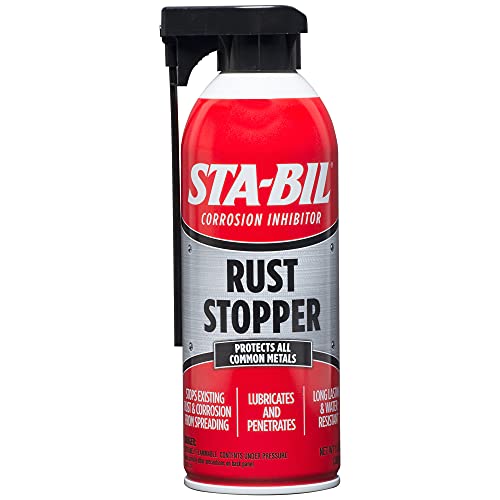
STA-BIL Rust Stopper 13 Oz (22003)

Rust-Oleum Stops Rust 2-in-1 Rust Reform & Seal Coating Spray, Black

Seymour 16-45 Rust Converter, Black
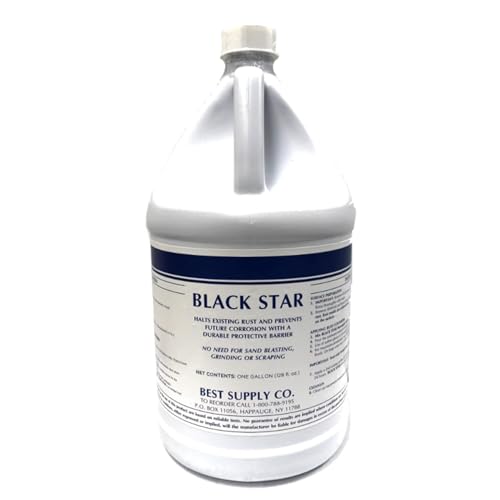
BLACK STAR MRO Chem Rust Converter 1 Gallon

Rust Converter & Metal Primer 141 Fl Oz

Rust-Oleum Rust Dissolver Jelly 8 oz

Dupli-Color Rust Fix Rust Treatment, Flat, Black, 10.25 oz

More Details On Our Top Picks
STA-BIL Rust Stopper suits the sort of maintenance that happens between bigger repairs, especially around exposed metal and battery terminals. The spray leaves behind a protective film, so it works more like a guard coat than a dramatic fix, and that matters for commuter cars, bikes, boats, and RV hardware.
The trade-off is simple: it’s aimed at prevention and light rust control, not at rebuilding badly eaten parts. In a garage that sees wet weather or seasonal storage, that kind of targeted protection is often exactly enough.
Strong Points
- Protects exposed and painted metal surfaces with a lasting barrier.
- Useful on battery terminals, where corrosion can spread quickly.
- Water resistance helps in damp parking or seasonal storage.
- Also adds lubrication, which can reduce squeaks and sticking on small parts.
Points To Note
- It is better for prevention than for heavy restoration work.
- A spray format can be messy near trim or wiring without careful masking.
- Open-bottle storage matters, since the brand notes a two-year use window after opening.
Feature Snapshot
Who It Suits Best
You benefit most from this pick if you want a maintenance spray for regular vehicle care, especially in wet climates or for stored equipment.
Where A Sibling Pick Shines
Rust-Oleum Stops Rust 2-in-1 Rust Reform & Seal Coating Spray, Black fits better for underbody spots that need a tougher, rubberized coating rather than a lighter preventative spray.
This one steps closer to repair work than STA-BIL’s lighter spray, because it’s built as a sealing coating for metal that already needs more than basic protection. The rubberized finish gives it a different feel, which is useful in wheel wells, underbody panels, and other places that see road grime and moisture.
You may find it especially practical for older vehicles that need a barrier layer over rough surfaces. The honest read is that it’s less about a neat cosmetic finish and more about building a flexible skin over metal that has already started to deteriorate.
Upsides
- Seals rusted or bare metal in one coating step.
- Rubberized texture adds flexibility, which helps on exposed vehicle areas.
- Resistance to chemicals and abrasion supports harsher road use.
- Spray format keeps application straightforward for DIY driveway work.
Areas To Watch
- The coating style makes it less suited to hidden detail work.
- Surface prep still matters, especially where loose rust is present.
- Black finish limits color-matching flexibility on visible panels.
Core Details
Who Should Grab It
Drivers dealing with wheel wells, underbody patches, or rough vehicle metal will get the most from this coating.
Skip It When
Seymour 16-45 Rust Converter, Black makes more sense for you if the goal is a primer-ready rust conversion layer rather than a thicker sealing coating.
Seymour takes the conversion route, which means it turns rusted iron and steel into a black base that’s ready for topcoat work. That makes it a smart fit for trailers, fences, railings, and vehicle panels where you want to cut down on wire brushing before painting.
For restoration-minded work, the timing details matter: it dries to the touch quickly and can accept topcoats a day later. That pace suits a weekend project better than a rush job, and the black finish makes it easy to see where the coating has landed.
Highlights
- Converts rust into a paintable black primer layer.
- Reduces sanding and brushing time on moderate repair jobs.
- Accepts topcoats after 24 hours, which helps plan a full repair cycle.
- Works across vehicles and fixed metal structures.
Room For Improvement
- Loose rust still needs removal before application.
- The process is better for prep work than for cosmetic-only touch-ups.
- Waiting for the topcoat window adds a little delay to the project.
At A Glance
Best Suited To
You benefit most from this choice if you restore steel parts and want a smoother path to paint instead of stripping every bit of rust to bare metal.
Another Choice May Suit
Rust-Oleum Rust Dissolver Jelly, 8 oz fits better for you if the main need is to remove rust from small parts before wiping and rinsing them clean.
This gallon-size converter is aimed at larger steel projects, where coverage matters as much as chemistry. Compared with Seymour’s smaller-format approach, BLACK STAR MRO makes more sense for shop work, fleet maintenance, or any job where you’d rather not keep opening smaller containers.
The main advantage is practical volume, especially on panels, frames, or repeated repair areas. The trade-off is equally plain: a larger container is only sensible when you have enough rusted surface to justify it, otherwise you end up storing more than you need.
Best Bits
- Large one-gallon size suits broad steel coverage.
- Good match for repeated maintenance across multiple parts.
- Reduces the need for constant repurchasing on bigger jobs.
Softer Spots
- Bulk size is less convenient for small garage fixes.
- Storage takes more shelf space than compact bottles.
- It is more product than a casual touch-up usually needs.
Details At A Glance
Built With In Mind
You get the most value here if your workbench sees repeated rust conversion on large steel surfaces, not just the occasional bracket or patch.
Look Elsewhere When
Dupli-Color Rust Fix Rust Treatment, Flat, Black, 10.25 oz is the better fit for smaller bodywork spots that need a compact spray and a smoother topcoat path.
This LISRUX option sits at the large-volume end of the category, and the size tells you a lot about the intended use. It’s geared toward bigger surfaces, especially automotive, industrial, or mixed metal work where a water-based primer-style coating earns its keep.
Heat and UV resistance make it more comfortable for outdoor exposure than a basic converter, though that still does not turn it into a miracle layer. For garages, shops, or fleet upkeep, the scale is the real story, and it should appeal most to people who burn through smaller cans too quickly.
Reasons To Buy
- Very large 141 fl. oz. size supports extended use.
- Water-based formula is easier to handle in routine shop work.
- Heat and UV resistance broaden outdoor use cases.
- Acts as both converter and primer, which can simplify prep.
Minor Gripes
- The container size only makes sense for substantial jobs.
- Large-format storage is less convenient on a cramped shelf.
- It is built for coating work, so cosmetic fineness depends on application care.
Spec Overview
Whose Shelf It Belongs On
You should look at this one for large repair spaces, fleet maintenance, or shop use where volume and exposure resistance matter more than compact packaging.
Swap It Out When
Rust-Oleum Stops Rust 2-in-1 Rust Reform & Seal Coating Spray, Black is the cleaner fit for smaller underbody repairs that call for a sprayable barrier rather than a bulk primer.
Rust-Oleum’s jelly format matters because it clings to vertical and irregular metal instead of running off like a thin liquid can. That makes it useful for bolts, tools, grills, bike parts, and other pieces that need rust removed before paint or reassembly.
The shorter dwell-time window is handy for small parts jobs, though heavier rust can ask for a second pass. For a home garage, that combination of cling and rinse-off cleanup often feels more manageable than grinding away at tight spots.
Positives
- Thick jelly stays on the metal longer.
- Good fit for tight hardware and irregular parts.
- Can remove light to medium rust in a short window.
- Rinse-and-wipe cleanup keeps the process straightforward.
Worth Noting
- Heavier rust may need another application.
- It removes rust, so you still need a follow-up coating or paint plan.
- Jelly cleanup around threads and crevices can take a little patience.
Feature Card
Who Will Love This
You benefit most from this jelly if you restore small metal parts and want rust removal without aggressive scrubbing.
Where A Sibling Pick Shines
SEM 69508 Rust Mort is the more fitting choice for bodywork prep when you want a treatment aimed at conversion before filler or primer.
Dupli-Color’s Rust Fix leans toward practical bodywork prep, especially where you want a treated black surface that can be sanded smoother before topcoating. Compared with SEM’s prep-first chemistry, this one feels a little more straightforward for spot repairs on panels and trimmed metal sections.
The flat black finish helps the treated area blend into the repair stage, which is useful around fiberglass, body filler, and similar patch work. The catch is that it’s still a step in a repair sequence, not a complete finish by itself.
Bright Spots
- Transforms rust into a sandable, paint-ready surface.
- Flat black finish helps with visual coverage during repair.
- Works well with body filler and fiberglass work.
- Good fit for patch jobs where full metal stripping is overkill.
Small Caveats
- It is more of a prep coating than a final cosmetic layer.
- Spot repair work still calls for careful surface cleanup.
- The 10.25 oz size suits smaller jobs better than broad coverage.
Quick Facts
The Right Fit
You should look here for panel repairs, filler work, and other projects where a sandable rust treatment is part of the prep stack.
Reach For A Different Pick When
STA-BIL Rust Stopper is a better fit for routine prevention on exposed metal and terminals rather than repair-stage bodywork.
SEM Rust Mort is aimed squarely at body repair prep, where rust needs to be turned into a stable coating before filler, primer, or topcoat goes on. That makes it a very different tool from Rust-Oleum Rust Dissolver Jelly, which is built to strip rust rather than convert it.
For panel work, that distinction matters a lot, because conversion products can save you from chasing every last trace of corrosion by hand. The bottle size is modest, so it fits best in a focused repair kit rather than a rust-control shelf for the whole garage.
What We Like
- Converts existing rust into a stable black layer.
- Works well before body filler, primer, or topcoat.
- Useful for restoration jobs that need controlled prep.
Honest Caveats
- It is a prep chemical, not a final surface finish.
- Smaller size limits how much area you can cover.
- Works best in a repair sequence, so it is not a one-step fix.
Feature Rundown
Made For
You should reach for this one when your work centers on body repair prep and you want a rust converter that slots neatly into the coating sequence.
A Better Fit Elsewhere
BLACK STAR MRO Chem Rust Converter, 1 Gallon is the stronger match for larger steel jobs where bulk coverage matters more than a small repair bottle.
How To Choose The Right Automotive Rust Treatments
Match The Formula To The Rust Stage
Rust treatments split into three useful groups: protectors, converters, and removers. Protectors, like STA-BIL Rust Stopper, suit clean or lightly exposed metal that needs a barrier against moisture and corrosion. Converters, such as Seymour 16-45 or SEM Rust Mort, turn existing rust into a stable coating before filler or paint goes on. Removers, like Rust-Oleum Rust Dissolver Jelly, strip rust away so the surface can be cleaned and refinished.
The right stage matters more than the brand name on the label. A remover on deep underbody corrosion can feel slow and incomplete, while a converter on clean metal does little beyond adding an extra step. Match the chemistry to the actual condition in front of you.
Think About Where You’ll Use It
Battery terminals, hidden brackets, and stored equipment benefit from light protective sprays that spread easily and leave a thin film. Wheel wells, frames, and rough underbody sections usually call for a tougher coating or sealant. Body panels and repair patches tend to work better with a converter that accepts primer or topcoat later.
That location difference drives the whole choice. A thick jelly that clings well helps on bolts and small hardware, while a gallon converter makes more sense for shop work or repeated steel coverage. Narrow spaces also punish awkward packaging, so container size and application method matter just as much as chemistry.
Balance Prep Time Against Finish Needs
Some treatments reduce sanding and wire brushing, while others need a cleaner surface before they can do their job. That is the real time trade-off: faster prep now can mean more careful coating later. Products like Seymour and Dupli-Color are aimed at paintable repair paths, which suits people planning a full finish rather than a temporary stopgap.
For quick maintenance, a spray that protects on contact often feels more practical. For restoration work, you usually want something that leaves a stable base for primer or paint. The honest read is that the best choice depends on whether you want to stop rust, remove it, or build over it.
What To Weigh Before You Click Amazon
Mistakes Worth Dodging
The most common miss in this category is choosing a converter for loose, flaky rust that really needs removal first. Another is buying a small can for a large frame or shop project, then running out halfway through. You also want to check the finish path, because some products are meant to be painted over, while others mainly serve as maintenance layers.
Cleaning and storage matter too. Sprays can stray onto wiring, trim, or fresh paint, and larger containers need more shelf space than a small garage bin can comfortably handle.
The Upgrade Payoff
Higher-tier treatments usually cost more because they add either more material, more surface toughness, or a more specialized repair path. Rubberized sealers, large-format converters, and paint-ready prep chemistry all ask for more from the formula, the packaging, or both. You’re paying for fewer compromises in bigger or more demanding jobs.
The upgrade makes sense when the metal is exposed to weather, road spray, or repeated touch-ups. It also makes sense when you want one treatment to fit into a proper repair sequence instead of acting as a quick patch. In a busy garage, that extra control can save time later.
Final Thoughts
The best Automotive Rust Treatments for your garage depend on the job in front of you, not on a single universal formula. Use STA-BIL for routine protection, Rust-Oleum’s sealing spray for tougher exposed areas, Seymour or SEM for paint-ready conversion work, and Rust-Oleum Rust Dissolver Jelly when rust needs to come off small parts. Large jobs point toward BLACK STAR MRO or the LISRUX bulk primer, while Dupli-Color gives you a workable middle ground for body repair. Match the tool to the metal, and the repair path gets much simpler.
