

Rust usually shows up where you least want it, under wheel wells, around fasteners, on battery terminals, and in seams that trap moisture. You need a product that matches the job, because a quick spray for electrical connections plays a different role than a rubberized undercoat for a truck frame. This roundup focuses on practical fits for garages, driveways, marine use, and daily drivers that live through rain, salt, and grime.
The Shortlist At A Glance
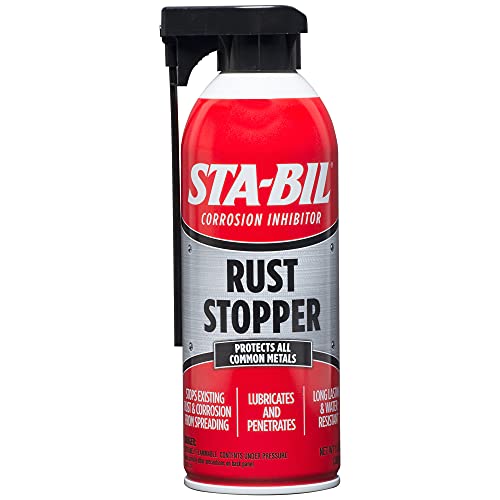
STA-BIL Rust Stopper Anti-Corrosion Spray

CorrosionX Heavy Duty Anti Rust Spray

Jenolite Waxoil Aerosol 1×16.9oz

Rust-Oleum Stops Rust Pro Grade Rubberized Black Undercoating Spray
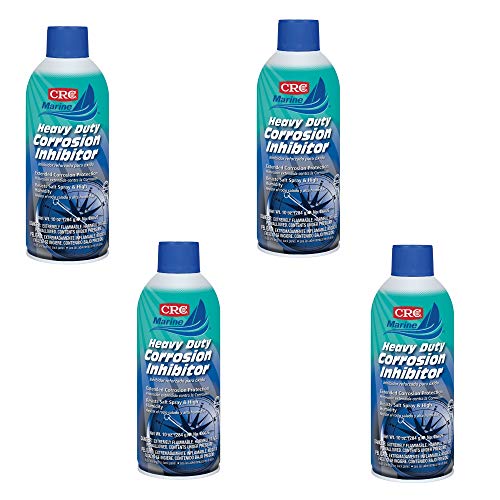
CRC 06026 Heavy Duty Corrosion Inhibitor 10 Wt Oz 4 Pack

CorrosionX Rust Inhibitor Dielectric Corrosion Prevention 16oz Aerosol

Rust-Oleum Stops Rust 2-in-1 Rust Reform Seal Coating Spray Black

B’Laster Surface Shield Rust Prevention Spray Lanolin Undercoating Spray for Vehicles
More Details On Our Top Picks
STA-BIL Rust Stopper fits the kind of upkeep you handle around battery posts, exposed brackets, and painted metal that sees weather often. The spray leaves a protective layer that matters most on daily drivers, bikes, and small boats that spend time outdoors.
Its water-resistant formula is useful around damp garages and coastal parking, though the trade-off is that a spray-and-walk-away approach still needs sensible reapplication over time. In most home garages, that balance makes it a practical maintenance can instead of a one-time fix.
Strong Points
- Helps slow rust on exposed and painted metal surfaces.
- Useful on battery terminals, where corrosion can build fast.
- Leaves a lubricating layer that can reduce sticking and squeaks.
- Works across cars, bikes, boats, and RV hardware.
Things To Consider
- Spray coverage is better for maintenance than for major repairs.
- Stored bottles need date tracking after opening.
- Heavily damaged metal still needs cleaning before treatment.
Feature Snapshot
Who It Suits Best
You get the most from this pick if you maintain a daily driver, motorcycle, or weekend boat and want an easy spray for exposed metal.
Where A Sibling Pick Shines
CorrosionX Heavy Duty Anti Rust Spray suits harsher saltwater use better, especially for equipment that lives outdoors year-round.
This one leans toward harsh exposure, with a barrier designed for rain, pressure washing, and salt-heavy environments. That makes it a strong fit for boat trailers, docks, farm gear, and outdoor machinery that never gets a gentle life.
Compared with STA-BIL Rust Stopper, it is the more serious option for extreme weather and longer-term sealing. The honest read is that its thicker, more specialized feel makes sense where durability matters more than quick cosmetic touch-ups.
What We Like
- Self-healing barrier stays bonded after exposure and movement.
- Built for wet, salty, and pressure-washed conditions.
- Useful on larger electrical connections and grounding points.
- Flexible film resists flaking as equipment vibrates.
- Long service window indoors and outdoors.
Points To Note
- Best fit is specialized, so it can be more than you need for light garage work.
- Thicker protection can take more care around clean appearance on visible panels.
- Very localized rust spots still benefit from prep work before spraying.
Quick Facts
Built With In Mind
You should look here for marine owners, farm operators, and shop setups that face salt, moisture, and constant vibration.
Look Elsewhere When
CRC 06026 Heavy Duty Corrosion Inhibitor suits mixed mechanical use better when you want a versatile four-pack for fasteners, motors, and steering hardware.
Jenolite Waxoil is built for the awkward places that don’t stay clean or easy to reach, like inner panels, sill sections, wheel arches, and chassis cavities. The waxy coating is the point here, because it helps hold moisture at bay where plain sprays often leave a thin film.
Unlike the heavier exterior-first approach of CorrosionX Heavy Duty Anti Rust Spray, this one feels more like hidden-panel insurance. You may find the thicker texture useful in box sections, though it also means careful application matters more than speed.
Positives
- Targets enclosed and awkward spaces well.
- Waxy film helps cling inside body cavities.
- Designed to keep working after minor damage to the coating.
- Useful for cars, vans, motorbikes, and machinery.
Minor Gripes
- Thicker material can be less tidy around visible paintwork.
- Spray access still depends on how open the cavity is.
- Cleanup tends to be more involved than with lighter sprays.
Core Details
Whose Shelf It Belongs On
You get the best match here if your project involves hidden steel sections, classic vehicles, or van panels that need cavity coverage.
Swap It Out When
Rust-Oleum Stops Rust 2-in-1 Rust Reform Seal Coating Spray suits surface repairs better when rust is already showing and you want a coated finish.
Rust-Oleum’s rubberized undercoating is aimed squarely at underbodies, which means cars, trucks, trailers, and RVs with bare or primed metal underneath. That rubberized layer adds a tougher shell than a light inhibitor spray, so it suits road spray, salt, and small impacts better.
Compared with Jenolite Waxoil, this pick is less about hidden cavities and more about broad undercarriage coverage. The trade-off is simple, it’s a coating job rather than a fast maintenance spritz, so prep and masking matter more.
Highlights
- Made for bare or primed metal underbodies.
- Rubberized layer helps absorb road grime and chemical exposure.
- Useful for trailers and RVs as well as cars.
- Black finish suits underside work where appearance matters less.
Small Caveats
- Best results depend on decent surface prep.
- Designed for underbody work, not general-purpose spot lubrication.
- Visible overspray can be a nuisance in a cramped garage.
At A Glance
Right Fit For
You should look here for truck, trailer, or RV owners who want a protective undercarriage layer rather than a quick spray.
Another Choice May Suit
STA-BIL Rust Stopper is easier for smaller maintenance jobs, especially around terminals and exposed hardware on daily-use vehicles.
CRC 06026 is the kind of utility product that makes sense in a shop, garage, or storage area where several small metal parts need protection. It covers electrical connections, engine parts, fasteners, shafts, and steering or throttle linkages, so its value comes from range as much as from rust control.
Compared with Rust-Oleum’s underbody-focused coating, this one stays more versatile and less specialized. The honest read is that it suits owners who want one inhibitor for mixed hardware rather than a dedicated body-panel or undercarriage job.
Best Bits
- Works across hardware, motors, and linkages.
- Flexible film suits parts that move or shift.
- Useful in high humidity and salt spray conditions.
- Four-pack format supports repeated use across multiple projects.
Areas To Watch
- Package emphasis is broader protection, not a specialty coating layer.
- Multiple cans make sense only if you have several jobs lined up.
- Cleaning and reapplication habits still matter on exposed parts.
Details At A Glance
The Right Fit
You should consider this pick for mixed-maintenance garages, farm tools, and equipment storage areas where one spray needs to handle many parts.
Where Shoppers Go Wrong
CorrosionX Heavy Duty Anti Rust Spray is the stronger option for severe marine exposure, especially where saltwater and washing are part of the routine.
CorrosionX Rust Inhibitor sits at the intersection of protection, lubrication, and penetrant use, which makes it more versatile than a simple barrier spray. That matters around bolts, cables, hinges, pulleys, engines, and marine parts that need both movement and corrosion control.
Compared with CRC 06026, this pick leans harder into deep penetration and dielectric protection, meaning non-conductive barrier performance for electrical work. The trade-off is that the broader feature set suits owners who need a multi-role can, not just a single-purpose rust coat.
Upsides
- Acts as a moisture-blocking barrier on metal surfaces.
- Penetrates frozen or seized hardware well for service work.
- Useful on marine, automotive, RV, and electronics-related parts.
- Lubricating behavior helps moving components stay usable.
Room For Improvement
- Multi-role sprays can be more than needed for simple surface protection.
- Penetrant use usually means a little patience on tight hardware.
- Electrical and mechanical jobs often call for careful application near sensitive parts.
Core Details
Made For
You get the best match here if your garage work includes stubborn fasteners, damp electrical areas, and equipment that sees coastal exposure.
Reach For A Different Pick When
STA-BIL Rust Stopper is the simpler choice for quick terminal protection on everyday cars and smaller touch-up jobs.
This Rust-Oleum option is aimed at rusted metal that also needs sealing, so it has more repair focus than a pure inhibitor spray. The rubberized coating helps create a protective skin on cars, trucks, RVs, and wheel wells where moisture and abrasion tend to work together.
Compared with Rust-Oleum Pro Grade Rubberized Undercoating, this 2-in-1 formula makes more sense for visible rust management and sealing in the same pass. It’s a sensible step up for someone who wants less splitting of tasks, though prep still decides how clean the result looks.
Reasons To Buy
- Combines rust reforming and sealing in one coating.
- Helps protect both rusted and bare metal.
- Rubberized finish adds chemical and abrasion resistance.
- Useful for underbodies and wheel wells.
Softer Spots
- Surface prep still matters a great deal.
- Best suited to coating work rather than fine mechanical lubrication.
- Black finish may not suit every visible repair area.
Feature Rundown
Who Should Grab It
You should look here for owners handling both surface rust and protective coating in one project.
Skip It When
Jenolite Waxoil Aerosol fits better for hidden cavity work where a waxy film can reach enclosed sections.
B’Laster Surface Shield uses a lanolin-based coating, which gives it that clingy, underbody-friendly character many vehicle owners want for routine protection. The coating is built to stay put without sagging, so it suits frame sections, exposed metal, and places where moisture tends to sit.
Compared with Rust-Oleum’s 2-in-1 reform-and-seal spray, this one is more about prevention than repair. One thing worth considering is the cold-weather thickening note, because a good shake before use is part of getting even coverage.
Positives
- Lanolin film clings well to metal surfaces.
- Designed to resist dripping and sagging.
- Useful for automotive, marine, and outdoor metal.
- Pack size supports repeated maintenance on multiple vehicles or parts.
Honest Caveats
- Thicker formula needs a proper shake in colder conditions.
- Lanolin coatings can feel messier than dry sprays during cleanup.
- Best results still depend on reasonable surface prep.
Spec Overview
Perfect Match For
You should choose this one for routine vehicle care, especially where you want a clingy coating on undercarriage metal and exposed parts.
Where A Sibling Pick Shines
CorrosionX Rust Inhibitor is the stronger match for seized fasteners and parts that need both lubrication and penetration.
How To Choose The Right Automotive Rust Preventions
Match the chemistry to the job
A rust inhibitor spray, a waxy cavity coating, and a rubberized undercoat solve different problems. Light sprays work well on terminals, fasteners, and exposed brackets, while thicker films cling better in seams, wheel wells, and underbodies where water lingers. The wrong chemistry can leave you with too little coverage or too much residue, so start with the surface, not the can.
Think about exposure, not just rust
Salt spray, pressure washing, road grime, and constant vibration all change the kind of protection you need. Products like CorrosionX Heavy Duty Anti Rust Spray and B’Laster Surface Shield are built for harsher outdoor conditions, while STA-BIL Rust Stopper feels more at home in routine garage upkeep. A daily driver parked outside needs a different answer than a trailer stored near the coast.
Decide whether you need protection, repair, or both
Some options are preventive only, while others also help seal rusted metal. Rust-Oleum Stops Rust 2-in-1 Rust Reform Seal Coating Spray matters here, because it handles damaged surfaces better than a simple inhibitor. That’s useful on older vehicles, though the trade-off is more prep and a less casual application process.
Pay attention to access and cleanup
Aerosols reach easier than brush-on products, but narrow channels, hidden panels, and underbody edges still demand the right nozzle angle and patience. Jenolite Waxoil Aerosol is the cleaner fit for enclosed sections, while undercoating sprays make more sense on broad, visible undersides. Think about where you’ll spray, how often you’ll reapply, and how much masking you’re willing to do.
A Quick Reality Check Before You Choose
Mistakes Worth Dodging
A common mistake is picking a heavy undercoating for a small terminal job, or a light inhibitor for a truck frame that lives in road salt. Another is buying a multi-purpose can and expecting it to solve every rust problem from fasteners to wheel arches. The smarter move is to match the product to the part, then use the rest of the can for similar jobs.
The Upgrade Payoff
Higher-tier options usually cost more because they bring thicker films, better washout resistance, deeper penetration, or broader use cases. That matters for marine gear, farm equipment, and vehicles that stay outdoors through wet seasons. For a garage-kept car with occasional touch-ups, a simpler spray often makes more sense than paying for a heavy-duty barrier you won’t fully use.
Final Thoughts
The right rust prevention product depends on where the metal lives and how hard it works. You get the most value by matching the formula to the exposure, whether that means a quick terminal spray, a lanolin undercoating, or a repair-minded coating for older panels. STA-BIL Rust Stopper and CRC 06026 cover routine maintenance well, while CorrosionX and Rust-Oleum step in when the environment gets harsher. Choose for the job in front of you, and the rest becomes much easier.
