

Rust does its damage quietly, then shows up exactly where you least want it, on frames, panels, brackets, trailers, and other steel surfaces that stay wet too long. The eight picks below focus on conversion coatings and primer-ready treatments that fit real repair jobs, from small touch-ups to larger restorations. You get a clear read on what each formula does, where it fits best, and where the trade-offs start to matter.
The Shortlist At A Glance

Eastwood Internal Frame Coating Aerosol 14 Oz Black

Rust-Oleum 7830730 Stops Rust Rust Reformer Formula 8 oz Black

Seymour 16-45 Rust Converter Black
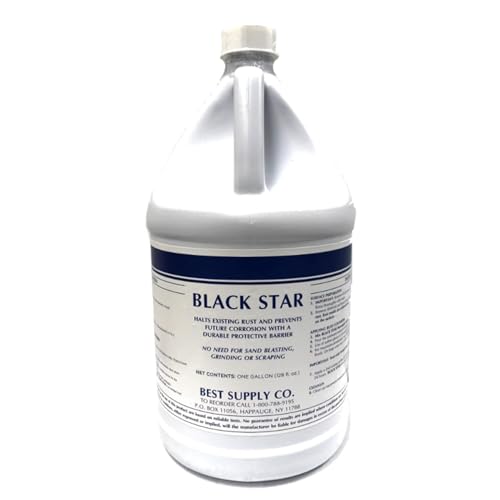
BLACK STAR MRO Chem Rust Converter 1 Gallon


Rust Converter & Metal Primer 141 Fl Oz Black

4-in-1 Rust Converter & Metal Primer 34 Fl Oz Black

More Details On Our Top Picks
Frame cavities are where rust loves to hide, and this Eastwood aerosol is built for that awkward territory. The extension tube setup matters here, because it lets you reach inside chassis openings, bolt holes, and other narrow spaces that standard spray cans miss.
The black coating gives you a clean visual finish on hidden steel, though the real value is coverage rather than cosmetics. You may find the one-minute shake and careful pull-back spraying a little fussy, but that’s the trade for better reach in a work area that’s hard to access with a brush.
Strong Points
- Reaches inside enclosed frame areas without forcing you to strip everything apart.
- Combines rust control and prevention in a single aerosol, which simplifies chassis work.
- The black finish helps hidden metal look more uniform after treatment.
- Useful for owners of older trucks, off-road rigs, and winter-driven vehicles.
Points To Note
- Application takes more care than a simple spray-and-walk-away can.
- The narrow-access setup suits hidden structure more than broad, flat panels.
- Ventilation and protective gear matter during use, so the job feels more involved.
Feature Snapshot
Who It Suits Best
You get the most out of this one in a home garage or restoration bay where hidden frame sections matter more than visible bodywork.
Where A Sibling Pick Shines
Rust Kutter Gallon suits larger exposed panels better, especially for you if the job is less about enclosed rails and more about broad refinishing.
This Rust-Oleum formula is the straightforward choice in the group, especially for smaller repairs where you want a paintable black surface without extra fuss. It converts rust rather than asking you to grind every trace away, so it fits the kind of weekend repair that starts with a wire brush and ends with primer or topcoat.
The 8 oz size keeps it compact, which helps for spot fixes on brackets, seams, and small body panels. The trade-off is obvious, though, you’ll go through it faster on larger work, so it’s a better match for touch-ups than for frame-length coverage.
Highlights
- Turns rust into a paintable black surface, which shortens the prep path.
- Works well for spot repairs on metal that still needs a finished topcoat.
- The small container is easy to store in a garage cabinet or toolbox shelf.
- Good match for routine maintenance on older vehicles and farm equipment.
Small Caveats
- The smaller size limits reach on wide panels or long frame sections.
- Surface prep still matters, so loose rust needs attention before coating.
- Black finish may need overcoating depending on the surrounding repair.
Core Details
Made For
You fit this pick well if you want a compact rust converter for occasional garage work, trim parts, or small touch-up areas.
A Better Fit Elsewhere
Seymour 16-45 Rust Converter is the smarter step up for you if you want a little more versatility and a faster route to topcoat-ready metal.
Seymour lands in a useful middle ground for you if you want less sanding without moving into a large-shop product. It works on iron and steel, dries to the touch in about 10 minutes, and can take a topcoat after 24 hours, which gives you a clearer path from rusted patch to finished repair.
That speed helps when you’re dealing with a trailer gate, railing section, or vehicle part that needs to return to service without a long wait. The honest read is that the black base is handy, but you still need to manage loose rust first, so it reduces prep rather than erasing it entirely.
Bright Spots
- Short dry-to-touch window helps keep a repair moving.
- Supports topcoating after a full day, which suits a normal repaint schedule.
- Handles iron and steel, giving it useful range for common shop metal.
- Great for people who want less wire brushing and cleaner prep.
Areas To Watch
- Loose rust still needs removal before you spray.
- The black base is practical, but visible surfaces may still need paint.
- Larger jobs can outgrow the convenience of a smaller container format.
Feature Rundown
The Right Fit
You suit this choice best if you handle garage repairs where speed, primer readiness, and straightforward use matter more than bulk capacity.
Look Elsewhere When
BLACK STAR MRO Chem Rust Converter makes more sense for you if your project covers a much larger steel surface and you want gallon-level volume.
Bulk work is where this gallon-size BLACK STAR formula starts to make sense, especially on steel structures that eat smaller containers for breakfast. It’s aimed at bigger restoration jobs, so you’re looking at a product that fits trailers, shop fixtures, agricultural equipment, and larger vehicle projects with room to spare.
The trade-off is plain: gallon capacity brings convenience for coverage, but it also asks for more storage space and a more deliberate application plan. For most garages, that’s only worth it when the rusted surface area is genuinely large or you’re handling repeated jobs.
Reasons To Buy
- Gallon volume suits large steel projects and repeated use.
- Strong fit for restoration work that covers broad panels or structures.
- Useful for shop settings where supply runs need to be less frequent.
- BLACK STAR’s steel-only focus keeps the product purpose clear.
Worth Noting
- Too much capacity for a small weekend patch job.
- Storage and handling take a bit more planning than a quart or aerosol.
- Best value only appears when you truly need large-area coverage.
At A Glance
Built With In Mind
You fit this pick best if you restore large steel parts, manage a shop, or keep several older machines in regular use.
Where Another Pick Suits Better
LISRUX Rust Converter & Metal Primer 141 Fl Oz is a better match for you if you want a different large-volume coating with a more primer-focused setup.
The quart format lands in a useful middle zone for you, sitting between tiny touch-up bottles and the much larger gallon choice from the same brand. It fits medium-sized rust repair on steel surfaces, so it’s easier to manage for garage shelves, one-vehicle projects, or a seasonal restoration job.
Compared with the gallon BLACK STAR pick, this one is less about shop-scale throughput and more about keeping the project contained. That makes it a sensible choice for owners who want the same basic chemistry in a package that won’t dominate storage space.
What We Like
- Quart size is easier to store than a gallon can.
- Good middle ground for moderate rust repair jobs.
- Works for steel surfaces that need a controlled amount of coating.
- Less likely to feel excessive for a single-project garage repair.
Trade Offs
- Not as efficient for wide-area coverage as the gallon version.
- Still more than you need for very small patch work.
- Application planning matters, since the format is still a coating product rather than a spray can.
Details At A Glance
Whose Shelf It Belongs On
You’ll get the most from this quart if you keep a few rust repairs on deck without wanting gallon-size inventory in the garage.
Swap It Out When
Rust-Oleum 7830730 Stops Rust Rust Reformer Formula is the better fit for smaller touch-ups and lighter storage needs.
LISRUX goes straight at larger-scale metal coating needs, and the 141 fl oz format makes that clear immediately. It’s a one-component, water-based product, which means you’re working with a ready-to-use coating rather than a mix-on-the-spot system, and that helps in a busy shop or fleet setting.
The listing also calls out heat and UV resistance, two details that matter on metal exposed to sun and hard service. The trade-off is size and commitment, because a container this large only makes sense when you’re covering enough surface to justify the volume.
Upsides
- Large volume suits fleet maintenance and shop-scale work.
- Water-based, ready-to-use format keeps setup simpler.
- Heat and UV resistance broaden the use case for exposed metal.
- Good match for parts that face weather and regular wear.
Room For Improvement
- Overkill for quick touch-ups or a single small panel.
- Large container size asks for storage space and careful handling.
- More sensible for planned projects than casual one-off use.
Feature Card
Best Suited To
You suit this pick best if you manage a fleet, a repair bay, or a larger restoration space where large-volume rust coating gets used often.
Skip It When
BLACK STAR Rust Converter 1 Quart is a cleaner fit for you if your repairs stay moderate and storage space is tight.
This LISRUX quart-plus format sits in the middle of the lineup and reads like a practical garage staple. The 34 fl oz size gives you more room than a small can, while still stopping short of the heavier commitment that comes with the 141 fl oz version.
You also get the same water-based, ready-to-use style described in the larger listing, which keeps the setup simple for general automotive work. In most home garages, that balance is the point, enough volume for a meaningful repair without turning the project into a storage problem.
Best Bits
- More manageable than the large LISRUX container.
- Useful for general auto work and moderate rust repair.
- Ready-to-use format keeps prep straightforward.
- Works well for owners who want a versatile coating size.
Softer Spots
- Still not ideal for tiny spot fixes.
- Less capacity than the large LISRUX version for repeated shop work.
- Container size may still be more than casual users need.
Core Details
Right Fit For
You fit this choice well if you want a versatile rust coating for general car work, home garage maintenance, or medium restoration jobs.
Another Choice May Suit
Rust-Oleum 7830730 Stops Rust Rust Reformer Formula is the better match for you if your repair list stays small and you want a simpler container to store.
Rust Kutter asks you to treat rust as the starting point, not a problem to hide under paint, and that focus makes it distinct from the more general converters above. The product works only on rusty metal, then dries, gets rinsed, and leaves a primed surface ready for repainting, so it fits planned refinishing rather than casual patching.
That narrow purpose is a strength in the right hands, especially for body panels, brackets, and other parts you already intend to refinish. The catch is equally clear, because painted metal that you do not want to strip should stay out of the spray path.
Positives
- Designed specifically for rusted metal that’s headed for repainting.
- Leaves a primed surface, which streamlines the next coat.
- Gallons and quarts are available, so you can scale the job.
- Good fit for repair work where prep needs to follow a clear sequence.
Honest Caveats
- Rust must be present for it to do its job.
- Painted surfaces you plan to keep should be avoided.
- The rinse-and-repaint process adds a few extra steps.
Key Specs
Built With In Mind
You fit this product best if you’re refinishing rusty panels or parts and want a primer-ready step before paint goes on.
Reach For A Different Pick When
Eastwood Internal Frame Coating Aerosol is the smarter choice for you if the problem sits inside frame rails or other hard-to-reach cavities.
How To Choose The Right Automotive Rust Converters
Match The Formula To The Metal
The first question is surface shape. Aerosols like Eastwood’s frame coating fit enclosed rails, holes, and boxed sections, while brush-on or pour-style products make more sense on open panels and large steel areas.
That difference matters because rust often sits where tools barely reach. A product that lays down well on flat metal can feel awkward in a chassis cavity, while a spray wand can be clumsy on a visible panel.
Look At The Job Size First
Container volume should track the repair, not your guess at future projects. An 8 oz bottle suits spot fixes, quarts handle moderate repairs, and gallon-plus formats are better for trailers, fleets, and repeated shop use.
Oversizing the container can leave you with storage clutter and wasted product. Undersizing it creates stop-and-start work that slows the whole job down.
Pay Attention To Finish And Timing
Some converters leave a black base that can be painted over, while others are meant to leave a primed surface after a rinse or topcoat window. That finish path matters for anything visible on a vehicle body, because the final paint step often determines how clean the repair looks.
Drying time also changes the pace of the project. A fast-drying option suits a weekend repair, while a larger coating that asks for more waiting time fits planned restoration work better.
Separate Rust Conversion From Rust Removal
Rust converters work on rusted metal, not on everything in sight. A product like Rust Kutter is built around existing rust, while other formulas are more forgiving for general rusted steel that still needs a repair coating.
The practical lesson is simple, use the converter as part of the prep sequence, not as a shortcut around it. Loose scale still needs attention, and the better the prep, the cleaner the final surface tends to be.
A Quick Reality Check Before You Choose
Mistakes Worth Dodging
One common mistake is buying a large container for a tiny repair. That sounds efficient, but it usually just adds storage burden and makes the project harder to handle.
Another slip is choosing the wrong application style for the surface. A frame cavity needs a different tool path than a hood edge or trailer gate, so the package format should match the metal’s shape.
Where The Extra Money Goes
Higher-tier rust converters often cost more because they give you larger volumes, more controlled application, or a clearer finish path. That shows up in products like the Eastwood aerosol for enclosed frames and the big LISRUX container for shop-scale coating work.
The upgrade makes sense when your job is bigger, the metal is awkward to reach, or you expect to use the coating often. For occasional patch work, a smaller bottle usually covers the same problem with less waste.
Bottom Line
You get the best result by matching the converter to the metal, the amount of rust, and the size of the repair. Eastwood stands out for hidden frame work, Rust-Oleum stays easy for small repairs, and the larger BLACK STAR and LISRUX formats make more sense once your projects get serious. Pick the one that fits the surface in front of you, not the biggest container on the shelf.
