

Automotive primer is where surface prep either gets easier or turns stubborn fast. The right can or kit helps you cover repair marks, build a sandable base, and match the scale of the job, whether you are blending a door skin, refinishing a panel, or handling a full repaint in the garage.
Some options lean toward deep-fill bodywork, while others are better for quick sealer duty or small spot repairs. The shortlist below separates those roles so you can match the primer to the metal, fiberglass, plastics, or mixed-surface work in front of you.
Quick Look At The Shortlist
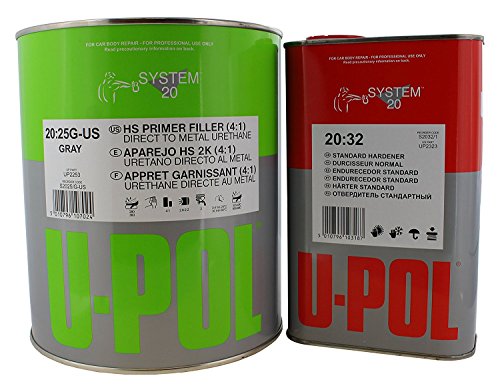
U-POL 1 Gallon High Build Urethane Primer Kit

Seymour 20-1674 PBE Professional Primer Gray Filler

Seymour 20-1672 PBE Professional Primer Sandable Black

SprayMax 2K Epoxy Primer Gray

Rust-Oleum 249321 Automotive Primer Sealer Spray Gray
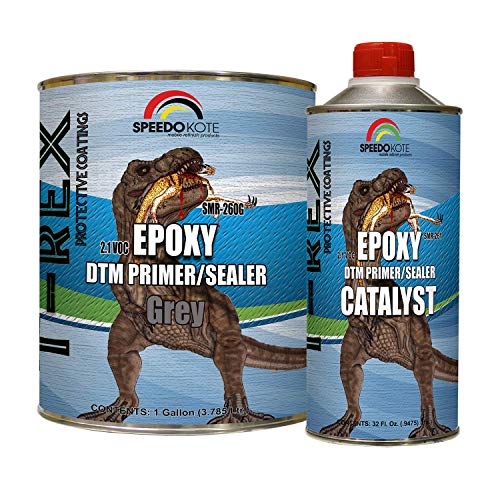
Speedokote Epoxy Fast Dry 2.1 Low VOC DTM Primer & Sealer Gray Kit

SEM 42013 Grey High Build Acrylic Primer 16 oz.
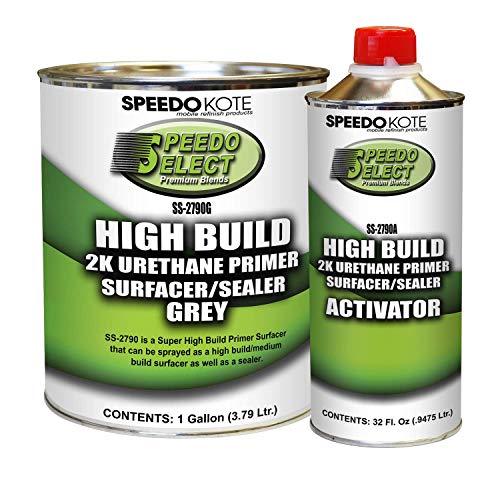
Speedokote SS-2790G/SS-2790A Super Fill High Build Primer Gray Kit
More Details On Our Top Picks
U-POL’s kit suits bigger repair work, especially where you want a thicker primer film and a proper two-part mix. The 4 to 1 ratio keeps the process straightforward, and the included standard hardener broadens the practical use range for shop-style refinishing.
Compared with the spray-can choices later in the list, this one fits a more deliberate workflow on panels, bumpers, or full-body resprays. The trade-off is setup and cleanup, so you get more control at the cost of speed, which is usually the fair exchange for larger jobs.
Strong Points
- High-build formula helps cover sanding marks and uneven prep.
- Two-part mix gives you a more controlled refinishing base.
- Works well for shop-level jobs that need extra material build.
- Includes hardener, so the kit is ready for a proper mix cycle.
Things To Consider
- Mixing and cleanup take more time than a single-can primer.
- The gallon kit makes more sense for larger repair stages than tiny spot fixes.
- The finish process depends on careful prep, so rushed work will show.
Feature Snapshot
Who It Suits Best
Technicians, restoration hobbyists, and serious garage painters benefit most from this kind of high-build kit.
Where A Sibling Pick Shines
Rust-Oleum 249321 Automotive Primer Sealer Spray fits smaller mixed-surface touch-ups better, especially when you want less setup and a lighter commitment.
That gray filler role makes this Seymour can useful where scratches run deeper than a light scuff and you want a sandable base fast. It’s aimed at body-shop style work, but it also makes sense in a home garage where metal and fiberglass need a clean bridge before topcoat.
Compared with the U-POL kit, this is the quicker, smaller-step choice for repair areas that do not need a gallon-sized workflow. The honest read is that it shines most when surface correction matters more than broad coverage.
Highlights
- Filler-style primer helps reduce the look of deeper scratches.
- Fast drying supports a tighter repair schedule.
- Sands easily, which matters once you start shaping the surface.
- Heat tolerance to 250 F gives it useful range for repair settings.
Worth Noting
- Best suited to repair zones, not whole-panel marathon jobs.
- The fast turnaround still depends on solid sanding and cleaning.
- Can-style application may leave less room for very fine pattern control than spray-gun systems.
Details At A Glance
Right Fit For
Detail-minded DIYers and body-shop style repair work are the clearest match here.
Skip It When
Speedokote SS-2790G/SS-2790A Super Fill High Build Primer Gray Kit fits rougher, larger build-up work better than this smaller filler-style option.
Black primer has a different job in the shop, and this Seymour can fits that role cleanly. It’s built for lighter scratches, bare metal adhesion, and quick sanding, so it suits localized work where you want the surface to move along without fuss.
Against the gray Seymour filler above, this one makes more sense for smaller cosmetic correction and darker underbody or trim-adjacent jobs. You may find the coverage style better for restrained repairs than large correction zones, which is exactly where it earns its keep.
Upsides
- Sandable finish supports a clean transition into later coats.
- Fast drying helps keep small jobs moving.
- Adheres well to bare metal, a useful trait for spot repair.
- Black color can suit darker finishing paths and visual contrast needs.
Points To Note
- Light-scratch focus means it is not the strongest fit for deeper damage.
- Can-style format is convenient, though larger repair areas will use it quickly.
- Surface prep still matters, especially on metal that needs full cleaning first.
Core Details
Whose Shelf It Belongs On
Garage detailers and small-repair hobbyists who need a darker sandable primer should look here first.
A Better Fit Elsewhere
Seymour 20-1674 PBE Professional Primer Gray Filler is the better call for deeper scratches and more visible surface correction.
SprayMax targets the kind of job where bare metal, aluminum, or galvanized steel needs a serious bonding layer before paint. The 2K format, which means two components that activate together, is a strong fit for restoration work and repair bays that value a more professional spray system.
Compared with the simpler can primers earlier in the list, this one brings more control through the variable nozzle and a better case for corrosion-focused prep. The trade-off is that you are paying for a more advanced spray system, so it suits committed automotive work rather than quick casual touch-ups.
Reasons To Buy
- Strong adhesion profile suits bare metal and alloy surfaces.
- 2K spray format removes the need for extra spray equipment.
- Variable nozzle helps you steer coverage more precisely.
- Fast dust-dry timing supports an efficient workflow.
- Useful for both repair-shop work and home-garage refinishing.
Softer Spots
- Once activated, timing matters, so planning the job helps.
- The can size is better for targeted work than broad panel coverage.
- Advanced chemistry can feel like overkill for very small cosmetic fixes.
Feature Rundown
The Right Fit
Restoration-minded shop users and serious DIY refinishers benefit most from this epoxy approach.
Another Choice May Suit
Rust-Oleum 249321 Automotive Primer Sealer Spray works better for simpler mixed-surface touch-ups where you want less activation complexity.
This Rust-Oleum spray is aimed at practical sealing work, and that makes it easy to place in a home garage. It works across metal, wood, and fiberglass, so a mixed-material project does not force you to switch products just to get the primer stage done.
Compared with the more specialized epoxy and high-build choices above, this one is the simpler all-rounder for small jobs and refinishing prep. A can like this is handy, though the trade-off shows up when you need very deep fill or a full-panel correction.
Best Bits
- Sealer role helps keep topcoats from soaking in unevenly.
- Works on several common surfaces, which adds flexibility.
- Quick touch-dry timing suits smaller repair windows.
- Measured coverage per can makes planning easier for spot work.
Areas To Watch
- Sealer use is better for prep and finish control than heavy fill.
- The can format suits smaller work, not large restoration phases.
- Surface cleanliness still matters, especially on wood and fiberglass.
At A Glance
Built With In Mind
Weekend garage users and mixed-material repair work fit this spray can well.
Look Elsewhere When
U-POL 1 Gallon High Build Urethane Primer Kit is the stronger match for full-panel build work and larger refinishing sessions.
Speedokote’s gallon kit leans into flexibility, because it can serve as both primer and sealer in one workflow. That makes it attractive for mixed repairs where steel, aluminum, fiberglass, body filler, and older finish layers all show up on the same project.
Unlike the Rust-Oleum spray can, this kit is built for users who want a larger, more controlled batch and a smoother laid-down finish. You may find the 4 to 1 mix helpful for repeatable garage work, though the extra components mean more prep than a simple aerosol option.
Positives
- Primer and sealer functions reduce product swapping during a job.
- Adheres to several common substrates, including older finishes.
- Optional reducer use gives you a bit of spray tuning room.
- Smooth laydown suits refinishing work that needs a cleaner base.
Minor Gripes
- Two-part handling asks for more careful mixing and cleanup.
- The kit format is less convenient for tiny, one-off touch-ups.
- Storage matters more once you start using a larger mixed batch.
Quick Facts
Made For
Serious home-shop refinishers and repair work on mixed materials suit this kit well.
Reach For A Different Pick When
Rust-Oleum 249321 Automotive Primer Sealer Spray is easier for tiny touch-ups that do not justify a gallon kit.
SEM keeps this one compact, and that is part of the appeal. A 16 oz. can works well for localized priming on metal, aluminum, urethane, or plastics, so it fits the kind of repair where you care more about clean coverage than bulk output.
Compared with the larger gallon kits, this is easier to store and simpler to reach for on smaller jobs. The honest downside is obvious, you will move through it quickly on larger surfaces, so it is more of a precision option than a full-shop supply.
What We Like
- High-build acrylic construction supports moderate surface correction.
- Works across metal, aluminum, urethane, and plastics.
- Small-can format is easy to store and carry.
- Good fit for localized refinishing work on a bench or in a garage.
Room For Improvement
- The smaller can limits how far it goes on large panels.
- Not as practical as gallon kits for major restoration phases.
- Precise prep still matters, especially on plastic surfaces.
Core Details
Best Suited To
Detail-focused DIYers and smaller refinishing projects are the natural match here.
Swap It Out When
Speedokote SS-2790G/SS-2790A Super Fill High Build Primer Gray Kit suits rougher, larger fill jobs more comfortably.
This Speedokote kit is built for heavy surface correction, where fill and build matter more than speed alone. The 4 to 1 mix and true 2K urethane structure make it a strong fit for rough prep stages, especially on jobs that need more material to level things out.
Compared with SEM’s smaller 16 oz. can, this is the larger, more committed choice for panels that need serious build. The catch is that it makes more sense for sustained refinishing work than for a quick scratch cover, and that is exactly why it belongs on this list.
Best Bits
- High-build and heavy-fill focus helps smooth rougher prep marks.
- 4 to 1 mix keeps the process familiar for two-part use.
- Sands well, which matters once the primer stage is set.
- Good adhesion and holdout support a cleaner paint foundation.
Honest Caveats
- The gallon kit is better suited to larger projects than tiny fixes.
- Two-part handling adds cleanup and planning steps.
- For very simple touch-ups, smaller aerosol primers are easier to live with.
Feature Card
Built With In Mind
Refinishers handling larger correction jobs and thicker primer stages are the best match for this kit.
Where Another Pick Suits Better
SEM 42013 Grey High Build Acrylic Primer 16 oz. is easier to manage for small-area work and tighter storage space.
How To Choose The Right Automotive Primers
Match The Primer To The Job Size
Small touch-ups and sanding marks call for aerosol cans or compact bottles, while whole-panel repair work usually calls for gallon kits. A can like Rust-Oleum 249321 Automotive Primer Sealer Spray keeps things simple for spot work, but a kit like U-POL 1 Gallon High Build Urethane Primer Kit gives you more material for larger coverage. That difference matters because primer choice shapes how much sanding and rework you face later.
Build depth is the other big divider. High-build and filler-style primers help level scratches and feathered edges, while sealer-style formulas focus on creating a stable base for topcoat. The trade-off is straightforward: more build usually means more prep and more time, while simpler sealers are quicker but less forgiving.
Think About Surface Material First
Metal, aluminum, fiberglass, plastics, urethane, and older finishes do not all behave the same. SprayMax 2K Epoxy Primer Gray and Speedokote Epoxy Fast Dry 2.1 Low VOC DTM Primer & Sealer Gray Kit both fit mixed-material jobs better than a narrow spot primer because they are built for broader substrate use. That matters in a garage where one project can include bare steel, filler, and a previous coating in the same panel.
Direct-to-metal use is helpful, but it does not remove the need for cleaning and sanding. A primer can support adhesion, yet it cannot rescue oily or uneven prep, so surface work still drives the outcome. The better the substrate match, the less likely you are to fight peeling edges or uneven topcoat absorption later.
Pick Your Drying And Sanding Pace
Fast-drying primers speed up the repair cycle, which is useful in a busy garage or body shop environment. Seymour’s gray filler and black sandable primer both lean into that quick-turn workflow, with sanding windows measured in minutes rather than a long wait. That speed helps when you want to move from primer to shaping without losing momentum.
There is a catch, of course. Faster drying can leave less breathing room during application, especially on larger pieces or in warmer spaces. If you value easier handling over hurry, a more deliberate two-part system can feel calmer, while spray cans stay easier for short, contained jobs.
Balance Convenience Against Control
Aerosol cans save setup time and keep cleanup light, which makes them useful for trim pieces, small repairs, and home garages with limited gear. SprayMax’s 2K can sits closer to shop-grade use because it still gives you controlled spray behavior without a full gun setup. By contrast, gallon kits reward you with output and batch consistency, but they also ask more from your prep routine.
That balance should guide your decision more than any single marketing claim. Choose convenience for occasional work, choose a larger kit for repeat repairs, and choose the formula that fits your substrate and finish stage. The right primer feels less like a shortcut and more like the correct first coat.
Things Worth Knowing First
Wrong Turns To Avoid
One common mistake is buying a high-build primer for a job that only needs a light sealer. That wastes material and usually adds sanding work you did not need in the first place. Another is pairing the wrong substrate with the wrong formula, especially on plastics or mixed-metal panels.
Storage and cleanup also get overlooked. Two-part kits need a little discipline once opened and mixed, while aerosol cans are easier to stash but less efficient for large surfaces. The better move is to match the package size to your actual repair scale, not the most ambitious job you might someday tackle.
When Paying More Pays Off
The higher-tier choices usually cost more because they bring stronger resin systems, better adhesion targets, and more precise spray behavior. SprayMax and the Speedokote kits show that clearly, since they are built for broader surface compatibility and more controlled refinishing work than a basic one-can primer. That extra material engineering matters most when you are working on a visible panel or a mixed-substrate repair.
Spending up makes sense when the project is complex, the finish will be highly visible, or the panel needs more than a quick cosmetic coat. For tiny touch-ups, the added system complexity is not always worth it. For larger or more demanding work, the upgrade pays you back in smoother workflow and less compromise.
Closing Thoughts
The best choice among these Automotive Primers depends on how much surface correction you need and how much setup you want to manage. U-POL and the two Speedokote kits suit larger refinishing work, while the Seymour cans and Rust-Oleum spray make more sense for faster, smaller repairs. Match the primer to the panel, the substrate, and the finish stage, and you avoid most of the usual frustration. That’s the cleanest path to a better paint base.
