

Automotive primer paints set the stage before color goes on, and the wrong one can make repair work harder than it needs to be. You get better results from a primer that matches the surface, the repair size, and the amount of sanding you want to avoid later. This roundup focuses on direct-to-metal epoxy, bonding primers for tricky plastics, etching options for bare metal, and a few fast-drying sprays for smaller jobs. The aim is simple, give you a clearer path to the right can or kit for your garage, shop, or driveway.
Quick Look At The Shortlist

Custom Shop KEP Epoxy Primer/Sealer 1:1 Quart Kit

Rust-Oleum Automotive Universal Bonding Primer Spray
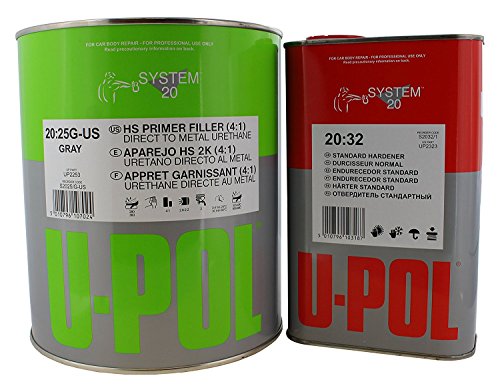
U-POL High Solids High Build Urethane Primer Kit

Rust-Oleum 249321 Automotive Primer Sealer Spray

Rust-Oleum 8781502 Stops Rust Flat Aluminum Primer
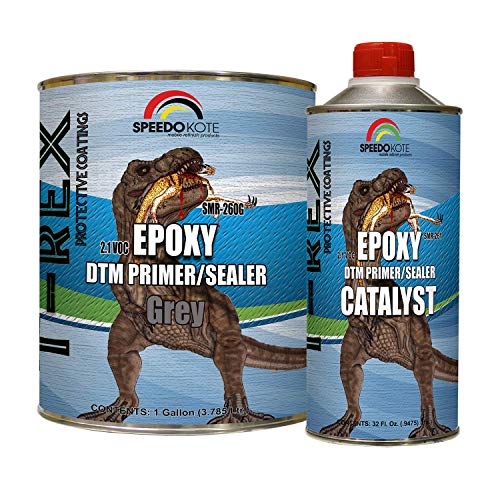
Speedokote Epoxy Fast Dry 2.1 Low VOC DTM Primer & Sealer

U-POL Adhesion Promoter, Strong-Hold, Clear

U-POL Etching Primer, Strong-Hold, Gray
More Details On Our Top Picks
This kit makes sense for repairs where you want epoxy adhesion and sealing in one step. The 1:1 mix ratio keeps setup straightforward, and the direct-to-metal format fits bare steel, aluminum, fiberglass, gelcoat, fillers, and prepared plastics without forcing you into a long product stack.
Compared with the spray picks below, this is the shop-oriented choice for larger prep jobs and panel work. The trade-off is the usual two-part primer routine, which asks for a little more measuring and cleanup than a ready-to-spray can, so it suits organized garage work better than quick touchups.
Strong Points
- Works as a primer and sealer, so you can simplify the prep sequence on repairs that need both functions.
- Direct-to-metal use matters on bare panels, where a bonded base is more useful than a general-purpose coating.
- Handles a broad material list, which helps when your project mixes steel, fiberglass, and repaired filler areas.
- The kit format suits larger work areas better than a small aerosol, especially in a busy garage.
Points To Note
- Two-component mixing means you need a measured workflow, not a grab-and-spray routine.
- It makes more sense for planned panel prep than tiny spot fixes.
Feature Snapshot
Who Will Love This
Home mechanics and bodywork hobbyists handling full panel prep or mixed-surface repairs will get the most from it.
Another Choice May Suit
Rust-Oleum 249321 Automotive Primer Sealer Spray fits faster spot repair work better, especially for smaller projects that do not need a kit.
Some jobs involve surfaces that ordinary primer struggles with, and that’s where this spray earns its place. Rust-Oleum positions it for bumpers, trim, plastics, fiberglass, galvanized steel, and aluminum, so you get a bonding layer meant to help topcoats hold on to awkward materials.
Compared with the Custom Shop kit, this one is easier for weekend use because it comes in an aerosol format and dries quickly to the touch. The trade-off is capacity, since the listed coverage is aimed at small to medium work rather than full-body refinishing.
Highlights
- Useful on difficult automotive surfaces, including plastic and trim pieces that often need extra adhesion help.
- The spray format keeps application simple for driveway repairs and garage touchups.
- Fast dry behavior helps keep a small project moving without long wait times between steps.
- The any-angle spray design is handy for bumper edges and tight recesses.
- Coverage per can suits spot work on parts, mirrors, and smaller panels.
Room For Improvement
- It is less suited to large panel work than the two-part kit options.
- Aerosol primer can still call for careful masking to keep overspray off nearby trim.
Technical Sheet
Who Should Grab It
Weekend garage projects and spot refinishing jobs suit this spray best.
Skip It When
U-POL High Solids High Build Urethane Primer Kit is the better route for larger repairs that need more build and sanding room.
Bodywork that needs shape, not just coverage, benefits from a high-build urethane primer like this one. High build means the film lays on thicker, which gives sanding work more material to level out scratches, feather edges, and smooth repaired panels before color.
Compared with the Rust-Oleum spray primers, this U-POL kit is built for larger refinishing jobs where mixing and spray-gun use are already part of the plan. The trade-off is setup complexity, and the temperature hardener tied to a 60 to 95 F range makes it a better fit for controlled shop conditions than unpredictable outdoor work.
Upsides
- High build character helps you create a smoother base for sanding and finishing.
- The 4:1 mix ratio is familiar to users who already work with two-component coatings.
- Useful as a direct-to-metal primer in a multi-step repair flow.
- The gallon kit size fits larger panel jobs more naturally than small aerosols.
- Works well for cars and trucks that need an even, workable foundation before topcoat.
Areas To Watch
- It asks for spray equipment and a more organized prep routine.
- It is less convenient for quick trim touchups or one-off fixes.
- The temperature range for the hardener matters, so climate control helps.
Core Details
Best Suited To
Shop users and serious garage painters working on larger panel restoration tasks will get the most out of it.
Where A Sibling Pick Shines
Rust-Oleum Automotive Universal Bonding Primer Spray is the easier choice for fast plastic and trim jobs that do not need a full kit.
Small repair jobs tend to reward speed, and this 12-ounce spray is built around that kind of use. Rust-Oleum says it works on metal, wood, fiberglass, and other surfaces, so you get a flexible primer-sealer for spot work around a garage or home workshop.
Compared with the Universal Bonding Primer Spray, this one leans more toward primer-sealer behavior than broad adhesion duties. The honest read is that it fits touchups and localized areas best, where the short dry time and modest can size keep things manageable.
What We Like
- Fast dry time helps you keep a small project moving.
- The primer-sealer role helps keep topcoats from soaking in unevenly.
- Useful on several common surfaces, which makes it adaptable for mixed repair tasks.
- The can size is easy to store in a tool cabinet or shelf space.
Minor Gripes
- Coverage is limited compared with gallon kits.
- It is not the right scale for full-panel refinishing.
Feature Rundown
Who It Suits Best
DIYers handling trim fixes, small body patches, and mixed-material touchups will find this format especially convenient.
A Better Fit Elsewhere
U-POL High Solids High Build Urethane Primer Kit is the more capable choice for larger body panels that need sanding room.
Aluminum and galvanized metal can be awkward surfaces, and this quart primer is aimed right at that problem. Its flat gray finish and water-based acrylic base make it feel more like a serious base coat than a quick aerosol patch, which helps in larger or more durable restoration work.
Compared with the smaller Rust-Oleum primer-sealer spray, this one gives you more volume and a broader base-coat role. The trade-off is the slower dry window, so you need more patience before moving on to the next coating step, especially on bigger surfaces.
Best Bits
- Formulated for aluminum and galvanized metal, which are common trouble spots in restoration work.
- Water-based acrylic makeup supports a durable protective layer.
- The quart format is more practical than a small can for wider surfaces.
- Good adhesion support makes it useful as a foundation for demanding use.
Things To Consider
- Dry time is longer than the quick aerosol picks in this roundup.
- It is better suited to planned refinishing than rapid touchups.
Details At A Glance
Whose Shelf It Belongs On
Restoration hobbyists and maintenance users working on aluminum or galvanized parts will get the best fit here.
Reach For A Different Pick When
Rust-Oleum Automotive Primer Sealer Spray is easier to handle for smaller, faster touchups where a quart would be more than you need.
Speed matters in paint prep, and this epoxy kit is aimed at that kind of workflow. It functions as both primer and sealer, with a 4:1 mix and optional reduction, so you can tune the spray feel for the job at hand without changing product families.
Compared with the U-POL high-build kit, this one leans more toward fast, smooth application than heavy filling. That makes it a strong fit for repairs where corrosion resistance and adhesion matter, but you still want the coating process to stay efficient.
Positives
- Primer and sealer in one kit keeps the prep chain shorter.
- Strong adhesion on steel, aluminum, fiberglass, body filler, and existing finishes broadens its usefulness.
- The smooth laydown helps on projects where you want an even surface before topcoat.
- Fast-dry behavior fits shops that move through jobs in stages.
- Optional reduction gives you a bit of spray tuning flexibility.
Softer Spots
- Two-part mixing still asks for careful measuring.
- It is better for coating and sealing than for heavy build correction.
- Spray-gun work means cleanup is part of the job.
Key Specs
Made For
Shop users and serious DIY painters who want fast epoxy workflow on mixed materials will get the most from it.
Swap It Out When
U-POL High Solids High Build Urethane Primer Kit is the smarter pick for jobs that need more filler-like build before sanding.
Adhesion promoters sit between raw surface prep and the primer itself, and that detail matters on modern vehicles with mixed materials. This clear spray is meant to help primer and topcoat grip plastics, vinyl, fiberglass, galvanized steel, aluminum, bare metal, painted surfaces, filler, and more, which gives you a versatile bridge coat for awkward areas.
Compared with the Rust-Oleum bonding primer, this one is more specialized and more at home in body-panel prep where adhesion problems usually show up. One thing worth considering is the prep load, because glossy or dirty surfaces still need cleaning and scuffing before the promoter can do its job.
Reasons To Buy
- Clear finish keeps the layer unobtrusive under primer or topcoat.
- Useful on many mixed materials found around bumpers, wheels, moldings, and underhood parts.
- The quick-dry format helps keep the work pace steady.
- Anti-clog nozzle design is helpful during repeated spray passes.
- Can reduce the need to sand hard-to-reach areas, which saves effort on complex shapes.
Small Caveats
- Surface prep still matters, especially on glossy or oily parts.
- It is a prep layer, not a replacement for primer itself.
- Masking nearby panels is still smart because it is a spray product.
Feature Card
Who Should Grab It
Bodywork users dealing with plastic-heavy panels and mixed-material assemblies will get the most from it.
A Better Fit Elsewhere
Rust-Oleum Automotive Universal Bonding Primer Spray is the easier route for broader everyday spray work on simpler parts.
Bare metal needs a primer that bites into the surface, and that is the role of an etching primer. This gray U-POL spray is aimed at galvanized steel, aluminum, and fiberglass, which makes it a practical base layer before overpainting on fresh metal parts and repair work.
Compared with the adhesion promoter above, this one is more about preparing bare substrates directly rather than helping a later layer stick. The catch is that it does not belong on plastics, so you want it for metal-focused jobs instead of mixed interior trim or bumper work.
Best Bits
- Suited to bare metals that need a firmer first coat before paint.
- Anti-corrosive behavior adds value on parts that live in harsh conditions.
- Fast-dry spray format works well for common repair schedules.
- Anti-clog nozzle design helps keep application more even.
- Gray color gives you a neutral base under many topcoats.
Worth Noting
- It is not meant for plastics, so surface matching matters.
- Glossy or dirty panels still need proper cleaning and abrasion first.
- Spray-can convenience limits how much area you cover at once.
Core Details
The Right Fit
Metal refinishing users and weekend restoration projects on fresh panels suit this primer best.
Look Elsewhere When
U-POL Adhesion Promoter, Strong-Hold, Clear is the better match for plastic-heavy body parts and mixed-material prep.
What To Weigh Before You Choose
Common Shopping Slip Ups
Primer mismatches usually start with the surface, not the can. Bare metal, plastic, fiberglass, and galvanized parts do not all ask for the same prep layer, so a bonding primer, etching primer, or epoxy sealer can make a real difference in how the topcoat sits.
Volume is the other easy miss. A 12-ounce aerosol works for trim and spot fixes, while a quart or gallon kit makes more sense for panels, repaired quarters, or anything that needs sanding room.
What The Higher Tier Buys
Higher-priced primers tend to spend their extra material budget on chemistry and format, not packaging gloss. Two-part kits, high-build systems, and specialty adhesion formulas usually cost more because they offer more control over build, adhesion, or surface compatibility.
That upgrade pays off on larger repairs, mixed-material bodywork, or any project where rework would waste more time than the stronger primer costs. For a quick touchup on a bumper bracket, the simpler spray still makes more sense.
Closing Thoughts
The right automotive primer paint depends on the surface in front of you and the amount of work behind it. For bare metal and serious panel prep, epoxy and etching choices carry more weight, while bonding sprays and compact primer-sealers are easier for quick fixes. Match the can to the job, and the rest of the paint process gets easier to live with.
