

Dirty brake dust, baked-on grease, and stubborn road film call for the right cleaner, not just a strong label. The picks below cover spray cans, a bulk concentrate, an ultrasonic solution, and one brush, so you can match the tool to the job instead of forcing one product to do everything. That matters in a home garage, a busy shop, or on a weekend rebuild where cleanup time eats the clock.
Quick Look At The Shortlist
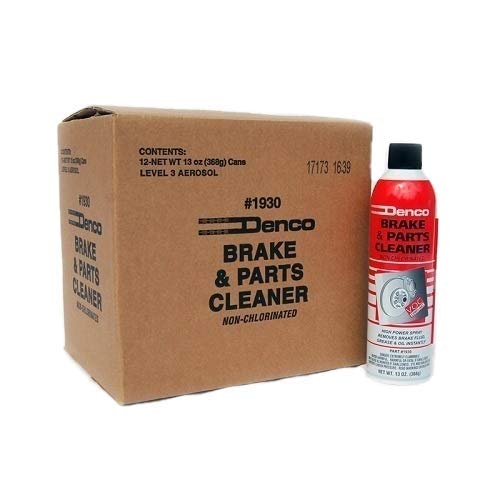
Denco 1930 Brake & Parts Cleaner 13oz, 12-Pack

WD-40 Specialist Degreaser with Smart Straw 15 Oz
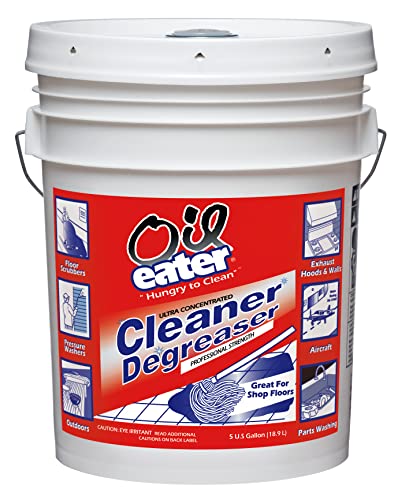
Oil Eater AOD5G35438 Original 5 Gallon Cleaner/Degreaser

Quinton Hazell QH6 Brake Cleaner Spray Can 20.3 fl oz

CRC Heavy Duty Pro-Strength Degreaser Spray 20 oz

Denco 1930-50 Brake Cleaner 13oz, 6-Pack

Ultrasonic Cleaner Solution Makes 8 Gallons for Auto Parts
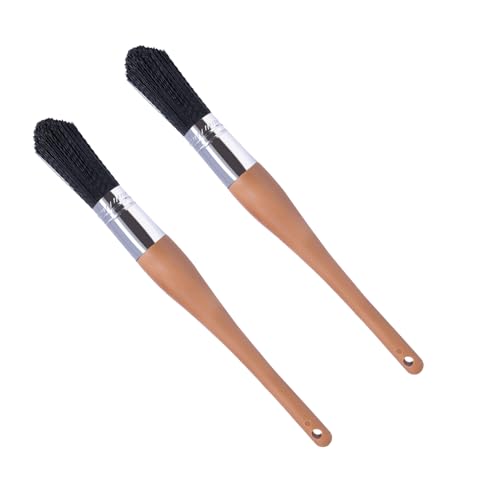
Wesquer Parts Cleaning Brush Black 2pcs
More Details On Our Top Picks
Denco’s 13-ounce can suits brake jobs where you want a direct spray and quick turnaround, not a soaking process. The non-chlorinated formula and lower odor profile make more sense in a closed garage than a harsh, high-fume cleaner. For routine pad, rotor, and caliper cleanup, that mix of speed and restraint is the point.
The 12-pack format fits shop shelves better than a single-can option like Quinton Hazell QH6, especially when a steady supply matters. The trade-off is simple, you’re buying in volume, so it’s a stronger match for repeated maintenance than a one-off driveway repair.
Strong Points
- Fast drying helps shorten brake service pauses.
- Low-odor formula suits enclosed work areas better.
- High-pressure spray reaches stuck-on brake dust with less scrubbing.
- 12-can pack supports ongoing garage use.
- Works well for ABS and common brake hardware.
Things To Consider
- Bulk packaging takes more storage space than a single can.
- The aggressive spray style calls for careful aim near overspray-sensitive parts.
- Best fit stays narrow if you only clean brakes occasionally.
Feature Rundown
Who It Suits Best
Brake-focused home mechanics and small shops get the most from this pack size and spray profile.
A Better Fit Elsewhere
Oil Eater AOD5G35438 Original 5 Gallon Cleaner/Degreaser suits fleet-style cleanup better, especially for shops that need one large degreaser for many surfaces.
The Smart Straw gives this WD-40 Specialist can a clear edge for tight spots, because you can shift between a wider spray and a more directed stream. That matters around engine bays, chain hardware, and metal tools where cleaner placement saves time. In a crowded garage bay, the control can feel as useful as the degreasing itself.
Compared with Denco 1930, this one leans harder into general machinery cleaning than brake-only work. The downside is that a 15-ounce can is still a modest volume, so frequent users will move through it faster than bulk-pack options like Oil Eater.
What We Like
- Smart Straw helps direct cleaner into narrow spaces.
- Works on engines, gears, tools, and heavy equipment.
- Industrial-strength solvent suits stubborn grease build-up.
- Useful on stuck hardware and moving parts.
Room For Improvement
- Single-can supply makes sense for spot work, not heavy ongoing use.
- The stronger solvent profile asks for good ventilation in enclosed spaces.
- Best results depend on careful trigger control around finished surfaces.
Details At A Glance
Who Should Grab It
DIY mechanics who clean engines, chains, and shop tools will appreciate the controlled spray pattern.
Swap It Out When
Quinton Hazell QH6 Brake Cleaner Spray Can 20.3 fl oz suits brake-first work better, especially when you want a larger aerosol can for wheel-end service.
Oil Eater stands out for scale rather than spray convenience, since the 5-gallon container is aimed at bigger cleanup jobs. That’s a sensible fit for floor cleaning, parts washing, and repeated degreasing in a garage that goes through product quickly. The water-based formula also makes it easier to think of as a general wash solution, not just a one-off parts spray.
Its size is the catch. A 21.5-kilogram container is awkward to move around, so this pick makes sense only when you have the storage space and the volume to justify it. Compared with Denco or CRC, this is the one you keep on hand for ongoing work, not for a small shelf beside the tool chest.
Upsides
- Five-gallon format serves high-volume cleaning routines.
- Water-based makeup suits broader degreasing tasks.
- Made in the United States.
- Useful for garage floors, parts, and greasy surfaces.
Softer Spots
- Heavy container needs a real storage plan.
- Less convenient for quick, one-hand spot cleaning.
- The bulk format favors committed shop use over casual ownership.
Core Details
Whose Shelf It Belongs On
Fleet garages, detail shops, and home workshops with regular degreasing needs get the most out of this size.
Where A Sibling Pick Shines
CRC Heavy Duty Pro-Strength Degreaser Spray 20 oz is the easier grab for smaller garages that want a ready-to-use spray instead of a heavy container.
Quinton Hazell QH6 is the most purpose-built brake cleaner in this group, and the larger 20.3-ounce can gives you more working time than the common 15-ounce format. That extra capacity makes sense during wheel-end service, especially when you want one can to stretch across calipers, discs, and drums. The precision nozzle also helps keep spray where it belongs.
Compared with Denco 1930, this can leans toward a more output-heavy feel rather than a smaller, volume-pack purchase. The trade-off is that a single can is still a single can, so shops that go through brake cleaner constantly may still prefer the Denco 12-pack.
Bright Spots
- Larger can size reduces replacement frequency.
- Precision nozzle helps with narrow or awkward areas.
- Fast-drying finish suits brake service workflows.
- Non-chlorinated formula fits modern maintenance routines.
Points To Note
- Single-can packaging is less convenient for high-volume shops.
- The stronger spray calls for careful handling around sensitive finishes.
- Storage still needs a cool, dry spot common to aerosol cleaners.
Feature Snapshot
Perfect Match For
Brake service work on personal vehicles and occasional shop repairs suit this larger spray can well.
Look Elsewhere When
WD-40 Specialist Degreaser with Smart Straw 15 Oz fits broader engine-bay cleanup better, especially where pointed spray control matters more than brake-only focus.
CRC’s 20-ounce spray sits in the middle ground that many home garages actually need. It’s large enough for engine covers, brackets, and greasy hardware, but still simple to store on a shelf beside other maintenance supplies. The water-based formula points to broad cleanup use rather than a single narrowly focused job.
That middle-ground positioning is the real value here, especially next to the heavier Oil Eater container and the more brake-specific Denco cans. The compromise is plain, though, because a broad-use degreaser seldom feels as targeted as a dedicated brake cleaner or as economical as a bulk concentrate.
Standout Traits
- All-purpose format covers many routine garage tasks.
- 20-ounce spray is easier to store than bulk cleaners.
- Water-based construction suits general degreasing jobs.
- Good fit for mixed-use home workshops.
Areas To Watch
- Less specialized than a brake-only cleaner.
- Single-can format may feel modest for heavy shop use.
- Surface wipe-down still matters after the spray does its part.
At A Glance
Built With In Mind
Home mechanics who want one spray for several cleanup jobs will get the most out of this CRC can.
Another Choice May Suit
Denco 1930-50 Brake Cleaner 13oz, 6-Pack is the stronger match for anyone whose priority stays firmly on brake service rather than general degreasing.
This Denco version is the most straightforward choice for people who need a brake cleaner that fits use across the country. The 50-state compliance note matters because it reduces the guesswork around regional restrictions, and the 13-ounce spray size stays familiar and easy to handle. In a weekend brake refresh, that kind of consistency keeps the job moving.
Against the larger Quinton Hazell QH6, this one is more compact and easier to stock in multiples. The trade-off is that a six-pack gives you less reserve than Denco’s 12-pack, so shops with heavier turnover may want the larger bundle instead.
Best Bits
- 50-state compliance broadens where you can keep and use it.
- Non-chlorinated formula suits brake maintenance routines.
- 13-ounce can is easy to store and handle.
- Six-pack format supports steady but moderate use.
Small Caveats
- Six cans can disappear quickly in a busy shop.
- The familiar aerosol format still asks for careful storage.
- Brake-only focus leaves less room for general degreasing tasks.
Quick Facts
Made For
Drivers and weekend mechanics who want a compliant brake cleaner for routine maintenance should feel at home with this pack.
Where Shoppers Go Wrong
Oil Eater AOD5G35438 Original 5 Gallon Cleaner/Degreaser suits high-volume shops better, because a bulk cleaner is easier to justify once you move beyond brake-only jobs.
This Tillbrook concentrate is for a different kind of cleanup, the sort that happens inside an ultrasonic tank rather than from a spray can. Mixed at the listed ratio, it stretches into eight gallons of working solution, which is a strong match for carburetors, injection parts, and other metal components that need soaking and agitation. That process feels more precise than scrubbing by hand.
Compared with the spray cleaners in this list, the upside is capacity and bath-style cleaning, not convenience at the bench. The catch is that you need ultrasonic equipment and a setup that makes sense for concentrated fluid, so it suits dedicated hobbyists or repair spaces more than casual ownership.
Highlights
- Concentrate stretches into eight gallons of solution.
- Designed for ultrasonic cleaning tanks.
- Made in the USA.
- Useful for carburetors, injection parts, and metal components.
- Concentrated format can reduce storage clutter compared with multiple sprays.
Worth Noting
- Needs ultrasonic equipment to make sense.
- Concentrated mixing adds one more setup step.
- Less useful for quick outside-the-part cleaning.
Feature Card
Who Will Love This
Engine builders and serious hobby mechanics with ultrasonic tanks will get the most from this concentrate.
Skip It When
CRC Heavy Duty Pro-Strength Degreaser Spray 20 oz is the simpler route for garages that want a ready-to-use cleaner without special equipment.
Wesquer’s brush fills the gap spray cleaners leave behind, because grime in threads, corners, and textured metal often needs physical agitation. The PVC handle gives you a firmer hold, while the stainless steel brush ferrule adds a sturdier join between handle and brush head. In a garage sink or beside an engine stand, that combination is plain and useful.
Unlike the chemical-heavy picks above, this is the manual tool you reach for alongside them rather than instead of them. The trade-off is obvious, since a brush can’t dissolve grease on its own, but it can make the cleaner you use work better in hard-to-reach spots.
Positives
- Helps loosen grime in grooves and tight corners.
- PVC handle improves grip during messy jobs.
- Stainless steel ferrule adds a tougher connection point.
- Useful with solvents, degreasers, and rinse-down work.
Minor Gripes
- Needs a liquid cleaner to do real work.
- Manual scrubbing takes more effort than spray-only cleanup.
- Brush wear will depend on how often you use solvent-heavy jobs.
Feature Rundown
The Right Fit
Mechanics, detailers, and home garage users who want a simple helper for stubborn debris will appreciate this two-pack.
Reach For A Different Pick When
WD-40 Specialist Degreaser with Smart Straw 15 Oz suits spray-first cleaning better, especially when you want chemical action before hand scrubbing.
How To Choose The Right Automotive Parts Cleaners
Match The Cleaner To The Job
Brake-only formulas make sense for wheel-end work because they focus on pads, rotors, calipers, and dust-laden hardware. General degreasers fit engines, chains, tools, and brackets better, especially in a garage where one product needs to cover several surfaces. Ultrasonic solutions belong in a tank, not on a shelf beside spray cans.
The right pick starts with the mess you see most often. A mechanic who fights brake dust every week needs a different bottle than someone wiping oil off a bench vice once a month.
Think About Form And Volume
Aerosol cans are easy to aim and store, which is why they suit quick repairs and smaller spaces. Bulk containers and concentrates take more commitment, but they also make more sense for repeated cleanup or shared workspaces. A brush adds physical reach where cleaner alone falls short.
Volume matters as much as chemistry. A 5-gallon container may be efficient for a shop, yet awkward for a small garage shelf, while a 13-ounce can is simple to handle but disappears faster under regular use.
Look Closely At Control And Residue
Low-odor and fast-drying formulas help in enclosed spaces because they reduce lingering fumes and shorten the wait before reassembly. High-pressure sprays and precision nozzles also matter, since they determine whether cleaner lands on the part or the floor. That’s the difference between tidy work and extra wipe-down time.
Residue control is worth more than it sounds. On brakes, a cleaner that dries clean helps keep the next step straightforward, while a degreaser meant for engines may still need a rag or rinse cycle.
Use Your Space As A Filter
Small home garages usually benefit from compact cans, a brush, and one versatile spray. Busy shops lean toward pack sizes, concentrates, or tank-based solutions that stretch over many jobs. Storage, ventilation, and cleanup habits all shape the right choice.
That’s why the smartest purchase is rarely the strongest-looking label. It’s the one that fits your equipment, your shelf space, and the kind of mess you face week after week.
Things Worth Knowing First
Wrong Turns To Avoid
Don’t match a brake cleaner to every greasy surface and expect it to replace a true degreaser. Another common misstep is buying a heavy container before checking where it will live, because bulky products can become annoying fast in tight garages. A brush without a matching liquid cleaner also leaves you with only half the job.
It helps to think in pairs: cleaner plus tool, or formula plus setup. That simple check keeps you from overbuying a spray you barely use or underbuying a product that runs out too soon.
The Upgrade Payoff
Higher-tier options usually pay for better spray control, larger fill size, or more specialized chemistry. That extra spend often shows up in less wasted product, fewer refills, and cleaner work in awkward areas. In some setups, it also means a formula built for a narrower task instead of a general one.
Paying more makes sense when cleanup is frequent or the parts are finicky. A serious garage, a rebuild bench, or a tank-based cleaning setup gets more value from stronger fit than from a basic do-everything can.
Closing Thoughts
Your best match depends less on brand names and more on the mess in front of you. Brake work favors Denco and Quinton Hazell, general shop cleanup leans toward WD-40 Specialist, CRC, or Oil Eater, and ultrasonic tanks call for the Tillbrook concentrate. Add the Wesquer brush when grime sits in corners and cleaner needs help getting there. Pick the format that fits your space and the parts you handle most, and the rest gets easier.
