

Automotive paint kits are where prep, coverage, and finish quality either come together or fall apart. You need the right mix of spray gear, coating chemistry, and kit size for the job in front of you, whether that’s spot repair, a full respray, or a clearcoat stage after bodywork. The eight picks below cover that range without forcing one setup to do everything. You’ll also see where each item fits better than the others, so you can match the kit to your project instead of guessing.
Quick Look At The Shortlist

StartingLine HVLP Automotive Spray Painting Kit 802342

StartingLine HVLP Complete Auto Painting and Priming Kit 802343
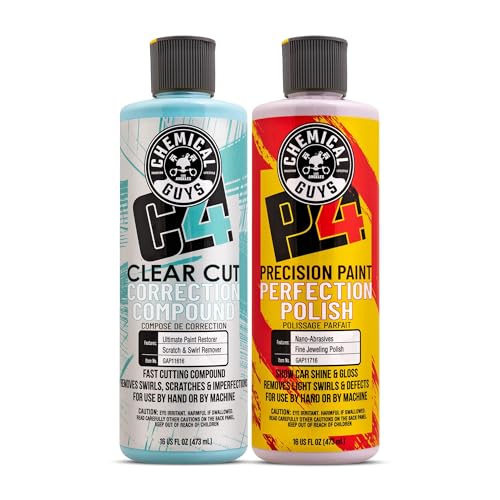
Chemical Guys C4 and P4 Paint Correction Kit 2 x 16 oz
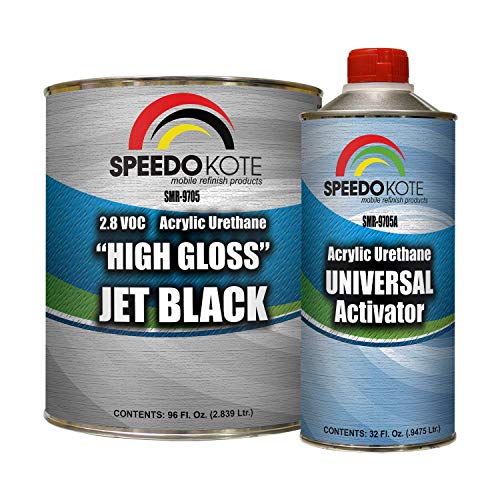
Speedokote High Gloss Jet Black 2K Acrylic Urethane SMR-9705-M

Restoration Shop Jet Black Gloss Acrylic Enamel Auto Paint Gallon Kit
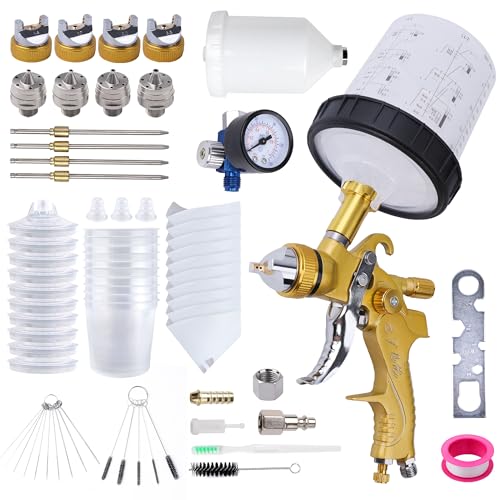
HVLP Spray Gun Kit 10 Disposable Cups 600ML Automotive Paint Gun

Restoration Shop Daytona Blue Metallic Acrylic Enamel Paint Quart Kit

LiME LiNE 2K Clearcoat Automotive Paint Kit 1.25 Gallon
More Details On Our Top Picks
This kit makes sense for garage work that moves between broad panels and tighter touch-ups. The gravity-feed layout, plus the two fluid-tip and cup combinations described in the listing, gives you a more flexible setup than a single-gun package. DeVilbiss also includes the everyday extras that matter in use, such as cleaning and adjustment tools, so setup feels less pieced together.
The trade-off is that this is still a spray system, so it rewards patience with cleanup and dial-in time. For someone handling trim, repair panels, or a home respray with mixed coverage needs, that’s a fair exchange. The honest read is that it suits a careful hobbyist more than a no-thought quick fix.
Strong Points
- Two gun setup covers both finish work and smaller repair areas.
- The included regulator helps you keep air delivery easier to manage.
- A carrying case makes storage and transport simpler between projects.
- Cleaning tools and a wrench support routine upkeep after spraying.
Points To Note
- Two guns mean more parts to clean and store.
- The kit works best for someone comfortable with spray-gun setup.
- Smaller detail work still depends on careful hand control.
Feature Card
Who It Suits Best
Home mechanics and DIY painters who want one kit for both larger panels and tighter repairs will get the most out of it.
A Better Fit Elsewhere
Need more built-in coating coverage rather than spray-gun flexibility, then the Zeinlenx HVLP Spray Gun Kit 10 Disposable Cups 600ML Automotive Paint Gun gives you more nozzle choices and a different cup approach.
Compared with the first DeVilbiss kit, this one leans harder into a complete paint-and-prime workflow. That matters on a full panel or small restoration where you want a dedicated gun for primer and another for topcoat instead of swapping setups mid-job. For most garage projects, that separation makes the work cleaner and less fussy.
The 1.3 mm finish setup and 600 cc metal cup suit base, clear, and topcoat use, while the second gun handles priming duties. You can see the logic immediately: less cross-contamination, fewer interruptions, and a more orderly rhythm for a DIY refinishing day. The catch is that it asks for a bit more bench space and more cleanup than a single-purpose kit.
What We Like
- Two dedicated guns keep primer and topcoat work separate.
- The full-size finish gun suits broader body panels well.
- Metal cup construction feels better aligned with regular workshop use.
- Handy for larger projects where swapping tools slows everything down.
Softer Spots
- Two-gun ownership means more parts to clean after each session.
- It takes a little more space to organize on the bench.
- New spray users may need time to learn both setups.
Details At A Glance
Who Should Grab It
DIY restorers and home painters working on full panels or complete refinish jobs will appreciate the two-gun layout.
Another Choice May Suit
If you want a more compact spray kit with separate detail capability, the DeVilbiss StartingLine HVLP Automotive Spray Painting Kit 802342 gives you a more focused two-gun mix.
This kit sits in a different lane from the spray-gun options above, because it’s about correcting the finish rather than laying color down. C4 is the cutting compound, meaning it’s the more aggressive step for reducing visible defects, while P4 is the polishing step that brings back clarity and gloss. That two-stage approach is useful after sanding marks, swirl patterns, or towel haze have dulled the surface.
On a daily driver, that makes sense for someone who wants cleaner paint without moving straight to a full repaint. The downside is simple, you still need a machine or hand routine that matches the correction job, and the results depend heavily on the condition of the paint. Compared with the paint kits in this roundup, this one supports restoration work rather than coating from scratch.
Reasons To Buy
- Two-step process helps you cut first, then refine the finish.
- Useful for visible swirls, towel marks, and light surface dullness.
- 16 oz bottles give you enough product for several panels.
- Clear-coat compatibility makes it easier to match common car finishes.
Areas To Watch
- It solves correction problems, not spray application needs.
- Severe paint damage may call for more than a compound-and-polish step.
- Surface prep and technique still shape the final result.
Core Details
Who Will Love This
Car owners focused on paint cleanup, gloss restoration, and defect removal will get the most from it.
Swap It Out When
For someone preparing to spray primer or topcoat, the DeVilbiss StartingLine HVLP Complete Auto Painting and Priming Kit 802343 is the more relevant toolset.
Black single-stage finishes live or die on gloss consistency, and this Speedokote kit is aimed squarely at that job. 2K means two-component, so the paint and activator are mixed before spraying, which matters because the coating chemistry is built around that reaction rather than a simple ready-to-use can. For a driver restoring a black hood, a custom panel, or a full body respray, the 3/4-gallon plus activator format gives you enough material for serious work without drifting into oversized waste.
The medium dry and cure profile should suit controlled garage painting, though it still asks for a tidy workspace and decent timing. UV resistance is a meaningful plus for cars that live outside, since black paint can show weathering fast. Compared with the Restoration Shop enamel kit below, this one sits in the urethane camp, which often appeals to shoppers who want a harder-sounding, higher-gloss finish path.
Highlights
- Jet black color keeps the finish look clean and direct.
- Two-component mixing supports a more serious coating setup.
- High-gloss result suits visible exterior panels well.
- UV resistance helps the finish stand up to outdoor exposure.
Small Caveats
- The mix-and-spray workflow takes more preparation than simpler coatings.
- A controlled environment helps the finish come out cleaner.
- Black paint shows surface flaws more readily than lighter colors.
Technical Sheet
Right Fit For
Garage painters and restoration projects that call for a black, high-gloss single-stage finish will fit this kit well.
Look Elsewhere When
If you want a broader automotive paint system with primer and topcoat separation, the Restoration Shop Jet Black Gloss Acrylic Enamel Auto Paint Gallon Kit gives you a more complete material stack.
This one is built for bigger coating jobs, because the gallon kit format gives you over a gallon of sprayable material once mixed. Compared with the Speedokote black urethane above, this Restoration Shop enamel system leans into straightforward single-stage use, which can suit fleet work, equipment coating, or a full-body project where simplicity matters more than specialized layering. The included hardener, strainers, and sticks also make the kit feel ready to organize on a workbench.
The 8:1 mix ratio is easy enough to track, but it still asks for careful measuring and decent cleanup habits. For a truck, work vehicle, or garage project that needs a durable gloss finish, that trade-off is sensible. The honest read is that it works best when you want a large batch and a familiar spray rhythm rather than a small touch-up solution.
Positives
- Gallon kit size suits large refinishing tasks.
- Included hardener and strainers help you get started cleanly.
- Single-stage format simplifies the coating sequence.
- Gloss finish works well on cars, trucks, and equipment.
- Chemical and solvent resistance support tougher day-to-day use.
Worth Noting
- The larger volume means more storage and handling space.
- You still need to measure the 8:1 mix carefully.
- It is more than many small garage jobs require.
Key Specs
Built With In Mind
Shop painters, fleet work, and larger restoration projects are the clearest fit for this gallon kit.
Where A Sibling Pick Shines
For a smaller project that still wants the same brand’s enamel approach, the Restoration Shop Daytona Blue Metallic Acrylic Enamel Paint Quart Kit is a tighter match.
This Zeinlenx kit is the most adaptable spray-gun package in the list because it gives you four nozzle sizes and disposable cups. Nozzle size matters because it changes how much material the gun can atomize, which is the process of breaking paint into fine droplets for spraying. That makes this option appealing for someone who moves between primer, basecoat, and furniture-type finishing, or just wants more room to tune output.
The disposable cup system is a real convenience in busy shop-style use, especially when you want to avoid extra transfer steps between mix and spray. The trade-off is that the system adds consumable waste and still leaves cleanup of the gun body itself. Compared with the DeVilbiss kits, this one favors flexibility and a broader accessory mix over a more established brand-led setup.
Best Bits
- Four nozzle sizes let you match the spray pattern to different materials.
- Disposable cups reduce the need for a separate mixing vessel.
- Brass air cap and stainless needle and nozzle support a more durable feel.
- Useful for automotive refinishing, furniture work, and primer application.
Things To Consider
- Disposable cups add ongoing waste and replacement handling.
- More nozzle choices can slow down setup for first-time users.
- The gun body still needs regular cleaning after use.
Feature Rundown
Whose Shelf It Belongs On
Shoppers who want one spray gun to handle several coating types and different material thicknesses will get the most value from it.
Reach For A Different Pick When
For a more established two-gun automotive setup, the DeVilbiss StartingLine HVLP Complete Auto Painting and Priming Kit 802343 feels better aligned with bigger refinish projects.
The metallic tone is what separates this quart kit from the jet black Restoration Shop option, and that matters if you want a finish with more visual movement. This is still a single-stage acrylic enamel system, so you’re working with color and gloss in one coating line rather than building a separate clear layer immediately. For smaller refinishing jobs, that can be a smart balance between control and appearance.
The quart size makes it easier to keep the project contained, especially on motorcycles, panels, or partial resprays. It includes hardener and strainers, so you’re not starting with a bare paint can. The trade-off is obvious, you’re not getting gallon-level coverage, so larger bodywork will push you toward a different kit.
Upsides
- Metallic blue gives the finish more character than a flat solid color.
- Quart size suits smaller refinishing jobs and partial panels.
- Hardener and strainers are included for a more complete package.
- Single-stage format keeps the workflow simpler than layered systems.
Areas To Watch
- Smaller volume limits use on larger bodywork.
- Metallic finishes can look different depending on spray consistency.
- Careful prep still matters a great deal for the final look.
Core Details
The Right Fit
You’ll get the most from this kit on motorcycles, smaller car sections, or decorative refinishing work.
Another Choice May Suit
For broader coverage with a black finish, the Restoration Shop Jet Black Gloss Acrylic Enamel Auto Paint Gallon Kit is the more practical sibling.
Clearcoat is the final layer many automotive jobs depend on, and this LiME LiNE kit is built around that finishing stage. The 4:1 mix ratio is straightforward, with part A and the included hardener combined in a fixed proportion, and the 1.5-hour pot life gives you a workable window after mixing. For someone finishing a custom build or refreshing a repaired panel, that timing window matters because it keeps the pace manageable without rushing every pass.
The stated tack-free window and 12-hour cure at 70°F make this a sensible pick for organized garage work. Compared with the paint kits earlier in the list, this one does one job, and that narrow focus is its strength. The trade-off is just as clear, you need a solid base layer underneath it, so this is for finishing, not for starting from bare metal.
Bright Spots
- Clearcoat focus supports the final gloss layer on a paint job.
- Simple 4:1 mixing keeps the prep process easy to track.
- 1.5-hour pot life gives you reasonable working time after mixing.
- Useful for custom builds, restorations, and modern bodywork.
Honest Caveats
- You still need a solid base coat underneath it.
- The finish schedule depends on temperature and workspace conditions.
- It solves the top layer, not the color layer beneath.
At A Glance
Made For
You’re in the right place here if you’re finishing a restoration, custom paint job, or truck panel that already has color underneath.
Where Shoppers Go Wrong
For a complete color-and-primer path, the DeVilbiss StartingLine HVLP Complete Auto Painting and Priming Kit 802343 gives you a better starting point.
How To Choose The Right Automotive Paint Kits
Start With The Job, Not The Label
Automotive paint kits split into two broad groups, spray systems and coating systems. Spray guns, like the DeVilbiss and Zeinlenx kits, handle application, while compounds, enamel, urethane, and clearcoat kits handle the finish itself. That difference sounds basic, but it’s where many projects go sideways, because the wrong tool can’t compensate for the wrong stage of the job.
Think in terms of the surface in front of you. A quick spot repair on a fender asks for a different setup than a full-body repaint or a final gloss layer over fresh color. The more clearly you match the kit to the stage, the less time you’ll spend fighting coverage, cleanup, or compatibility.
Match Viscosity, Cup Size, And Nozzle Size
Viscosity means how thick or thin a material is, and it affects how easily a spray gun can atomize it. Thinner finish coats usually work with smaller nozzle sizes, while thicker primers often need a wider opening. That’s why a kit with multiple nozzles, like the Zeinlenx option, offers more flexibility than a single-setup gun.
Cup capacity matters too, especially on larger panels. A bigger cup reduces refills, which helps on doors, hoods, and fenders, but it also adds weight and can feel bulky during long passes. Smaller cups are easier to maneuver for detail work, though they can interrupt momentum on larger jobs.
Pay Attention To Mix Ratios And Working Time
Two-component coatings need accurate mixing, because the base material and hardener work as a system. The 4:1 LiME LiNE clearcoat is straightforward, while the 8:1 Restoration Shop enamel kits ask for more measured prep. That ratio matters because it shapes both the setup routine and the consistency of the finish.
Working time, or pot life, matters just as much. A longer pot life gives you breathing room on a warm day or a complex panel, while a shorter one asks for more deliberate pacing. For garage painters, that can be the difference between a smooth session and a rushed one.
Think About Cleanup, Storage, And Repeat Use
Some kits are easier to live with after the spray session ends. Disposable cup systems trim a step, but they also create more consumables, while multi-gun kits and larger paint kits ask for more cleaning and shelf space. That matters most for hobby garages where storage is already tight.
Durability also depends on what you plan to do after the paint goes on. A clearcoat finish serves a different purpose from a correction compound, and a black urethane coat is not the same as a metallic acrylic enamel. Choose the system that supports the finish you need, not the one that just sounds more involved.
Before You Click Amazon
Mistakes Worth Dodging
One common slip-up is buying a spray gun when the real need is paint, or buying paint when the car still needs correction work. The Chemical Guys C4 and P4 kit handles visible defects and gloss recovery, while the spray kits are for laying material down. That distinction saves you from stacking the wrong step on top of the current one.
Another mistake is overlooking nozzle size and material thickness. A gun that feels versatile on paper can still be awkward with primer or heavy coatings, and a small cup can slow you down on larger panels. Match the kit to the material, not just the vehicle type.
When Paying More Pays Off
Higher-tier kits often cost more because they include more control, more material, or a more complete workflow. The DeVilbiss two-gun sets and the Restoration Shop gallon kit both give you a more organized path than a basic single-gun setup. You’re paying for less improvisation and more consistency across the job.
That upgrade makes sense on full repaints, fleet work, or projects you want to revisit less often. For a tiny touch-up, it can feel excessive. For a long panel or a whole vehicle, the extra structure is easier to justify.
Final Thoughts
You have a solid spread here, from correction compounds to clearcoat and full spray systems, so the right choice depends on the stage of the job in front of you. The DeVilbiss kits suit paint application, the Restoration Shop and Speedokote options suit coating work, and the LiME LiNE clearcoat handles the finish layer. For a project that needs a cleaner result without guesswork, that kind of separation matters. Pick the kit that matches your current step, and the whole job gets easier to manage.
