

Automotive paint work lives or dies on fit, not hype. You need the right gallon kit for a color-correct repair, a full refinish, a clear top layer, or the prep step that keeps the rest of the job from going sideways. The eight picks below cover those jobs from different angles, so you can match the material to the vehicle, the surface, and the finish you actually want.
Quick Look At Our Shortlist

Spectral Paints Toyota 1F7 Classic Silver Metallic Gallon

Restoration Shop 1.25 Gallon 2K Clear Coat Kit

Paint Mixing Lid 1 Gallon/4L Can Mixer

Restoration Shop Marine Blue Acrylic Enamel Gallon Kit
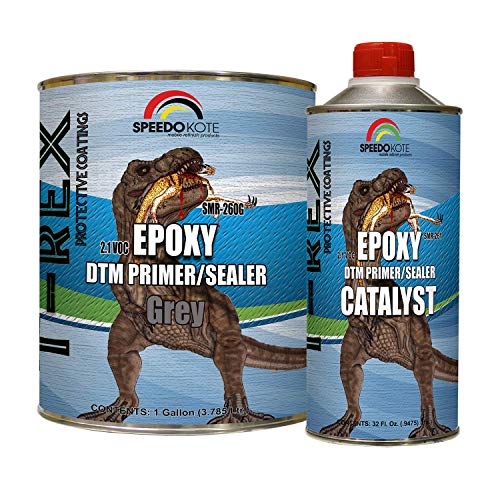
Speedokote Epoxy Fast Dry DTM Primer & Sealer

Restoration Shop Omaha Orange Acrylic Enamel Gallon Kit

Restoration Shop Jet Black Urethane Basecoat Fast Gallon Kit

LiME LiNE Automotive Metal Flake Midcoat Green
More Details On Our Top Picks
That Toyota 1F7 match matters most for body panels that need to blend into factory silver without looking off under daylight. The 1K urethane base coat is the kind of paint you choose for a proper color repair, not a quick cosmetic hide, and the need for clear coat tells you exactly how the finish is meant to be built. You also need a sound, primed, or already painted surface, so raw prep work still sets the outcome.
For a daily driver with a fender scrape or door repair, this is the most straightforward color-focused choice in the group. The trade-off is that you are signing up for a system, not a single-step shortcut, and the color match still deserves a careful check before spray day. Compared with the black and orange acrylic enamel kits later in the list, this one is about matching an existing Toyota finish rather than changing the whole character of the vehicle.
Strong Points
- Factory-matched Toyota 1F7 silver keeps repair work visually consistent.
- 1K base coat format suits controlled repaint and blend jobs.
- Clear coat requirement gives you a path to a deeper top layer.
- Works well for panel repairs where color accuracy matters more than speed.
Things To Consider
- You need to plan for a separate clear coat step.
- Surface prep matters, since bare plastic calls for extra adhesion work.
- Color checking before application is still a smart habit on any exact-match job.
Feature Snapshot
Who It Suits Best
You are the right fit here if you need a Toyota silver repair that tracks closely to the original 1F7 color and you already have a clear coat plan.
Where A Sibling Pick Shines
Restoration Shop Jet Black Urethane Basecoat Auto Paint is the better match for full-color refinish work where you want a basecoat-clearcoat system rather than a factory Toyota blend.
This kit is built for the final layer, the part that often decides whether a refinish looks polished or merely painted. A gallon of urethane clear plus a quart of hardener, mixed 4:1, gives you 1.25 gallons of sprayable 2K clear coat, and that mix format is a familiar setup for serious bodywork. The low-viscosity, high-solids resin approach matters because it points toward smoother flow and stronger build without turning the job into guesswork.
For panel work, spot repairs, or a full exterior where gloss has to stay even, the attraction is how broadly it fits across multi-stage systems. Compared with the Spectral Paints Toyota color match, this is less about shade and more about the finish layer that sits over the color. The honest read is that it suits anyone who already understands the clear-coat step and wants a dedicated kit instead of piecing components together.
Highlights
- Separate clear and hardener pack the usual two-part system into one kit.
- 4:1 mix ratio is easy to follow for standard refinish work.
- High-solids formula is aimed at deeper gloss and better image clarity.
- Works for overall, spot, and panel applications.
- Compatible with most multi-stage topcoat systems, which broadens use.
Room For Improvement
- You still need a color coat underneath, so this is not a standalone finish.
- The system asks for careful mixing, which can slow casual weekend jobs.
- Clear coat demands decent spray discipline, especially on larger panels.
Core Details
Who Will Love This
You are the best fit here if you already have color laid down and want a clear system that suits repair work ranging from a single panel to a fuller refinish.
Another Choice May Suit
Speedokote Epoxy Fast Dry DTM Primer & Sealer is the better companion for prep-heavy projects where the surface still needs adhesion help before any clear work begins.
A gallon can that mixes and pours cleanly can save a lot of mess in a busy shop corner or garage bay. This lid is built around a standard 1 gallon, 4L round paint can, and the edge-sealed fit plus pour spout point to less slosh, less dripping, and less juggling between tools. For touch-up work, tint blending, and recurring paint jobs, that kind of control matters more than flash.
Compared with the paint kits in this roundup, this piece does not create finish on its own, but it helps you manage the material you already have. The mixing paddle makes the can more functional, though you still want to clean it promptly after use so residue does not build up around the spout or seal. It suits shops that mix often and hate wasting paint on the rim.
What We Like
- Fits standard 1 gallon, 4L round paint cans.
- Edge sealing helps the lid sit securely during mixing.
- Pour spout supports cleaner transfer into a cup or gun pot.
- Built-in mixing paddle reduces the need for extra tools.
- Useful for paint, stain, and varnish containers, not just auto coating.
Points To Note
- You still need to clean the spout and seal after each session.
- Compatibility is tied to the can size, so odd-shaped containers may not suit it.
Details At A Glance
Made For
You are the right fit for this lid if you mix gallon cans often and want a neater, more controlled pour in a garage, shop, or detailing bay.
Look Elsewhere When
Restoration Shop 1.25 Gallon 2K Clear Coat Kit is the better match once you need an actual coating system rather than a can-handling accessory.
Marine blue in a single-stage enamel system gives you a straightforward path to a glossy color coat without building a separate base and clear stack. The kit includes paint, hardener, nylon strainers, and mixing sticks, so the prep bench is covered in a practical way before the gun ever gets loaded. For trucks, fleets, or equipment, that simplicity has real appeal.
The 8:1 mix ratio is easy enough to plan around, and the packaged format means no reducer is required unless you want to tune it separately. Compared with the Toyota silver base coat or the black basecoat-clearcoat system later on, this one is simpler to live with, though it asks you to be comfortable with a single-stage finish. You may find it especially sensible for work vehicles where color and sheen matter more than layered depth.
Upsides
- Single-stage format keeps the process simpler than a basecoat-clearcoat stack.
- Kit includes hardener, strainers, and stir sticks for a fuller setup.
- Glossy finish suits everyday service vehicles and equipment.
- 8:1 mix ratio is clear and easy to work into a prep routine.
- Large sprayable volume fits broad panels and complete color jobs.
Softer Spots
- Single-stage paint gives you less layering flexibility than a separate base and clear system.
- The final look depends on decent spray technique, especially on big flat panels.
- Cleanup and storage matter, since the hardener and paint need to stay organized.
Feature Rundown
Right Fit For
You are the best match here if you want a glossy blue finish for a truck, fleet unit, or shop project and prefer a single-stage system.
A Better Fit Elsewhere
Restoration Shop Jet Black Urethane Basecoat Auto Paint is the smarter choice for a modern basecoat-clearcoat path with a separate clear layer.
This is the prep stage that earns its keep on restorations where the metal, fiberglass, filler, and old finish all need to play nicely together. DTM means direct-to-metal, so the primer is built to go onto those mixed substrates while also serving as a sealer, which makes the can more versatile than a single-purpose primer. The 4:1 mix is simple, and the optional reduction gives you room to tune flow without turning the process into a chemistry lesson.
For a garage repaint where the bodywork includes patch panels or repaired sections, that flexibility is the main attraction. Compared with the Marine Blue enamel or the clear coat kit, this pick sits earlier in the workflow and helps everything after it go on more evenly. One thing worth considering is cleaning and sanding discipline, because primer performance depends heavily on what’s underneath it.
Bright Spots
- Can work as both primer and sealer, which reduces tool swapping.
- Designed for steel, aluminum, fiberglass, filler, and existing finishes.
- Fast-dry epoxy format suits projects that need to move from prep to paint.
- Smooth laydown helps support a flatter finish before topcoat.
- Corrosion resistance adds value on repaired panels and older metal work.
Areas To Watch
- Surface prep still drives the result, so dirty or glossy panels can hurt adhesion.
- Optional reduction adds a step for shop setups that want a thinner spray feel.
- As a primer and sealer, it sits in the prep phase rather than delivering final color.
Technical Sheet
Built With In Mind
You are the right fit for this primer if you handle mixed-material repairs and want one kit that can prep and seal before topcoat.
Swap It Out When
LiME LiNE Automotive Metal Flake Midcoat is the more interesting route for custom visual effect work once the body is already ready for color layering.
Omaha Orange is the loudest visual statement in this group, and that makes it a strong fit for equipment, trucks, or custom work where color is part of the message. The single-stage acrylic enamel setup keeps the process more direct than a basecoat-clearcoat system, while the included hardener, strainers, and mixing sticks make the kit feel complete from the start. For a shop that wants visibility as much as gloss, that balance is useful.
Compared with Marine Blue, this one leans harder into personality, so the final effect has more presence on larger body panels. The trade-off is simple, high-impact color can dominate a vehicle fast, which is great for the right project and less ideal for understated restoration. You may find it especially suitable for work rigs or showy utility builds that need a bold finish without extra layering.
Reasons To Buy
- Bright orange tone gives custom projects a strong visual identity.
- Single-stage enamel keeps application more direct than a layered system.
- Included hardener and prep tools make the kit ready for the bench.
- Works well on trucks and equipment that need visibility.
Small Caveats
- Bold color is a commitment, especially on large surfaces.
- Like the other enamel kits here, spray technique still shapes the final gloss.
- Storage and cleanup matter once the kit is opened and mixed.
Core Details
Whose Shelf It Belongs On
You are the right fit for this kit if you want a high-visibility orange finish for a truck, tool rig, or custom project that needs real presence.
Where Another Pick Suits Better
Restoration Shop Marine Blue Acrylic Enamel Gallon Kit is the calmer choice for workhorse vehicles that need gloss without such a loud color statement.
This is the most complete refinish system in the group, with basecoat, reducer, clear, hardener, strainers, and mixing sticks all bundled together. The sprayable volume is substantial, which makes sense for full-body work or large repairs where you do not want to run short halfway through a pass. The included fast reducer is aimed at cooler conditions in the 60 to 70 degree range, so the kit is built with real shop timing in mind.
Compared with the Toyota silver base coat, this is less about matching a factory color code and more about building an OEM-style black finish from the ground up. The trade-off is complexity, because a bigger system asks for more steps and more discipline, but the payoff is a deeper, more layered result. For a project car or a full repaint, that extra structure is often worth it.
Best Bits
- Bundled basecoat, clearcoat, reducer, and hardener cover the main finish stages.
- Large sprayable volume suits full repaint and major repair work.
- Fast reducer helps the kit fit cooler spray conditions.
- Built to mimic modern OEM-style black finishes.
- High-gloss clear layer adds depth to the final result.
Worth Noting
- The system is more involved than a single-stage enamel kit.
- State and local VOC limits can affect availability, so checking local rules matters.
- More components mean more storage discipline after opening the kit.
At A Glance
Who Should Grab It
You are the right fit if you want a full black repaint system with the parts assembled for a large-scale refinish job.
Reach For A Different Pick When
Restoration Shop Jet Black Urethane Basecoat Fast Gallon Kit is less suitable than the Marine Blue acrylic enamel kit for a simpler single-stage project.
Metal-flake midcoat lives in a different lane from the rest of this roundup, because its job is visual effect rather than plain coverage. The no-reducer-needed format keeps setup simple, and the one-gallon size gives custom work enough material to carry a larger accent or complete effect layer. For a show build, motorcycle piece, or custom panel, that shimmer can read like a spotlight on metal.
Compared with the black basecoat kit, this is less about factory realism and more about style that wants attention. The trade-off is obvious, a flake midcoat is only as good as the finish plan around it, so it belongs in a layered system with the right prep and top layers. For projects that need personality instead of restraint, it makes a strong case.
Positives
- Metal flake effect creates a vivid custom look.
- No reducer needed, which simplifies setup.
- One-gallon size works for larger decorative panels or accent work.
- Useful for projects where style matters more than plain color coverage.
Trade Offs
- Effect finishes need careful planning around the rest of the paint stack.
- The look can overpower a restrained restoration theme.
- Storage and cleanup still matter once the material is opened.
Quick Facts
Perfect Match For
You are the right fit if you want a custom green accent or effect layer for a show build, special panel, or motorcycle-style project.
Consider Something Else When
Speedokote Epoxy Fast Dry DTM Primer & Sealer is the better starting point for repair work that still needs adhesion and sealing before any visual effect layer.
How To Choose The Right Automotive Paint Gallons
Start With The Job, Not The Color
Color match, primer, clear, and effect midcoat each solve a different problem, so the first step is naming the job correctly. A Toyota silver repair needs a different product than a full black repaint, and both are different again from a primer stage or a flake layer. That choice matters because the wrong coating type can add steps, raise complexity, or leave you short on the finish you wanted.
Single-stage enamel suits straightforward color-and-gloss work, while basecoat systems make more sense for layered refinishes. Clear coat belongs on top of color, not in place of it, and a primer-sealer earns its keep before paint, not after. Match the product to the stage you are actually in, and the whole job gets easier.
Check Mix Ratios And Workflow
Mix ratio tells you how the components combine, and it shapes everything from prep time to spray consistency. A 4:1 clear coat kit is a very different task from an 8:1 enamel system, even before you think about reducer or hardener. In a home garage, simpler ratios usually save headaches, though a more complex kit can reward a project that needs more control.
Also pay attention to whether the product is a one-part, two-part, or full system bundle. Two-part coatings like 2K clear rely on a hardener, so the finish plan starts long before the first pass. That extra step is normal, but it does mean the kit should fit your schedule and your comfort level.
Plan For The Surface Underneath
Paint performs only as well as the surface below it. Bare metal, fiberglass, filler, and old finishes all react differently, which is why primer choice and prep matter so much in automotive work. A primer like the Speedokote kit helps when the surface mix is complicated, while a color coat expects the panel to already be ready.
Think about cleanup, masking, and storage too, because gallon kits leave you with leftovers and opened components. In a busy shop, that means you need lids, strainers, sticks, and a safe shelf for the next session. A well-chosen gallon kit should fit the space around the job, not just the paint booth itself.
A Quick Reality Check Before You Order
Hidden Buying Traps
One common misstep is treating a basecoat like a full finish. Another is buying a clear coat without planning the color layer underneath it, which leaves you with part of the system but not the result. Exact-match paints also deserve a careful code check, since factory shades can vary more than most casual shoppers expect.
Container size is worth a glance too. A gallon sounds generous, but a full-body repaint, a large truck, or a two-stage finish can use material faster than expected. That is where volume numbers and kit contents matter more than a colorful product name.
When Paying More Pays Off
Higher-tier automotive coatings usually cost more because they bundle more usable material, better resin systems, or both. Clear coats with strong gloss and image clarity often ask for better chemistry, and full systems with reducer, hardener, and prep tools save you from sourcing every part separately. You are paying for fewer gaps in the workflow.
The upgrade makes the most sense on visible work, larger panels, or a project that has to hold a consistent finish across the whole vehicle. For a quick color touch-up, a simpler kit may be enough. For a show piece, a full repaint, or a finish you will look at every day, the higher tier usually earns its place.
Closing Thoughts
Automotive paint gallon kits are less about finding a single universal favorite and more about matching the coating to the stage of the job. A Toyota color match, a clear coat, a primer-sealer, and a custom effect layer all serve different goals, and the right one depends on what sits under the gun. Start with the surface, then the finish plan, then the color, and you’ll avoid most of the usual headaches. That order keeps the project moving and the final result far more coherent.
