

Heat control matters most where cabins, cargo areas, and engine bays run close to hot hardware. The right Automotive Heat Shields can reduce radiant transfer, tame road and exhaust heat, and make a daily driver feel less strained in traffic or on long highway runs.
Coverage, thickness, attachment method, and material stack all shape how well a shield fits a specific job. Some picks favor broad-area insulation, while others are better for mufflers, pipes, or tight custom installs.
Quick Look At Our Shortlist

ALLWIN Car Heat Sound Deadening Insulation Mat 10.8 Sqft

Storystore 394mil 16.8sqft Car Sound Deadening Mat

Peastorm Exhaust Wrap Heat Shield Automotive Aluminum Material 12″ x 24″

Amerbro Aluminum Adhesive Heat Shield Wrap 24×12 in
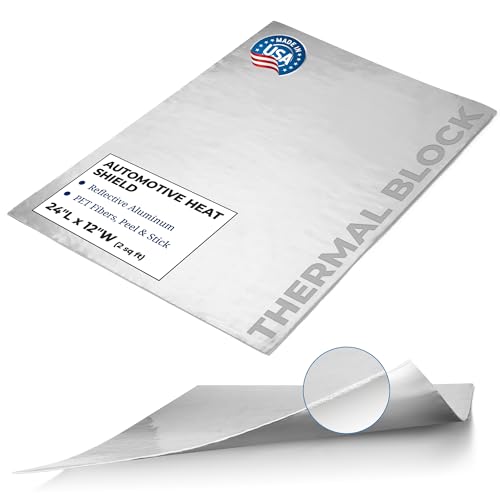
Second Skin Thermal Block Automotive Heat Shield 12″ x 24″

Racewill Titanium Pipe Shield 6″ x 12″ Exhaust Heat Shield

SINNSIDELIN Exhaust Heat Shield Automotive 16″ x 78.7″
More Details On Our Top Picks
ALLWIN leans toward broad interior coverage rather than a narrow specialty job. The 394 mil thickness and 10.8 square feet of coverage make sense for hood liners, doors, roofs, or trunk areas in a car that picks up heat through thin panels.
The closed-cell foam build matters because it does not absorb moisture, and the aluminum finish supports radiant heat control. For a commuter car or a project vehicle that needs quieter panels without a bulky layered stack, that combination is practical, though the 40 by 40 inch sheet still asks for careful layout planning.
Strong Points
- Large enough for several common panel zones.
- Closed-cell foam helps limit moisture absorption.
- Aluminum surface suits heat-facing installs.
- Useful for cabin comfort on hot days.
Things To Consider
- Single-sheet sizing may require more cutting for complex interiors.
- Best results depend on clean, flat prep work.
Feature Card
Who It Suits Best
Drivers looking for a broad, straightforward insulation sheet for cabin panels will get the most from this format.
A Better Fit Elsewhere
Storystore 394mil 16.8sqft Car Sound Deadening Mat suits larger interior projects that need more coverage in one purchase.
Storystore covers more area than ALLWIN, and that extra reach helps on larger cabin jobs where doors, floor sections, and trim pieces all need attention. The included roller also matters, because adhesive-backed sheets usually reward steady pressure and clean overlap.
The 394 mil thickness keeps it in the same general insulation class as the first pick, but the 39 by 60 inch sheet format is easier to stretch across wide zones. For garage installs or a weekend interior refresh, that layout can save time, though a larger sheet also means more careful measuring before anything touches the panel.
What We Like
- 16.5 square feet gives wide coverage for bigger jobs.
- Installation roller adds a useful setup tool.
- Self-adhesive format suits direct panel application.
- Noise and heat control fit busy daily driving.
- Odorless construction is easier to live with in closed cabins.
Minor Gripes
- Larger sheet size can be awkward in tight interiors.
- Adhesive installs still depend on careful surface prep.
- Broad coverage may be more than a small hatchback needs.
Details At A Glance
Who Should Grab It
Garage installers and drivers working on larger interior sections will benefit most from the wider coverage.
Where A Sibling Pick Shines
ALLWIN Car Heat Sound Deadening Insulation Mat fits smaller jobs better, especially where a more compact sheet is easier to place.
Peastorm shifts the focus from cabin panels to exhaust-side hot spots. The 12 by 24 inch format is much more targeted than the broad mats above, so it makes more sense around mufflers, engine compartments, fuel tank areas, or battery-adjacent zones.
The aluminum bonded to heat-resistant glass fiber gives it a more purposeful, hardware-facing profile than the softer insulation sheets in spots 1 and 2. That layered construction is helpful near sharp temperature changes, though the smaller footprint means this is a specialist piece, not a whole-car solution.
Highlights
- Designed for compact, high-heat locations.
- Aluminum and glass-fiber layering supports durability.
- Easy to cut for shaped exhaust areas.
- Works well where space is tight.
Points To Note
- Small coverage makes it better for targeted jobs than full interiors.
- Edge trimming is part of the install process.
- Best suited to parts where direct heat is the main issue.
Core Details
Built With In Mind
Owners dealing with exhaust housings, mufflers, or other cramped hot zones will get the clearest fit from this format.
Swap It Out When
Second Skin Thermal Block Automotive Heat Shield suits firewall or floor work better, especially where a broader barrier matters more than a compact wrap.
Amerbro sits in the middle ground between the large cabin sheets and the compact exhaust wrap. Its 24 by 12 inch size is easy to cut, which helps on awkward surfaces where a single oversized mat would waste material or fight the shape.
The reflective surface is the key detail here, especially around painted panels, plastics, or other heat-sensitive parts near engine-bay sources. The black finish keeps the look restrained, though the sheet still asks for accurate placement because adhesive-backed pieces usually show their best side on clean, flat surfaces.
Bright Spots
- Reflective face helps redirect radiant heat.
- Custom cutting suits unusual panel shapes.
- Works on automotive areas with nearby plastics.
- Smaller format is easier to store between projects.
Room For Improvement
- Single sheet size may not cover large zones alone.
- Adhesive fit depends on careful surface prep.
Who Will Love This
DIY installers working around odd-shaped panels or heat-sensitive trim will find this format easier to manage.
Look Elsewhere When
Racewill Titanium Pipe Shield makes more sense for exhaust sections that need a tougher, pipe-focused shield.
Second Skin has a more layered, barrier-style build than the adhesive sheets above. The 1/8 inch thickness and 2 square feet per sheet make it feel better suited to focused automotive zones such as firewall sections, floor pans, and under-hood spaces where radiant heat keeps creeping through.
The aluminum foil face paired with a PET fiber core gives the design a more engineered feel, and that matters near engines or exhaust components that run hot for long stretches. The trade-off is obvious: the sheet is not large, but the material stack is meant for jobs where thermal separation matters more than broad coverage.
Upsides
- Barrier-style construction suits hot mechanical zones.
- Compact sheet size makes placement precise.
- Works well where heat passes through thin metal.
- Foil-facing layout supports directed installation.
Softer Spots
- Small sheet area means several pieces may be needed.
- Better for focused zones than broad cabin coverage.
- Careful layout helps maximize each sheet.
At A Glance
Right Fit For
Shoppers insulating firewall or floor sections in a project car will get the clearest value from this sheet.
Another Choice May Suit
SINNSIDELIN Exhaust Heat Shield Automotive 16″ x 78.7″ suits longer exhaust runs that need more surface area in a single roll.
Racewill is built like a dedicated exhaust shield rather than a general insulation mat. The titanium outer layer and high-temp silica fabric inside give it a tougher profile for pipe areas that run especially hot, and the 1350°F rating places it in a more aggressive heat category than the earlier sheet-style picks.
The rivet-based standoff brackets and pipe clamps are a real ownership detail here, because a shield that holds an air gap can help manage heat transfer more cleanly around ducting. That extra hardware also means installation takes more planning, so this suits experienced hands or a shop-style setup more than a quick weekend patch.
Best Bits
- High heat tolerance suits demanding exhaust zones.
- Air-gap mounting helps reduce direct transfer.
- Bracket and clamp system supports secure placement.
- Compact footprint works in tighter pipe areas.
Areas To Watch
- Install hardware adds complexity compared with adhesive sheets.
- More specialized than general cabin insulation.
- Best fit depends on pipe access and mounting room.
Perfect Match For
Performance-minded installers dealing with exhaust pipes or closely packed hot zones will find this format especially relevant.
Where A Sibling Pick Shines
Peastorm Exhaust Wrap Heat Shield Automotive Aluminum Material 12″ x 24″ is easier to cut and shape for smaller wrap-style jobs.
SINNSIDELIN is the broad-sheet option in this group, and the 16 by 78.7 inch format gives it a long reach for mufflers, chassis sections, and exhaust paths that need repeated coverage. The 0.5 mm embossed aluminum build is flexible enough to shape by hand, which helps on curved runs that a rigid panel would fight.
The 20 cable metal ties add another practical angle, since the shield is meant to be fastened rather than only stuck in place. That setup makes sense for longer exhaust runs, though it also means more install steps than the simpler adhesive mats above.
Positives
- Long sheet length suits extended exhaust coverage.
- Flexible aluminum bends around shaped surfaces.
- Included ties simplify fastening on larger runs.
- Useful for chassis and muffler protection.
Points To Note
- Installation takes more steps than peel-and-stick sheets.
- Large format can leave surplus material on small jobs.
- Best use depends on access around the exhaust route.
Who Should Grab It
Owners dealing with long exhaust runs or broader underbody coverage will benefit most from the extended sheet and tie kit.
Skip It When
Amerbro Aluminum Adhesive Heat Shield Wrap 24×12 in suits smaller shaped panels better, especially where a cut-to-fit sheet is enough.
What Matters Before Choosing Automotive Heat Shields
Coverage And Shape Matter First
Large mats suit doors, roofs, trunks, and floor sections. Narrow wraps make more sense around pipes, mufflers, and compact hot zones.
Material Stack Changes The Job
Foam-backed sheets lean toward cabin insulation and vibration control. Foil, glass fiber, silica fabric, or titanium layers are better suited to direct heat and harsher mechanical environments.
Installation Method Affects Real Use
Adhesive sheets reward clean surfaces and careful pressure. Clamp or tie systems add effort, but they can fit better where stick-on material would struggle.
Key Details Worth Keeping In Mind
Common Shopping Slip Ups
Thin sheets chosen for heavy exhaust heat often fall short in the wrong spot. Measure the target area first, then match size and install style to the actual surface.
When Paying More Pays Off
Higher-tier options usually bring denser material stacks, stronger heat ratings, or more installation hardware. That extra spend tends to make sense for hot exhaust zones, shop installs, or areas that see long exposure.
Frequently Asked Questions
What makes a heat shield different from sound deadening mat?
Heat shields focus on radiant transfer and hot surfaces. Sound deadening mat leans more toward vibration and panel noise control, though some products try to address both.
Which type fits under the hood best?
Foil-backed mats and barrier-style sheets work well in engine-bay areas. Wraps with higher heat ratings fit closer to pipes and mufflers.
Does thickness matter a lot?
Thickness often affects how much separation and insulation a sheet can provide. Placement still matters just as much, especially near direct heat sources.
Are adhesive sheets easier to install?
Usually, yes, because they can be cut and pressed into place. Clean surfaces and careful layout still matter a lot for a neat result.
What size works for a first project?
A mid-sized sheet is easier to manage than a long roll or a very small patch. The right choice depends on whether the job is a cabin panel, a firewall section, or an exhaust run.
