

Wax, grease, tar, silicone, and adhesive residue can undermine a clean paint job long before primer reaches the panel. You need the right remover for your situation, whether you’re restoring a bumper in a home garage, preparing fiberglass for refinishing, or clearing polishing residue before a coating. Solvent strength, drying behavior, surface compatibility, and container size matter more than flashy packaging. The five options below cover heavy paint-prep work, bulk garage use, targeted contamination removal, and final surface cleansing before protection.
Your Shortlist At A Glance



More Details On Your Top Picks
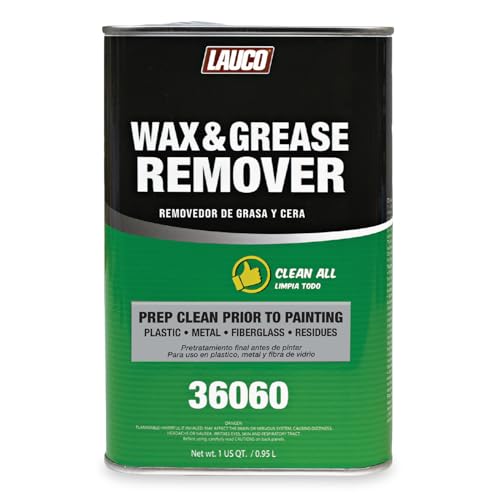
Paint preparation calls for more than a quick wash, and the LAUCO 36060 is aimed at the contamination left behind by wax, grease, oil, silicone, and similar residues. Its solvent-degreaser format suits plastic, metal, fiberglass, and aluminum, so you can move from a steel panel to a fiberglass part without changing cleaners.
You may find the fast evaporation useful during a weekend repair, since the surface is intended to dry without an oily film before primer or color work. The honest trade-off is a quart can favors focused garage projects rather than repeated shop-wide use, while its broad substrate range benefits DIY refinishing and restoration.
Strong Points
- Handles wax, grease, oil, silicone, and general surface contamination in one preparation step.
- Works across automotive panels, bumpers, tools, fiberglass parts, and marine surfaces.
- Quick evaporation helps keep a repair moving between cleaning and paint application.
- The quart format stores more easily than a gallon in a compact home workspace.
- Designed for use before primer, basecoat, or clear coat, making the process easier to organize.
Things To Consider
- Solvent-based cleaners require deliberate storage and careful cloth management in a busy garage.
- The smaller container may feel limiting during multiple-panel restoration work.
Key Specs
Who It Suits Best
You’ll get the most from it during home-garage panel repairs, bumper preparation, and mixed-material restoration projects.
Consider Something Else When
Choose LAUCO Wax and Grease Remover 33080 1 Gallon for frequent shop use that demands a larger working supply.
A gallon changes the ownership equation for a working garage. LAUCO 33080 uses the same stated multi-surface paint-prep approach as the 36060, covering plastic, metal, fiberglass, and aluminum while targeting wax, grease, oil, silicone, and other contaminants.
For repeated bumper work, fleet touch-ups, or several panels in one project, the larger supply helps you avoid stretching a small container too far. You may find the gallon awkward to store and dispense in a small workspace, so its strongest fit is a dedicated garage where volume matters more than shelf space.
What We Like
- One gallon supports repeated cleaning across larger restoration jobs.
- Broad material compatibility covers metal panels, plastic bumpers, fiberglass parts, and aluminum.
- Fast-drying behavior helps reduce waiting between surface preparation and coating steps.
- The solvent format addresses several contamination types rather than only wax.
Trade Offs
- A gallon container takes more storage planning than the quart-sized LAUCO option.
- Low-frequency home use may not justify keeping such a large volume on hand.
- Pouring and cloth handling deserve extra care during smaller jobs to limit waste and mess.
At A Glance
Made For
You’re the right match for this container when you handle frequent bodywork, several vehicles, or a shared garage supply.
Look Elsewhere When
Custom Shop KW901 Wax and Grease Remover 1 Quart suits smaller projects where tar, tree sap, and adhesive residue need targeted attention.
Tar, tree sap, and adhesive residue often create a tougher cleanup than ordinary wax, and Custom Shop KW901 directly names those contaminants alongside grease and silicone. You apply it to painted surfaces, metal, plastic, epoxy, or fiberglass, then wipe away the loosened residue before bodywork or topcoat application.
Its stated use before and after sanding gives you flexibility during a longer repair sequence. Compared with LAUCO 36060, KW901 puts more emphasis on stubborn residue categories and sanding-stage cleanup, though the quart volume remains better suited to personal projects than continuous shop work.
Highlights
- Targets tar, tree sap, adhesive residue, wax, grease, and silicone.
- Works on painted surfaces, metal, plastic, epoxy, and fiberglass.
- Useful before sanding and again before applying a topcoat.
- Fast drying without residue helps leave the panel ready for the next step.
- The quart size fits a restoration cart or home-garage cabinet.
- Its contamination focus makes it a practical choice for older vehicles and repair areas.
Minor Gripes
- Projects with repeated full-vehicle preparation may use a quart quickly.
- Residue removal still depends on fresh wiping cloths and organized surface-cleaning habits.
Technical Sheet
Right Fit For
You’ll appreciate KW901 most during DIY bodywork involving tar, sap, adhesive marks, and multiple sanding stages.
Not Your Match When
Rust-Oleum Automotive 251475 Wax and Tar Remover is a better fit for straightforward exterior cleanup centered on those two named contaminants.
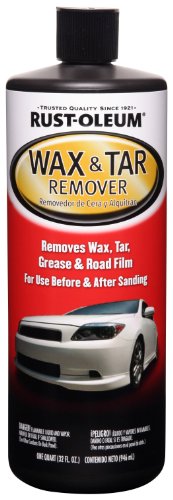
A narrow contamination brief can be useful, especially after road work leaves tar spots around rocker panels or old wax builds up before a new finish. Rust-Oleum Automotive 251475 is identified as a 32-ounce wax and tar remover, giving you a focused option rather than the broader paint-prep chemistry found in Custom Shop KW901.
That simpler scope may suit routine exterior maintenance, though you’ll want a different choice for silicone, tree sap, adhesive residue, or mixed-material refinishing. For most garage users handling occasional tar marks, the quart container offers a sensible middle ground without the bulk of LAUCO 33080.
Upsides
- Focused formula category makes it easy to match with wax and tar cleanup.
- 32-ounce capacity suits recurring exterior maintenance and localized detailing.
- Automotive labeling keeps the intended use clear for vehicle-care tasks.
Room For Improvement
- The supplied product information does not specify compatibility with fiberglass, epoxy, or aluminum.
- You may need a broader cleaner for paint-prep projects involving silicone, sap, or adhesive residue.
- Storage and cloth disposal still require attention with any solvent-style remover.
- Its focused role may overlap with a more versatile item already in your garage.
Feature Snapshot
Best Suited To
You’ll find the clearest fit in routine vehicle cleanup, especially for tar spots and old wax on exterior panels.
A Better Fit Elsewhere
LAUCO Wax and Grease Remover 36060 Quart suits DIY paint preparation across plastic, metal, fiberglass, and aluminum.
Detailing work needs a different kind of final cleanup than panel refinishing. Adam’s Polishes Surface Prep uses a lubricating formula with a high IPA concentration, where IPA means isopropyl alcohol, to help a towel glide across paint while the spray evaporates quickly.
That makes sense after washing, clay-bar work, or orbital polishing, especially before wax, sealant, or ceramic-coating application. You may prefer its spray format for controlled detailing sessions, while LAUCO 36060 remains the more natural choice for heavier bodywork and broad solvent-degreasing tasks.
Bright Spots
- Lubrication helps the towel move smoothly during final surface wiping.
- High IPA content supports removal of residue before protection products are applied.
- Fast evaporation suits busy detailing sessions where you want to progress panel by panel.
- The stated surface range includes paint, plastic, glass, and chrome.
- Spray delivery gives you more control than pouring from a large container.
Honest Caveats
- The supplied listing data presents conflicting container-size references, so you should confirm the selected listing before purchase.
- Its detailing-focused formula may not replace a heavy solvent degreaser for tar, oil, or body-shop contamination.
Quick Facts
Whose Shelf It Belongs On
You’ll benefit most as a detailer preparing a clean vehicle surface for wax, sealant, or ceramic-coating work after polishing.
Reach For A Different Pick When
LAUCO Wax and Grease Remover 33080 1 Gallon fits a restoration garage that needs high-volume solvent preparation across many panels.
How To Choose The Right Auto Wax Removers
Match Solvent Strength to the Job
Routine wax residue and final polishing oils call for a different approach than tar, silicone, or adhesive buildup. A detailing spray such as Adam’s Polishes Surface Prep emphasizes lubrication, towel glide, and quick evaporation, while LAUCO 36060 and LAUCO 33080 are framed around stronger paint-preparation work.
Heavy solvent action can shorten cleanup time, but it also demands better storage, ventilation, cloth control, and material awareness. Your safest choice comes from matching the contamination named on the label to the task in front of you, not from choosing the strongest-sounding formula.
Check Surface Compatibility
Painted metal, bare metal, plastic, fiberglass, epoxy, aluminum, glass, and chrome don’t all present the same cleaning challenge. Custom Shop KW901 specifically includes painted surfaces, metal, plastic, epoxy, and fiberglass, while Adam’s Polishes Surface Prep names paint, plastic, glass, and chrome.
That distinction matters during mixed-material projects. A bumper, trim piece, and glass panel may sit beside each other, but the stated compatibility determines which option makes sense across the whole job.
Choose the Right Container Size
A quart works well for occasional repairs, localized tar removal, and personal detailing. The one-gallon LAUCO 33080 makes more sense for repeated vehicle work or several panels, though the larger container needs more deliberate storage and dispensing.
Small-volume detailing can also benefit from spray control. You’ll waste less product when you can apply a measured layer to one panel rather than pour from a large can.
Think About the Next Coating Step
Paint preparation and protection preparation overlap, but they aren’t identical. A cleaner that dries without residue supports primer, basecoat, or clear-coat work, while Adam’s Polishes Surface Prep is positioned around wax, sealant, and ceramic-coating preparation after washing, claying, or polishing.
Your intended finish should guide the final choice. For a respray, prioritize contamination removal and substrate range; for a polished daily driver, prioritize controlled application and towel movement.
Things Worth Knowing First
Mistakes Worth Dodging
A common mistake is treating every remover as interchangeable. Focused wax-and-tar coverage may not address silicone, adhesive residue, or polishing oils, so you should compare the named contamination categories before placing an item in your cart.
Container size creates another avoidable mismatch. A gallon can be sensible for repeated bodywork, but a quart or spray bottle is easier to store and control during a single-panel repair.
Where The Extra Money Goes
Higher-tier options in this category often add convenience rather than magic cleaning power. Lubrication, spray delivery, fast evaporation, and wider surface compatibility can reduce towel drag and make the preparation sequence easier to manage.
That upgrade makes sense for coating preparation, frequent detailing, or mixed-material work. Occasional tar cleanup doesn’t necessarily need those extra attributes, especially with a focused 32-ounce remover available.
Final Verdict
You can match each option to a distinct garage task: LAUCO 36060 for broad paint preparation, LAUCO 33080 for repeated high-volume work, Custom Shop KW901 for tar and adhesive-heavy repairs, Rust-Oleum 251475 for focused wax and tar cleanup, and Adam’s Polishes Surface Prep for detailing before protection. Your best choice depends on contamination, substrate, container needs, and the coating step that follows. Start with the job rather than the label, and your surface-prep routine will stay cleaner, more controlled, and easier to repeat.
