

Loose headliners, split trim, lifted carpet, and cracked vinyl can make a usable vehicle feel worn out fast. You need an adhesive matched to the material, repair size, curing time, and the heat or vibration inside your car, truck, or motorcycle. This shortlist covers aerosol headliner adhesive, brush-applied upholstery glue, and precision cyanoacrylate formulas for small plastic and metal repairs. Daily commuters, restoration hobbyists, and first-time interior DIYers can find a practical fit here.
The Shortlist At A Glance

3M Headliner & Fabric Adhesive 18.1 oz. (38808)

KRAFTPROTZ Automotive Super Glue Gel 1.75 oz
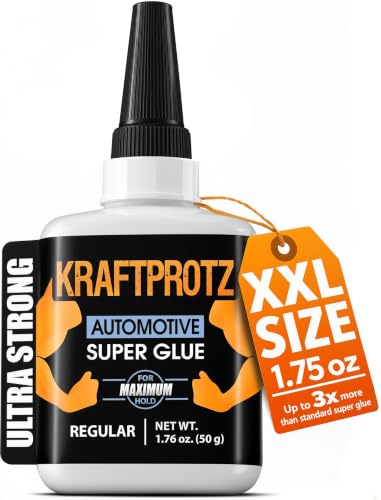
KRAFTPROTZ Automotive Super Glue Liquid 1.75 oz
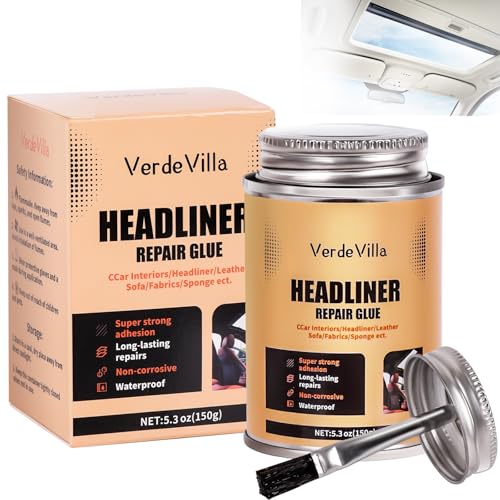
VerdeVilla Headliner Repair Glue with Brush

SIXCAR Car Headliner Adhesive 100ml

Ecuywe Professional Leather Glue Adhesive 4.23 oz
More Details On Our Top Picks
Large sagging panels call for broad, even coverage, and this 3M aerosol format is designed around that job. The adjustable nozzle lets you direct the spray across headliner fabric, carpet, foam, metal, or plastic, which suits a garage restoration where several interior materials need attention.
The clear-drying formula gives you a cleaner visual result than a dark adhesive, while the 30-to-60-minute drying window keeps a multi-stage repair moving. You may find the spray format less convenient for a tiny trim tab than KRAFTPROTZ Automotive Super Glue Gel 1.75 oz, but full roof-liner work is its natural territory.
Strong Points
- Aerosol delivery spreads adhesive across broad fabric panels with less hand application.
- The adjustable nozzle supports more controlled direction during overhead interior work.
- Clear drying helps limit visible adhesive marks around fabric edges.
- Compatibility with headliner, carpet, foam, metal, and plastic supports mixed-material repairs.
- The stated 30-to-60-minute drying period suits projects that need a reasonably quick turnaround.
Things To Consider
- Spray adhesive needs careful masking and ventilation, especially inside a partly stripped cabin.
- The aerosol format can be excessive for a pin-sized crack or isolated plastic clip.
Key Specs
Who It Suits Best
You’ll get the most useful fit from this choice for full headliner replacement, carpet work, or larger vehicle restoration projects.
Where Another Pick Suits Better
VerdeVilla Headliner Repair Glue with Brush suits you better for brush-level control on smaller fabric, leather, and trim repairs.
Vertical trim repairs are easier with a gel that stays where you place it. KRAFTPROTZ uses a non-drip cyanoacrylate formula, meaning a fast-bonding adhesive family, for dashboard panels, mirror housings, fender clips, brackets, and similar hard parts.
That thicker texture gives you more working control than the matching KRAFTPROTZ Automotive Super Glue Liquid 1.75 oz, particularly on a small part held against a vertical surface. Depending on the repair, you may trade some penetration into hairline cracks for cleaner placement and less runoff.
What We Like
- Gel consistency helps keep adhesive on vertical automotive parts.
- The 1.75 oz. format gives you more material than a tiny touch-up tube.
- Clear bonding is useful around visible dashboard and trim surfaces.
- Listed compatibility with plastic, metal, and fiberglass covers several common interior repair materials.
Trade Offs
- Gel is less suited to deep microcracks than a thin liquid formula.
- The cap and tip need prompt cleaning and secure closure because cured residue can interfere with later applications.
- Small-format precision work takes longer across a whole headliner than an aerosol adhesive.
Feature Snapshot
Made For
This pick fits DIY mechanics handling isolated trim, bracket, dashboard, mirror-housing, or motorcycle interior repairs.
Consider Something Else When
KRAFTPROTZ Automotive Super Glue Liquid 1.75 oz is a better fit for you when thin adhesive must flow into fine cracks and narrow gaps.
Hairline cracks and tight seams need an adhesive that can travel into the repair rather than sit on top. This liquid cyanoacrylate is positioned for dashboard components, trim, headlight housings, and other narrow automotive spaces where gel can remain too thick.
Its clear finish keeps small repairs discreet, while the listed material range includes plastic, rubber, metal, and fiberglass. The honest trade-off is control: you may find the liquid harder to place on a vertical panel than KRAFTPROTZ Automotive Super Glue Gel 1.75 oz, especially during a rushed cabin repair.
Highlights
- Thin consistency can reach narrow gaps and fine cracks.
- Clear drying supports less noticeable repairs on visible interior parts.
- Plastic, rubber, metal, and fiberglass compatibility suits mixed repair jobs.
Minor Gripes
- Liquid adhesive can spread beyond a small repair area without careful dispensing.
- The anti-clog cap still benefits from clean storage and immediate closure after use.
- A 1.75 oz. bottle is better suited to detail work than broad fabric installation.
- Thin glue offers less gap-filling support than the gel version.
Quick Facts
Right Fit For
You’ll find this option most useful for careful detail repairs on cracked plastic, rubber trim, fiberglass, and narrow interior joints.
Not Your Match When
3M Headliner & Fabric Adhesive 18.1 oz. (38808) fits you more closely for broad headliner or carpet coverage across a vehicle cabin.
Brush application gives you a tactile way to work along loose trim, torn fabric, leather sections, and gaps. VerdeVilla stands apart from the spray-first 3M Headliner & Fabric Adhesive 18.1 oz. (38808) by favoring deliberate placement over fast coverage, a useful distinction during a small cabin repair.
The formula is specified for sponge, leather, rubber, and fabric, with a temperature range from -40°F to 248°F. Initial curing takes 5 to 10 hours at room temperature, followed by complete curing in 12 to 24 hours, so you’ll need an undisturbed vehicle interior rather than a quick roadside fix.
Upsides
- The included brush supports controlled application along seams and loose edges.
- Broad material compatibility lets you address fabric, leather, rubber, and sponge with one adhesive.
- The stated temperature range suits cabins exposed to winter cold and summer heat.
- Water resistance is relevant for vehicles facing humidity, rain, car washing, or damp storage.
- The flexible bond is better aligned with upholstery movement than a rigid spot adhesive.
Room For Improvement
- The 12-to-24-hour full cure requires planning and limits immediate reassembly.
- Brush cleaning and careful lid closure matter because dried adhesive can affect future application.
Technical Sheet
Who Will Love This
This choice suits patient DIY restorers repairing fabric, leather, sponge, or rubber sections with brush-level control.
A Better Fit Elsewhere
SIXCAR Car Headliner Adhesive 100ml may suit you more for a similarly paced fabric or leather repair in a smaller container.
For a modest headliner patch or a few loose upholstery edges, the 100ml SIXCAR container keeps the project focused. Its clear adhesive is designed for automotive interiors, fabric, and leather, making it a more targeted choice than Ecuywe Professional Leather Glue Adhesive 4.23 oz for a small car-interior job.
The listed cure schedule starts at 5 to 10 hours and reaches completion in 12 to 24 hours at room temperature. You may find that waiting period reasonable for an overnight repair, though it won’t suit a vehicle needed immediately after the adhesive is applied.
Best Bits
- 100ml capacity fits smaller upholstery projects without committing to a large container.
- Clear bonding helps preserve the appearance of visible fabric and leather.
- Stated heat resistance supports use across changing cabin temperatures.
- Water resistance is useful for interiors exposed to humidity and routine vehicle washing.
Points To Note
- The 12-to-24-hour complete cure calls for a protected workspace and careful reassembly.
- Less capacity makes it a weaker match for a complete roof-liner replacement.
- Storage around the applicator and cap deserves attention because cured residue can restrict the opening.
At A Glance
The Right Fit
This adhesive is suited to you when a small automotive fabric or leather repair needs a clear bond and a manageable container.
Swap It Out When
3M Headliner & Fabric Adhesive 18.1 oz. (38808) fits you better for broad spray coverage across a complete headliner or carpet panel.
Seat panels, vinyl bolsters, and flexible upholstery need a bond that can move with the material. Ecuywe targets leather, vinyl, suede, rubber, and canvas, with a clear flexible finish that makes it broader than a trim-only cyanoacrylate.
The fine applicator tip favors precise work on seams and small splits, while the 4.23 oz. container gives you more room for repeated seat or furniture repairs. For most vehicle interiors, you may prefer this controlled bottle over a spray can, although 3M Headliner & Fabric Adhesive 18.1 oz. remains more efficient across wide headliner surfaces.
Bright Spots
- Flexible bonding is suited to leather, vinyl, suede, rubber, and canvas surfaces.
- Clear drying helps keep seam repairs visually discreet.
- The fine tip supports pinpoint placement around seat stitching and upholstery edges.
- 4.23 oz. capacity supports repeated repair sessions across seats, panels, bags, or furniture.
- Water-resistant bonding adds practical value for upholstery exposed to spills or damp conditions.
Honest Caveats
- Its leather and upholstery focus makes it less natural for full fabric headliner installation.
- Fine-tip application takes patience across large panels.
- Careful tip cleaning and capped storage help preserve the narrow applicator opening.
Core Details
Whose Shelf It Belongs On
This option fits you best for recurring leather, vinyl, suede, rubber, or canvas repairs on seats and interior upholstery.
Where A Sibling Pick Shines
VerdeVilla Headliner Repair Glue with Brush suits you more for brush-applied fabric, sponge, and roof-liner repairs.
How To Choose The Right Auto Upholstery Glues
Match The Adhesive To The Repair
Start with the material and repair area. Aerosol adhesive spreads across broad headliner fabric, carpet, foam, metal, and plastic, making 3M Headliner & Fabric Adhesive 18.1 oz. a logical format for a roof liner. A brush formula gives you better control along a seam or loose edge, while liquid super glue reaches fine cracks and gel stays put on vertical trim.
The trade-off is speed versus precision. Wide coverage saves labor on a large panel, but it demands careful masking. Thin liquid reaches narrow gaps, though a small excess can spread quickly across a visible dashboard surface.
Consider Heat, Moisture, and Movement
Vehicle interiors experience hot sun, cold starts, humidity, vibration, and repeated flexing. VerdeVilla lists a range from -40°F to 248°F, while the KRAFTPROTZ liquid formula lists a range from -40°F to 230°F. Those figures help you compare stated temperature tolerance, but the bond still depends on clean surfaces, correct alignment, and adequate curing time.
Flexible leather or upholstery adhesive suits seats and vinyl because those surfaces bend under daily use. Rigid instant adhesive makes more sense for a hard trim clip or bracket. You’ll get a better result by matching bond behavior to the part’s movement rather than choosing solely by container size.
Plan Application and Cure Time
Aerosol products require masking, ventilation, and enough room to spray an even layer. Brush and bottle formats reduce overspray but take longer across a large roof liner. Curing time matters just as much: VerdeVilla and SIXCAR list initial curing at 5 to 10 hours and complete curing at 12 to 24 hours, so overnight parking may be necessary.
Surface preparation also affects ownership. Remove dust, old loose adhesive, grease, and flaking material before applying a new bond. Keep caps, nozzles, and brush handles clean during storage, because dried residue can restrict the applicator and make later repairs frustrating.
Choose The Right Amount
A 1.75 oz. bottle works well for clips, cracks, brackets, and small trim areas. A 100ml container suits limited upholstery work, while a 4.23 oz. bottle is more practical for recurring seat and vinyl repairs. Large headliner projects need a format designed for broad coverage rather than a precision tube.
Before You Choose A Formula
Mistakes Worth Dodging
A common error is using liquid instant adhesive on a large fabric panel. Thin glue can travel beyond the repair line and lacks the broad, even application that a headliner needs. Pick the delivery method first, then narrow the material compatibility.
Another mistake is reassembling the cabin before the adhesive has cured. A repair that feels set on the surface may still need hours before full handling, especially with brush-applied headliner formulas. Clean contact surfaces and protected resting time give the bond a better starting point.
What Separates Premium From Basic
Higher-tier adhesive often adds a more suitable applicator, broader material support, clearer drying, flexible bonding, or a wider stated temperature range. Those details matter most for visible seat seams, mixed-material repairs, and vehicles exposed to large seasonal temperature changes.
Spending up makes sense for repeated restoration work or a large surface where rework would consume more time. A small trim clip may need only a precise gel or liquid formula, so extra capacity and broad upholstery features would add little practical value.
Final Verdict
Your best match depends on the repair scale and material. Choose 3M Headliner & Fabric Adhesive 18.1 oz. for broad headliner coverage, KRAFTPROTZ gel or liquid for small hard-part repairs, VerdeVilla or SIXCAR for brush-style fabric work, and Ecuywe for flexible leather or vinyl upholstery. Clean preparation, accurate application, and full curing time matter as much as the adhesive label. With that fit in mind, you can approach a sagging liner or split seat seam with a clearer plan.
