

Choosing an auto primer sealer means matching the coating to your surface, spray method, project size, and finishing schedule. A small trim repair needs a different format from a full vehicle refinish or a bare-metal restoration. You’ll find two-part epoxy and urethane kits for broad coverage, plus aerosol options for quick repairs and awkward panels. The right choice helps you create a stable base for topcoat paint without adding unnecessary mixing or cleanup.
The Shortlist At A Glance

Custom Shop Black DTM Epoxy Primer/Sealer 2.1 VOC

Custom Shop Gray DTM Epoxy Primer/Sealer 2.1 VOC

Rust-Oleum Automotive Universal Bonding Primer Spray Flat White
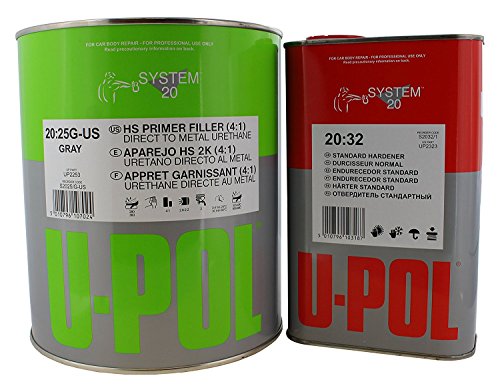
U-POL High Solids High Build Urethane Primer Kit

Rust-Oleum 249321 Automotive Primer Sealer Spray 12 oz Gray
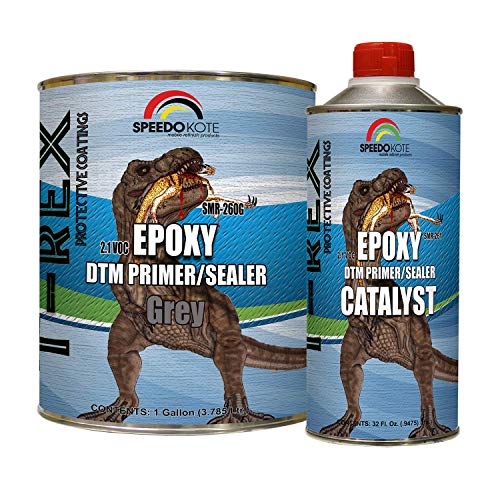
Speedokote Epoxy Fast Dry DTM Primer & Sealer SMR-260G/261
More Details On Our Top Picks
Black epoxy makes practical sense beneath a dark finish, especially across repaired steel panels where a light undercoat could affect coverage. The 1:1 mix ratio means equal parts primer and hardener, a straightforward arrangement for garage work that still requires accurate measuring and thorough surface preparation.
Direct-to-metal, or DTM, means the coating is intended to adhere to prepared bare substrates rather than relying on a separate metal primer. Bare metal, steel, aluminum, fiberglass, gelcoat, body filler, rigid plastic, and sanded original finishes are listed application surfaces. You may find this kit most useful for corrosion-conscious restoration work, though the two-part process creates more cleanup than an aerosol.
Strong Points
- The epoxy formulation is designed for adhesion across several automotive substrates.
- The black color can support dark topcoats and help reveal missed coverage during panel preparation.
- The equal-part mix is easy to plan for across repeated repair sessions.
- A quart kit suits focused panels without forcing you into a gallon-scale purchase.
Things To Consider
- Two-component mixing adds measuring, pot-life planning, and spray-equipment cleanup.
- Storage requires securely sealed containers and a dry, controlled workspace.
Key Specs
Who It Suits Best
Choose this option for DIY restorers preparing bare metal and dark-colored body panels with spray equipment.
Consider Something Else When
Rust-Oleum 249321 Automotive Primer Sealer Spray 12 oz Gray suits you better for a small repair without two-part mixing.
Large panel jobs benefit from the half-gallon kit, which pairs one quart of epoxy primer with one quart of hardener. Gray gives you a neutral base for many paint colors, so you won’t need the darker foundation that makes Custom Shop’s black version particularly suited to deep finishes.
The same DTM design covers prepared bare metal, steel, aluminum, fiberglass, gelcoat, body filler, rigid plastic, and sanded original finishes. For a door, hood, or multi-panel project, the larger batch capacity reduces interruptions. One thing worth considering is storage: opened two-part coatings demand careful sealing and organized handling between sessions.
What We Like
- The gray base supports a broad range of automotive topcoat colors.
- The 1:1 ratio keeps measuring familiar for repeat batches.
- The larger kit is practical for several panels or a full repair sequence.
- Substrate coverage includes metal, fiberglass, filler, plastic, and prepared existing finishes.
- Epoxy chemistry gives you a more substantial preparation stage than a quick aerosol coat.
Trade Offs
- The larger container takes more shelf space and may be excessive for a single small panel.
- Spray application and cleanup require more equipment than Rust-Oleum’s can-based options.
- Accurate equal-part measuring remains essential for consistent curing behavior.
At A Glance
Made For
This kit fits experienced DIY painters handling multiple automotive panels in a ventilated garage workspace.
Not Your Match When
Custom Shop Black DTM Epoxy Primer/Sealer 2.1 VOC fits dark paint projects more naturally and uses less material for focused repairs.
For bumpers, trim, and mixed-material repairs, an aerosol format removes the measuring step that defines the Custom Shop kits. The flat-white spray is designed to help topcoat paint grip difficult automotive surfaces, including plastic, fiberglass, galvanized steel, aluminum, and trim.
The comfort tip and any-angle spray format are useful around curved bumpers or underside edges where a gun cup feels awkward. A 30-minute touch-dry time and coverage of up to 10 to 12 square feet per can support short repair sessions. You may find the small-can format less economical across a complete vehicle, and surface preparation still controls the final result.
Highlights
- Works across several hard-to-coat automotive materials.
- Any-angle spraying helps reach vertical, curved, and inverted sections.
- The white base supports lighter topcoat colors.
Minor Gripes
- Aerosol coverage is limited to about 10 to 12 square feet per can.
- Can-based application offers less control over film build than a properly set spray gun.
- Storage space is easier to manage, but repeated repairs can leave several partially used cans.
- The 30-minute touch-dry figure doesn’t replace the complete label recoat guidance.
Feature Snapshot
Right Fit For
This spray suits beginners and DIY owners preparing bumpers, plastic trim, fiberglass pieces, or small mixed-surface repairs.
Look Elsewhere When
U-POL High Solids High Build Urethane Primer Kit suits large panels where you need a high-build coating rather than aerosol convenience.
Surface leveling is the reason to step beyond the aerosol choices, and U-POL’s high-build urethane format is aimed at that larger task. High build means the primer lays down a thicker film that can help fill minor sanding texture before finish work, though it also demands disciplined spray technique.
The kit uses a 4:1 ratio and includes a gallon of primer with a one-liter standard hardener for temperatures from 60 to 95 degrees Fahrenheit. That volume makes sense for restoration bays and multi-panel work, not a quick fender touch-up. Compared with Custom Shop Gray DTM Epoxy Primer/Sealer 2.1 VOC, this is the more filling-oriented route, while the larger batch creates more cleanup and storage responsibility.
Upsides
- High-solids urethane construction is suited to substantial surface build.
- The four-part primer-to-one-part hardener ratio supports repeatable batch planning.
- The included standard hardener targets a broad 60 to 95 degree Fahrenheit working range.
- The gallon kit supports extensive panel preparation without frequent replenishment.
- The European-style three-function design broadens its role in a refinishing workflow.
Room For Improvement
- The gallon format can be excessive for isolated repairs.
- A 4:1 mix requires more careful measuring than the equal-part Custom Shop formula.
- High-build coatings can require extra sanding before a smooth topcoat.
Technical Sheet
Who Will Love This
This kit suits experienced DIY refinishers and restoration shops preparing several large panels with spray equipment.
A Better Fit Elsewhere
Rust-Oleum Automotive Universal Bonding Primer Spray Flat White is a better fit for occasional plastic trim repairs and smaller work areas.
Small repairs rarely justify a gallon kit, and this 12-ounce gray aerosol keeps the process compact. Its stated surface range includes metal, wood, fiberglass, and other substrates, giving you useful flexibility for brackets, panels, and non-structural trim around a vehicle.
The spray is designed to keep finish paint from sinking into the primed surface, while any-angle application helps you coat awkward edges. Touch-dry time is listed at 10 minutes, with coverage up to 10 to 12 square feet per can. For most garage touch-ups, that makes the can easy to store and use, although broad panels will require more material and careful overlap.
Bright Spots
- The 12-ounce can fits small repair kits and limited storage areas.
- Gray works beneath many common automotive colors.
- Any-angle spraying helps with underside and edge coverage.
- The stated 10-minute touch-dry time supports short project sessions.
Points To Note
- Coverage remains limited to up to 10 to 12 square feet per can.
- Aerosol film build is less adjustable than a two-part spray-gun system.
Quick Facts
Who Should Grab It
This can is suited to beginners and occasional DIY users handling small metal, wood, fiberglass, or automotive surface repairs.
Another Choice May Suit
Speedokote Epoxy Fast Dry DTM Primer & Sealer SMR-260G/261 suits you more for larger jobs needing a two-part gallon kit.
Speedokote targets the experienced finisher who wants epoxy protection with a faster workflow. The gallon primer and quart catalyst use a 4:1 ratio, while an optional 5 to 10 percent reduction with the specified zero-VOC reducer can adjust spray behavior for suitable equipment and technique.
Its DTM role covers steel, aluminum, fiberglass, body filler, and existing finishes, making it a flexible bridge between repair work and topcoat preparation. The gray shade and smooth-laying formulation may appeal to large garage projects, though the gallon kit needs careful storage and the multi-step process is more involved than Rust-Oleum 249321. For a long panel session, the fast-dry positioning can help keep the work moving.
Reasons To Buy
- The primer can function as both a base coat and sealer.
- Adhesion coverage includes steel, aluminum, fiberglass, filler, and existing finishes.
- The 4:1 ratio is familiar to experienced spray-finishing users.
- Optional reduction gives you another way to tune application flow.
- The gallon-and-quart kit supports larger repair schedules.
- Fast-dry positioning and easy sanding can shorten the transition to later finishing work.
Honest Caveats
- The larger kit needs more shelf space and organized component storage.
- Optional reducer adds another material and another measurement to the workflow.
- Spray-gun setup and cleanup make this a poor match for one small touch-up.
Feature Rundown
Whose Shelf It Belongs On
This kit suits experienced garage painters and restoration users managing larger steel, aluminum, fiberglass, or filler repairs.
Swap It Out When
Rust-Oleum Automotive Universal Bonding Primer Spray Flat White is a better fit for quick, smaller projects involving plastic trim or irregular surfaces.
How To Choose The Right Auto Primer Sealers
Match The Chemistry To The Substrate
Epoxy primers make sense for prepared bare metal, steel, aluminum, fiberglass, body filler, and selected rigid plastics. A DTM formula means direct-to-metal use is part of the intended application, but cleaning, sanding, and degreasing still determine whether the coating can form a sound base.
Urethane high-build primer serves a different role. Its thicker surfacing layer can help level minor texture across broad panels, while aerosol bonding primer is more convenient for trim and mixed materials.
Choose The Format Around Project Size
Aerosol cans suit one bumper corner, a bracket, or a small panel where mixing equipment would create unnecessary work. The Rust-Oleum options cover up to 10 to 12 square feet per can, so you can estimate material before starting.
Two-part kits become more practical across doors, hoods, multiple panels, and restoration work. Larger containers reduce interruptions, but they also demand secure storage, accurate measuring, and prompt equipment cleanup.
Read The Mix Ratio Carefully
A 1:1 system uses equal portions, while a 4:1 system needs four parts primer to one part hardener. That difference affects measuring cups, batch size, and the chance of wasting mixed material during a short repair.
Fast-dry positioning may suit a busy garage schedule, but touch-dry time is not the same as complete recoat or cure guidance. Follow the product label for preparation, application, recoat, and cleanup details.
Account For Color And Finish
Gray gives you a neutral base beneath many colors, while black can make more sense beneath a dark finish. White supports lighter topcoats and can help keep the undercoat from influencing the final appearance.
High-build options may need more sanding before finish paint, whereas a thin aerosol layer emphasizes speed and convenience. Your spray equipment, panel condition, and desired surface level should guide the final choice.
Things Worth Knowing First
Where Shoppers Go Wrong
Choosing a large kit for one small repair often leaves you managing excess material, extra cleanup, and more complicated storage. Match the container size to the panel count, then confirm that the substrate appears in the stated application range.
Mix ratios also deserve attention before the project begins. Equal-part epoxy and 4:1 systems require different measuring habits, so prepare the correct cups and tools before combining components.
The Upgrade Payoff
Higher-tier kits generally add two-part chemistry, larger coverage, direct-to-metal use, high-build surfacing, or application adjustment. Those features matter across broad panels and repeat refinishing work, where consistent preparation saves time.
The upgrade has less value for a small trim repair. In that setting, an aerosol can may keep the workflow cleaner and more manageable, even though it offers less control over coverage and film build.
Closing Remarks
You’ll get the closest match by starting with your surface and project size rather than the container label. Custom Shop Black suits dark-panel restoration, Custom Shop Gray handles broader neutral-base work, and U-POL adds high-build capability for extensive preparation. Rust-Oleum keeps small repairs accessible, while Speedokote gives experienced users a larger epoxy workflow with application flexibility. Pick the format that fits your equipment, storage, and finishing schedule, then follow the label’s surface-preparation and recoat instructions carefully.
