

Your vehicle’s finish faces sun, road grit, water spots, faded plastic, and the small scratches that accumulate through ordinary driving. The right choice depends on the surface you need to protect, your comfort with paint correction, and the time you want to spend on preparation. You get targeted options here for vinyl, exterior paint, black trim, and fast spray-on maintenance. Daily commuters, weekend detailers, and people refreshing an older vehicle can match the formula to the job instead of treating every surface the same way.
The Shortlist at a Glance
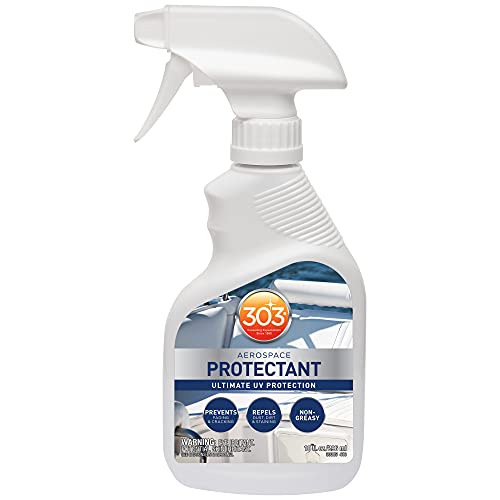
303 Marine Aerospace Protectant for Boat Vinyl 10 oz

303 Products Aerospace Protectant UV Protection 2 Fl. Oz. (30302)

Meguiar’s Ultimate Ceramic Coating Kit

CERAKOTE Rapid Ceramic Plastic Restorer and Protectant Spray 14 oz
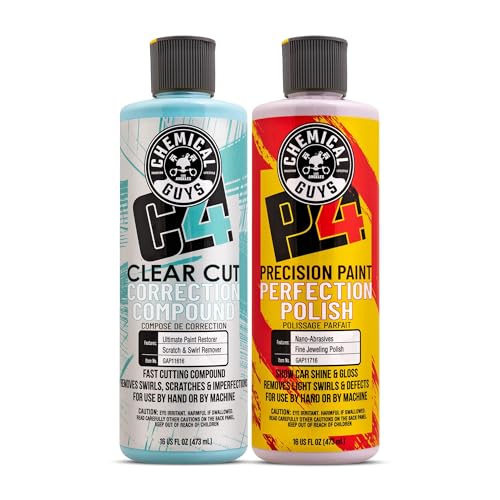
Chemical Guys C4 & P4 Compound & Polish Paint Correction Kit 2 x 16 oz

Premium Ceramic Coating for Cars 16 oz
More Details On Our Top Picks
Boat vinyl needs a different approach from painted body panels, and this 10-ounce protectant focuses on marine surfaces. Its formula is intended for vinyl, plastic, rubber, PVC, metal, gel coat, fiberglass, and stainless steel, giving you a useful option around seats, consoles, and fittings.
The finish dries matte rather than oily, which suits a cockpit where a greasy residue would attract dust. You may find the smaller container easier to store in a boat locker, although frequent full-boat care will use it faster than Item 2’s larger-format options.
Strong Points
- Broad material compatibility helps you handle vinyl seating and nearby plastic or metal surfaces with one formula.
- UV-focused care suits boats left outdoors through bright summer conditions.
- The dry matte finish preserves a natural-looking texture instead of adding a wet appearance.
- Surface care addresses fading, cracking, dust, dirt, salt water, and staining concerns in marine environments.
- The 10-ounce size fits compact storage spaces.
Things To Consider
- Frequent treatment of a large boat may require more product and more storage planning.
- Surface preparation still matters, since grime left on textured vinyl can interfere with an even application.
Key Specs
Who It Suits Best
Choose it for boat owners maintaining vinyl seating and mixed marine surfaces in an outdoor environment.
Consider Something Else When
303 Products Aerospace Protectant 2 Fl. Oz. suits you more for compact interior-care kits and smaller household detailing jobs.
A two-fluid-ounce container makes this 303 option practical for a glove box, travel kit, or apartment storage shelf. The protectant targets interior care while also suiting outdoor furniture, pool covers, vinyl liners, and inflatables, so you can keep one small bottle available for varied jobs.
Its matte, non-greasy finish separates it from dressings that leave a shiny film. For most compact interiors, that restrained appearance is easier to live with, though large cabins or repeated outdoor use may make Item 1’s 10-ounce format more convenient.
What We Like
- The 2-fluid-ounce format takes little room in a glove box or detailing tote.
- UV protection supports regular care for interior vinyl and selected outdoor surfaces.
- Dust, lint, and staining resistance helps treated surfaces stay cleaner between wipe-downs.
Trade Offs
- The small bottle can be limiting for multiple vehicles, large interiors, or pool-cover maintenance.
- Cleaning the surface first remains necessary, particularly around textured dashboards and vinyl seams.
- The matte appearance won’t suit you if a glossy dressing is the intended look.
At A Glance
Made For
This compact option suits commuters, renters, and anyone maintaining a small interior-care kit.
Not Your Match When
Meguiar’s Ultimate Ceramic Coating Kit fits you better for exterior paint gloss, slickness, and water-beading care.
Paint enthusiasts who want more than a quick spray wax get a dedicated exterior-care kit here. Ceramic coating refers to a protective surface layer designed to increase slickness, gloss, and water beading, and this kit is positioned around straightforward application and removal.
Light paint defects may appear less noticeable after application, but the finish underneath still shapes the result. You may find the preparation demands worthwhile on a well-kept weekend car, while GLOMAX’s spray format is less involved for rapid routine care.
Highlights
- The coating format targets a slicker, glossier exterior finish than a basic interior protectant.
- Application and removal are described as approachable for home detailing.
- Water beading gives you a visible sign that the treated surface has changed.
- The formula can visually soften the appearance of light paint defects.
Room For Improvement
- Paint preparation remains important for the longest-lasting finish and a cleaner visual result.
- Application takes more planning than the wipe-on maintenance approach of 303 Products Aerospace Protectant.
Feature Snapshot
Right Fit For
This kit suits experienced DIY detailers who can allocate time to paint preparation before coating a vehicle.
Reach For A Different Pick When
Chemical Guys C4 and P4 Compound and Polish Kit suits you more when scratches, swirls, and towel marks need correction before protection.
Faded black trim can make a clean vehicle look older than its paint suggests. CERAKOTE’s 14-ounce spray focuses on exterior plastic, including trim and bumpers, while its ceramic-based positioning aims to restore a deeper appearance and add surface care.
The non-greasy finish should appeal to SUV and truck owners who dislike oily trim dressing. A stated 50-plus wash rating gives you a durability reference, though careful cleaning and complete surface preparation still matter for consistent coverage.
Upsides
- Dedicated plastic-restoration use makes the spray more targeted than Item 1’s mixed-surface marine formula.
- The 14-ounce size gives you practical coverage for multiple trim pieces and bumpers.
- A rich black appearance can refresh weathered exterior plastic.
- The non-greasy finish reduces the dusty feel associated with some trim dressings.
- The stated 50-plus wash rating supports a longer maintenance interval than a short-lived dressing may provide.
Points To Note
- Its focus on plastic trim makes it the wrong tool for correcting scratches in painted panels.
- Deep cleaning before application can add time, especially around textured bumper surfaces.
Quick Facts
Who Will Love This
This spray suits truck, SUV, and crossover owners restoring faded exterior plastic without polishing painted panels.
Look Elsewhere When
Meguiar’s Ultimate Ceramic Coating Kit suits you more for gloss and water beading across painted body panels.
Paint correction starts before ceramic protection, and this kit gives you two distinct stages. C4 compound removes or reduces visible defects, while P4 polish refines the finish afterward, creating a clearer base for a coating or wax.
The two 16-ounce bottles make sense for a full vehicle, especially a daily driver with swirls from towel drying or automatic washes. The honest read is that correction requires controlled technique and patience, so this is a better match for skilled DIY work than a quick driveway refresh.
Bright Spots
- The two-step layout separates defect removal from final gloss refinement.
- C4 targets scratches, swirls, oxidation, towel marks, and etching.
- P4 helps restore clarity and depth after compounding.
- Two 16-ounce bottles provide practical volume for larger exterior jobs.
Small Caveats
- Paint correction takes more time and technique than a spray-on coating.
- Incorrect pad, pressure, or process selection can make a novice workflow more difficult.
- Storage needs increase because the kit contains two separate bottles.
Technical Sheet
Built With In Mind
This kit suits experienced home detailers correcting clear-coat paint on daily drivers, project cars, and weekend vehicles.
Swap It Out When
GLOMAX Premium Ceramic Coating for Cars suits you more for a quick shine-focused routine without a separate correction stage.
GLOMAX takes the quick-maintenance route, combining washing, coating, and shine in a spray format. The 16-ounce bottle targets exterior paint and is aimed at people who want a slick, hydrophobic finish without moving through the full C4 and P4 correction sequence.
That convenience suits a commuter cleaning a vehicle between busy weeks, although waterless care demands suitable cloths and a surface without heavy grit. You may find the one-step format useful for upkeep, while Meguiar’s kit offers a more preparation-focused path for a carefully detailed finish.
Plus Points
- The 3-in-1 concept combines cleaning, coating, and shine in one exterior-care routine.
- A 16-ounce container gives you a practical amount for repeated vehicle touchups.
- Hydrophobic behavior encourages water to bead and move across the treated surface.
- Quick application suits busy schedules and maintenance between deeper detailing sessions.
Areas To Watch
- Waterless cleaning is better suited to lightly soiled vehicles than heavily gritty panels.
- A spray wax and coating hybrid won’t replace compound and polish for established scratches or oxidation.
Core Details
Whose Shelf It Belongs On
This spray suits commuters and casual detailers who prioritize fast exterior upkeep for lightly soiled vehicles.
Where A Sibling Pick Shines
CERAKOTE Rapid Ceramic Plastic Restorer suits you more when faded black trim and bumpers, rather than painted panels, are the main concern.
How To Choose the Right Auto Paint Protection Products
Match the Formula to the Surface
Start with the material, not the label. Marine vinyl, interior plastics, exterior black trim, and clear-coat paint each need a different type of care. 303 Marine Aerospace Protectant makes sense around boat vinyl and mixed marine materials, while CERAKOTE focuses on plastic trim and bumpers.
Paint correction products work differently from protectants. A compound uses abrasive action to reduce surface defects, and a polish uses finer refinement to improve clarity. Chemical Guys C4 and P4 therefore belong before a coating, not in the same step as a routine dressing.
Separate Correction From Protection
Swirls, towel marks, etching, and oxidation call for correction first. A ceramic coating or spray wax can improve gloss and water behavior, but it won’t perform the same role as a compound and polish.
Your vehicle’s condition should guide the sequence. A well-maintained finish may need only GLOMAX or Meguiar’s, while a neglected daily driver may benefit from the C4 and P4 process before any protective layer.
Consider Time, Storage, and Technique
A 2-fluid-ounce bottle fits a glove box and occasional touchups, but it won’t serve the same routine as a 16-ounce exterior spray or a two-bottle correction kit. Storage becomes relevant in small apartments, shared garages, and boat lockers.
Application effort matters too. Spray formats shorten the process, whereas coating and correction routines require panel-by-panel work, clean cloths, and controlled preparation. Your skill level and available weekend time should carry as much weight as the claimed finish.
Look at Finish and Maintenance Needs
Matte finishes suit dashboards, vinyl seating, and surfaces where a natural appearance matters. Gloss-focused formulas appeal more for painted panels, while trim restorers aim to deepen faded black plastic.
Maintenance still begins with cleaning. Dirt, salt, and residue can leave uneven coverage, so a clean, dry surface gives you a more consistent starting point. Pick the option that fits the way you actually maintain your vehicle, not an ideal routine you rarely have time to follow.
Before You Choose
Mistakes Worth Dodging
Choosing a paint coating for faded plastic trim creates a surface mismatch, while using a trim restorer on clear-coat paint misses the intended job. Check the listed surface category before adding an item to your routine.
You also need to distinguish visible defects from ordinary dullness. Compounds address correction work, whereas protectants and spray coatings focus on appearance and surface care. Skipping that distinction can add effort without solving the original issue.
What Separates Premium From Basic
Higher-tier options often add a more specific process, broader finish goals, or a larger quantity for full-vehicle work. Meguiar’s ceramic kit emphasizes gloss, slickness, removal, and water beading, while Chemical Guys supplies separate correction stages.
Spending more makes sense for a vehicle with valuable paint, recurring detailing needs, or defects that require correction before protection. A compact 303 bottle remains more sensible for occasional interior care, where extra process complexity would sit unused.
Final Verdict
Your best match depends on the surface and the job ahead. Choose 303 Marine Aerospace Protectant for boat vinyl, 303 Products Aerospace Protectant for compact interior care, CERAKOTE for faded black trim, Chemical Guys C4 and P4 for correction, Meguiar’s for a more involved ceramic finish, and GLOMAX for quick exterior upkeep. Clean preparation, realistic expectations, and the right product category will do more for your vehicle’s appearance than adding unnecessary steps. A focused routine is easier to maintain, and consistency keeps your finish looking cared for through everyday driving.
