

Auto paint primers help you create a stable surface before color coats go on, whether you’re refreshing a bumper, repairing scratches, or restoring a metal panel. You need the right formula for the substrate, since plastic, fiberglass, aluminum, and steel each present different adhesion challenges. This roundup covers aerosol primers, a two-component urethane kit, and abrasive scuff pads for preparation work. You’ll find practical guidance for garage projects, bodywork, and larger refinishing jobs.
The Shortlist At A Glance

Rust-Oleum Automotive Universal Bonding Primer Spray, Flat White
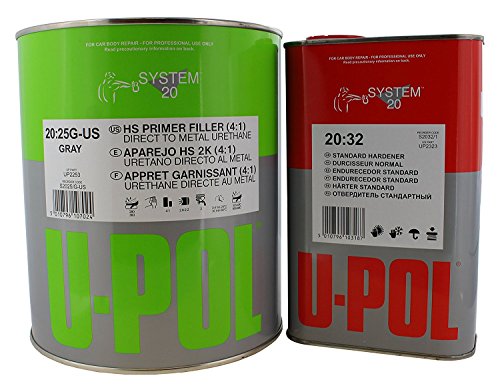
U-POL 1 Gallon High Solids High Build Urethane Primer Kit

Seymour 20-1674 PBE Professional Primer, Gray Filler

S SATC 6 x 9 Maroon General Purpose Scuff Pads, 10 Pack

Rust-Oleum 249321 Automotive Primer Sealer Spray, 12 oz, Gray

Custom Shop 1K High Build Primer Spray Paint, 12 Oz Grey
More Details On Our Top Picks
Mixed-substrate repairs are where this aerosol makes the most sense. Its bonding formula is specified for bumpers, trim, plastic, fiberglass, galvanized steel, and aluminum, so you can keep one can available for varied vehicle surfaces rather than matching a separate primer to every panel.
The flat white finish gives lighter topcoats a useful base, while touch-dry time of 30 minutes suits small garage jobs. You may find the 10 to 12 square foot coverage practical for spot work, though larger panels will require more planning and even overlap.
Strong Points
- Supports adhesion across several difficult automotive materials.
- The professional-grade formula both seals the surface and prepares it for color.
- Any-angle spraying helps reach awkward bumper edges and trim contours.
- A comfort tip can make repeated passes easier during a longer repair.
- Rust-resistant protection adds useful support for exposed metal areas.
Things To Consider
- Thirty-minute touch-dry timing isn’t the same as full readiness for every topcoat.
- Owners commonly find aerosol work benefits from careful shaking and nozzle cleaning between projects.
Key Specs
Who It Suits Best
Garage DIYers handling plastic, fiberglass, and metal repairs across several vehicle areas.
Consider Something Else When
U-POL 1 Gallon High Solids High Build Urethane Primer Kit suits professional-scale refinishing that needs a mixed coating rather than an aerosol.
Large bodywork projects call for a different format than Rust-Oleum’s universal aerosol. This U-POL kit uses a high-build urethane primer, meaning its thicker film is intended to fill and level surface irregularities before sanding and topcoating.
The 4-to-1 mixing ratio gives you a defined preparation process, but it also demands accurate measuring and suitable spray equipment. For a workshop handling several panels, the gallon format makes more sense than repeated small cans; for a single fender, the setup may feel excessive.
What We Like
- The high-solids formula is suited to building a substantial primer layer.
- One gallon of primer supports larger refinishing workloads.
- The included standard-temperature hardener is matched to the kit’s intended mix.
Trade Offs
- Two-component urethane requires mixing discipline instead of simple shake-and-spray use.
- Storage and cleanup are more involved than with the Seymour aerosol.
- The listed 4.2 VOC formulation isn’t intended for sale in California or Canada, so local rules deserve attention.
- Accurate ratio control matters, especially for first-time refinishing work.
Technical Sheet
Made For
Experienced refinishing professionals or advanced DIYers preparing multiple panels in a properly equipped workspace.
Not Your Match When
Seymour 20-1674 PBE Professional Primer, Gray Filler is a more manageable choice for quick scratch repairs and small metal or fiberglass areas.
Deep scratches on a metal or fiberglass panel need more than a thin color-hiding mist. Seymour’s gray filler primer is designed to form a thicker, sandable base, making it a sensible bridge between surface correction and final paint.
Its five-minute touch-dry time and ten-minute topcoat reference suit small repairs where you want to keep the work moving. You may appreciate the broad sprayhead on a door edge or body section, although a larger restoration still favors the volume and control of U-POL’s mixed kit.
Highlights
- Filler properties help soften the visual impact of deeper scratches.
- Fast drying reduces idle time during localized bodywork.
- A sandable surface gives you a route to a smoother transition.
- The large sprayhead can distribute primer across a wider repair zone.
Minor Gripes
- Its focus on metal and fiberglass doesn’t match Item 1’s broader plastic and aluminum coverage.
- Fast-drying aerosol residue can build around the nozzle, so careful cleanup supports consistent application.
Feature Snapshot
Right Fit For
DIY bodywork beginners and repair specialists working on scratches across metal or fiberglass.
Look Elsewhere When
Custom Shop 1K High Build Primer Spray Paint, 12 Oz Grey offers a broader material range for projects involving plastic, steel, aluminum, and fiberglass.
Primer adhesion starts with surface preparation, and these maroon hand pads handle that job without adding a power tool. Each pad measures 6 by 9 inches, giving you a workable grip for scuffing panels, trim, and restoration pieces before primer application.
The abrasive surface is intended for medium to heavy abrasion, so you can address oxidation, dirt, scratches, and thicker coatings by hand. Depending on the panel, you may find this approach gives you better control around curves than a rigid sanding block, but it won’t replace a filler primer for deep defects.
Upsides
- A ten-pack supports repeated prep sessions and section-by-section work.
- The flexible pad shape follows contours more naturally than flat abrasive sheets.
- Maroon abrasive material suits medium to heavy surface scuffing.
Room For Improvement
- Manual scuffing takes more physical effort across large vehicle panels.
- Abrasive debris needs to be removed before primer, adding a cleaning step.
- These pads prepare a surface, but they don’t fill gouges or level deep scratches.
Quick Facts
Who Will Love This
DIY restorers who need controlled hand preparation before applying an aerosol or mixed automotive primer.
A Better Fit Elsewhere
Rust-Oleum Automotive Universal Bonding Primer Spray, Flat White suits you better when the surface is already prepared and you need broad material compatibility.
For a straightforward base coat on a metal, wood, or fiberglass project, this gray sealer keeps the process uncomplicated. Its sealing action helps stop finish paint from sinking into the prepared surface, which can support a more even color coat on porous areas.
Touch-dry time is listed at ten minutes, and coverage reaches 10 to 12 square feet per can. In a busy garage, that combination suits small panels and trim pieces, though Item 1 offers a stronger case for difficult mixed-material automotive surfaces.
Best Bits
- Works across metal, wood, fiberglass, and related surfaces.
- The gray color provides a neutral base for many finish shades.
- Fast touch-dry timing supports short repair sessions.
- Sealing helps reduce uneven absorption into the primer layer.
- The corrosion-focused formula suits exposed metal preparation.
Points To Note
- The broad surface list doesn’t specifically match Item 1’s named bumper and plastic focus.
- Aerosol cans need clean storage and nozzle care to reduce clogging between uses.
At A Glance
Best Suited To
Casual garage projects involving small metal, wood, or fiberglass parts and a simple sealed base.
Another Choice May Suit
Seymour 20-1674 PBE Professional Primer, Gray Filler is more suitable for you when scratches need a thicker, sandable repair layer.
Custom Shop takes the middle ground between Seymour’s quick filler aerosol and U-POL’s large mixed kit. Its 1K, or one-component, high-build formula is designed to fill minor surface imperfections while remaining sandable, making it useful for a panel restoration without hardener mixing.
The flat-fan, high-atomization nozzle spreads a wider spray pattern, which may help you maintain even passes on a hood or door. Its stated substrate range includes steel, aluminum, fiberglass, SMC, urethane-painted surfaces, and plastic, so you get broad project flexibility in a 12-ounce can.
Bright Spots
- High-build material helps bridge minor imperfections before sanding.
- Direct-to-metal use reduces preparation complexity on suitable metal surfaces.
- The nozzle’s broad fan pattern can support smoother coverage on larger areas.
- Compatibility with rigid and flexible substrates suits varied restoration work.
Small Caveats
- A 12-ounce can is better suited to localized or single-panel work than a full restoration.
- High-build primer still needs careful sanding for a level finish.
- Cleaning around the spray tip after use supports more consistent storage between sessions.
Feature Rundown
Built With In Mind
DIY restorers who want sandable high-build coverage across metal, plastic, and fiberglass without mixing a two-component kit.
Where A Sibling Pick Shines
S SATC 6 x 9 Maroon General Purpose Scuff Pads, 10 Pack is the better fit for you when the main task is manual scuffing before primer.
How To Choose The Right Auto Paint Primers
Match The Formula To The Surface
Start with the substrate, the material receiving the primer. Plastic bumpers and flexible trim benefit from a formula specifically listed for those materials, while steel and aluminum require attention to adhesion and corrosion exposure. Rust-Oleum Automotive Universal Bonding Primer Spray, Flat White covers several named surfaces, making it practical for mixed repairs.
Choose Aerosol Or Mixed Coating
Aerosol primer keeps preparation compact and suits a bumper corner, motorcycle part, or small panel. A 1K formula has one ready-to-use coating component, while a two-component urethane combines primer with hardener for a larger, more involved application. U-POL’s gallon kit makes sense across multiple panels, but its 4-to-1 ratio requires accurate preparation and suitable equipment.
Consider Filling And Sanding Needs
Thin bonding primer helps color coats adhere, but it won’t level a deep scratch by itself. High-build primer deposits a thicker layer that can be sanded, giving you more material to correct minor surface variation. Seymour 20-1674 focuses on deep scratches in metal and fiberglass, while Custom Shop extends high-build use across plastic, SMC, urethane-painted surfaces, and metals.
Plan Around Coverage And Drying
Coverage figures help you estimate how much material a panel needs, while touch-dry timing helps organize your workday. Rust-Oleum’s two aerosol options cover 10 to 12 square feet per can, but their stated dry times differ. Scuffing, cleaning, priming, sanding, and topcoating each need room in your schedule, especially in a cool or poorly ventilated garage.
Things Worth Knowing First
Mistakes Worth Dodging
Choosing a filler primer for a surface that mainly needs adhesion can add unnecessary sanding. You also risk poor results by skipping scuffing and cleaning, especially on glossy trim or oxidized metal. Match the primer to the substrate, check the stated coverage, and keep the surface free of sanding residue before spraying.
What Separates Premium From Basic
Higher-tier coatings generally justify their position through build, substrate range, application control, or larger working volume. U-POL’s high-solids urethane kit suits multi-panel work, while Custom Shop adds a broad fan nozzle and sandable high-build coverage in an aerosol format. Spending more makes sense for repeated restoration work, but Seymour or Rust-Oleum can serve small repairs with less setup.
Final Verdict
You can match each choice to a distinct repair style: Rust-Oleum Universal handles mixed surfaces, U-POL supports larger refinishing jobs, Seymour addresses fast scratch filling, and Custom Shop provides sandable high-build coverage without mixing. S SATC pads belong in the preparation stage, while Rust-Oleum 249321 keeps simple sealing work manageable. Your substrate, panel size, equipment, and sanding needs should decide the formula, not the label alone. A careful surface match gives your color coat a far more dependable foundation.
