

Paint preparation often decides whether a refinishing job looks smooth or develops adhesion problems later. You need a cleaner that matches the contaminant, substrate, container size, and finish you plan to apply, whether you’re restoring a bumper in your garage or preparing panels for primer.
The five options below cover solvent degreasers, wax and tar removal, coating preparation, and vinyl refinishing. You can compare broad multi-surface formulas with more targeted choices before committing to a full panel project.
The Shortlist At A Glance
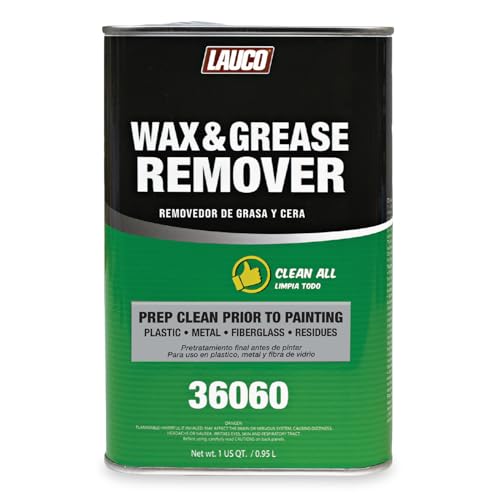
LAUCO Wax and Grease Remover Paint Prep Cleaner 36060 Quart

LAUCO Wax and Grease Remover Paint Prep Cleaner 33080 Gallon
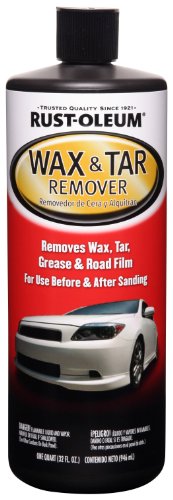
Rust-Oleum Automotive 251475 Wax and Tar Remover Quart

Adam’s Polishes Surface Prep 16oz

SEM 38343 Vinyl Prep 13.3 oz.
More Details On Our Top Picks
Garage refinishing usually involves more than one material, and that makes the LAUCO 36060 a practical starting point. Its solvent degreaser targets wax, grease, oil, silicone, and general surface contaminants across plastic, metal, fiberglass, and aluminum, so you can move from a metal panel to a fiberglass part without changing cleaners.
The fast-evaporating formula is designed to leave no oily film, a useful trait before primer, basecoat, or clear coat. You may find the quart format sensible for an occasional restoration because it provides working volume without the storage commitment of the gallon option. The honest trade-off is that solvent handling demands careful ventilation, compatible gloves, and a small hidden-area check on unfamiliar finishes.
Strong Points
- Multi-material compatibility supports work on panels, bumpers, fiberglass components, aluminum, and garage tools.
- Quick evaporation can keep the preparation stage moving across a larger panel.
- A residue-free finish helps you avoid carrying oily contamination into the primer layer.
- The quart size suits home garages with occasional bodywork and restoration tasks.
- Its contaminant-focused formula fits paint preparation rather than routine wash maintenance.
Things To Consider
- Solvent-based cleaners need orderly storage and good airflow during use.
- You may need a larger container for repeated shop work, making the 1-gallon LAUCO 33080 a more efficient format.
Key Specs
Who It Suits Best
Home garage users handling mixed-material auto body, fiberglass, or restoration work will get the clearest fit from this quart-size cleaner.
Consider Something Else When
Choose LAUCO Wax and Grease Remover Paint Prep Cleaner 33080 instead for frequent panel work or a shared shop shelf that needs gallon capacity.
Repeated refinishing changes the storage calculation, and the LAUCO 33080 answers that need with a 1-gallon container. The formula covers the same broad set of contaminants and substrates as the 36060, including wax, grease, oil, silicone, plastic, metal, fiberglass, and aluminum.
For a busy garage, the larger supply reduces the interruptions that come with small containers. Its fast evaporation and no-residue finish remain useful across automotive panels, bumpers, tools, fiberglass parts, and marine surfaces. Depending on your workload, the gallon may be excessive for one bumper project, and the larger container also deserves a stable, clearly managed storage location.
What We Like
- One-gallon capacity aligns with regular restoration, repair, and panel-preparation schedules.
- Broad substrate coverage reduces the need to keep separate cleaners for metal and fiberglass parts.
- Quick drying helps support a steady wipe-and-prep workflow in a working garage.
- No oily residue is specified, which is useful before primer or a color coat.
Trade Offs
- The larger format takes more storage space than the quart version.
- Occasional home users may have more material than a single project requires.
- Solvent-based storage and ventilation become more important as the container size increases.
At A Glance
Made For
Frequent DIY refinishing users, restoration hobbyists, and busy garage environments suit this high-volume container most closely.
Not Your Match When
Rust-Oleum Automotive 251475 Wax and Tar Remover Quart suits you better for smaller spot repairs centered on wax and tar removal.
Tar spots and old wax call for a more focused approach than a broad paint-prep solvent. Rust-Oleum Automotive 251475 comes in a 32-ounce quart format and is identified specifically as a wax and tar remover, which makes its role clear for localized bodywork and exterior cleanup.
That narrow purpose can be an advantage during a small repair because you aren’t reaching for a gallon container to address isolated buildup. You may find the quart easy to keep with exterior-care supplies, although the available source details don’t establish the same multi-substrate range or drying behavior listed for the LAUCO choices. Plan a careful wipe-down and follow the coating maker’s preparation directions before moving to paint.
Highlights
- Dedicated wax and tar focus fits sticky exterior contamination.
- 32-ounce quart capacity provides useful volume for spot work and occasional projects.
- Automotive positioning makes the intended use easy to understand.
Room For Improvement
- The supplied details don’t specify compatibility with plastic, fiberglass, aluminum, or other individual substrates.
- Drying time and residue behavior aren’t identified in the available product information, so careful surface inspection remains part of ownership.
Technical Sheet
Right Fit For
You’ll find the strongest match here for occasional exterior repairs where wax or tar is the main contamination concern.
Look Elsewhere When
LAUCO Wax and Grease Remover Paint Prep Cleaner 36060 is a better fit for you when one project includes plastic, metal, fiberglass, and aluminum parts.
Detailing projects need a different kind of preparation from heavy bodywork. Adam’s Polishes Surface Prep is a spray cleanser intended for the stage after washing, clay-bar treatment, or orbital polishing, before wax, sealant, or ceramic coating application.
Its lubricating formula helps a towel glide across the surface, while the high IPA concentration, meaning a high proportion of isopropyl alcohol, supports quick evaporation and removal of polishing residue. The formula is described for paint, plastic, glass, and chrome, which gives you more flexibility around a finished vehicle. Depending on your panel size, the 16-ounce bottle may feel better suited to detailing sessions than full restoration work, and it won’t replace a specialty vinyl prep for flexible interior coatings.
Upsides
- Spray format supports controlled application across finished vehicle surfaces.
- Lubrication gives towels a smoother path during the wipe-off stage.
- Fast evaporation helps you prepare a panel without leaving the surface wet for long.
- Paint, plastic, glass, and chrome coverage suits exterior detailing and coating preparation.
- The 16-ounce size is convenient for keeping in a detailing cabinet or mobile kit.
Points To Note
- The 16-ounce format offers less volume than either LAUCO container for large body panels.
- Its detailing and protection focus may be less suitable for heavy grease or industrial contamination.
Feature Snapshot
Best Suited To
Detailing enthusiasts preparing clean paint for wax, spray sealant, or ceramic coating will appreciate this spray format and surface range.
A Better Fit Elsewhere
SEM 38343 Vinyl Prep 13.3 oz. fits you more closely for vinyl refinishing and flexible coating work.
Vinyl presents a different preparation challenge because the substrate is flexible and needs a coating that can move with it. SEM 38343 uses a strong solvent blend to clean soil, wax, and grease while softening the vinyl surface before a topcoat.
That surface-specific action makes it more appropriate for seats, trim, panels, and other vinyl refinishing tasks than the general-purpose LAUCO cleaners. You may find the 13.3-ounce container easy to manage for targeted repairs, though its narrow material focus limits usefulness for metal or fiberglass bodywork. SEM also positions it for use with flexible coatings, giving you a clear path from cleaning to refinishing.
Best Bits
- Designed specifically for vinyl substrates rather than broad automotive cleaning.
- Removes soil, wax, and grease before a flexible topcoat.
- Surface-softening action supports coating contact on vinyl.
- The 13.3-ounce size suits targeted interior or trim restoration.
Small Caveats
- Vinyl specialization limits its role on metal, fiberglass, and aluminum panels.
- Strong solvent handling calls for suitable airflow and organized storage.
- You may need a separate cleaner for a project that combines vinyl with broad bodywork.
Quick Facts
Whose Shelf It Belongs On
Vinyl interior restorers and DIY users applying flexible coatings to trim or upholstery have the clearest reason to choose this item.
Swap It Out When
Adam’s Polishes Surface Prep 16oz suits you better for paint, glass, chrome, and plastic after polishing or washing.
How To Choose The Right Auto Paint Prep Cleaners
Match The Formula To The Contamination
Wax, grease, oil, silicone, tar, polishing residue, and ordinary soil don’t always call for the same cleaner. A solvent degreaser such as the LAUCO 36060 or 33080 makes sense for broad contamination before primer or paint, while Rust-Oleum Automotive 251475 focuses on wax and tar. Adam’s Polishes Surface Prep is positioned later in the detailing sequence, after washing, clay-bar work, or machine polishing.
The contaminant also affects how much wiping you need. A cleaner that evaporates quickly can keep a panel moving toward coating, but a focused tar remover may make more sense for isolated sticky spots. Match the chemistry to the residue rather than choosing by container size alone.
Check The Substrate Before You Wipe
A substrate is the base material receiving the coating. Metal, plastic, fiberglass, aluminum, vinyl, glass, and chrome can react differently to solvents, so a broad label doesn’t remove the need for care. LAUCO lists plastic, metal, fiberglass, and aluminum, Adam’s lists paint, plastic, glass, and chrome, and SEM centers on vinyl.
Start with a small concealed area on an unfamiliar surface, then use clean towels so removed contamination doesn’t return to the panel. Vinyl work deserves particular attention because SEM 38343 softens the surface as part of preparation, while a general paint-prep degreaser may not provide that same function.
Size The Container Around Your Workload
A quart gives you practical volume for a home garage, a bumper, or a limited restoration job. The LAUCO 33080 gallon format becomes more logical across repeated panels, multiple vehicles, or a shared refinishing workspace. Adam’s 16-ounce spray and SEM’s 13.3-ounce container are easier to store for detailing or focused interior work.
Storage matters beyond convenience. Solvent cleaners need a stable, organized location, and a larger container takes more room. Smaller sprays also help you control application on trim, glass, or individual panels without bringing out a large container.
Consider The Next Coating Step
Preparation should lead directly into the finish you plan to apply. Paint and clear coat benefit from a clean surface without oily residue, while wax, sealant, and ceramic coating preparation often follows polishing and needs residue removal with controlled towel movement. Flexible vinyl coatings need a cleaner designed for the material and coating system.
You’ll get a better fit by choosing the cleaner around the complete workflow, not just the first wipe. A broad LAUCO formula covers mixed-material bodywork, Adam’s supports detailing protection, Rust-Oleum handles wax and tar, and SEM addresses vinyl refinishing.
Things Worth Knowing First
Mistakes Worth Dodging
Choosing a large container for a one-panel repair can create unnecessary storage work, while choosing a small detailing spray for heavy body contamination may slow the process. Start with the material and residue, then select the volume that matches your schedule.
Skipping a hidden-area check is another avoidable mistake, especially across plastic, vinyl, painted trim, and fiberglass. Use fresh towels, keep the work area ventilated, and inspect the surface for remaining film before applying primer or protection.
What Separates Premium From Basic
Higher-tier surface cleaners often add a more specialized workflow, such as Adam’s lubricating spray action for towel movement or SEM’s vinyl-softening preparation. Those attributes matter when your finish depends on controlled residue removal or flexible-coating adhesion.
A broad solvent cleaner can still be the sensible choice for regular bodywork. Spending more makes sense when the formula matches a specific coating system, substrate, or detailing stage that a general degreaser doesn’t address.
Final Verdict
You can cover most garage refinishing needs with LAUCO Wax and Grease Remover Paint Prep Cleaner 36060, while the 33080 gallon suits repeated work. Rust-Oleum Automotive 251475 keeps wax and tar cleanup focused, Adam’s Polishes Surface Prep fits detailing protection, and SEM 38343 serves vinyl restoration. Choose by substrate, contamination, coating stage, and container size rather than by label alone. That approach gives you a cleaner workflow and fewer mismatched steps before the finish goes on.
