

Mineral rings, road film, haze, and wiper marks can make an otherwise clean vehicle look neglected, especially after hard-water washing or a long commute. You need the right type of cleaner for the residue in front of you, because a daily-use microfiber tool won’t address the same problem as a glass polishing compound. This shortlist covers chemical spot removers, a reusable sponge, a pre-wash aerosol, and cerium oxide powder for more involved glass correction. You can match each option to your glass surface, cleaning routine, and comfort with hands-on detailing.
The Shortlist At A Glance

Meguiar’s Ultimate Iron Remover 24 Oz

CRL “Sparkle” Cleaner and Stain Remover 8 oz Bottle

E-Cloth Car Windshield Haze Eraser Sponge 1 Pack

Gtechniq W9 Water Spot Remover for Cars 17 fl oz

Chemical Guys Bug, Sap & Tar Remover 15 oz
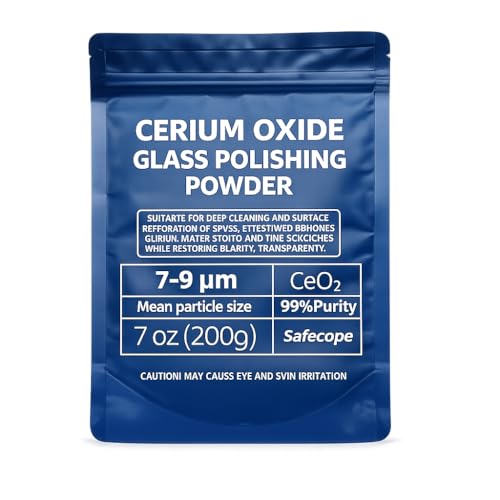
SafeCope Cerium Oxide Glass Polishing Powder 7oz 200g
More Details On Your Top Picks
Brake dust and industrial fallout create a different cleaning challenge from ordinary mineral rings. Meguiar’s 24-ounce iron remover targets embedded iron particles, making it a sensible preparation step for an exterior detail where contaminated paint or glass needs attention before polishing.
The non-abrasive formula suits garage detailing because you can address contamination without adding a scratch-producing abrasive step. You may find the fit less direct for a quick windshield-only cleanup, since the item is framed around exterior care and broader vehicle preparation rather than a reusable daily glass tool.
Strong Points
- Targets iron-based particles that ordinary glass cleaners can leave behind.
- Non-abrasive cleaning supports a smoother preparation stage before compounding or polishing.
- The 24-ounce size gives you a useful amount for repeated exterior detailing sessions.
- It can help you address contamination across more than just the windshield.
Things To Consider
- Its iron-removal focus may be more product than you need for light water spots alone.
- Exterior decontamination typically calls for careful rinsing and controlled application rather than casual interior use.
Key Specs
Who It Suits Best
You get the strongest fit as a DIY detailer preparing an entire exterior, especially after frequent highway driving or heavy brake-dust exposure.
Consider Something Else When
Choose Gtechniq W9 Water Spot Remover for Cars for a glass-and-paint routine centered specifically on mineral and silica spotting.
Light water stains and soap residue call for a narrower solution than the iron-focused Meguiar’s formula. CRL “Sparkle” comes in an 8-ounce bottle and is positioned for glass cleaning, including vehicle windows and shower doors, so you can keep one compact stain remover for several glass surfaces.
That versatility works well in a household garage where the same mineral film appears on the car and bathroom glass. In our view, the smaller container favors occasional spot treatment rather than large-scale detailing, and heavier etching may require a more specialized approach.
What We Like
- Designed for light glass staining rather than broad exterior decontamination.
- An 8-ounce bottle takes up little shelf space in a small cleaning cabinet.
- Its shower-door and auto-glass applications give you useful household flexibility.
Worth Noting
- The smaller volume may run short during repeated whole-vehicle cleaning.
- Light-stain positioning makes it less suitable for deeply etched or layered mineral deposits.
- You should plan for careful surface wiping and storage after use, as with concentrated glass cleaners.
At A Glance
Made For
You get the best match as a home detailer handling light spotting on a vehicle and shower glass with one small bottle.
Not Your Match When
Reach for SafeCope Cerium Oxide Glass Polishing Powder when fine scratches, wiper marks, or stubborn haze need a correction-oriented process.
Daily windshield haze needs a quick tool, not always a chemical spot remover. The E-Cloth sponge uses a two-sided microfiber design, with a waffle-weave side intended to absorb moisture and a cleaning side for glass and mirrors.
Water-only use makes the one-pack sponge convenient for a commuter’s glove compartment or a car kept in a damp climate. You may find it handles fresh haze and light residue more comfortably than fixed mineral rings, while the reusable construction reduces your dependence on paper towels and spray bottles.
Highlights
- Two-sided construction gives you a moisture-absorbing face and a cleaning face.
- Water-only operation keeps routine windshield care straightforward.
- Reusable microfiber suits repeated mirror and window maintenance.
- The compact one-pack format stores easily inside a vehicle.
- It avoids adding spray residue during quick interior glass touch-ups.
Trade Offs
- A sponge designed for haze may not address etched mineral spots or scratches.
- Microfiber care matters, so you should rinse and dry it properly between uses.
Feature Snapshot
Right Fit For
You benefit most as a commuter or everyday driver who needs recurring interior windshield haze control without carrying a spray cleaner.
Look Elsewhere When
CRL “Sparkle” Cleaner and Stain Remover suits you better for light mineral stains that remain after ordinary wiping.
Silica scale is a mineral residue that can leave stubborn, chalky spotting after water dries on a vehicle. Gtechniq W9 is built around that tougher problem, with a 17-fluid-ounce formula listed for bodywork, glass, all paint types, matte finishes, and vinyl.
That broad surface range gives you flexibility during a full exterior wash, especially after hard-water exposure. Compared with CRL “Sparkle,” W9 offers a more vehicle-focused role and a larger container, although a concentrated spot remover still calls for measured application, rinsing, and sensible surface care.
Upsides
- Targets hard-water minerals and silica scale rather than only loose surface dust.
- Compatibility with glass, paint, matte finishes, and vinyl supports mixed-material exterior care.
- The 17-fluid-ounce size suits recurring vehicle maintenance better than CRL’s 8-ounce bottle.
- You can address body panels and windows within the same detailing session.
Minor Gripes
- Its broader vehicle-care design may be unnecessary for occasional interior haze.
- Mineral removers generally work best with controlled dwell time, thorough wiping, and proper rinsing.
- Deeply etched spots may still call for mechanical glass correction.
Technical Sheet
Best Suited To
You get the clearest fit as a vehicle owner in a hard-water area who maintains paint, glass, matte trim, and vinyl together.
A Better Fit Elsewhere
Meguiar’s Ultimate Iron Remover 24 Oz makes more sense for you when brake dust and iron fallout are the main contamination rather than mineral spotting.
Front bumpers, mirror caps, grilles, and lower panels collect sticky road residue that a water-spot cleaner isn’t designed to dissolve. Chemical Guys uses a 15-ounce aerosol format to target bug splatter, tree sap, and tar before your normal wash.
The controlled spray pattern helps you reach emblems and tight grille areas without soaking the entire vehicle. For long-haul trips or frequent highway commutes, that pre-wash step can reduce the need for aggressive mitt pressure, though the aerosol format requires more storage care than a simple trigger bottle.
Bright Spots
- Handles three common road residues in one pre-wash step.
- Targeted aerosol delivery suits grilles, badges, mirror caps, and bumper corners.
- Listed exterior applications include clear coat, glass, chrome, and plastic trim.
- Pre-soaking can make routine washing less dependent on forceful scrubbing.
Points To Note
- Its residue focus differs from mineral water spots, so it isn’t a direct substitute for Gtechniq W9.
- Aerosol storage takes more planning than the E-Cloth sponge or a compact liquid bottle.
- Use on delicate trim and painted surfaces according to the product directions.
Feature Rundown
Who Will Love This
You get the strongest match as a commuter or road-trip detailer dealing with bonded bugs, sap, and tar on multiple exterior materials.
Swap It Out When
Gtechniq W9 Water Spot Remover for Cars suits you more when dried mineral rings and silica spotting are the primary issue.
Some glass marks sit beyond the reach of a liquid cleaner. SafeCope uses cerium oxide, a glass-polishing mineral compound, in a 7-ounce, 200-gram powder with a stated 99% concentration and 7 to 9 micrometer particle size.
You mix the powder with water before use, making this a more hands-on process than E-Cloth’s ready-to-use sponge or CRL’s stain remover. The formula is intended for automotive windshields, windows, mirrors, shower doors, and other glass, so experienced detailers gain a broader correction tool, while beginners need patience and careful surface control.
Reasons To Buy
- Addresses water spots, oil films, wiper marks, haze, and fine scratches on glass.
- The 200-gram quantity supports repeated polishing projects rather than one short cleanup.
- Water mixing lets you prepare the working consistency for the task at hand.
- Glass-only use keeps the intended application clear across automotive and household surfaces.
- It offers a correction route for marks that chemical cleaners may leave behind.
Areas To Watch
- Powder preparation and polishing require more time, tools, and technique than a spray cleaner.
- It isn’t intended for plastic, acrylic, or painted surfaces.
- Glass polishing creates cleanup work, so protect nearby trim and store the powder dry.
Core Details
Whose Shelf It Belongs On
You get the right fit as an experienced DIY detailer handling scratches, wiper marks, or persistent glass haze across automotive and household glass.
Reach For A Different Pick When
E-Cloth Car Windshield Haze Eraser Sponge suits you better for quick, recurring windshield moisture and light interior haze.
How To Choose The Right Auto Glass Water Spot Removers
Match the Formula to the Mark
Start by identifying the residue rather than choosing a cleaner by label alone. Mineral and silica deposits respond to a water-spot formula such as Gtechniq W9 or CRL “Sparkle,” while iron particles from brake dust call for Meguiar’s iron-removal chemistry. Sticky bugs, sap, and tar belong to a pre-wash product such as the Chemical Guys aerosol.
A windshield with fine scratches or wiper trails needs a different level of correction. Cerium oxide powder works as a polishing compound, meaning fine abrasive particles are worked against glass to improve surface clarity. That process takes more preparation than wiping with a liquid.
Consider Glass Location
Interior haze often comes from moisture, fingerprints, and film on the cabin side of the windshield. E-Cloth’s dual-sided sponge fits that daily task because you can absorb moisture and wipe the glass with one reusable tool. A chemical remover makes more sense for exterior mineral deposits that remain after ordinary washing.
Exterior glass also shares space with paint, vinyl, chrome, and plastic trim. Gtechniq W9 lists several of those materials, while SafeCope is intended for glass only, so surface compatibility should guide your choice around seals and trim.
Weigh Effort Against Frequency
A reusable sponge has the lowest setup burden for frequent upkeep, especially for commuters who clean glass several times per week. Liquid removers sit in the middle, since you need application, wiping, and rinsing but no powder mixing. A polishing powder demands the most time and control, making it better suited to a planned detailing session.
Storage matters too. An 8-ounce bottle fits a compact cabinet, a 17-fluid-ounce bottle supports broader vehicle care, and a 15-ounce aerosol needs a stable storage spot away from careless handling. Your available workspace can be just as relevant as the cleaning chemistry.
Check the Trade-Offs Beforehand
A stronger formula doesn’t automatically fit every mark. Iron remover won’t replace glass polish, and bug-and-tar remover won’t be the logical first step for chalky mineral rings. For most vehicle care routines, a targeted cleaner paired with a clean microfiber towel gives you better control than using one aggressive method for every surface.
Choose the least involved option that matches the problem, then move toward polishing only for marks that remain after proper cleaning. That approach protects your time, limits unnecessary product use, and keeps the process manageable in a home driveway.
Things Worth Knowing First
Mistakes Worth Dodging
Choosing a remover without checking the surface can create unnecessary cleanup. SafeCope’s powder is intended for glass, while Chemical Guys lists clear coat, glass, chrome, and plastic trim, so you need to separate glass correction from broader exterior residue care.
Another common mistake is treating haze, mineral spots, and sticky road film as the same problem. E-Cloth handles recurring moisture and light film, Gtechniq W9 targets mineral and silica residue, and Chemical Guys focuses on organic road buildup.
Where The Extra Money Goes
Higher-tier options often add a more specialized chemical target, broader listed surface compatibility, or a correction process rather than a simple wipe. Gtechniq W9 earns its place for mixed-material hard-water care, while SafeCope adds a glass-polishing route for fine marks and persistent haze.
That upgrade makes sense for a maintained vehicle with recurring mineral exposure or visible glass defects. Occasional light spotting doesn’t require the extra preparation of powder polishing, so CRL “Sparkle” or the E-Cloth sponge may suit your routine more comfortably.
The Takeaway
You can narrow this list quickly by matching the residue to the tool: E-Cloth for daily haze, CRL for light glass staining, Gtechniq for mineral and silica spots, and SafeCope for hands-on glass correction. Meguiar’s addresses iron contamination during broader detailing prep, while Chemical Guys handles bugs, sap, and tar before washing. Your choice depends on the mark, the surface, and the amount of time you want to spend. Start with the least involved option that genuinely matches your glass-care problem.
