

Auto exhaust systems shape how a vehicle breathes, sounds, and fits the intended use case. The right setup matters most for commuters chasing a quieter replacement, truck owners managing cab-specific fitment, and enthusiasts after a more deliberate tone.
This roundup focuses on fitment clarity, material choice, exit style, and practical ownership trade-offs. The differences can be subtle on paper, then obvious once installation day arrives.
Quick Look At The Shortlist
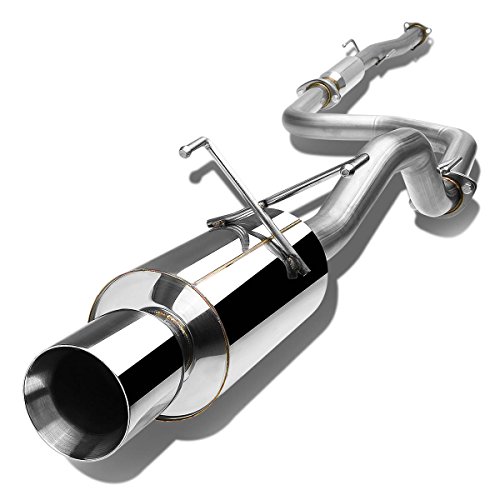
DNA MOTORING CBE-HC922-NRT Stainless Steel Cat Back Exhaust System

DNA MOTORING CBE-CS09-4853L-4DR Stainless Steel Cat Back Exhaust System

MBRP S5326AL 2.5″ Cat Back, Single Side Exhaust System

Rear Exhaust Muffler Compatible With 2006-2011 Honda Civic 1.3L/1.8L

Muffler Exhaust Pipe System Replacement For GM 1999-2006 Silverado 5.3 Only

BORLA 140038 Cat-Back Perf. Exhaust System

MBRP S5148P Exhaust System
More Details On Our Top Picks
Older Civic coupes and sedans often need a replacement that stays clear about fitment, and this DNA MOTORING cat-back keeps the focus there. The T-304 stainless-steel construction matters because it tends to suit daily use in wet climates better than bare-steel replacements, though the trade-off is a more budget-minded brand position than premium show pieces.
For a commuter Civic that needs a cleaner exhaust path and a less restrictive layout, the appeal is straightforward. The honest read is that this is more about sensible restoration than chasing flashy hardware, which makes it a solid fit for straightforward garage work.
Strong Points
- Directly aimed at 1992 to 2000 Civic coupe and sedan fitment.
- Stainless construction suits long-term street use better than coated mild steel.
- Cat-back layout keeps the replacement scope clear for easier planning.
- Good match for aging cars that need a cleaner exhaust refresh.
Things To Consider
- Fitment is narrow, so the vehicle match needs a careful check.
- Sound character is described as aggressive, which may feel too assertive for quiet-street use.
Truck owners usually care about two things here, fitment and durability, and this Silverado and Sierra option is built around both. Stainless tubing is a practical choice for a work truck that sees weather, road grit, and repeated hauling, though the same focused fitment means it belongs on the specified cab and bed configurations only.
Compared with the Civic-focused DNA MOTORING system, this one makes more sense for heavier use and a larger chassis. The balance is simple, a replacement-style cat-back that aims to clean up flow without asking for a custom-fabrication project.
What We Like
- Designed for Silverado 1500 and Sierra 1500 Crew or Extended Cab short bed setups.
- Stainless steel construction fits long service life expectations.
- Cat-back format keeps the install scope organized for truck maintenance.
- Works well for owners replacing worn factory exhaust parts.
Points To Note
- Cab and bed matching needs attention before ordering.
- Owners of standard cabs or different bed lengths need a different route.
Feature Card
Who It Suits Best
Silverado and Sierra owners with the listed short-bed crew or extended cab layouts will get the cleanest fit match.
Another Choice May Suit
DNA MOTORING CBE-HC922-NRT Stainless Steel Cat Back Exhaust System fits compact Civic projects more naturally.
MBRP takes a more familiar path here, with a 2.5-inch cat-back layout and a single-side exit that fits plenty of daily-driven trucks and SUVs. A straight-through muffler is a type designed to reduce internal restriction, so the trade-off is usually a more direct tone rather than a subdued factory hush.
That makes this one a neat middle ground compared with the more vehicle-specific DNA MOTORING picks. For owners who want a simple shape, sensible size, and an aluminized-steel build, the setup feels practical without being plain.
Upsides
- 2.5-inch tubing supports a common replacement size for many setups.
- Single-side exit keeps routing straightforward and familiar.
- Aluminized steel gives a workable balance of cost and durability.
- Straight-through muffler suits drivers who want a freer-feeling exhaust path.
Room For Improvement
- Aluminized steel usually asks for more rust awareness than stainless.
- Single-side exit may not suit every vehicle style preference.
- The tone profile may feel lively for quiet suburban use.
Core Details
Built With In Mind
Shoppers after a simple, proven layout for a truck or similar platform will find the format easy to live with.
Swap It Out When
BORLA 140038 Cat-Back Perf. Exhaust System suits Corvette owners who want a more focused performance-oriented design.
This rear muffler keeps the focus squarely on replacement work for the 2006 to 2011 Civic with 1.3L or 1.8L engines. Steel construction and the included gasket point toward a straightforward repair job, which suits a car that needs to get back on the road without extra fabrication.
Compared with the full cat-back systems above, the scope is narrower and easier to understand. That narrower scope is useful for shop work in a daily Civic, though the trade-off is less room for sound or flow customization.
Highlights
- Targets a specific Civic generation and engine pairing.
- Includes the muffler and gasket for a cleaner repair path.
- Heavy-duty steel construction suits routine replacement duty.
- Good fit for owners restoring a worn rear exhaust section.
Areas To Watch
- Only the listed Civic fit range belongs here.
- Replacement muffler scope means less tuning flexibility than a full system.
- Installation still benefits from careful alignment and hardware checks.
Feature Rundown
Right Fit For
Civic owners looking for a direct rear muffler replacement will appreciate the narrower, repair-first approach.
Where A Sibling Pick Shines
MBRP S5326AL 2.5″ Cat Back, Single Side Exhaust System works better for shoppers wanting a broader exhaust replacement.
Fitment precision drives this GM replacement, and that matters in full-size trucks where wheelbase and drivetrain details change the result. The listing is narrow enough to reduce guesswork, which is useful for Silverado and Sierra owners who want a replacement-style exhaust path rather than a custom setup.
Compared with the Civic muffler above, this one serves a heavier platform with more exact measurement sensitivity. The trade-off is obvious, though: the more specific the application, the more carefully the vehicle details need to line up before installation day.
Best Bits
- Built for GM trucks with the listed 143.5-inch wheelbase.
- Fitment focus helps narrow the search for the correct replacement.
- Replacement style suits owners restoring factory-like exhaust routing.
- Useful for high-mileage trucks needing a dependable refresh.
Small Caveats
- Wheelbase confirmation is essential before ordering.
- The application is specific enough that broad-fit shoppers should look elsewhere.
- Installation can be more involved on older, road-worn trucks.
At A Glance
Who Should Grab It
GM truck owners who need a tightly defined replacement path will get the most value from this fitment-specific format.
Look Elsewhere When
BORLA 140038 Cat-Back Perf. Exhaust System suits Corvette-specific performance projects much better.
Borla’s Corvette system sits in a different class from the replacement-focused picks above. T-304 stainless steel is a high-grade austenitic stainless used for corrosion resistance, and the dual center rear exit with polished dual 4-inch tips gives the C5 and Z06 a much more deliberate finish.
The trade-off is simple, it’s built for a very specific enthusiast use case rather than broad compatibility. For Corvette owners who want a more tailored sound and appearance package, the design language feels coherent from the rear valance outward.
Positives
- Tailored for 1997 to 2004 Corvette C5 and Z06 applications.
- T-304 stainless construction suits long-term corrosion resistance goals.
- Dual center rear exit creates a distinct rear appearance.
- Polished dual 4-inch tips add a finished, purposeful look.
- Cat-back format keeps the upgrade focused on the exhaust section.
Honest Caveats
- Fitment is narrow and strictly Corvette-specific.
- Performance-oriented design may be more than a casual commuter needs.
Feature Snapshot
Whose Shelf It Belongs On
Corvette owners chasing a cleaner performance-oriented exhaust package will find the fitment and finish highly relevant.
Reach For A Different Pick When
MBRP S5148P Exhaust System suits broader truck use where a less specialized fit makes more sense.
MBRP’s S5148P looks like a straightforward 3-inch cat-back for trucks that need a dependable replacement path without a complicated spec story. The simplified naming in the listing does leave less detail on the table, so fitment verification becomes the practical center of the decision.
Compared with the S5326AL, this one reads as a broader, cleaner starting point for shoppers who already know the platform match. That makes it feel like the quiet workhorse of the group, plain in the right way.
Reasons To Buy
- 3-inch cat-back layout suits a common truck-performance size.
- Simple product identity makes it easy to match to the right project.
- Works well as a replacement-style upgrade for routine use.
- Fits neatly into a truck-focused exhaust shortlist.
Softer Spots
- Listing details are thin, so fitment research matters.
- Shoppers seeking highly specific hardware facts may want more documentation.
Feature Card
The Right Fit
Truck owners who already know they want a 3-inch cat-back format will appreciate the direct approach.
Where Shoppers Go Wrong
Skipping fitment confirmation is the easiest mistake in this category, especially on vehicle-specific exhaust parts. Premium systems, such as BORLA 140038 Cat-Back Perf. Exhaust System, command more because of tighter material and finish choices.
What Matters Most Before Choosing Auto Exhaust Systems
Fitment Comes First
Vehicle, wheelbase, cab style, engine size, and exit layout all matter before sound does. A close-looking exhaust can still be the wrong part once the chassis details get involved.
Material Changes The Long View
Stainless steel usually asks for more up front, while aluminized steel can make sense for a shorter ownership horizon. In salted climates or on trucks that see regular weather, that difference shows up in maintenance expectations.
Tone And Flow Need A Match
Straight-through mufflers and larger tubing often lean toward freer exhaust movement and a more noticeable note. Quiet daily transport, however, usually benefits from a milder layout that doesn’t dominate the cabin.
Key Trade-Offs Across This Category
Common Shopping Slip Ups
Fitment mismatch causes most trouble here, especially on trucks with different bed lengths or cab styles. Confirm the exact vehicle path before comparing finishes or outlet styles.
What The Higher Tier Buys
Better material grades, more precise platform targeting, and cleaner finish details usually explain the jump in cost. That extra spend makes the most sense for long-term ownership, harder use, or enthusiast cars where feel and appearance matter.
Frequently Asked Questions
What does cat-back mean?
A cat-back exhaust replaces the section from the catalytic converter rearward. That scope matters because it keeps the project focused and easier to plan.
Why choose stainless steel over aluminized steel?
Stainless steel usually stands up better to weather and road exposure. Aluminized steel can still be sensible for a shorter ownership cycle or a tighter budget.
Does tubing diameter change the result?
Tubing size affects fitment planning and the character of the system. Larger diameters often suit different goals than smaller, more restrained setups.
Why do some systems need exact wheelbase or cab checks?
Truck platforms vary a lot, even within the same model family. Wheelbase and cab configuration can determine whether a system fits cleanly or misses the mounting points.
Is a louder tone always better for performance use?
A louder tone does not automatically mean a better match for the vehicle. Many enthusiasts prefer a balanced note that stays usable on longer drives.
