

Bare aluminum can resist ordinary paint adhesion, leaving you with peeling, uneven coverage, or extra surface preparation. The right Aluminum Self-Etching Primers help create a stronger foundation for refinishing truck parts, panels, fixtures, trim, and other metal surfaces. You’ll find aerosol formulas for quick repairs, a larger multi-can option for repeated projects, and a quart for broad interior or exterior coverage. The key differences involve etching chemistry, spray control, drying time, coverage, and the type of metal you need to coat.
The Shortlist at a Glance

LAUCO Self Etching Primer Grey Aerosol Spray Can Pack of 6

Raptor Acid Etch Primer 1K Aerosol 13.2 OZ

Rust-Oleum Professional Aluminum Primer Spray Paint 15 Oz
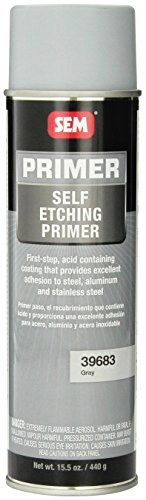
SEM 39683 Grey Self Etching Primer 15.5 oz.

Rust-Oleum 8781502 Stops Rust Flat Aluminum Primer Quart
More Details On Your Top Picks
A six-can format makes LAUCO a practical match for larger prep jobs, especially truck-bed-liner projects where one small aerosol can may leave you stopping midway. Its gray self-etching formula combines the surface bite of an etchant, a chemical coating that helps primer grip bare metal, with primer coverage in one application stage.
Galvanized steel and aluminum are named use surfaces, so this option suits mixed-metal repairs in a garage or workshop. You may find the aerosol format easier for edges, corners, and irregular panels than a brush-applied quart, though the spray cans require organized storage and careful nozzle cleaning between sessions.
Strong Points
- The six-can pack supports multi-panel work without relying on a single container.
- Self-etching action helps create a bonding surface on aluminum and galvanized steel.
- The gray color gives you a useful base beneath a later coating.
- Fast drying can shorten the wait between coats during a staged garage project.
- The formula includes corrosion protection for metal exposed to demanding conditions.
Things To Consider
- A six-pack takes more shelf space than the single-can choices, and aerosol storage needs a cool, organized area.
- Spray preparation still depends on clean, dry, properly abraded metal, so the one-step chemistry doesn’t remove surface-cleaning work.
Key Specs
Who It Suits Best
Choose this format for DIYers and repair professionals preparing several bare-metal areas for truck bed liner or industrial coatings.
Where Another Pick Suits Better
Rust-Oleum 8781502 Stops Rust Flat Aluminum Primer Quart suits wide, open surfaces better when you prefer a larger water-based coating format.
Automotive panels with exposed metal, sand-throughs, and small repair zones call for controlled application, and the Raptor 1K aerosol is shaped around that job. Its phosphoric-acid-ester chemistry helps etch and prime in one stage, while the flat-fan, high-atomization nozzle is designed to spread material across a broad, even pattern.
That spray control gives it a more targeted role than LAUCO’s six-can format. In most garage repairs, you may appreciate the ability to topcoat with many paint systems without sanding the primer, but compatibility should still be confirmed against your chosen finish and surface preparation instructions.
What We Like
- The one-component aerosol keeps small automotive repairs straightforward.
- The fan nozzle can help cover panels more evenly than a narrow spray pattern.
- Aluminum and galvanized steel are included among the intended difficult substrates.
- The coating creates a corrosion-resistant barrier for steel areas beneath later paint.
Trade Offs
- A 13.2-ounce can is better suited to localized work than a long series of large panels.
- Owners commonly need to protect the nozzle from buildup and follow careful shake, distance, and ventilation practices for consistent application.
- The no-sanding claim simplifies the process, but uneven spray or contamination can still require surface correction.
Feature Snapshot
Made For
This aerosol fits experienced DIYers and automotive repair professionals handling bare panels, rub-throughs, and compact refinishing areas.
Consider Something Else When
LAUCO Self Etching Primer Grey Aerosol Spray Can Pack of 6 makes more sense for repeated truck-liner preparation across several metal areas.
Rust-Oleum’s professional aluminum primer takes a direct route: an oil-based spray intended for bare aluminum, with a tough base coat suited to indoor or outdoor projects. A high-output tip that works at any angle can help you reach the underside of brackets, rail components, and awkwardly positioned equipment.
The stated coverage reaches up to 14 square feet, making the 15-ounce can more appropriate for a defined project than broad structural work. Touch-dry timing of 15 minutes is useful during a busy workshop session, although the surface still needs the proper preparation and topcoat handling recommended for oil-based coatings.
Highlights
- Designed specifically around bare aluminum adhesion.
- Up-to-14-square-foot coverage gives you a useful planning reference for one can.
- The 15-minute touch-dry time can keep small projects moving.
- Any-angle spraying helps with undersides and irregular metal shapes.
- The oil-based formula is intended to retain corrosion-resistant color through weather exposure.
Room For Improvement
- The 14-square-foot coverage ceiling limits its efficiency on large surfaces compared with the quart format.
- Oil-based residue usually calls for more deliberate cleanup and storage than a water-based acrylic coating.
Quick Facts
Right Fit For
Home mechanics and maintenance teams preparing modest aluminum components for a weather-exposed finish will get the clearest fit.
Not Your Match When
Rust-Oleum 8781502 Stops Rust Flat Aluminum Primer Quart better suits you for broad surfaces and water-based application preferences.
SEM 39683 keeps its brief narrow and clear: a gray self-etching primer for bare substrates. That focused description makes it a sensible choice for automotive repair benches where you need a first coating that encourages adhesion without the larger project commitment of LAUCO’s six-can pack.
The 15.5-ounce container gives you more material than the Raptor 13.2-ounce aerosol, though the supplied specifications don’t identify a spray tip, coverage figure, drying schedule, or specific metal list. You may find that simplicity appealing for routine repair work, while detailed project planning requires closer label review before application.
Upsides
- The gray self-etching format provides a neutral foundation under later coatings.
- A 15.5-ounce package offers a little more stated volume than Raptor’s 13.2-ounce can.
- The bare-substrate focus keeps the role easy to understand during repair preparation.
Points To Note
- Coverage and drying information aren’t supplied in the available specifications, so project scheduling needs label confirmation.
- Owners commonly keep aerosol primers upright and clear the nozzle after use to reduce storage-related spray problems.
- The source details don’t identify aluminum compatibility specifically, unlike the LAUCO and Raptor listings.
Core Details
Who Will Love This
Automotive DIYers and repair shops needing a straightforward gray self-etching base for bare-substrate work are the natural audience.
Look Elsewhere When
Rust-Oleum Professional Aluminum Primer Spray Paint 15 Oz is a clearer fit for you when aluminum-specific use, coverage, and drying information matter most.
Large aluminum surfaces change the calculation, and the Rust-Oleum 8781502 quart gives you a brush-or-roller-friendly route instead of several aerosol cans. Its water-based acrylic formula is intended for aluminum and galvanized metal, with a flat gray finish that creates a workable base beneath many later coatings.
Coverage of 55 to 90 square feet makes this the broad-area option in the group, while the stated one-to-two-hour touch-dry window suits planned maintenance more than rapid spot repair. Depending on your project size, the quart can reduce can changes and overspray, but cleanup and application technique still matter for an even finish.
Bright Spots
- The 55-to-90-square-foot coverage range supports fences, panels, fixtures, and other broad surfaces.
- Water-based acrylic chemistry can be more convenient for routine cleanup than an oil-based aerosol.
- Aluminum and galvanized-metal compatibility suits common exterior maintenance jobs.
- The flat gray finish gives later paint a consistent visual foundation.
- The coating is intended for interior and exterior surfaces in demanding use environments.
Small Caveats
- The one-to-two-hour touch-dry period is slower than Rust-Oleum Professional Aluminum Primer’s stated 15-minute timing.
- A quart needs brushes, rollers, or a suitable application setup, unlike the ready-to-spray aerosol choices.
- Water-based coatings still require sealed storage and clean tools to avoid dried material around the container.
Details At A Glance
Whose Shelf It Belongs On
Property-maintenance teams and DIYers covering broad aluminum or galvanized-metal surfaces will benefit most from this quart format.
Reach For A Different Pick When
Rust-Oleum Professional Aluminum Primer Spray Paint 15 Oz fits you better for a small, fast-moving repair where aerosol application is more convenient.
How To Choose The Right Aluminum Self-Etching Primers
Match The Chemistry To The Metal
Self-etching primer uses an acidic compound to create a lightly textured bonding surface on bare metal. That matters because aluminum’s smooth, low-porosity surface can give ordinary coatings little to grip. Raptor, LAUCO, and SEM identify self-etching use, while Rust-Oleum Professional Aluminum Primer is specifically positioned for bare aluminum without the same detailed etching description.
Galvanized steel deserves separate attention because its zinc surface behaves differently from bare steel. LAUCO and Raptor explicitly mention galvanized metal, making those formulas more suitable for mixed-material automotive or workshop repairs.
Choose Aerosol Or Quart Format
Aerosol cans suit spot repairs, curved parts, edges, and panels where overspray can be controlled. Raptor’s fan nozzle favors even panel coverage, while Rust-Oleum Professional’s any-angle tip helps with awkward orientations. A multi-can pack such as LAUCO makes sense for repeated work, but it also occupies more storage space.
The Rust-Oleum 8781502 quart changes the workflow. Its 55-to-90-square-foot coverage range suits broad surfaces, though you need a brush or roller and a longer touch-dry window than the 15-minute figure listed for the Professional aerosol.
Plan Around Coverage And Drying
Coverage figures help you estimate material, but surface texture, spray overlap, and application thickness affect actual use. The Professional aerosol lists up to 14 square feet, while Rust-Oleum 8781502 lists 55 to 90 square feet. SEM’s available details don’t include a coverage figure, so label information becomes especially relevant for project planning.
Drying time affects the pace of your work. Fast-drying LAUCO and the 15-minute touch-dry Rust-Oleum Professional suit shorter repair sessions, while the quart’s one-to-two-hour timing favors a slower maintenance schedule.
Consider The Finish System
A primer is only one layer in a larger coating system. Check the intended topcoat, substrate condition, recoat window, and cleanup requirements before starting. Clean, dry metal with suitable abrasion usually gives you a more dependable foundation than spraying over oil, dust, loose oxidation, or old unstable paint.
Things Worth Knowing First
Mistakes Worth Dodging
Choosing a primer based only on the word “aluminum” can create a mismatch. Check whether the listing identifies galvanized steel, bare metal, truck-liner preparation, indoor use, outdoor use, or a particular application format that matches your project.
Coverage errors are also common. A 15-ounce aerosol and a quart aren’t interchangeable for a large fence, panel set, or equipment enclosure. Measure the surface, account for overlap, and keep the stated drying schedule in your project plan.
Where The Extra Money Goes
Higher-tier automotive aerosols often put more attention into spray pattern, atomization, and compatibility with refinishing systems. Raptor’s flat-fan nozzle and direct-topcoat positioning can matter more to you than a basic can’s lower-complexity design during visible panel work.
The upgrade makes the most sense for frequent repairs, awkward shapes, or projects where an even application saves correction work. For broad maintenance surfaces, a quart such as Rust-Oleum 8781502 may offer more practical capacity than a specialized aerosol.
Final Verdict
You’ll get the best match by treating the metal, project size, and application method as separate decisions. LAUCO suits repeated truck-liner preparation, Raptor fits controlled automotive repairs, and Rust-Oleum Professional brings aluminum-specific coverage with quick touch-dry timing. SEM stays focused on basic bare-substrate adhesion, while Rust-Oleum 8781502 is the practical broad-area quart. Prepare the surface carefully, confirm topcoat compatibility, and choose the format that fits your workspace rather than forcing every project into an aerosol can.
