

Air fuel mixture sensors matter most after a check-engine light, rough idle, or fuel trim trouble points to the sensing side of the engine control system. Denso fills most of this list because the catalog leans on vehicle-specific fit, zirconium sensing elements on several models, and clear part numbering for matching the right replacement. That mix helps daily drivers, older Toyota and Honda owners, and anyone restoring normal drivability without guesswork.
Quick Shortlist For Fast Comparison

Denso 234-9010 Air Fuel Ratio Sensor

Denso Air/Fuel Ratio Sensor 234-9049
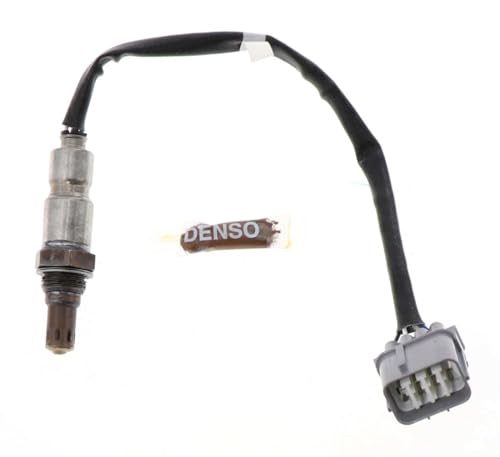
Denso 234-5010 Air Fuel Ratio Sensor

Denso Air/Fuel Ratio Sensor 234-9052

Denso 234-9091 Air Fuel Sensor

Denso 234-9056 Air Fuel Ratio Sensor

Denso Air/Fuel Ratio Sensor 234-9026
More Details On Our Top Picks
The 234-9010 suits repair work where exact sensor response matters more than headline features. Zirconium sensing material is the key detail here, since that type is commonly used for precise exhaust-gas feedback in fuel-control systems.
Easy installation also helps during a driveway repair or shop visit, especially on older vehicles where a direct replacement saves time. The trade-off is simple, this is a fit-first part, so the vehicle match matters more than broad compatibility.
Strong Points
- Zirconium construction supports consistent sensing behavior.
- Direct replacement format suits common repair jobs.
- Installation stays straightforward for routine service work.
- Durable build should suit daily driving cycles.
Things To Consider
- Vehicle matching needs a careful part check.
- No long lead harness detail is listed here.
Feature Card
Who It Suits Best
Owners handling a standard commute repair on a compatible vehicle get the most practical value here.
A Better Fit Elsewhere
Denso Air/Fuel Ratio Sensor 234-9049 suits Toyota and Lexus applications that need a broader fit map.
Fit coverage is the main reason this one stands out, because the part is aimed at select Lexus, Scion, and Toyota applications. For a household with a dependable daily vehicle, that narrower match can make the replacement search feel less like guesswork and more like a parts match.
The package size and weight are modest, so handling and storage stay simple before installation. The honest trade-off is the same as with any vehicle-specific sensor, confirmation matters, and the wrong trim or year still changes the outcome.
Upsides
- Broad model coverage across several Toyota family lines.
- Compact package is easy to store and handle.
- Lightweight build keeps bench prep simple.
- Good fit for direct replacement scenarios.
Points To Note
- Vehicle confirmation stays essential before ordering.
- The listing leans on fit detail, not extra hardware.
Whose Shelf It Belongs On
Shoppers replacing a sensor on a compatible Lexus, Scion, or Toyota sedan or crossover get the cleanest match here.
Look Elsewhere When
Denso 234-9010 makes more sense for anyone who wants the zirconium-based option in a simpler part listing.
Long harness length changes the conversation here, because wire reach can matter as much as sensor fit in older engine bays. The 11.50-inch harness gives this pick a clearer installation story for vehicles with routing that leaves less slack than expected.
That makes the 234-5010 a sensible option for Honda, Acura, and Saturn applications that need a direct replacement with a bit more wiring detail on the page. Compared with the simpler 234-9010, this one leans harder into application matching rather than material notes.
Bright Spots
- 11.50-inch harness supports wider routing needs.
- Wide-band design suits modern fuel-control systems.
- Specific part number helps matching in service work.
- Useful for older vehicles with tighter underhood layouts.
Small Caveats
- Harness routing still needs a careful visual check.
- Compatibility is aimed at a defined vehicle set.
At A Glance
Perfect Match For
Drivers and repair shops handling a compatible Honda, Acura, or Saturn replacement are the clearest fit.
Skip It When
Denso Air/Fuel Ratio Sensor 234-9056 is the simpler choice for anyone who wants a more straightforward, all-purpose replacement profile.
The 234-9052 keeps the focus on a familiar replacement path, which is useful for drivers who want a part that fits the job without extra complexity. The listing points to several Toyota and Lexus applications, so the strongest case here is straightforward service planning.
In a busy repair week, that kind of part often earns its place by being easy to slot into a known maintenance routine. The trade-off is that the listing is lighter on material and harness detail than the more feature-specific 234-5010.
Best Bits
- Direct replacement path suits common service work.
- Vehicle-specific focus reduces fit uncertainty.
- Good choice for standard repair planning.
Worth Noting
- No material callout appears in the source details.
- Compatibility still depends on exact model and year.
- The fit list is broad, but not universal.
Core Details
Made For
Routine Toyota or Lexus replacement jobs suit this model best, especially in a shop setting with a confirmed part match.
Another Choice May Suit
Denso 234-9091 is a better match for someone who prefers the lighter, zirconium-based regular sensor profile.
The 234-9091 keeps the footprint small and the packaging light, which matters more than it sounds during a quick parts-room swap. Zirconium construction is listed here too, so the part brings the same sensing material found on other Denso units in this roundup.
That makes it a neat fit for regular replacement work on a compatible vehicle, especially when storage space or shipping handling matters before installation. The trade-off is that the listing leans on core basics rather than extra fit notes or harness detail.
Reasons To Buy
- Zirconium sensing element is clearly identified.
- Light package keeps handling simple.
- Compact shape suits shelf storage.
- Regular replacement use case is easy to understand.
Room For Improvement
- Fit detail is thinner than on some other picks.
- No extra installation hardware is listed.
Details At A Glance
Right Fit For
Simple replacement work on a compatible vehicle suits this option well, especially for a smaller garage or parts shelf.
Where A Sibling Pick Shines
Denso 234-5010 is the better route for technicians who want the longer 4-wire harness detail.
This is the most straightforward all-rounder in the group, especially for people who want the fitment conversation to stay simple. The source notes accuracy, easy installation, and efficient fuel use, so the profile points toward routine repair work rather than a niche setup.
In a commuter vehicle or family car, that kind of balance tends to be what matters most. Compared with the 234-9091, this one adds more handling-related notes, though it still keeps the overall presentation restrained.
Highlights
- Accuracy is called out directly.
- Easy installation helps shorten repair time.
- Efficient fuel-use note suits daily drivers.
- Balanced feature set keeps the listing approachable.
Areas To Watch
- Fitment confirmation still matters before ordering.
- Source details stay light on construction specifics.
Feature Rundown
Built With In Mind
Daily drivers needing a steady replacement sensor get the best fit here.
Swap It Out When
Denso Air/Fuel Ratio Sensor 234-9026 makes more sense for larger Toyota trucks and SUVs.
Large Toyota SUVs and trucks tend to reward a sensor built around exact vehicle matching, and that is the core appeal here. The 234-9026 is listed as vehicle specific, so the strongest use case is a confirmed replacement on a compatible 4Runner, Tundra, Sequoia, or Lexus GX or LX.
Package weight stays modest, yet the fit focus is what gives this one its identity. Compared with the lighter commuter-oriented 234-9056, this pick feels more tailored to heavier-duty platforms where matching matters as much as the sensor itself.
Standout Traits
- Vehicle-specific fit narrows the replacement search.
- Good match for larger Toyota and Lexus platforms.
- Package size stays manageable for parts storage.
Honest Caveats
- Exact application checking is essential here.
- Construction material is not listed in the source.
- The listing is lean on extra install detail.
Feature Card
The Right Fit
Owners of compatible Toyota trucks and Lexus SUVs get the clearest value from this vehicle-specific sensor.
Reach For A Different Pick When
Denso 234-9056 is the better all-purpose option for smaller daily drivers and simpler repair jobs.
What Matters Before Choosing An Air Fuel Mixture Sensor
Fitment Comes First
Part number matching matters more than brand familiarity in this category. A sensor built for the wrong trim or engine family can create more work than the original fault.
Wiring And Length Deserve Attention
Harness length, connector style, and wire count shape how cleanly a replacement lands in the bay. Longer routing helps on some vehicles, while compact harnesses suit simpler layouts.
Material And Sensor Type Change The Feel
Zirconium sensors appear on several Denso options here, and that material is tied to precise exhaust feedback. Wide-band designs and regular replacements serve different systems, so the original application matters.
Think About The Repair Setting
Weekend driveway repairs favor clear part labeling and simple installation notes. Shop work on older cars or larger SUVs often benefits from more detail on fit, harness reach, and package handling.
Practical Checks For A Cleaner Purchase
Hidden Buying Traps
Shortlisting by vehicle family alone can miss engine-specific differences. Matching the exact part number avoids that mistake.
The Upgrade Payoff
Higher-tier versions usually cost more because of tighter fit coverage, more detailed harness design, or more specific sensor construction. The upgrade makes sense where a vehicle spends long hours in service, or where routing and application tolerance are tight.
Frequently Asked Questions
What Does An Air Fuel Mixture Sensor Do?
An air fuel mixture sensor helps the engine control system judge exhaust content and adjust fueling. That keeps the replacement choice tied to drivability, not just fit.
Why Does Vehicle Fit Matter So Much?
These parts are built for specific engines, connectors, and wiring layouts. The wrong match can mean extra labor or a part that simply will not suit the application.
What Is The Difference Between Wide-Band And Regular Sensors?
Wide-band sensors are used in more detailed fuel-control setups and often need exact application matching. Regular sensors are usually the simpler route for basic replacement jobs.
Does Sensor Material Matter For Everyday Driving?
Material can signal how the sensing element is built, and zirconium shows up often in this list. That detail matters most for shoppers comparing similar replacement parts across a known fit.
What Is The Safest Way To Choose Between Two Close Matches?
Match the exact part number, vehicle year, and engine family before anything else. When those details line up, the rest of the decision gets much easier.
