

Accurate air-fuel monitoring matters most in garages, track cars, and daily drivers that run modified intakes, exhausts, or tuning software. A well-matched gauge turns a vague engine note into a clear readout, which helps make sense of how a setup is behaving under load. The right choice depends on sensor type, display clarity, install size, and whether the gauge needs to speak to factory systems or a standalone controller.
The Shortlist At A Glance
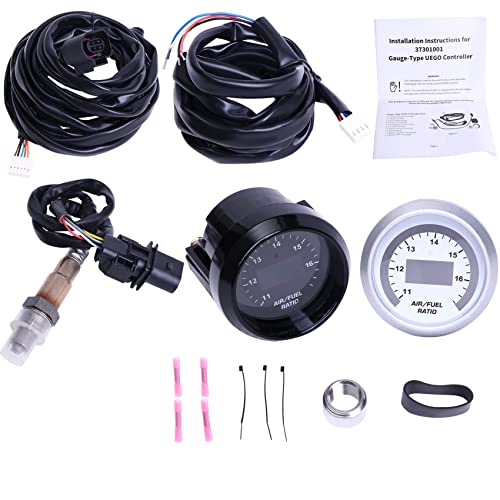
FHRHRY Wideband UEGO Air/Fuel Ratio Gauge 52mm 4.9 LSU Sensor

AEM X-Series Wideband UEGO AFR Sensor Controller Gauge

30-0300 Wideband UGEO Air Fuel Ratio Gauge 52mm LSU 4.9 Sensor

GlowShift Tinted 7 Color Digital Wideband Air Fuel Gauge Kit 52mm
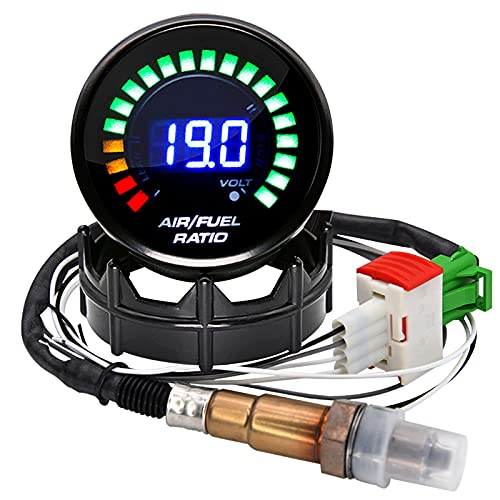
ARTILAURA 2-1/16” 52mm Air/Fuel Ratio Gauge LED Digital Display

ZHSYMX Universal Digital Wideband Air/Fuel Ratio AFR Gauge

GlowShift 10 Color Digital Wideband Air Fuel Ratio Gauge Kit 52mm
More Details On Our Top Picks
FHRHRY’s 52 mm housing fits the familiar single-gauge opening, which makes it easier to drop into many pods without redesigning the dash. The 4.9 LSU sensor matters because that sensor family is common in wideband setups, so the gauge sits in the lane many tuners already expect.
The 0-5V analog output gives this pick a clear edge for systems that want a voltage signal sent elsewhere, not just a faceplate readout. The trade-off is simple, the feature set leans practical rather than flashy, so this suits projects that value straightforward signal handling over a highly styled display.
Strong Points
- 52 mm format suits common gauge pods.
- 0-5V output supports external logging gear.
- 4.9 LSU sensor pairing matches many tuning setups.
- Useful for drivers building a tidy dash layout.
Things To Consider
- Display styling stays more functional than decorative.
- Wiring and sensor placement still matter during install.
Feature Card
Who It Suits Best
Street builds and first-time wideband installs benefit most from the compact format and simple signal output.
A Better Fit Elsewhere
AEM X-Series Wideband UEGO AFR Sensor Controller Gauge suits ECU-linked builds that need OBDII pass-through more than a basic analog output.
OBDII pass-through sets this AEM unit apart from the simpler gauges above it. That matters in cars already tied into factory electronics, because AFR data can be carried through the ECU network rather than treated as a separate island.
The included Bosch 4.9 LSU sensor keeps it aligned with current wideband hardware, and the front-panel calibration button supports either factory O2 calibration or free-air calibration. The honest read is that this feels built for serious integration, so it rewards tidy installs and punishes rushed wiring a bit more than a basic display-only gauge.
What We Like
- OBDII pass-through suits ECU-centric builds.
- Free-air calibration option adds setup flexibility.
- Bosch 4.9 LSU sensor is well matched to the platform.
- Good fit for tuning workflows that rely on data visibility.
Points To Note
- Integration depth brings more install planning.
- Probably more than needed for simple gauge-only installs.
Who Should Grab It
ECU tuners and modified cars with factory data needs benefit most from the pass-through design.
Skip It When
GlowShift Tinted 7 Color Digital Wideband Air Fuel Gauge Kit makes more sense for someone who wants a more style-forward dash display.
This Gledewen kit leans into data density, starting with a four-digit central readout and a faceplate that can be reversed. That is useful in cramped cockpits, because gauge angle and visibility often matter more than styling once the car is moving.
The three display modes, AFR, lambda, and oxygen percentage, give this unit a broader vocabulary than the earlier picks. Lambda means a ratio against stoichiometric target, so it helps anyone reading tuning data across different fuels, though the trade-off is a slightly busier interface than a one-screen-only gauge.
Highlights
- Three readout modes widen its use in tuning work.
- Reversible faceplate helps with dash orientation.
- Four-digit center display improves quick legibility.
- 52 mm size stays easy to place in common pods.
Areas To Watch
- The extra display modes add a little learning curve.
- More information on screen can feel busy at first glance.
Core Details
Best Suited To
Track-day setups and detail-minded tuners benefit from the multi-mode display and reversible faceplate.
A Better Fit Elsewhere
FHRHRY Wideband UEGO Air/Fuel Ratio Gauge 52mm 4.9 LSU Sensor is simpler for owners who want a cleaner, more direct controller style.
GlowShift leans harder into appearance than the first three picks, with a tinted lens and seven color display modes. That gives the dash a more tailored look, and in a cockpit with other GlowShift gear the visual match can feel neat rather than busy.
Its AFR range is set up for gasoline and E85 use, so it works well for performance cars that may see fuel changes across seasons or tuning stages. The trade-off is that the emphasis stays on presentation and readability, not on extra control logic, so data-heavy users may prefer the AEM or Gledewen options.
Upsides
- Tinted lens softens the display look.
- Seven color modes help match cabin lighting.
- Useful for gasoline and E85 performance builds.
- Digital layout makes fast glances easier.
Small Caveats
- Presentation matters more here than advanced integration.
- Works best in installs that already suit a visual style.
Details At A Glance
Whose Shelf It Belongs On
Custom dash builds and owners who want the gauge to look as considered as the rest of the cockpit benefit most.
Look Elsewhere When
AEM X-Series Wideband UEGO AFR Sensor Controller Gauge suits drivers who care more about factory ECU data flow than styling.
ARTILAURA keeps the formula simple, with a backlit LED display and a narrowband sensor setup aimed at 12V cars. Narrowband means the sensor gives a more limited mixture picture than a wideband system, so this makes more sense for basic monitoring than for serious tuning work.
That simplicity helps in daily-driver installs where quick readability matters more than deep calibration control. The plain dashboard-friendly size also makes it easier to place, although the narrower sensing approach is the trade-off that keeps it below the more advanced gauges above it.
Positives
- Backlit numbers stay easy to scan at night.
- 12V compatibility fits many common cars.
- Simple design keeps installation decisions straightforward.
Room For Improvement
- Narrowband sensing is less detailed than wideband monitoring.
- Best used as a basic gauge, not a tuning centerpiece.
Made For
Daily drivers and casual garage projects benefit most from the low-complexity display and 12V focus.
Another Choice May Suit
FHRHRY Wideband UEGO Air/Fuel Ratio Gauge 52mm 4.9 LSU Sensor is a stronger match for tuners who need wider data coverage.
ZHSYMX keeps the pitch broad, and that makes sense for retrofit jobs that need a straightforward digital AFR readout. The company emphasizes fast response and real-time feedback, which matters most in cars where the gauge needs to settle quickly after throttle changes.
Its standard 52 mm housing helps with fitment, and the promise of no free-air calibration in the listed use case reduces one more setup step. That ease is handy in weekend installs, though the shorter feature list leaves less room for the kind of advanced integration the AEM unit offers.
Best Bits
- Fast-response digital feedback suits active driving.
- 52 mm housing fits common gauge slots.
- Lower setup friction helps first-time installers.
Worth Noting
- Feature depth looks lighter than the more advanced picks.
- Broad compatibility can still depend on the rest of the setup.
Right Fit For
General retrofit projects and drivers wanting a clear, quick AFR readout benefit most here.
Where A Sibling Pick Shines
GlowShift 10 Color Digital Wideband Air Fuel Ratio Gauge Kit fits owners who want more display customization and self-calibration behavior.
This GlowShift kit sits close to the earlier 7-color version, but the 10-color layout gives it a bit more visual flexibility for cockpit matching. Self-calibration at startup is the key detail here, because it cuts one setup chore that can slow down a fresh install.
The digital display and tinted lens keep the face easy to read without looking plain, which suits builds where the gauge is part of the interior design. The trade-off is that the appeal leans toward polish and convenience, so highly technical users may still prefer the AEM or Gledewen choices.
Reasons To Buy
- 10 color modes offer broad cabin matching.
- Startup self-calibration helps simplify first use.
- Tinted lens gives the display a cleaner look.
- Works well for show-focused street builds.
Points To Note
- Visual flexibility matters more than deep integration.
- Better suited to polished installs than bare-bones setups.
Feature Rundown
Built With In Mind
Street cars and custom interiors benefit most from the richer display palette and simpler startup behavior.
Swap It Out When
AEM X-Series Wideband UEGO AFR Sensor Controller Gauge is the stronger fit for ECU-linked builds and more integrated tuning work.
What Matters Most Before Choosing Afr Ratio Gauge
Sensor Match Comes First
Wideband units give a broader mixture picture than narrowband units, which matters for tuning and modified engines. Sensor family, calibration style, and controller behavior should line up with the rest of the build, or the gauge becomes ornamental.
Fitment And Visibility
A 52 mm housing suits many pods and A-pillar mounts, but dash depth and viewing angle still decide how usable the gauge feels day to day. Tinted lenses, backlighting, and digit size matter most in cars that spend time in bright sun or at night.
Integration Versus Simplicity
OBDII pass-through and analog output serve different setups, and that difference is worth paying attention to. Factory ECU users tend to value integration, while weekend garage projects often benefit from a clean, direct readout.
Key Considerations Across These Picks
Where Shoppers Go Wrong
Many installs start with display style and skip the sensor and wiring plan. That usually leads to a gauge that looks right but fits the project poorly.
When Paying More Pays Off
Higher-tier units often add ECU integration, calibration flexibility, or richer display options. Those extras matter most in tuned cars, not in simple monitoring jobs.
Frequently Asked Questions
What Does AFR Mean?
AFR stands for air-fuel ratio, the balance between air and fuel entering the engine. Wideband gauges show that balance in a wider, more useful range for tuning.
What Size Fits Most Dash Pods?
The common size in this list is 52 mm, also called 2-1/16 inch. That format fits many aftermarket pods and gauge cups.
Is Wideband Better Than Narrowband?
Wideband gives more detailed mixture data, which helps in tuning and performance monitoring. Narrowband suits basic reading more than precise adjustment.
Does OBDII Connectivity Matter?
OBDII pass-through matters in cars that rely on factory ECU data pathways. It can make the gauge easier to incorporate into an existing electronics setup.
Why Do Some Gauges Use Self-Calibration?
Self-calibration reduces setup steps at startup and can help simplify first use. That convenience is handy in fresh installs and owner-maintained builds.
