

Stepping into a 4Runner gets old fast without the right side step height and tread pattern. This roundup focuses on fitment clarity, step width, mounting style, and the kind of build that makes sense for commuting, family duty, trail use, or a lifted truck that needs a cleaner climb. Some of these picks lean rugged, others favor easier entry, and a few split the difference. The main goal is simple, match the step to the trim and the way the SUV actually gets used.
Quick Look At The Shortlist

Tyger Auto Star Armor 2010-2024 4Runner

AutoBull 6″ 2-Stairs Side Step Rail

OTHOWE Running Boards 2025-2026 4Runner

AUTOSAVER88 10-24 4Runner Running Boards
Tyger Auto Tyger Access Running Boards

More Details On Our Top Picks
Star Armor leans into a more rugged look than the flatter board styles farther down this list. The 2-inch carbon steel tubing and tri-tube structure point toward strength-first use, especially for owners who want side protection and a visual match for off-pavement gear.
In a driveway with curbs, mud, or a lifted stance, that sturdier profile can feel more confidence-building than a narrow step. The trade-off is simple, the shape is less understated than a conventional running board, so styling matters almost as much as function.
Strong Points
- Carbon steel construction gives it a firmer, utility-minded feel.
- Tri-tube geometry adds visual mass without looking cluttered.
- Pre-welded brackets should help keep fitment more consistent.
- Works well for trail-oriented 4Runners that need side protection.
Things To Consider
- Its bolder shape will suit some builds better than others.
- Fitment exclusions matter, especially on Limited and TRD Sport trims.
Feature Card
Who It Suits Best
Trail-focused 4Runner owners who want a tougher exterior look and solid side access will get the most from this setup.
A Better Fit Elsewhere
Tyger Auto 3.5″ Rider Running Boards suit commuters who want a lower, easier step without the more aggressive tubing profile.
The two-step layout gives this AutoBull set a clear purpose, easier climbing for mixed-height households and daily cargo runs. Compared with the Tyger Star Armor above, it feels more about access than armor, and that distinction matters in suburban use.
The 6-inch step width should help with footing, while the black carbon steel body keeps the look clean against a 4Runner’s squared side profile. One thing worth considering, the listing limits fitment to specific trims, so trim checks deserve attention before ordering.
Highlights
- Two-step design supports easier entry for back-seat passengers.
- 6-inch stepping area offers a more forgiving landing zone.
- Carbon steel build fits the common expectation for durability in this class.
- Black finish keeps the look restrained on most color schemes.
Minor Gripes
- Fitment is narrow, so trim verification matters.
- The step-forward design is more functional than flashy.
- Any textured finish like this usually asks for routine cleaning after road grime.
At A Glance
Who Will Love This
Families and daily drivers who want a more forgiving step into higher-sitting 4Runners are the best match.
Another Choice May Suit
AUTOSAVER88 10-24 4Runner Running Boards fit shoppers who want a similar two-step idea with a different brand layout.
OTHOWE is the new-generation fit in this roundup, and that alone separates it from the 2010-2024 options above. It is aimed at 2025-2026 4Runners without side skirts, so the value comes from precise year matching rather than cross-generation flexibility.
The carbon steel body with dual-stage textured powder coating matters for owners who park outside or see frequent winter road film. The honest read is that this kind of finish helps more with long-term upkeep than with visual flash, which is often the right trade in a daily-use SUV.
Reasons To Buy
- Built for the newest 4Runner generation, so fitment intent is very clear.
- Carbon steel construction supports a solid, substantial feel.
- Textured powder coating adds a tougher surface treatment for outdoor storage.
- Fits the clean, modern side profile of the 2025-2026 truck.
Worth Noting
- Only works on 2025-2026 4Runners without side skirts.
- Older 4Runner owners need a different pick from this list.
- Textured black finishes usually reward regular washing after salty or dusty use.
Details At A Glance
Perfect Match For
Owners of 2025-2026 4Runners who want a direct-fit board for a new vehicle build will get the cleanest result here.
Look Elsewhere When
Tyger Auto Star Armor fits older-model shoppers who want a thicker, more armor-like side step with a different visual tone.
This is the more compact-feeling Tyger option, and that 3.5-inch profile tells the story before the brackets do. Compared with Star Armor, it looks less like off-road gear and more like a cleaner everyday add-on for school runs, errands, and parking-lot use.
The narrower board can suit drivers who want the step to disappear visually a bit more. The trade-off is less footroom than the wider or dual-step designs, so boots and bulky shoes may feel more confined.
Upsides
- Lower-profile shape keeps the truck’s side line tidy.
- 3.5-inch width suits drivers who want a modest step.
- Works well for daily access without a heavy visual footprint.
- Tyger’s 4Runner-specific fitment focus helps narrow the search.
Areas To Watch
- Less step surface than the 6-inch and two-stair options.
- Not the most forgiving choice for very tall entry height.
Who Should Grab It
Commuters and suburban 4Runner owners who want a tidy side step without a bulky look are the best fit.
Where A Sibling Pick Shines
AutoBull 6″ 2-Stairs Side Step Rail suits households that want more step room and a gentler climb for passengers.
AUTOSAVER88 keeps the formula straightforward, which can be exactly what a 4Runner needs. The two-stair layout helps with entry, especially in households where different heights and ages use the same SUV, and the trim fitment keeps it from drifting into one-size territory.
Compared with the more rugged Tyger and OTHOWE boards, this one reads as a practical middle ground. It should make everyday access easier without turning the side profile into a visual statement, though the trim exclusions mean the fit check still deserves attention.
Best Bits
- Two-step access helps reduce the climb into the cabin.
- Targets Trail, SR5, and TRD Pro use cases clearly.
- Carbon steel build suits regular street and driveway use.
- Simple styling makes it easy to pair with most trim colors.
Softer Spots
- Fitment exclusions are specific, so trim matching matters.
- Style is functional rather than standout.
The Right Fit
Drivers who want a simple, usable step for family duty and routine errands will find this one easy to live with.
Skip It When
Tyger Auto Star Armor makes more sense for shoppers who want a heavier side-armor look and a stronger visual statement.
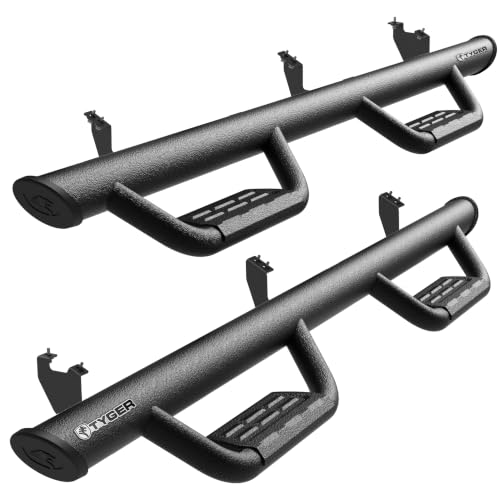
Tyger Access is the most straightforward drop-step style in the group, and that shows in the day-to-day use case. For drivers climbing into a stock-height or slightly lifted 4Runner several times a day, the lower step position usually feels more forgiving than a flatter board.
It sits between the heavier Star Armor and the slimmer Rider board, which gives it a sensible middle lane. The catch is that fitment exclusions remain strict, so the trim list needs a careful read before anything else.
Positives
- Drop-step layout helps shorten the climb into the cabin.
- Textured black finish should blend well with most 4Runner colors.
- Good match for frequent entry and exit during school or work runs.
- More practical than a purely decorative side rail.
Points To Note
- Not every 4Runner trim is covered.
- The textured surface may need routine wiping to stay clean.
- It favors function over a more aggressive off-road look.
Technical Sheet
Best Suited To
Households that want an easier daily climb without moving into an oversized board are the strongest match here.
Another Choice May Suit
longsun 2-Raised Side Steps fit shoppers who want a more compact step shape with raised pads instead of a drop-step profile.
longsun takes a cleaner, more compact route with the raised-pad design. Compared with the wider boards in this roundup, it leaves a lighter visual footprint on the side of the 4Runner, which suits owners who want function without a bulky look.
The dual raised step pads help break the climb into a more manageable motion. For most garage-to-school-run schedules, that layout makes the vehicle feel easier to enter, though shoppers who want a broad standing platform may prefer one of the 6-inch or two-stair picks.
Bright Spots
- Raised pads create a tidy, more measured step path.
- Compact style works well with a clean factory look.
- Good match for owners who want a lighter side profile.
Small Caveats
- Less board coverage than wider designs.
- Not the first choice for heavy boot use or frequent cargo loading.
Whose Shelf It Belongs On
Drivers who care more about a neat, unobtrusive step than a broad platform should find this one easy to live with.
Reach For A Different Pick When
AutoBull 6″ 2-Stairs Side Step Rail suits families who want more foot room and a gentler climb into the cabin.
What Matters Before Choosing 4runner Side Steps
Fitment Comes First
Trim and year range matter more here than surface styling. A clean match saves frustration, especially on 4Runners with exclusions such as Limited, Nightshade, TRD Sport, or side-skirt hardware.
Step Geometry Changes Daily Use
A lower drop step helps in taller vehicles, while wider boards feel steadier for kids, cargo, and wet shoes. Raised-pad layouts take less visual space, but they give up some standing room.
Finish And Structure Affect Maintenance
Carbon steel boards usually bring a firmer stance and a tougher feel, while textured coatings tend to hide road dust better than smoother surfaces. That same texture can ask for more regular wiping after winter roads or dusty trails.
A Few Category Lessons That Pay Off
Hidden Buying Traps
The biggest mistake is treating all 4Runner side steps as interchangeable. Mounting notes, trim exclusions, and body-panel differences can change the outcome fast.
The Upgrade Payoff
Higher-tier options usually spend more on thicker steel, more complex step layouts, and finish work that stands up better to daily exposure. That extra cost makes sense for trucks that see family duty, outdoor storage, or frequent entry cycles.
Frequently Asked Questions
Do all 4Runner side steps fit every trim?
No, many are trimmed to specific years and versions. Fitment exclusions deserve a careful read before ordering.
Are drop-step boards easier to use?
Usually, yes, especially on taller 4Runners. The lower step point reduces the climb into the cabin.
Do wider boards help in daily use?
Wider boards give more standing room and feel steadier for passengers. They also take up more visual space along the side.
Are textured finishes harder to keep clean?
They can hold dust and road film more visibly than smooth coatings in some conditions. Regular washing keeps them looking sharper.
Which style suits a family SUV best?
Two-step layouts usually work well for mixed-height households. Raised-pad designs suit owners who want a neater profile.
