

Road noise, dust intrusion, and loose-fitting door gaps usually show up at the wrong time, on commutes, highway runs, and long weekend drives. Auto Door Seals address those gaps with rubber profiles, adhesive strips, and push-in trims sized for different vehicle edges.
The seven picks below cover simple replacement strips, self-adhesive options, and thicker dual-layer designs. The range matters, because a small sedan door, a camper shell, and a tailgate rarely need the same seal profile.
The Shortlist At A Glance

Storystore Automotive Door Weather Stripping 20 Ft EPDM Rubber Seal Strip

Automotive Door Weather Stripping 10Ft Car Door Rubber Edge Trim Seal Strip

40Ft Car Door Seal Strip, U-Shaped Automotive Weather Stripping Rubber Seal Strip
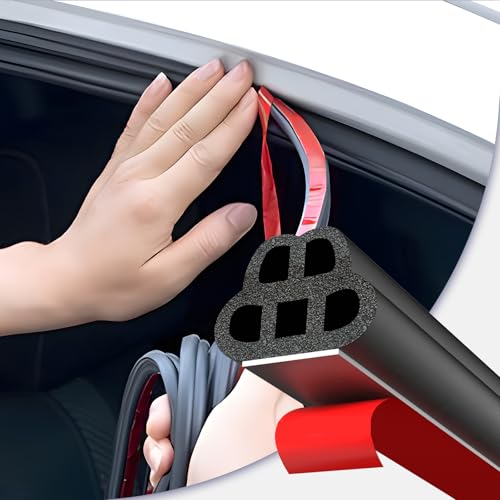
alophoty Car Door Seal Strip, 53.8 Ft, Double Layer 5-Hole
alophoty Car Door Seal Strip, 16.5 Ft, Double Layer 5-Hole
alophoty Car Door Seal Strip, 34 Ft, Double Layer 5-Hole

Double Layer Self-Adhesive Car Door Rubber Seal Strip, 5 Holes
More Details On Our Top Picks
Storystore takes the straightforward route, with a 20-foot EPDM rubber strip aimed at routine door-seal replacement. EPDM is a durable rubber compound used here for weather exposure, so it suits commuters who want a calmer cabin without chasing a complex profile.
The top-bulb shape is the main draw, since it helps close up edge gaps around the door opening. That makes sense for older vehicles, or any daily driver that has started letting in more wind and road grit than it should.
Strong Points
- 20-foot length suits a range of common repair jobs.
- EPDM rubber is a sensible choice for outdoor exposure.
- Top-bulb shape gives the seal more contact area.
- Good fit for worn factory stripping on daily drivers.
Things To Consider
- Cutting and fitting still take patience around corners.
- Adhesive details are not the focus here, so prep matters.
Feature Rundown
Who It Suits Best
Drivers replacing tired factory stripping on a standard car or light truck get the most out of this one.
A Better Fit Elsewhere
Kikerike Automotive Door Weather Stripping 10Ft fits shorter trim jobs better, especially for partial repairs where 20 feet would be more than needed.
Kikerike leans into versatility, with a 10-foot rubber edge trim that works across cars, buses, campers, boats, RVs, trucks, and even home applications. The metal clip structure matters here, because a push-on trim that grips the edge well tends to stay put better than loose, adhesive-only strips.
The top bulb adds a fuller sealing profile, so this one suits smaller repairs or a single door area where a longer roll would be wasteful. For mixed-use owners, that shorter length can be the sensible part of the spec sheet.
Highlights
- Metal clips help the trim hold the edge firmly.
- 10-foot length is easier to manage for small jobs.
- Broad application list suits more than one vehicle type.
Minor Gripes
- Short length may leave larger projects needing a second roll.
- Push-fit trims still call for careful alignment at corners.
- Best results usually depend on clean, even edge prep.
Who Will Love This
Owners handling one door, a hatch edge, or a small vehicle trim repair will get the cleanest fit from this format.
Where A Sibling Pick Shines
Storystore Automotive Door Weather Stripping 20 Ft suits broader replacement work more comfortably, especially on full door-perimeter jobs.
Salior takes a more installation-focused approach than Kikerike, with a U-shaped push-in form and metal clips built into the strip. That combination usually matters most on vehicles with a consistent door seam, where a firmer mechanical hold is more useful than a light trim edge.
The 40-foot length also gives this one room to cover larger jobs, including cars, RVs, trucks, boats, or home openings. For someone dealing with rattling seams and dust intrusion on a bigger vehicle, the extra material is a practical advantage.
Upsides
- Metal clips help anchor the strip in the seam.
- U-shaped profile is suited to push-in installation.
- 40-foot roll covers larger or more complex jobs.
- Useful across vehicle and home edge applications.
Areas To Watch
- Push-in installs need careful measuring before cutting.
- Long rolls can leave extra material to store.
At A Glance
Built With In Mind
Drivers and property owners who want a push-in seal for larger seams or bulkier projects are the best fit here.
Another Choice May Suit
alophoty Car Door Seal Strip, 16.5 Ft is a cleaner match for compact repair work where a smaller roll keeps the job simpler.
This alophoty roll is built for larger sealing jobs, and the 53.8-foot length makes that clear immediately. The double-layer, five-hole structure is the notable part, because multiple air paths usually translate into a firmer barrier around door edges, hood lines, or trunk seams.
Its 0.39 by 0.31 profile gives the strip a defined shape without turning it into an oversized trim piece. That balance should suit bigger vehicles, or a garage project where one long roll needs to handle several openings without running short.
Best Bits
- Very long roll suits full-vehicle coverage.
- Double-layer, five-hole build adds sealing depth.
- Useful for doors, hoods, and trunk edges.
- Profile size helps it stay practical rather than bulky.
Small Caveats
- Large length can be overkill for one small repair.
- Long adhesive runs usually reward careful surface prep.
Core Details
Whose Shelf It Belongs On
Shop garage owners, van upfitters, and anyone sealing several openings from one roll will get the most value from this length.
Skip It When
alophoty Car Door Seal Strip, 16.5 Ft makes more sense for a single repair or a shorter trim edge that does not need excess material.
The 16.5-foot alophoty strip keeps the same double-layer, five-hole structure as the longer versions, but in a much tighter roll for smaller jobs. That makes it easier to handle for a single door, hatch edge, or a narrow section that does not need a long inventory of material.
It shares the 0.39 by 0.31 size, so the main difference is coverage rather than profile. For driveway work or a quick weekend repair, that shorter length keeps waste down and storage simple.
Positives
- Short roll is easier to manage and store.
- Same layered structure as the larger alophoty strips.
- Works well for tight repair sections.
- Less excess material to cut and stash.
Points To Note
- Length can run out fast on larger vehicles.
- Smaller rolls still need the same careful prep work.
The Right Fit
Owners handling a focused repair on one edge, one opening, or one compact vehicle section will appreciate this shorter roll.
Look Elsewhere When
alophoty Car Door Seal Strip, 34 Ft gives more breathing room for mixed-size projects without jumping all the way to the longest roll.
alophoty’s 34-foot roll sits in the middle of the family, which is often the least awkward place to be. It keeps the same double-layer, five-hole build and the 0.39 by 0.31 profile, so the main appeal is enough material for a meaningful job without the sprawl of the 53.8-foot version.
That balance suits mixed repairs across doors, hoods, or trunks, especially where a single roll needs to stretch across more than one opening. For many garage projects, this length lands like a hinge between convenience and coverage.
What We Like
- Mid-length roll is easier to plan around.
- Double-layer, five-hole structure adds sealing depth.
- Good middle ground for multi-opening repairs.
- Same profile keeps compatibility familiar.
Worth Noting
- Still longer than needed for one small patch.
- Large rolls are easier to mismeasure without a dry fit.
Made For
Home mechanics and drivers tackling several medium-size openings will get the most practical use from this length.
Where Shoppers Go Wrong
alophoty Car Door Seal Strip, 16.5 Ft is simpler for small repairs, while the 53.8-foot roll makes more sense for full-vehicle coverage.
XINLIYA takes a different route with a self-adhesive design instead of a push-in trim. The thicker 0.4-inch profile and five-hole layout point to a denser sealing strip, which can suit tailgates, edge protection, or interior trim areas where a stick-on format is easier than a clip channel.
Durable rubber and flexible structure make sense for do-it-yourself installs, especially on surfaces with cleaner lines. The trade-off is that adhesive-backed seals depend heavily on prep, so a clean surface and careful alignment matter more here than on the clip-in Salior strip.
Reasons To Buy
- Self-adhesive format keeps installation straightforward.
- Thicker profile adds presence at the edge.
- Flexible rubber suits tailgates and trim work.
- Five-hole structure gives the strip more depth.
Honest Caveats
- Adhesive performance depends on careful surface prep.
- Stick-on formats are less forgiving once placed.
Who Should Grab It
DIY installers who want a stick-on seal for a tailgate or body edge will find the format especially convenient.
Swap It Out When
Salior 40Ft Car Door Seal Strip is the better fit for seam-mounted work that needs metal clip retention rather than adhesive backing.
Feature Snapshot
What Matters Most Before Choosing Auto Door Seals
Common Shopping Slip Ups
Match the profile to the mounting method first. A push-in trim suits seam edges, while adhesive-backed strips suit clean surfaces and simpler installs.
Where The Extra Money Goes
Higher-tier seals usually spend the budget on longer rolls, denser rubber, and more layered profiles. That matters most for larger vehicles, multiple openings, or noisy highway use.
Size, Shape, And Coverage
Length decides how far a roll reaches, but shape decides how well it sits. A short strip can still be the better choice for one hatch or a single door edge, especially in a small garage.
Quick Checks For Seal Shoppers
Mistakes Worth Dodging
Measure the edge before cutting. Rushing adhesive work or skipping a dry fit usually creates the sort of gaps that defeat the point.
The Upgrade Payoff
More expensive options often bring stronger retention or a more substantial layered build. That extra structure tends to make sense on long edges, heavier use, or vehicles that see steady highway miles.
Frequently Asked Questions
What size Auto Door Seal fits most cars?
There is no single fit across every vehicle. The right length depends on the number of doors, the seam shape, and whether the seal is going around one opening or several.
Are adhesive and push-in seals used the same way?
No, the installation method is different. Adhesive strips rely on a clean bonded surface, while push-in trims depend on a matching door edge channel.
Do layered seal strips matter?
Layered designs can create a denser barrier around the edge. That usually matters most on noisier cabins or on vehicles that already show some wear at the door opening.
Can one roll cover doors, hoods, and trunks?
Some longer rolls can cover more than one area. Shorter rolls are usually better reserved for a single opening or a smaller repair section.
What maintenance do Auto Door Seals usually need?
Regular cleaning around the contact edge helps the seal sit properly. Adhesive-backed strips also benefit from a well-prepped surface before installation.
