

Aircraft speed tape serves a narrow but important role, whether the work happens around a race car, in a shop, or in an equipment bay. The right roll needs steady adhesion, tidy tearing, and the right width for seams, patch work, or temporary coverage. Material, backing, and thickness matter more than flashy labels.
The seven picks below lean into different jobs, from aluminum foil sealing tape to heavier racer’s tape with cloth backing. Some favor HVAC-style sealing, while others suit quick bodywork fixes and temporary surface protection. The differences are practical, not cosmetic.
Quick Look At The Shortlist

BOMEI PACK Adhesive Aluminum Foil Heat Shield Tape Barrier 3in x 66ft

Lockport Aluminum Foil Tape 2 in x 225 ft

Buck Aluminum Foil Tape 2 Inch x 216ft

COSIMIXO Silver Aluminum Foil Duct Tape 3 in x 55 Yards
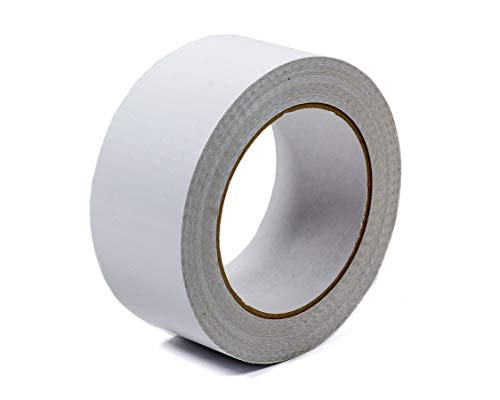
Design Engineering Speed Tape White 2 in x 90 ft

Design Engineering Speed Tape Black 2 in x 90 ft

ISC Racers Tape RT4004 Extreme-Duty Racer’s Tape 2 in x 90 yds
More Details On Our Top Picks
Heat shielding tape like this earns attention in engine bays, around ducts, and near reflective panels where surface temperature matters. The fiberglass fabric backing with an aluminum-plated face gives it a very different job profile from the wider HVAC rolls later in this list.
The 3-inch width and 66-foot length suit recurring patch work rather than a single giant project. The honest read is that this kind of tape tends to make more sense where heat exposure is the concern first and cosmetic neatness second.
Highlights
- Fiberglass fabric backing adds structure for heat-prone spots.
- Aluminum-plated face suits reflective shielding work.
- Three-inch width covers seams without constant overlap.
- Sixty-six-foot roll gives useful length for repeated jobs.
Things To Consider
- Its purpose is narrower than the race-focused tapes later in the roundup.
- The roll size suits patching, not very broad coverage.
- Surface prep still matters, especially on dusty or oily material.
Core Details
Who It Suits Best
Technicians and hands-on hobbyists working around hot surfaces and reflective barriers fit this roll well.
A Better Fit Elsewhere
Design Engineering Speed Tape White 2 in x 90 ft suits race-body work better, since it leans toward temporary surface repair rather than heat shielding.
The long 225-foot roll changes the equation for bigger sealing jobs, especially around ductwork, dryer vent runs, and insulation seams. Compared with BOMEI PACK’s narrower heat shield strip, this one is built more like a supply roll for repeated HVAC-style work.
Its heat resistance range from -22°F to 250°F gives it a wider service envelope than many general-purpose foil tapes. The trade-off is plain: the 2-inch width is handy for tight joints, but broad panels still call for careful overlapping.
Positives
- Long roll length supports large projects without frequent changes.
- Designed for ducts, vents, and insulation seams.
- Wide temperature range helps in hot or cold service spaces.
- Two-inch width fits many common HVAC joins.
Points To Note
- Two-inch width can feel modest on broader panel work.
- Large rolls take more storage space than compact tape options.
- Clean application still depends on careful surface preparation.
Feature Rundown
Who Will Love This
Home maintenance users and HVAC-focused DIY work benefit most from the larger roll and broad sealing role.
Another Choice May Suit
Buck Aluminum Foil Tape 2 Inch x 216ft makes sense for shoppers who want a slightly shorter roll with a similar HVAC-minded profile.
Compared with Lockport’s longer roll, this Buck tape trims length a bit but still leaves plenty of material for ductwork, AC lines, and vent repair. The 3.6 mil thickness, a measure of foil body thickness, matters because it usually signals a firmer feel without moving into the heaviest class.
That middle-ground profile is useful in a garage or utility room where one tape has to cover several small jobs. Depending on the surface, the 2-inch width can be just right for neat seams and awkward corners.
Strong Points
- 3.6 mil build gives a substantial feel for foil tape.
- Useful roll length supports regular maintenance tasks.
- Fits ductwork, vent patching, and insulation seams.
- Balanced size works well for mixed household jobs.
Softer Spots
- Not as long as the Lockport roll.
- Two-inch width limits coverage on wide surfaces.
- Storage still takes a bit of shelf room.
At A Glance
Made For
Shoppers who want a versatile foil tape for routine HVAC-style repairs fit this roll well.
Look Elsewhere When
Cosimixo Silver Aluminum Foil Duct Tape 3 in x 55 Yards suits wider patch work better, especially where extra tape width helps cover more area in one pass.
A 3-inch foil tape shifts the focus toward broader coverage, which helps on HVAC seams, foamboard joints, and patch areas that do not stay neat for long. Compared with Buck’s 2-inch roll, this COSIMIXO option is easier to use where a wider strip saves overlap and time.
The 55-yard length is shorter than the longer utility rolls in this roundup, so the value here sits in coverage width rather than raw footage. In a workshop or renovation setting, that balance can feel very sensible.
Upsides
- Three-inch width helps cover larger seams.
- Heavy-duty construction suits repair and patch tasks.
- Works across ducts, insulation, and metal surfaces.
- Cleaner coverage can mean less overlap.
- Useful for mixed maintenance and renovation jobs.
Minor Gripes
- Shorter roll length than some duct-focused options.
- Wider tape takes a little more storage space.
Feature Card
The Right Fit
DIYers handling patch work on ducts, foamboard, or sheet-metal edges stand to get the most from this wider roll.
Skip It When
Design Engineering Speed Tape Black 2 in x 90 ft fits race-minded surface work better, since it leans toward temporary visual and body repair rather than broad foil coverage.
This white roll stands apart because race applications and temporary body repair use cases call for a cleaner visual finish than foil sealing tape can offer. The tape tears straight and clean, which matters in pits or garages where a crooked edge wastes time.
Compared with the foil rolls above, this one is less about insulation and more about fast surface coverage. The 2-inch width and 90-foot length keep it manageable, and the white color helps it blend on light surfaces better than black or silver.
Best Bits
- Straight tearing supports quick, tidy application.
- White finish works well on light-colored surfaces.
- Useful for temporary repair and seam taping.
- Ninety-foot roll is handy for repeated use.
Room For Improvement
- Color choice is more situational than foil tape.
- Less suited to insulation work than the aluminum picks.
- Surface prep still matters for best hold.
Details At A Glance
Whose Shelf It Belongs On
Motorsport hobbyists and pit-crew style users who need clean temporary patching will appreciate this format.
Where A Sibling Pick Shines
ISC Racers Tape RT4004 Extreme-Duty Racer’s Tape suits harder use better, because its cloth-backed build is aimed at more demanding race work.
The black version follows the same race-ready idea as the white roll, but the darker finish blends better on darker panels, trim, and equipment housings. That makes it the more discreet choice for temporary seams that need to disappear into the background.
Owners working around garages or race trailers may find this color easier to live with than a bright white strip. The roll length stays generous, and the 2-inch width keeps handling simple for quick patches.
Positives
- Black finish hides better on dark surfaces.
- Clean tearing supports faster application.
- Good for temporary repair and seam work.
- Length suits repeated shop or track use.
Honest Caveats
- Less reflective than the foil tape options.
- Best suited to cosmetic or temporary surface use.
- Storage is easier than the larger foil rolls, but still takes drawer room.
Core Details
Built With In Mind
Users who want a low-profile tape for dark surfaces and fast race prep fit this roll well.
Reach For A Different Pick When
BOMEI PACK Adhesive Aluminum Foil Heat Shield Tape Barrier 3in x 66ft suits heat shielding more directly, especially where reflective insulation matters more than color match.
ISC’s racer’s tape leans hardest into the rough-and-ready side of the category. The polyethylene-coated cloth backing, rubber adhesive, and 13 mil thickness point to a tougher build than the foil rolls above, so this one belongs where grip and body are more important than insulation.
The clean release from the roll is a useful detail in busy pit spaces, because sticky tape that splits badly wastes time. In a racing garage or trailer, that kind of control matters almost as much as holding strength.
Bright Spots
- Cloth-backed construction feels built for hard use.
- Rubber adhesive suits aggressive temporary attachment.
- Thirteen mil thickness gives it a substantial profile.
- Clean release helps keep application orderly.
- Good match for race prep and field repairs.
Areas To Watch
- More tape than many casual home jobs require.
- Its race focus makes it less relevant for insulation work.
- Bulkier material can take more shelf space.
Feature Snapshot
Perfect Match For
Race teams, motorsport hobbyists, and shop users who need a sturdier tape for temporary body or trim work fit this roll best.
Swap It Out When
Lockport Aluminum Foil Tape 2 in x 225 ft is the better fit for HVAC sealing, because it focuses on ductwork and insulation instead of race repair.
How To Judge Aircraft Speed Tapes Without Guesswork
Material And Backing
Foil tape, cloth-backed tape, and heat-shield tape solve different problems. Aluminum foil suits sealing and reflective coverage, while cloth backing usually brings more body and tear resistance for race work.
Width And Roll Length
Wider tape covers seams faster, but narrower tape handles corners more cleanly. Longer rolls suit repeated maintenance, while shorter rolls keep storage simple.
Surface And Environment
Heat, moisture, and vibration all affect fit. A tape for a hot duct run should not be judged the same way as a temporary body patch for track use.
Two Details That Change The Outcome
Common Shopping Slip Ups
A common mistake is choosing by color alone and ignoring backing, thickness, or intended use. Another is buying a roll that is too short for a long repair run.
The Upgrade Payoff
Higher-tier tape usually pays for thicker construction, better roll control, or a backing matched to harder use. That upgrade makes sense for race garages, demanding HVAC jobs, or repeated patch work.
Frequently Asked Questions
What makes aircraft speed tape different from ordinary tape?
Aircraft speed tape usually means fast-applying tape used for temporary repair, sealing, or patching. The useful detail is material choice, since foil and cloth versions serve very different jobs.
Is foil tape better than racer’s tape?
Foil tape is better for heat, sealing, and reflective coverage. Racer’s tape is the stronger fit for temporary body work and rougher handling.
Does tape width matter much?
Width changes how many passes are needed across a seam or patch. Wider tape can cover more area, while narrower tape often fits tight joints better.
Why do some rolls cost more than others?
Thicker backing, larger rolls, and specialty materials usually push the cost up. That extra spend often goes toward durability, cleaner handling, or a more specific job fit.
Which tape suits home maintenance best?
Lockport Aluminum Foil Tape 2 in x 225 ft and Buck Aluminum Foil Tape 2 Inch x 216ft fit most home HVAC-style repairs well. Both offer practical roll lengths and a sealing-focused profile.
