

Automotive exhaust work gets easier when the tubing matches the job, not just the vehicle. A universal kit suits a custom garage build, while a vehicle-specific pipe matters more during a direct replacement on a commute car or family SUV. Material choice, inlet size, bend layout, and fitment all shape how much cutting, welding, or alignment work comes next.
The seven picks below cover that spread, from flex sections and Y pipes to full mandrel-bent kits. The result is a practical shortlist for shop projects, driveway repairs, and model-specific replacements where fit matters as much as finish.
Quick View of the Shortlist

2.5” Inch OD Mild Steel Exhaust Pipe Kit

Walker 36326 Universal Exhaust Flex Pipe 2.5″ Inlet 2.5″ Outlet
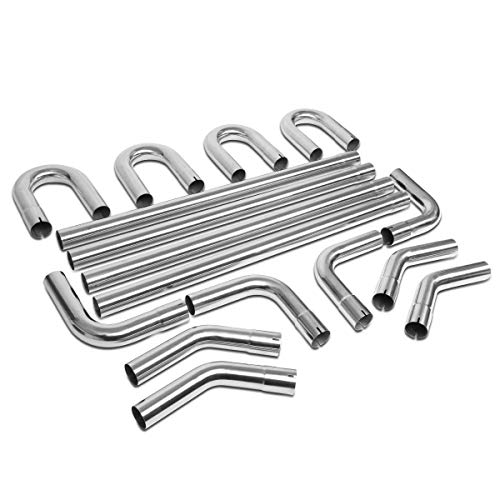
DNA Motoring ZTL-25SS 16 Pcs 2.5 Inches Stainless Steel DIY Custom Exhaust Tubing Kit

Walker 55593 Exhaust Tail Pipe 2.25″ Inlet for Jeep Grand Cherokee

2.5 Inch Exhaust Pipe T304 Stainless Steel Exhaust Tubing 17.3″ Straight

Walker 53599 Exhaust Y Pipe for Honda Pilot
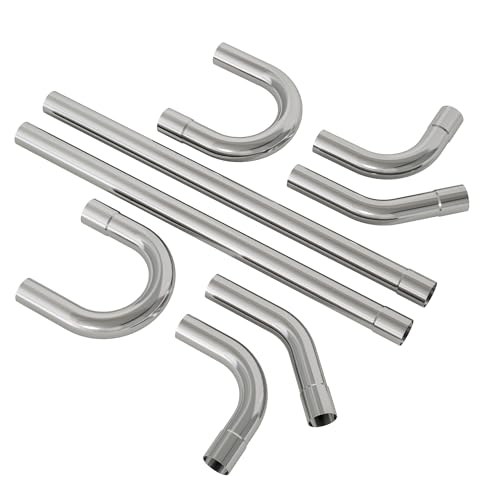
Exhaust Pipe Kit 2.5 Inches Mild Steel DIY Custom Exhaust Kit Tubing
More Details On Our Top Picks
YOLANDO’s 16-piece layout suits a project where the tubing path still needs to be built from scratch. The 2.5-inch outer diameter keeps it in a common custom-exhaust range, and the mandrel bends preserve the tube shape through corners, which helps flow consistency compared with crushed bends.
That matters in a garage build, especially where straight sections, 45-degree pieces, 90-degree pieces, and U-bends all need to work together. Mild steel keeps the price structure practical, though it usually asks for more corrosion care than stainless once moisture and road debris enter the picture.
Strong Points
- Sixteen pieces give plenty of routing options for custom layouts.
- 2.5-inch sizing suits many performance and replacement jobs.
- Mandrel-formed bends help maintain internal tube shape.
- Slip-fit friendly sections simplify layout changes during fabrication.
Things To Consider
- Mild steel usually needs more attention in damp climates.
- Full custom kits still call for measuring, cutting, and joining work.
Feature Snapshot
Made For
DIY fabricators who want a full-size starting point for a custom exhaust path.
A Better Fit Elsewhere
DNA Motoring ZTL-25SS 16 Pcs 2.5 Inches Stainless Steel DIY Custom Exhaust Tubing Kit suits projects that need stainless construction with the same basic layout variety.
Flex pipe earns its keep in systems that move a lot, especially near engines that transmit vibration into the exhaust line. Walker’s 2.5-inch inlet and outlet sizing keeps the piece straightforward to match, and the universal format leaves room for custom placement in older cars, trucks, or shop-built repairs.
The trade-off is simple: flex sections solve movement and alignment, not a full routing problem. That makes this a smart supporting part rather than a whole-system answer, and it works best beside solid tubing like the YOLANDO or DNA Motoring kits.
What We Like
- Flex tubing helps absorb vibration in the exhaust line.
- Equal 2.5-inch ends make planning less complicated.
- Universal format suits a wide spread of repair scenarios.
- Useful as a transition piece in older vehicles.
Worth Noting
- Universal fit still depends on careful dimension checks.
- One flex section does not replace complete routing hardware.
Who Should Grab It
Shoppers dealing with exhaust movement, cracked sections, or a repair that needs a flexible connector.
Skip It When
Jaxilyn’s 2.5 Inches Mild Steel DIY Custom Exhaust Kit makes more sense for full-routing work that needs several bends and straight runs.
DNA Motoring takes the same broad 16-piece idea as the YOLANDO kit, then shifts the material story to stainless steel. That matters for garage projects that live outdoors or see wet roads often, because stainless typically holds up better against surface rust than mild steel, even though fabrication still takes the same patience.
The 2.5-inch OD format and slip-fit style are tuned for hands-on builds where layout changes happen more than once. Straight pipes, 45s, 90s, and U-bends give enough parts to route around suspension and body hardware without making the kit feel overly specialized.
Highlights
- Stainless steel construction suits longer-term ownership.
- Sixteen pieces support many routing patterns.
- 2.5-inch sizing fits common custom exhaust plans.
- Slip-fit joints help reduce fabrication friction.
- Mandrel bends preserve tube shape through corners.
Areas To Watch
- Full kits still demand cutting and alignment work.
- Stainless costs more than mild steel alternatives.
Core Details
Perfect Match For
Fabricators who want a stainless kit for a long-term custom exhaust project.
Look Elsewhere When
Walker 36326 Universal Exhaust Flex Pipe 2.5″ Inlet 2.5″ Outlet fits better for vibration control or a short transition section.
Model-specific fit changes the whole conversation here. Instead of a universal puzzle, this Walker tail pipe is aimed at Jeep Grand Cherokee model years from 1999 through 2004, which makes it the clearest choice for a direct replacement on that platform.
That narrower scope saves time in the garage and reduces guesswork around routing. The trade-off is obvious: the part is excellent for the listed Jeep range, but it has little value outside that exact application, so compatibility checking comes first.
Bright Spots
- Vehicle-specific coverage narrows fit questions.
- Useful for replacing a worn rear section.
- Direct-application format can simplify planning.
Points To Note
- Only the listed Jeep Grand Cherokee years fit the brief.
- Not a flexible universal kit for mixed-use fabrication.
Details At A Glance
Whose Shelf It Belongs On
Jeep Grand Cherokee owners handling a model-matched exhaust replacement.
Another Choice May Suit
YOLANDO 2.5” Inch OD Mild Steel Exhaust Pipe Kit fits better for custom systems that need several bends instead of one vehicle-specific section.
This straight stainless section is the minimalist option in the group. At 17.3 inches long with 2.5-inch inlet and outlet sizing, it works like a tidy bridge between two exhaust components rather than a full routing solution.
T304 stainless usually appeals to shoppers who care about longer-term surface resistance, especially on daily drivers that see weather and road spray. The limitation is just as clear, because a single straight piece still leaves bends and transitions to the rest of the system.
Best Bits
- Short straight format helps with tight packaging spaces.
- T304 stainless suits demanding road conditions.
- 2.5-inch ends make diameter matching easier.
Softer Spots
- One straight tube cannot solve full routing needs.
- Length matters, so layout planning still counts.
Feature Rundown
Right Fit For
Owners needing a short stainless connector or repair section in a custom line.
Where A Sibling Pick Shines
Walker 53599 Exhaust Y Pipe for Honda Pilot is the better route for model-specific routing on a supported vehicle.
The Honda Pilot Y pipe sits in the middle ground between universal tubing and fully custom routing. Walker’s model-matched approach suits replacement work where the goal is to restore the original exhaust path without improvising around multiple bends.
That sort of fit is valuable in a family crossover that sees everyday use, because it removes extra layout decisions. The flip side is narrow compatibility, so this one earns attention for the Honda Pilot rather than for broad project flexibility.
Upsides
- Model-specific design keeps the replacement path clear.
- Y-pipe shape supports the correct exhaust split.
- Good match for owners wanting less fabrication work.
Room For Improvement
- Only suits the listed Honda Pilot application.
- Not useful as a general fabrication kit.
Quick Facts
The Right Fit
Honda Pilot owners who need a direct-replacement Y pipe with less fabrication involved.
Reach For A Different Pick When
DNA Motoring ZTL-25SS 16 Pcs 2.5 Inches Stainless Steel DIY Custom Exhaust Tubing Kit fits broader custom builds more comfortably.
Jaxilyn keeps this kit leaner than the larger 16-piece sets, which makes it appealing for smaller custom jobs or a straightforward replacement path. The 16-gauge mild steel wall gives the tubing a solid, work-ready feel without pushing the project toward a premium stainless budget.
The four-piece layout mix still covers the main shapes needed in many garage installs, but it asks for more planning than a full-sized bundle. That narrower part count is the trade-off, and for short exhaust runs or simpler routing, it can be exactly the right amount.
Positives
- Smaller kit size suits simpler fabrication plans.
- 2.5-inch sizing stays useful for common projects.
- 16-gauge walls support a practical working feel.
- Mild steel keeps the build straightforward.
Minor Gripes
- Fewer pieces limit routing flexibility.
- Mild steel asks for more corrosion awareness over time.
- Complex systems may need a larger layout kit.
Spec Overview
Built With In Mind
DIYers taking on smaller exhaust projects or simpler tube replacement work.
Swap It Out When
YOLANDO 2.5” Inch OD Mild Steel Exhaust Pipe Kit fits better for broader layouts that need more pieces and bend options.
What Matters Most Before Choosing Automotive Exhaust Pipes
Fitment And Layout First
Diameter, inlet style, and vehicle application matter more than brand names here. A universal kit works for fabrication, while a model-specific pipe saves time on a direct replacement.
Material And Corrosion Resistance
Mild steel suits many budget-conscious builds, but stainless steel usually makes more sense in wet climates or on daily drivers. Flex sections add movement control, while straight pieces and bend kits handle routing.
What The Higher Tier Buys
More complete kits usually include more bends, more straight lengths, and better material choices. That extra flexibility helps on cramped underbody layouts, where one missing angle can stall a project.
Key Considerations Across These Picks
Hidden Buying Traps
Common mistakes start with guessing on diameter or buying a universal part for a vehicle-specific repair. Match the exhaust path, connection size, and available space before ordering.
The Upgrade Payoff
Higher-end options usually cost more because of stainless construction, fuller layouts, or better fit precision. The upgrade makes sense for long-term ownership, rough weather, or a job where repeat repairs would cost more than the better part.
Frequently Asked Questions
What size exhaust pipe shows up most often here?
2.5-inch tubing appears across several of the universal kits. That size works well for many custom exhaust layouts.
What’s the difference between mild steel and stainless steel?
Mild steel is easier on budget plans, but stainless steel usually handles moisture better. That trade-off matters most on vehicles that see rain, salt, or year-round driving.
Do universal exhaust pipes fit every vehicle?
No, universal parts still need diameter and space checks. Model-specific pipes are the safer route for direct replacement work.
Why choose a flex pipe instead of a straight section?
A flex pipe helps absorb movement and vibration in the exhaust line. Straight tubing is better for fixed routing and clean layout changes.
What makes a full kit different from a single pipe?
A full kit gives multiple bends and straight lengths for custom routing. A single pipe solves a narrower section of the system.
